








Introduction:Cold brew, cold drip, and ice drip coffee are often confused with one another, but in reality, they differ significantly in extraction principles, equipment, and flavor profiles. This article delves into the distinctions among the three, covering their definitions, methods, and taste layers to help you understand the unique qualities of each. It also provides a detailed home brewing guide for cold brew coffee, including grind size, coffee-to-water ratio, refrigeration time, and filtration techniques, along with recommended coffee bean selections for cold brewing, allowing you to easily make a clean and layered iced coffee at home.
In the world of coffee enthusiasts, the three brewing methods—cold brew, cold drip, and ice drip—are often lumped together, leading many to be confused about their definitions and actual preparation. This article starts with basic definitions and analyzes their differences in extraction principles, operation methods, and final flavor profiles one by one. It further explores how to choose the right coffee beans based on personal taste preferences and concludes with a practical home brewing tutorial for cold brew coffee, so you too can enjoy a refreshing cup of cold brew at home with ease.
First, broadly speaking, cold brew coffee generally refers to all types of coffee brewed at low temperatures, which includes cold drip, ice drip, and even cold fermentation methods. However, in everyday usage, many people tend to equate “cold brew” directly with “cold drip,” that is, the method of mixing coffee grounds with cold water and letting it steep. Therefore, if defined narrowly, cold brew coffee usually refers specifically to cold drip coffee.

However, cold brew (or cold drip) coffee and ice drip coffee actually differ fundamentally in their extraction methods: the former mainly relies on steeping coffee grounds in cold water for an extended period to extract flavors, while the latter is completed through a slow, drop-by-drop filtration process where melted ice water gradually passes through the coffee grounds. Brewing cold brew coffee is typically simple—just mix medium-ground coffee powder with cold water at a certain ratio, place it in a sealed container, and refrigerate for about 12 hours, then filter out the grounds before enjoying. This immersion method can effectively extract the inherent sweetness and body of the coffee while retaining more nuanced flavor layers.
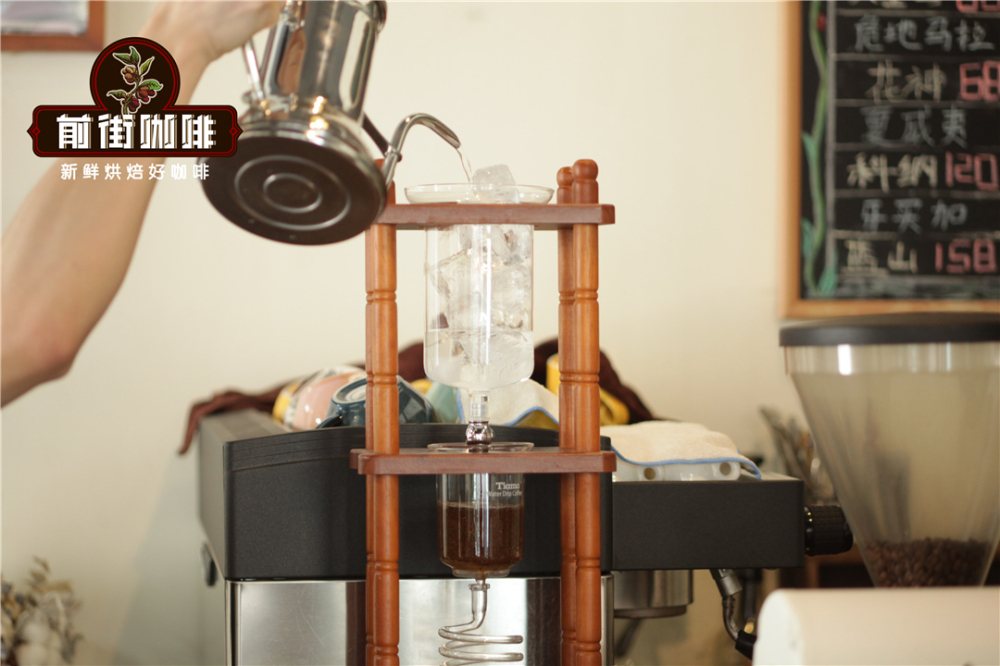
In contrast, ice drip coffee requires a specialized ice drip device that controls the steady dripping of melted ice water—typically a few drops per minute—through the coffee grounds. The entire process may take several hours or even longer. This slow and uniform drip filtration results in a coffee that usually has a clearer, brighter, and more refreshing taste, along with a hint of unique fermented notes produced by long-term low-temperature extraction, offering coffee lovers who enjoy distinctive flavor experiences an alternative choice.
For those looking to try cold brew coffee, selecting the right coffee beans is one of the key factors influencing the final flavor. In fact, coffee beans from various regions, roast levels, and processing methods can be used for cold brewing—the resulting flavor characteristics will simply vary. If you hope to enjoy a bright and refreshing coffee taste in the summer, it’s recommended to prioritize beans with high acidity and fruity flavor profiles. For example, beans with bright fruit aromas can showcase more vibrant flavor layers during the cold brewing process.
It is particularly recommended to choose coffee beans from well-known regions such as Colombia that have undergone special processing methods (such as anaerobic or honey processing). These types of beans often exhibit aromas reminiscent of passion fruit, grapes, apricots, or even dried fruits, making them especially suitable for cold brew. Additionally, if you prefer a richer and more layered overall flavor, you might also consider medium-roast blends with berry or tropical fruit notes, which can deliver a more complex and satisfying taste experience.
Regarding the practical steps for making cold brew coffee, there are indeed various methods, but the following provides a simple and easy-to-control brewing plan suitable for beginners or home users who want a quick start. First, select a sealable glass bottle or PET bottle as the brewing container, ensuring it can be fully sealed to minimize oxygen exposure. It is recommended to set the grind size of the coffee slightly finer than what is used for pour over, approximately around 85% passing through a #20 sieve. This grind size can effectively enhance extraction efficiency during steeping without overly clogging the filter layer.
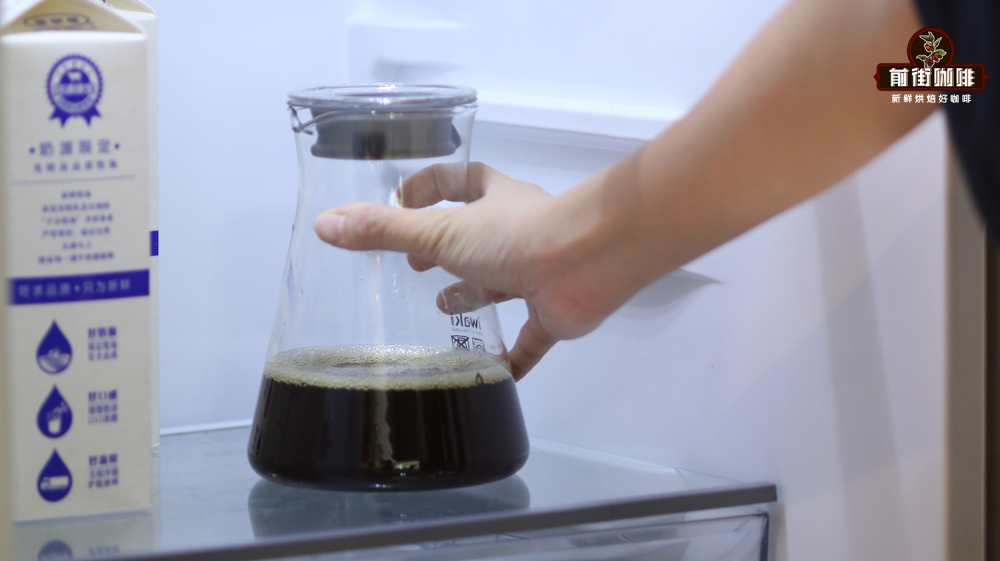
Using 40 grams of coffee grounds as a base, add 500 milliliters of room-temperature water, resulting in a coffee-to-water ratio of about 1:12, which is one of the golden ratios commonly used for cold brew. After pouring the coffee grounds and water into the container, stir evenly with a stirring stick or spoon to ensure each coffee particle is fully in contact with the water, then immediately seal and place in the refrigerator. The recommended refrigeration time is 12 to 24 hours, and this duration can be adjusted according to your preference for concentration. Generally, steeping for around 8 hours can bring out bright acidity and fruity notes; at 16 hours, the flavor becomes more rounded with balanced acidity and sweetness; extending to 24 hours results in a fuller, richer flavor and an overall smoother, more balanced mouthfeel, but avoid going beyond 24 hours to prevent over-extraction or off-flavors.
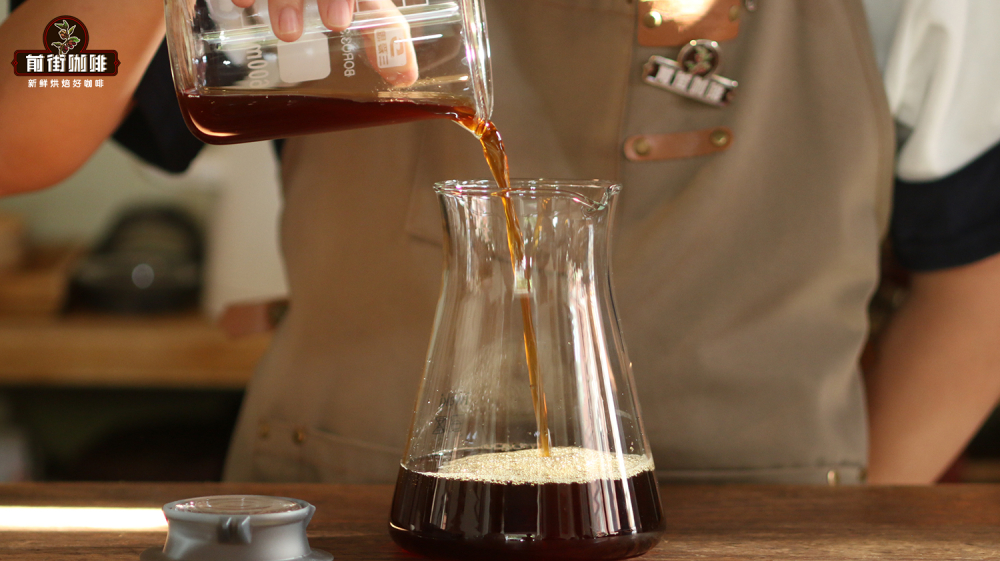
Once refrigeration is complete, it is recommended to use filter paper or a fine filter cloth to thoroughly filter out the coffee grounds, yielding a clear coffee liquid. After filtration, the cold brew coffee can be poured into a clean bottle and allowed to sit refrigerated for about 4 hours. This step helps the flavors integrate and stabilize further, resulting in a more aromatic and enduring coffee experience when served. Through these steps, you can easily brew a cup of cold brew coffee with clear flavors, smooth texture, and perfect for enjoying in the summer at home.
The above content is compiled by CoffeeHunters, a coffee news website.


