







Introduction:Want to understand the essence of Ethiopian coffee? This article delves deep into the distribution of Ethiopia’s nine major coffee-growing regions—the largest coffee-producing country in Africa—deciphers the unique flavors, processing methods, and brewing recommendations of the two specialty regions Yirgacheffe and Sidama, and covers key information such as ECX grading, the Red Cherry Project, and native varieties. It provides a complete reference from region recognition to practical brewing, helping you better appreciate the charm of Africa’s specialty coffees.
Ethiopia is not only Africa’s largest coffee producer but also the birthplace of coffee culture. Locally, coffee is more than just a daily beverage—it plays an important role in weddings, blessing ceremonies, and even traditional medicine. At weddings, coffee is often mixed with fruit pulp or honey to create a drink believed to ward off evil, showcasing coffee’s deep significance in everyday life.
When it comes to Ethiopian specialty coffee, many people think of Yirgacheffe first. This coffee from the southern highlands is renowned for its delicate floral and fruity aromas, and has almost become synonymous with Ethiopian specialty coffee. A certain brand’s washed Yirgacheffe entry-level beans offer a cost-effective way for coffee beginners to experience the representative flavors of the region, making it ideal for building a foundational understanding of its flavor profile.
Ethiopia has a long history of coffee cultivation, but the current regional divisions were gradually established after the 1995 administrative reorganization. Yirgacheffe, originally part of the Sidamo province, is now within the Gedeo Zone, while the former Sidamo province has been split—part becoming today’s Sidama region and the other merged into the Oromia region. As a result, both old and new region names are commonly seen in the market, so extra attention is needed when reading related information.
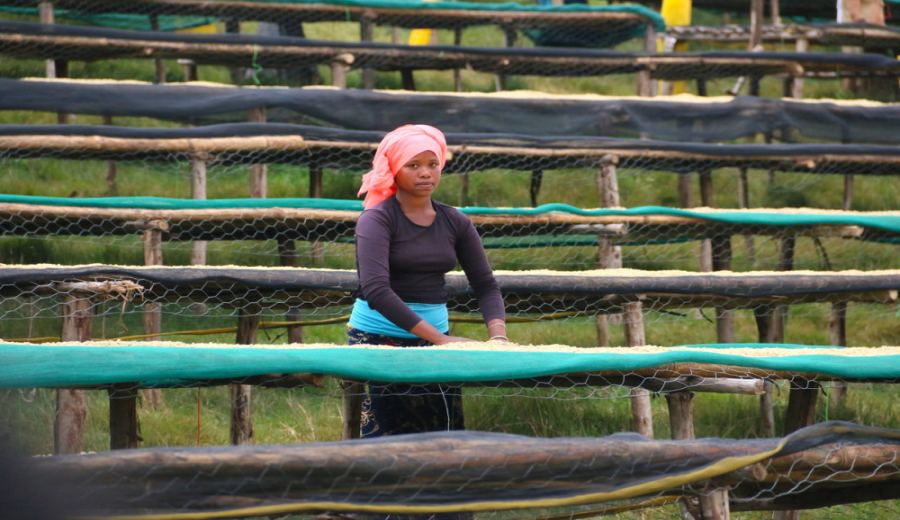
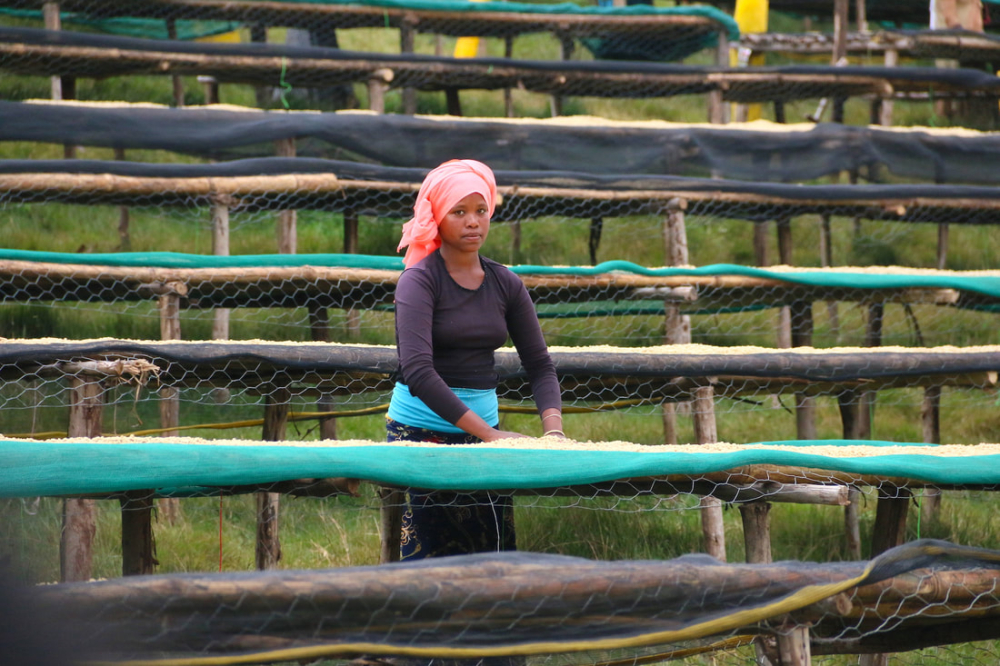
Currently, Ethiopian coffee production is dominated by smallholder farmers, with over 1.2 million households involved in cultivation. On average, each household farms less than 4 hectares, with planting altitudes ranging between 1,000 and 2,300 meters. Each hectare typically hosts about 1,000 to 1,800 coffee trees, yielding approximately 600 kilograms per year. The farming models are broadly divided into:Forest coffee (8–10%),Forest-semi forest coffee (30–35%),Garden coffee (50–55%), andPlantation coffee (5–6%)—with garden coffee being the most prevalent and the primary source of specialty coffee.
Ethiopia’s nine major coffee regions each have their own characteristics, with the top recommendation beingYirgacheffe. Located south of Sidama, this specialty region is cultivated at around 1,800 to 2,000 meters above sea level and primarily uses the garden coffee system. In addition to the well-known town of Yirgacheffe, it includes sub-regions such as Wenago, Kochere, Gelena, and Abaya. Under the new grading system, Yirgacheffe labeled as Grade A (such as Yirgacheffe A) is usually priced higher than Grade B in the same area, reflecting its superior quality.
The most representative flavors of Yirgacheffe include intense jasmine floral notes, lemon acidity, and soft fruity notes like peach and almond, along with a tea-like body. One brand once described it as “a garden in full bloom,” which is very apt. Traditionally, the region mostly employs natural processing, imparting natural sweetness and fermentation characteristics. It wasn’t until 1972, when washed processing was introduced, that citrus and jasmine aromas became clearer and more prominent. Today, both washed and natural Yirgacheffe beans are highly regarded, and in recent years, innovative processes like red honey and anaerobic fermentation have also gained attention. For example, a certain brand’s red honey Yirgacheffe adds layers and a richer mouthfeel while retaining its core flavor foundation.

Another well-known specialty region isSidama, with altitudes ranging from 1,400 to 2,200 meters. It shares similar varieties with Yirgacheffe and also primarily uses the garden system. Sidama coffee often features distinct sweetness and berry notes, particularly strawberry flavors that are highly praised. Among them, Huaca is a classic, originating from the Guji-Hambela sub-region of the former Guji zone. It once shined brightly in the TOH competition and was hailed as a coffee capable of rivaling Geisha. Although Guji is now an independent region, it is still often considered part of Sidama.
Besides Yirgacheffe and Sidama, Ethiopia also hasLimu,Harrar,Jimma,Illubabor,Gimbi-Lekempti,Teppi-Bebeka, andLake Tana. Among them, Limu is mainly exported to Europe and the US, with flavors of grass and black sugar; Harrar is famous for its pure natural processing, offering rich and “spicy” flavors, though with less consistent quality; Jimma is the largest commercial bean-producing region, primarily featuring wild varieties from the Kaffa forest, with some washed specialty beans offering clarity akin to Central American profiles; Lake Tana, though not a major producing area, has nurtured uniquely spiritual “monastery coffee” through its monastic culture—rare in production but truly one of a kind.
To enhance the quality and market value of smallholder coffee, Dutch trader Trabocca launched theRed Cherry Project. This initiative requires farmers to harvest only fully red, ripe cherries, hand-sort them meticulously, and adhere to strict processing standards. The project covers well-known regions such as Yirgacheffe, Sidama, and the Pungo Forest. Though its name is unique, many specialty coffees today actually follow similar high-standard production processes. Red Cherry Project coffee packaging usually bears the Trabocca logo and is priced relatively higher.
Ethiopia is home to nearly 2,000 coffee varieties, of which 1,927 are native. Due to mixed planting, commercially sold coffee is usually labeled as “local native variety.” However, in recent years, some COE competition entries have featured coffee identified by numerical variety codes (such as 74158, 74110) or traditional variety names (like KURUME, Typica), indicating a trend toward more refined variety management.
In terms of processing methods, Ethiopia primarily useswashed and natural processes. The washed method removes the pulp, ferments, and washes the beans to highlight clear acidity and floral-fruity notes; the natural method retains the pulp during fermentation, resulting in richer, sweeter flavors. For beginners, it’s recommended to start with washed beans to better experience the essential flavors of Ethiopian coffee.
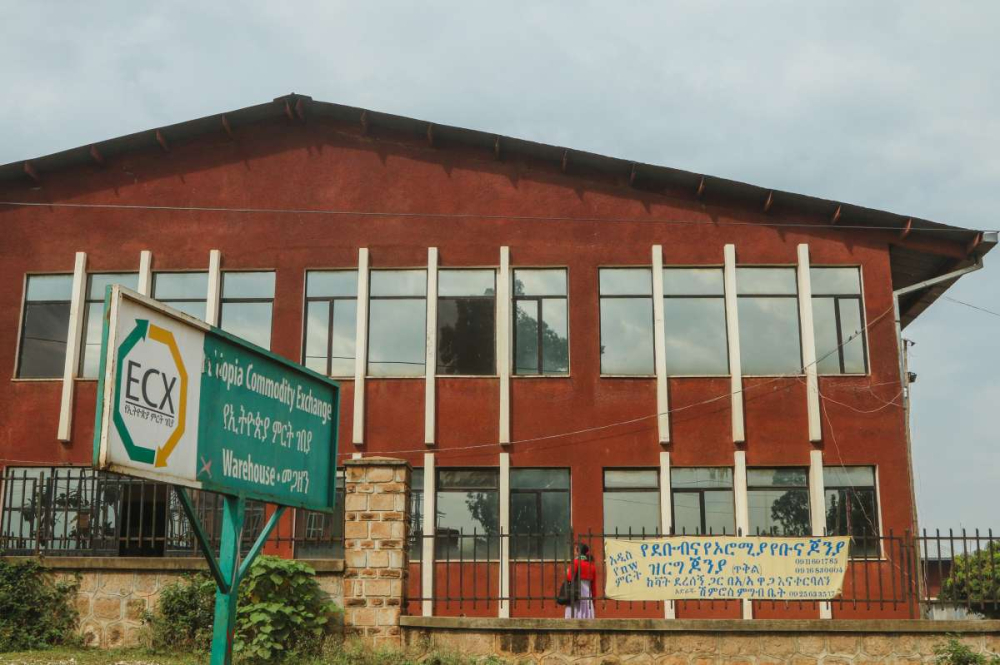
Ethiopian coffee beans are graded under the ECX (Ethiopian Commodity Exchange) system based on defect rates, divided intoG1 (fewer than 3 defects per 300 grams)andG2 (4–12 defects). Additionally, cupping scores categorize beans into Q1 (85 points and above) and Q2 (80–84.75 points)—key benchmarks for determining specialty coffee quality.
Taking Yirgacheffe as an example, a certain brand recommends usinglight roastingto highlight its delicate acidity and floral-fruity notes, whether washed or natural. The roasting curve affects the final flavor profile, and the brand’s provided roasting curves for Yirgacheffe washed and natural beans can serve as references for roasters.
For brewing, it’s recommended to use a V60 filter, with water temperature around 90°C, a 1:15 brew ratio, 15 grams of coffee, and a grind size equivalent to fine sugar with 80% passing through a Chinese No. 20 sieve. Use a staged extraction: first, bloom with 30 grams of water for 30 seconds, then pour in water up to 125 grams with a slow stream before the next stage, and finally pour up to 225 grams. The total extraction time is about 2 minutes. This approach fully brings out Yirgacheffe’s bright fruity acidity and tea-like finish.
Brewing suggestions for Sidama are similar to those for Yirgacheffe—also suitable for light roasts and the V60 filter, with the same water temperature and brew ratio, though grind size may be slightly adjusted based on bean density. A certain brand’s Sidama natural Huaca 4.0 features a dominant profile of berries and citrus, with creamy and black tea-like sweetness, offering a rich flavor layering and long-lasting aftertaste.

In summary, the diversity and uniqueness of Ethiopian coffee—from regional terroir, variety genetics, processing techniques, to market dynamics—are all worthy of in-depth exploration. From the fresh floral-fruity notes of Yirgacheffe to the rich berry tones of Sidama, every coffee bean from this land tells a unique story of African coffee.

The above content is compiled by CoffeeHunters, a coffee news website.


