







Introduction:Grind size is one of the core factors that influence the flavor and extraction efficiency of pour over coffee. Faced with the common 1 to 10 grind settings on grinders, many coffee enthusiasts still feel confused about questions like “Which number represents the finest grind?” or “How should I adjust for beans of different roast levels?” This article will delve into the practical meaning of grind coarseness, compare it with standard parameters for common brewing methods, and provide specific adjustment suggestions for both light to medium roasted and medium to dark roasted beans. It also includes a practical calibration method using a 0.85mm No. 20 sieve to help you master the essentials of grinding with precision.
The grind size plays a pivotal role in the extraction effectiveness of coffee flavor. Simply put, the smaller the grinder setting number, the finer the resulting coffee grounds usually are. However, this is not absolute and adjustments should still be made based on specific equipment and usage scenarios.
Grind coarseness directly affects the contact efficiency between hot water and coffee grounds: if the grounds are too fine, water struggles to penetrate, which can lead to over-extraction, resulting in overly intense or even bitter flavors; if the grounds are too coarse, water flows through too quickly, causing under-extraction, leading to flat and unlayered flavors. Therefore, finding the right grind size is the crucial first step to brewing delicious coffee.
Common grind sizes can generally be divided into three categories: extremely fine for espresso, medium for pour over and drip brewing, and coarse for methods involving long immersion such as French press. Referring to standard classifications from grinder manufacturers, the finest setting is typically used for Turkish coffee, followed by espresso, then pour over/drip, next is siphon, and the coarsest setting is for French press.
For pour over coffee, the brewing time usually ranges between 1 to 3 minutes, averaging around 2 minutes. Compared to the short-time high-pressure extraction of espresso, pour over requires a more moderate grind size to avoid over- or under-extraction. French press, on the other hand, has a longer steeping time (usually over 4 minutes), thus requiring a coarser grind to prevent over-release of coffee substances, which could negatively affect the taste.
So, which of the 1 to 10 settings on a grinder represents the finest? Generally speaking, most grinders follow the rule that “the smaller the number, the finer the powder,” but the actual grind correspondence may vary across different brands and models. Some machines set at 3 may already produce an extremely fine grind, while others may need to be adjusted to 1 to achieve the same effect. It’s recommended to confirm via actual sieving or by observing the flow rate of water, rather than relying solely on the numbers.
For pour over coffee, grind recommendations also vary depending on the roast level of the beans. Taking medium to light roasted single-origin beans as an example, these beans usually have pronounced acidity, and caramelized substances are not easily released. It’s recommended to use a medium-fine grind, specifically with about 80% of the coffee grounds passing through a 0.85mm No. 20 sieve (similar in size to granulated sugar). This grind size slows down the water’s passage through the coffee bed, helping to evenly extract acidic, sweet substances, and caramel aromas. The recommended water temperature is controlled at 90–91°C. Be aware that too high a temperature can lead to over-extraction of caramelized substances, resulting in bitterness; too low a temperature may cause under-extraction, making the flavor seem thin.
As for medium to dark roasted beans, they have lower acidity, higher body, and rich caramelized substances. For these beans, it’s recommended to use a medium-coarse grind, with about 70% of the grounds passing through a 0.85mm No. 20 sieve (similar in size to coarse sugar) as a reference. This setting accelerates the water flow, avoiding over-extraction of bitter substances and delivering a sweet and full-bodied taste. It’s recommended to use a slightly lower water temperature, around 88–89°C, to prevent high heat from causing bitterness and affecting overall flavor balance.
How to use a 0.85mm No. 20 sieve to calibrate grind size? Prepare about 10g of coffee beans, and based on the size of granulated or coarse sugar, preset a grind size. Pour the ground coffee into the sieve, gently shake it to let the particles pass through until no more powder can be sieved. Then weigh the coffee powder that passed through the sieve using an electronic scale: if about 8g passes through, it’s considered a medium-fine grind; if about 7g passes, it’s a medium-coarse grind. If the passing rate is too high, adjust the grind to be coarser; if it’s too low, adjust it to be finer. This method combines practical operation with recommendations from the Specialty Coffee Association of America (SCA) and can help you grasp grind coarseness more accurately.
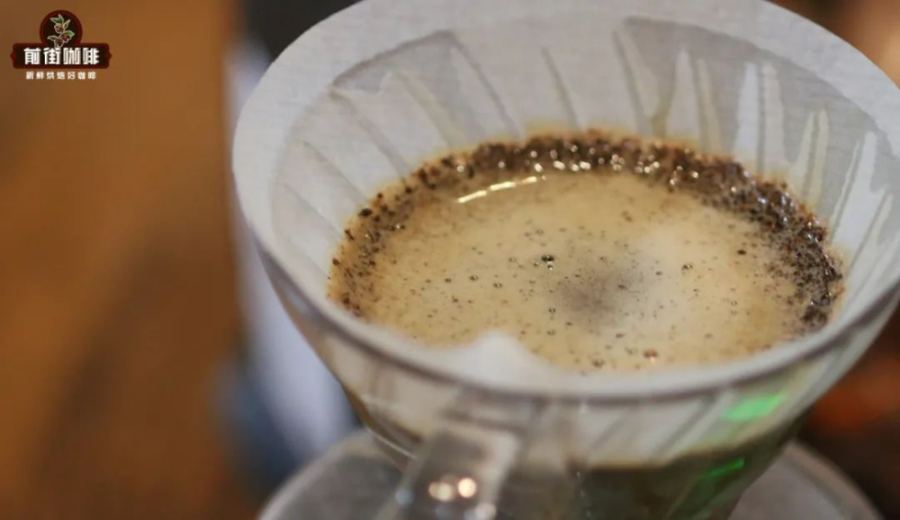
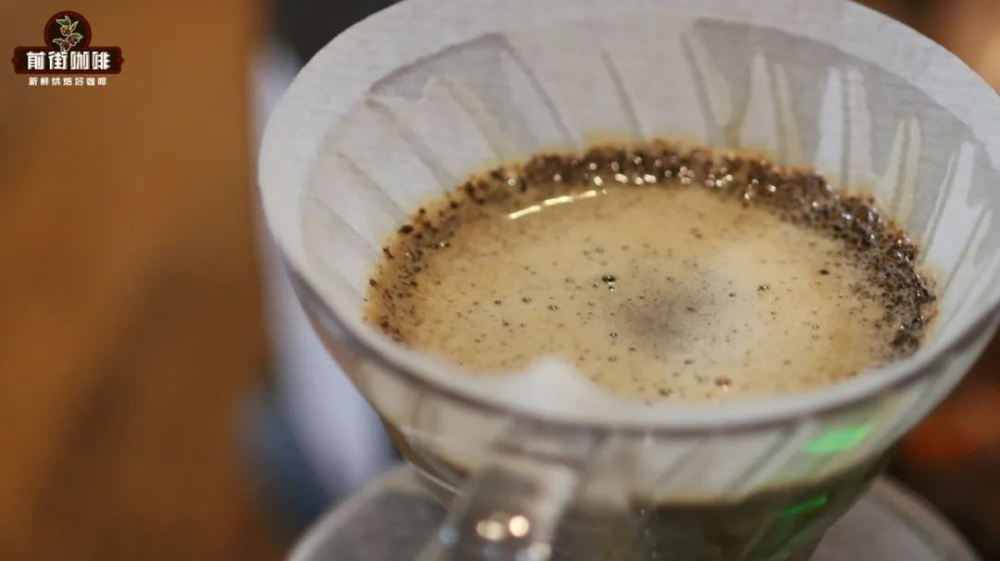
In addition to numbers and sieves, water flow rate is also an intuitive basis for judging grind coarseness: if the water flows too quickly during pouring, it usually means the grounds are too coarse; conversely, if the flow is slow or even drips unevenly, the grind may be too fine. Through observation and adjustment, you can more intuitively determine the appropriate grind setting.
Finally, it’s worth reminding that the uniformity of the ground coffee is equally crucial. If the distribution of grind sizes is too dispersed, overly coarse particles may lead to incomplete extraction, while overly fine particles may release excessive impurities, affecting the overall flavor. It’s recommended to choose a grinder that provides stable and uniform grinding results to ensure that every cup of coffee can showcase its best possible flavor.
The above content is compiled by CoffeeHunters, a coffee news website.


