








Introduction:Cold brew coffee, with its low acidity, sweetness, and refreshing taste, has become a top choice for many coffee lovers during the summer. This article will delve into the brewing principles of cold brew, providing detailed parameters and practical tips on coffee-to-water ratio, grind size, and extraction time, while also exploring the characteristics of coffee beans best suited for cold brew. Additionally, we’ll offer several creative flavoring ideas to help you make your own unique iced coffee at home using simple tools.
With its uniquely cool mouthfeel, gentle acidity, and natural sweetness, cold brew coffee has gained widespread popularity among coffee enthusiasts around the world in recent years. Compared to traditional hot brewing methods, the cold brew process doesn’t require expensive equipment—just basic tools and patience—and can be easily done at home. This article will systematically break down the key stages of cold brew preparation, including precise coffee-to-water ratios, suitable grind sizes, and extraction time suggestions for different flavor profiles, and further explain how to choose the right coffee bean variety based on personal preference.

Cold brew coffee refers to the brewing method where room temperature or cold water is used to slowly extract flavor compounds from ground coffee through prolonged immersion, followed by filtration to remove coffee grounds. Thanks to the low brewing temperature and slow process, this method produces a unique taste profile—smooth on the palate, with minimal acidity and often accompanied by a natural sweet aftertaste, making it ideal for those who prefer a refreshing flavor. Broadly speaking, low-temperature, long-duration extraction techniques such as cold steeping, ice brewing, and ice dripping can all be categorized as variations of cold brew.
The cold brew process is relatively simple and easy for beginners to pick up. Taking a common home-brewing scale as an example, it’s recommended to start with about 30 grams of coffee grounds as a base amount, paired with 360 milliliters of room temperature water, achieving a coffee-to-water ratio of approximately 1:12. In terms of grind size, since the brewing environment is much cooler than typical pour over conditions, the coffee should be ground slightly finer than standard pour over coarseness—roughly similar to the texture of fine sugar, with a standard sieve passage rate of about 85%. During the process, you can first place the ground coffee into a clean glass container, slowly pour in the room temperature water, then use a stirring tool to mix the coffee and water evenly, ensuring that each coffee particle is fully in contact with the water. Afterward, seal the container and place it in the refrigerator to steep.
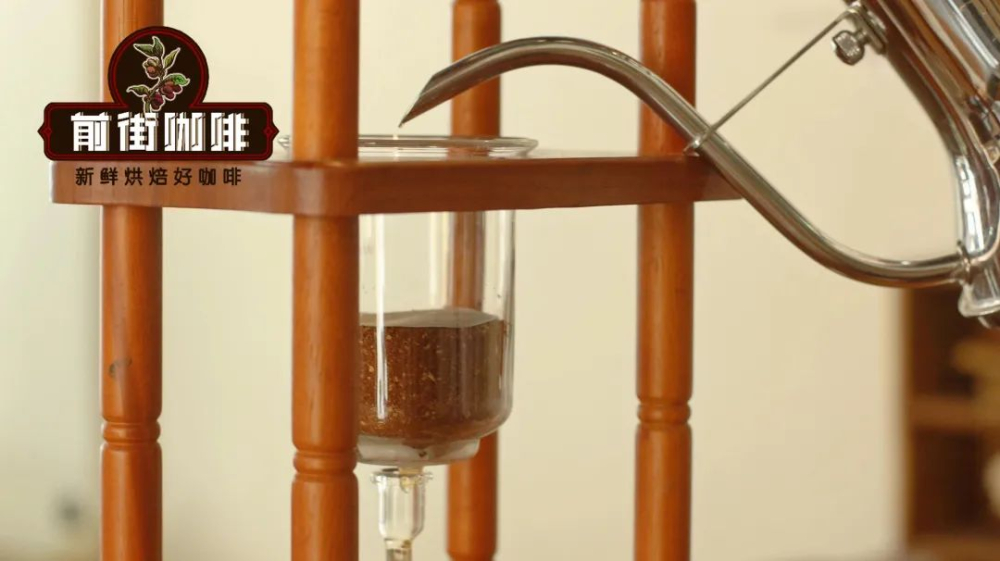
Regarding extraction time, it is generally recommended to let the coffee steep for between 12 to 24 hours, though the optimal duration can be adjusted according to individual taste preferences. It’s important to note that longer steeping doesn’t necessarily mean better flavor—oversteeping may lead to over-extraction or undesirable off-flavors. If you prefer a clean and refreshing taste, opt for a shorter extraction period; if you enjoy a richer, more fermented character, you can extend the steeping time appropriately, allowing the coffee to naturally develop more layers and complexity. Once the coffee reaches the desired extraction state, it’s recommended to carefully filter out the coffee grounds using filter paper to obtain a clear and transparent coffee liquid. Then, transfer the filtered coffee into a clean, sealed container and let it chill in the refrigerator for about 4 more hours to allow the flavors to stabilize before enjoying.
For those who enjoy unique flavor profiles, if you’re seeking a more pronounced fermentation character or richer taste, you can try extending the cold brew time. However, be mindful that increased concentration may bring stronger taste stimulation, so it’s advisable to dilute with ice cubes to adjust to a comfortable drinking strength. Additionally, many people ask which types of coffee beans are best suited for cold brew. Based on practical experience, medium to light roasted beans generally show better compatibility. If you prefer floral and fruity notes, you might choose beans with prominent floral characteristics; if you favor a bright, acidic flavor profile, beans with black tea and berry notes, or those offering a juice-like sensation with passion fruit flavors, can all provide different taste experiences for your cold brew. It’s recommended to experiment with beans from different regions and processing methods according to your personal taste preferences to find the combination that suits you best.
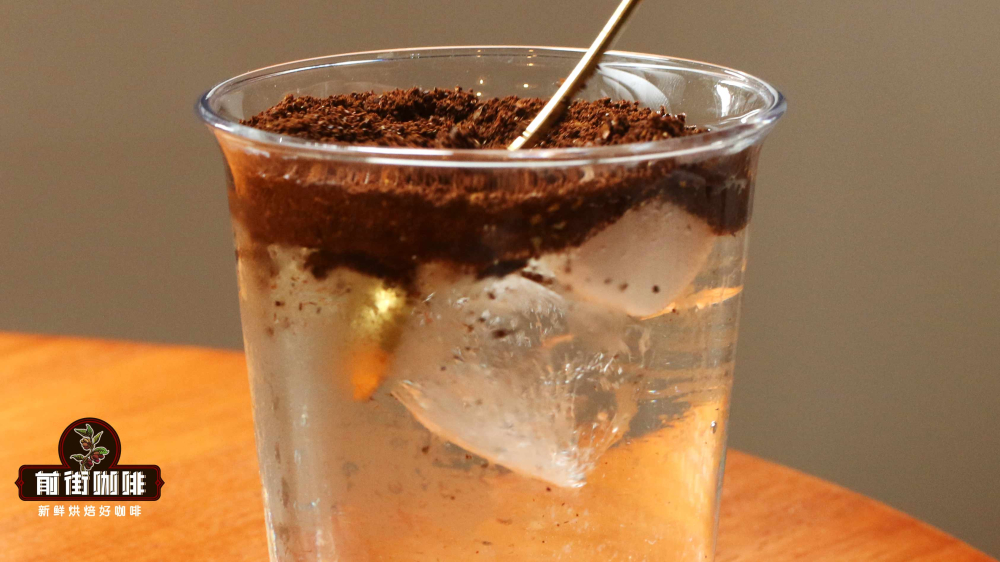
The reason cold brew coffee has become a popular choice in the market mainly stems from its many practical advantages. First, the brewing threshold is extremely low—you don’t need professional equipment, just coffee beans, cold water, and a refrigeration-safe sealed container to easily make it at home. Second, the cold brew process is highly adaptable. Aside from switching to coffee beans with different flavor profiles, you can also add various ingredients according to personal preference to create unique flavor combinations, such as creative seasonings like preserved plums, cherry tomatoes, or blueberries, bringing a fresh twist to traditional iced coffee. Moreover, compared to other coffee products, cold brew has a relatively longer shelf life—as long as it’s properly sealed and stored in the refrigerator, it can usually remain fresh for several days. It’s recommended to consume it within five days of brewing to ensure the best flavor experience.
The above content is compiled by CoffeeHunters, a coffee news website.


