








Introduction:Explore the optimal brewing method for Panama Finca El Velo’s washed Green Label Geisha. This article details a three-stage pouring technique using a 1:16 coffee-to-water ratio, analyzes why this resilient Geisha variety benefits from a higher ratio to fully express its floral and fruity notes, and provides a complete parameter guide—from blooming to final extraction—to help you master the flavor layers of this premium bean.
The coffee-to-water ratio is a key factor in determining flavor expression in pour over brewing. Professional baristas often adjust the ratio based on bean characteristics—for example, using 1:15 for regular hot brews or a 1:10:5 coffee-to-ice ratio for iced brews, which achieves the same concentration once the ice melts. But when dealing with resilient varieties like Panama Finca El Velo’s Geisha,raising the ratio to 1:16better showcases its signature white floral notes and Tieguanyin-like lingering sweetness.

Just as wine tasting requires matching the optimal drinking temperature, a coffee’s flavor release depends on precise parameters. Common questions—such as the difference between “15 grams of coffee with 225 grams of water” and “15 grams of coffee with 150 grams of water”—boil down to different brewing strategies: the former (1:15) balances acidity, sweetness, and bitterness, while the latter (1:10:5) highlights upfront fruit acids through high concentration. For Geisha and similar varieties,a higher 1:16 coffee-to-water ratiodelays the extraction of bitter compounds, allowing citrus tones and floral notes to linger longer.
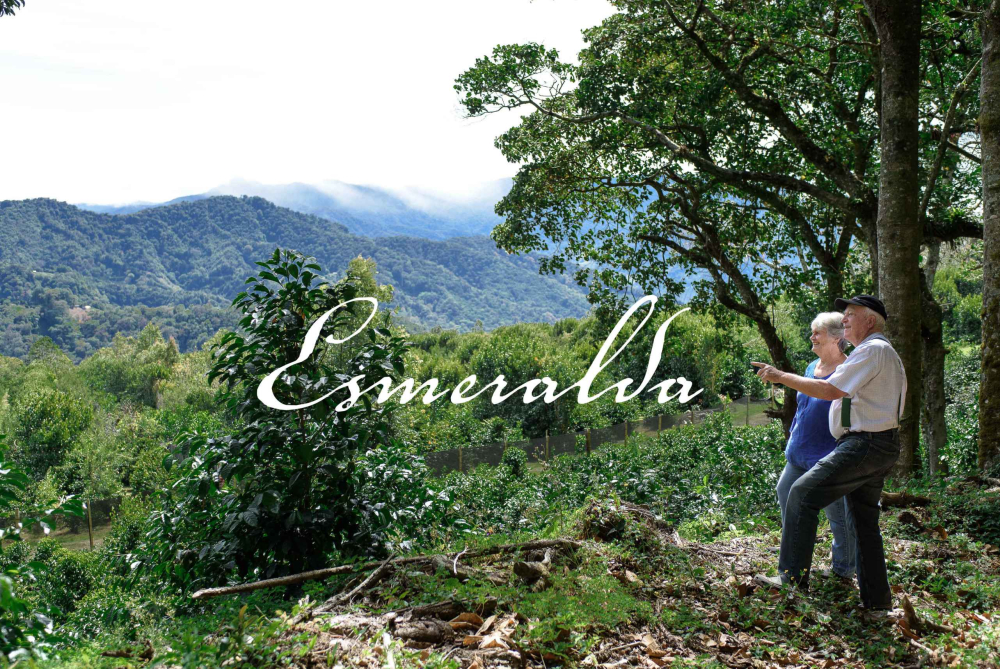
The legend of Finca El Velo’s Geisha began with varietal selection in the early 21st century. Originally from Ethiopia, this coffee developed a unique personality in Panama’s Barú Volcano high-altitude environment (1600–1800 meters)—volcanic soil rich in minerals, and significant day-night temperature variations that help the fruit accumulate more sugars. The washed processing method preserves a clean profile, and while the Green Label grade isn’t the highest-tier, it often unexpectedly delivers complexity approaching that of the Red Label.
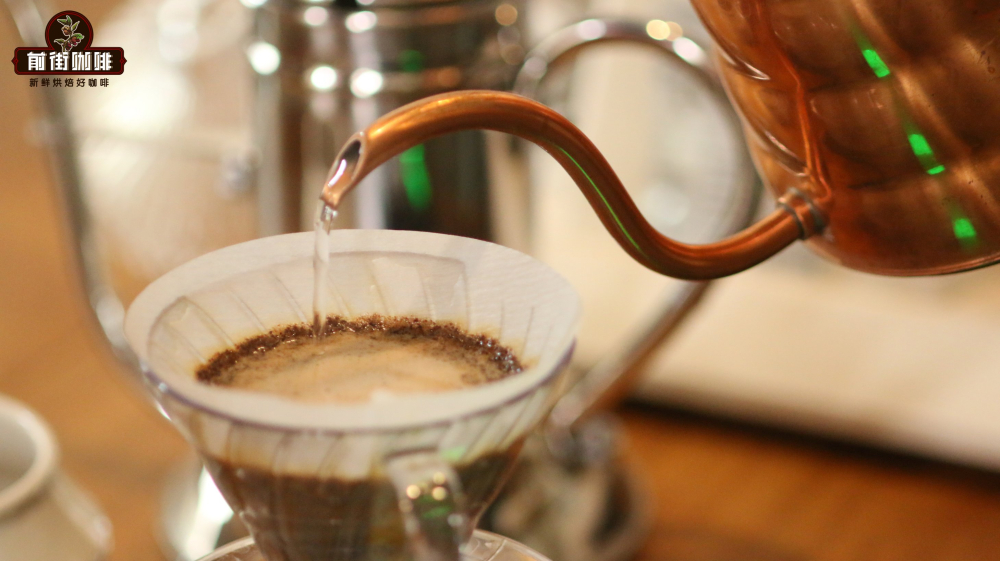
During actual brewing, it’s important to understand the principle of phased flavor release: the early stage (0–40 seconds) primarily extracts citric acid and floral notes, the mid-stage (40–90 seconds) develops caramel sweetness, and the late stage (after 90 seconds) brings a rich finish. Removing the filter too early will result in an actual coffee-to-water ratio lower than intended; blindly pursuing a “high-concentration, low-extraction” 1:10 ratio can lead to a hollow aftertaste.
Recommended parameter setup:
• Filter: Hario V60
• Water temperature: 91°C (precise control to avoid over-extraction)
• Coffee amount: 20 grams (can be proportionally reduced to 10 grams)
• Grind size: 80% passing through a standard Chinese No. 20 sieve (approximately granulated sugar fineness)
• Coffee-to-water ratio:1:16 (total water volume: 320 grams)
Three-stage pouring steps:
1. Pre-infusion: Pour 40 grams of water for a 30-second bloom to activate the coffee
2. First stage: Pour slowly in small circles with a fine stream until reaching 200 grams, focusing on the center
3. Second stage: Once the water level drops to the surface of the coffee bed, continue pouring to 320 grams
4. Total time control: Complete extraction in approximately 2 minutes and 30 seconds
With these parameters, the Geisha will exhibit distinct three-layered flavors: a bright citrus acidity upon entry, white jasmine floral notes blooming in the mid-palate, and a long-lasting mineral sensation with an oolong-like sweetness in the finish. Compared to the 1:15 ratio, 1:16 allows the acidity and sweetness to unfold more smoothly without being overly sharp, making it especially suitable for drinkers who prefer a cleaner, crisper taste. The remaining beans can be brewed using the same parameters, with water volume adjusted proportionally (e.g., 10 grams of coffee with 150 or 160 grams of water).
The above content is compiled by CoffeeHunters, a coffee news website.


