







Introduction:Explore the charm of honey-processed coffee from Costa Rica’s Tarrazú region — from the berry-like sweetness nurtured by volcanic soil to the fermentation intricacies of the raisin honey process. Delve into the unique flavor profile of the Mirasu Estate Strawberry Sugar Geisha Blend. This article breaks down the region’s geographical advantages, varietal characteristics, and honey processing methods, along with professional roasting profiles, cupping data, and precise pour-over recommendations to help you fully grasp this high-sweetness specialty coffee from origin to cup.
Costa Rican coffee is renowned for its pronounced sweetness and full-bodied mouthfeel. The beans from the Tarrazú region, in particular, often showcase a rich chocolatey base and silky body due to the interplay of volcanic soil and microclimates. The featured Mirasu Estate Strawberry Sugar Geisha Blend employs the raisin honey process and combines four varieties — Geisha, ET47, SL28, and MAICO — delivering delicate jasmine floral notes alongside the fermented sweetness of strawberry and berries. It’s a must-try honey-processed masterpiece for pour-over enthusiasts.
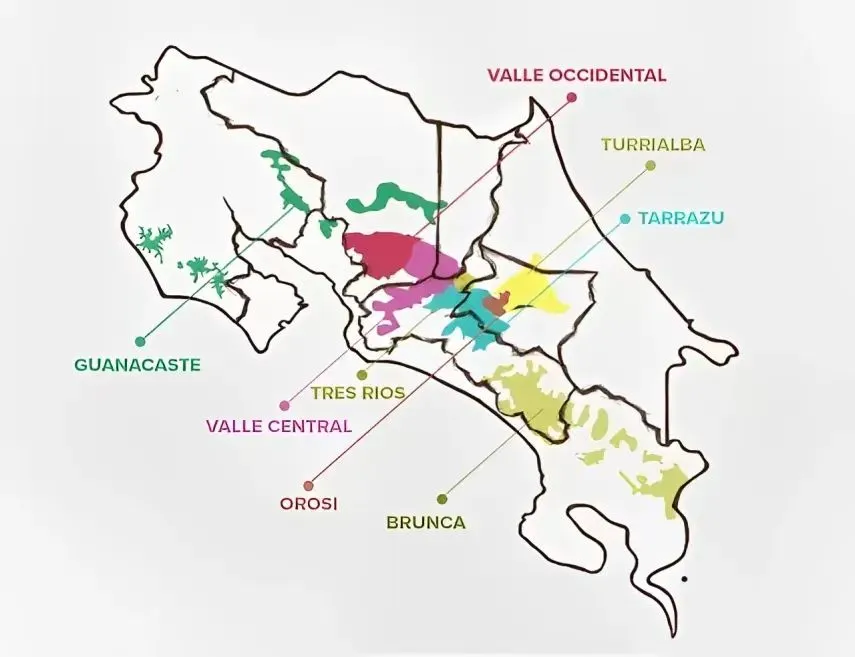
As one of the earliest countries in Central America to cultivate coffee, Costa Rica’s coffee culture is rooted in its fertile volcanic soil and ideal microclimates. The central plateau region (elevation 1200–1600 meters), which includes sub-regions like San José, Heredia, and Alajuela, is the main production area, surrounded by three active volcanoes (Irazú, Barva, and Poás) that provide abundant mineral nutrients. Coffee from this region is known for its chocolatey tones, bright acidity, and elegant aromas, with Tarrazú being a core origin for specialty coffee.
Located south of the capital, San José, Tarrazú has long been synonymous with top-tier Costa Rican coffee. The renowned La Minita Tarrazú, though producing only about 72,600 kg annually, is celebrated for its meticulous hand-picking and chemical-free farming practices. Beans from this region typically feature full-bodied texture, robust body, and nutty-chocolatey aromas, with gentle acidity and layered fragrance — laying a solid foundation for the flavors of honey processing.
The star of this feature, the Mirasu Estate, is a small-scale operation personally managed by Esteban Sanches and his family. Esteban was formerly part of the nearby Hacienda Esmaralda but went independent due to his unwavering commitment to coffee quality — even designing his own small-scale wet-processing equipment. He emphasizes that high-quality coffee starts with healthy coffee trees, and with the right growing conditions, mechanical grading becomes unnecessary. Sharing his experience with gratitude, he hopes to help more farmers realize their coffee dreams.
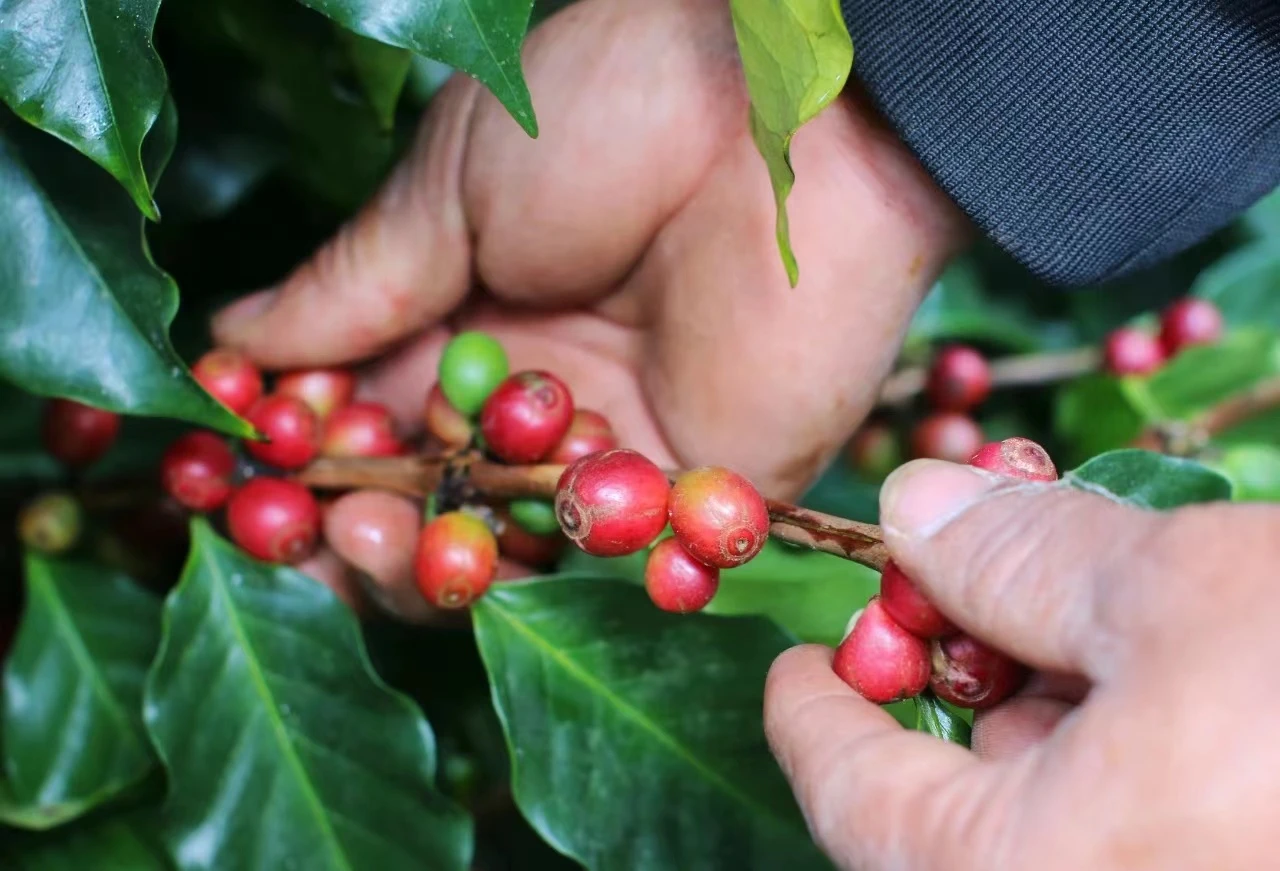
This Strawberry Sugar Geisha Blend consists of 50% Geisha and 50% ET47, SL28, and MAICO, all sourced from the same region within the Mirasu Estate, thus classified as a single-origin coffee. ET47 and SL28 are rust-resistant research varieties introduced by the Costa Rican Coffee Institute in the 1990s. SL28, inheriting Bourbon genetics, is low-yielding but distinguished by its copper-colored leaves, broad bean-like appearance, and outstanding sweetness with citrus and dark plum notes. Geisha contributes fresh jasmine floral aromas, complemented by the berry flavors of the other varieties. The raisin honey process further enhances its sweetness.
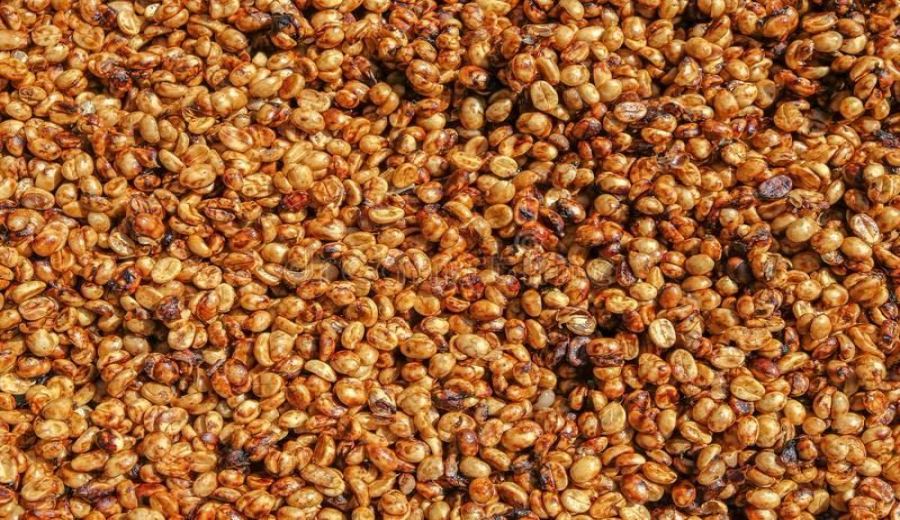
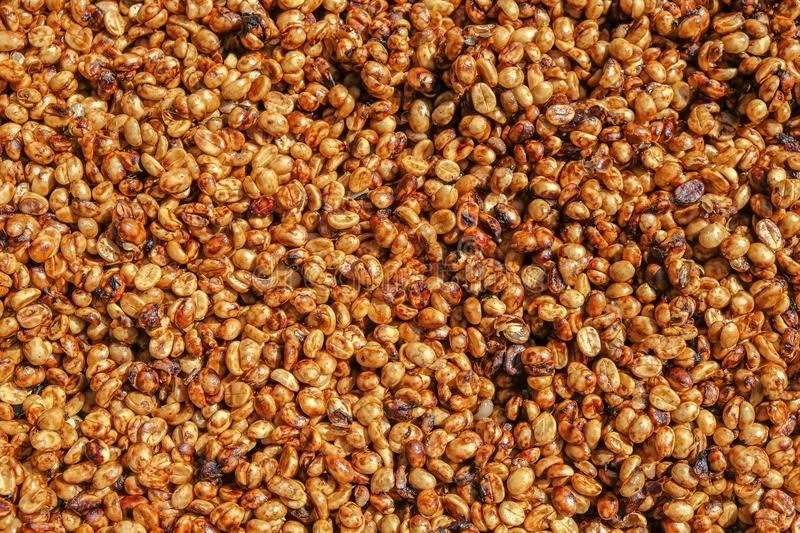
The raisin honey process retains 100% of the fruit mucilage without water washing, demanding precise timing control. On harvest day, beans are first floated in water tanks to remove unripe or overripe ones, then the selected coffee cherries are dried on raised beds for at least three days before the cherry skins are removed to retain the mucilage during drying. This process requires frequent stirring to ensure even drying while avoiding over-fermentation. Climatic conditions are key to success; moderately slow drying imparts a white-wine-like acidity and intense fermented aroma.
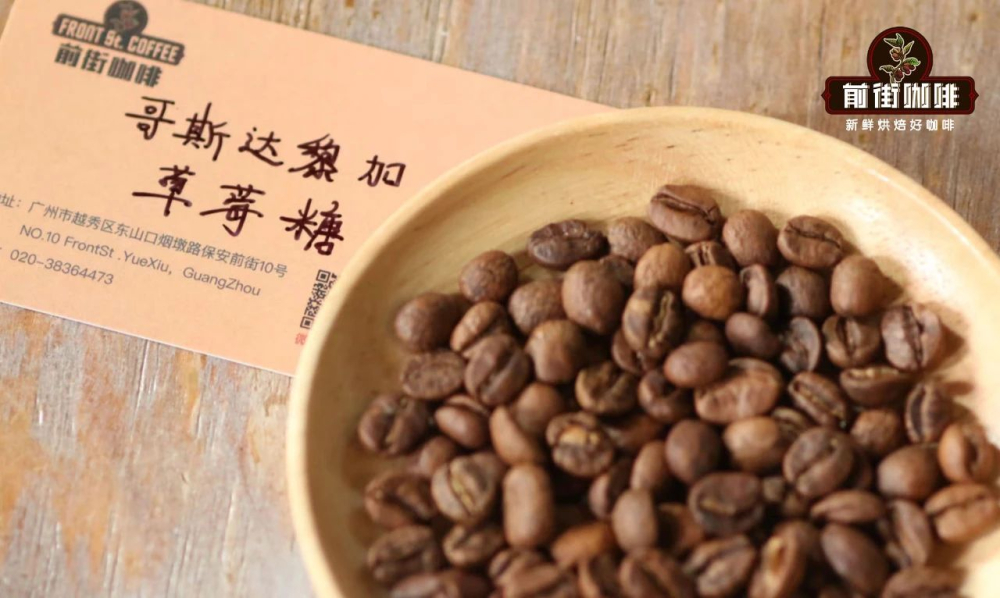
For this batch of Strawberry Sugar Geisha coffee, the roaster opted for a medium-light roast to highlight floral and fermented sweetness. The roast was performed using a Yangjia 800N semi-direct-fire roaster with a 300g charge. Preheated to 200°C, the drum was cooled to 175°C before dropping the beans, starting with a flame setting of 120 and air damper at 3. After the turnaround point at 1’32”, the flame was maintained. At 114°C, the air damper was adjusted to 4. Yellowing and dehydration began at 6’15”. Flame power was reduced to 100 at 140°C. At 9’00”, the beans showed wrinkles and black speckles. First crack started at 10’25”. The air damper was fully opened to 5, and the roast finished at 193.5°C with a 1’30” development phase after first crack.
Cupping was conducted within 8–24 hours post-roast using 200ml ceramic bowls (marked with 150ml/200ml scales). Water with a TDS of approximately 150ppm at 94°C was used, with a grind size passing 70%–75% through a #20 sieve (1:18.18 powder-to-water ratio — 11g coffee + 200ml water). Dry aroma presented dried fruit and berry notes, transitioning to floral and berry in the wet aroma. Flavor layers included raisins, berries, nuts, and creamy textures, aligning with the Golden Cup extraction concentration range of 1.15%–1.35%.
Pour-over recommendation: Use water at 90–91°C, EK43s grind setting 10 (granulated sugar size), and a 1:15 powder-to-water ratio (15g coffee). Without a sieve, observe flow speed — too fast indicates coarse grind, too slow means too fine. Method: First, pour 30g water for a 30-second bloom. Then pour 95g water (total ~125g) over ~1 minute. When the water level drops to 2/3 of the coffee bed, add the remaining 100g water (total ~225g) over ~1 minute 40 seconds. Complete dripping between 1’55"–2’00". Extraction flavors include jasmine floral notes, upfront strawberry and raisin sweetness, and a lingering finish of strawberry candy and nutty creaminess.
The above content is compiled by CoffeeHunters, a coffee news website.


