







Introduction:Both Jamaican Blue Mountain and Indonesian Golden Mandheling are renowned for their low acidity and rich body, yet they exhibit distinctly different coffee personalities due to differences in origin, variety, and processing methods. This article delves into the key distinctions between these two classic coffees, covering bean variety origins, regional environments, processing techniques, and brewing recommendations. It also unveils the trademark background and grading standards of Golden Mandheling, helping you make a choice based on your flavor preferences.
In the world of specialty coffee, Blue Mountain and Mandheling are often seen as the two leading representatives of “non-acidic” coffee, but their backgrounds, flavor profiles, and processing methods differ greatly. The former originates from the high-altitude regions of Jamaica and is of the Typica variety, known for its balanced and elegant taste. The latter is rooted in Sumatra, Indonesia, and owes its rich, low-acid, herbal character to the unique wet-hulling process. By comparing their varietal characteristics, regional backgrounds, processing methods, and brewing advice—and analyzing the origins of Golden Mandheling’s trademark and grading standards—we can better understand the fundamental differences between these two classic coffees.
Many coffee enthusiasts seeking “non-acidic coffee” often turn to Mandheling or Blue Mountain. In fact, the reason these two coffees are so popular is precisely because of their extremely low acidity, with flavors centered around richness, sweetness, and aroma. There are numerous cases of customers specifically requesting these beans simply because they “don’t like acidic flavors.”
The mainstream varieties of specialty coffee globally belong to Arabica, which boasts excellent aromatic qualities and lower caffeine content, but is more susceptible to pests, diseases, and climate change, requiring stringent growing conditions. In contrast, Robusta, though more resistant to disease and higher yielding, is often criticized for its bitter, harsh taste and is mostly used in instant coffee. The introduced Blue Mountain coffee uses the oldest Arabica variety, Typica—its young leaves have a bronze tip, the beans are slightly oval or pointed, and the trees grow upright with branches tilting outward at about 50 to 70 degrees, hence it’s also called “red-top coffee.” Typica has opposite, long-oval leaves with smooth surfaces, white flowers bloom where the petiole meets the branch, and its flavor is elegant but yield is very low. The ripe fruit resembles cherries and is bright red in color.
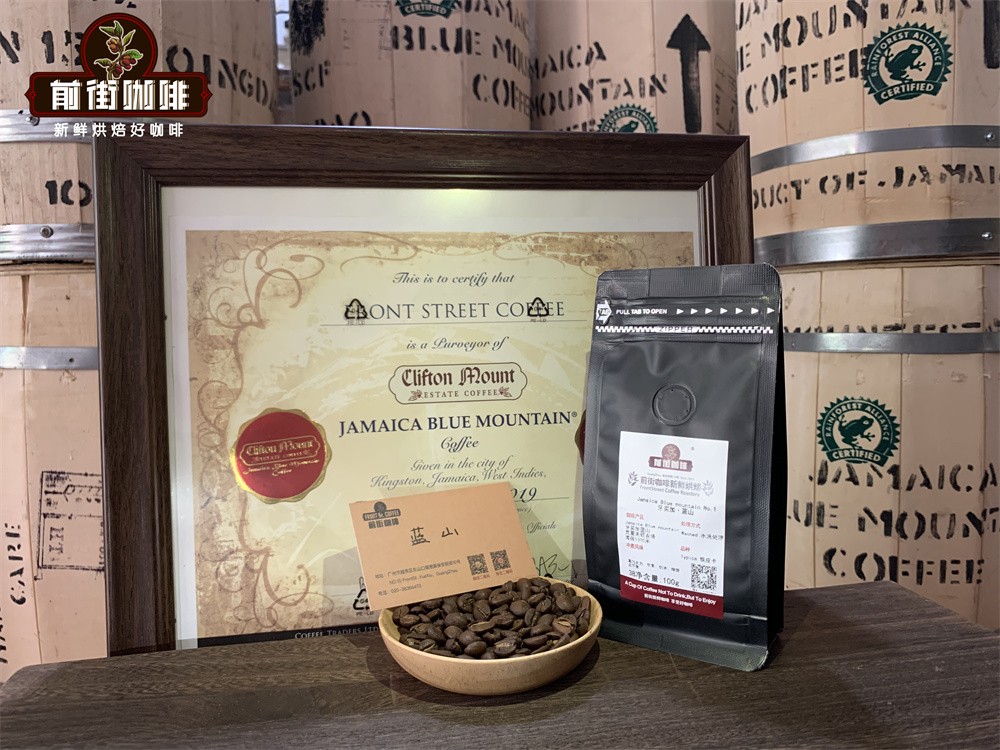
Jamaican Blue Mountain coffee is expensive not only because of its exceptional flavor, but also due to its scarce production, weak disease resistance, and strict quality control. Priced at 158 RMB per 100 grams, each batch of beans comes with a certificate issued by the Jamaica Coffee Industry Board, and the wooden barrels are stamped with a green frog logo. Notably, the beans are sourced from the Clifton Farm, which holds Rainforest Alliance certification, and Jamaica is the only producing region in the world that ships green beans in wooden barrels. True Blue Mountain No. 1 boasts a rich aroma and an exceptionally balanced taste, with sweetness, body, and acidity all harmoniously blended.
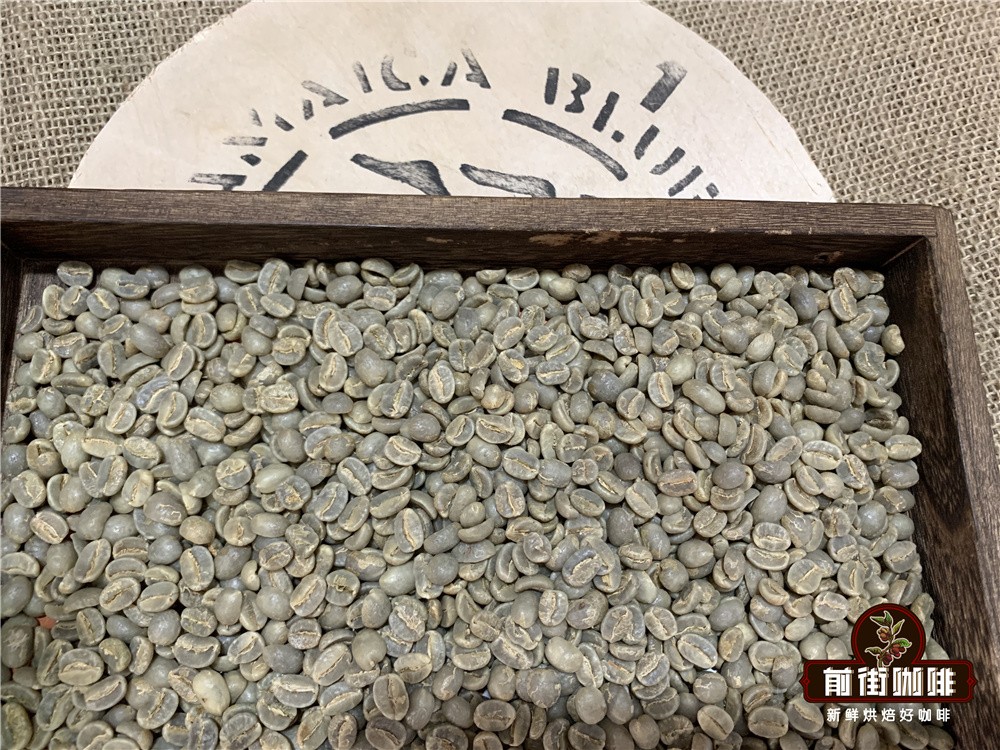
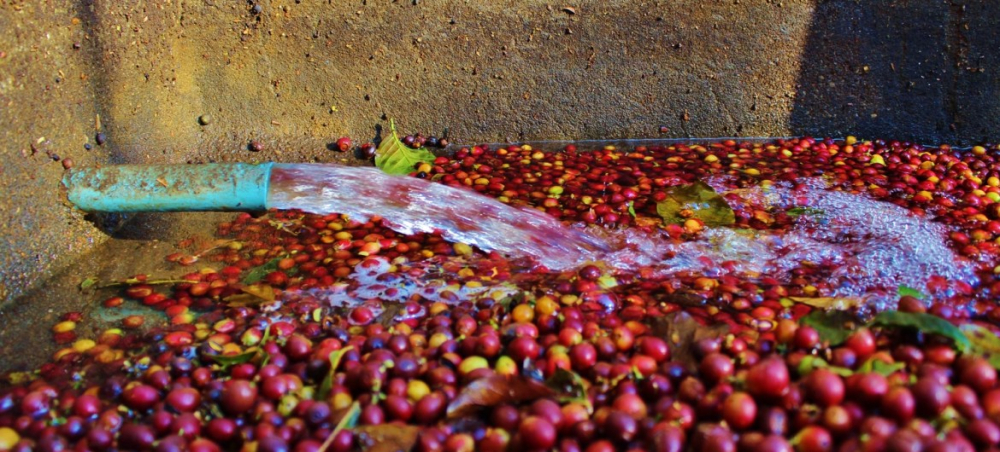
The processing method for Blue Mountain No. 1 has traditionally been washed—removing the skin, pulp, and mucilage through water flow and fermentation, which requires 12 to 18 hours of fermentation in continuously flowing water, followed by washing with friction between beans and water flow until smooth, with a moisture content of about 50%. Subsequently, it needs to be sun-dried to 12% to 14% for storage. Starting in 2020, the Blue Mountain region also began exporting No. 1 beans processed with the natural (sun-dried) method, which we were the first to introduce. Sun-dried processing can present different layers of flavor, but compared to washed, it places greater demands on the inherent quality of the beans and processing techniques.
Speaking of another representative of non-acidic coffee—Mandheling—the story originates from Japanese soldiers who, after ending Indonesia’s colonial period, couldn’t forget the local coffee. Legend has it that they asked locals to collect high-quality beans, but due to commercial confidentiality, the name couldn’t be revealed, so the locals casually responded with “Mandheling.” The name stuck as the subsequent 15 tons of beans became hugely popular in Japan. Our Mandheling options include Lintong Mandheling, Sumatra Tiger Mandheling, and Golden Mandheling, all of the Arabica Typica variety, grown in the Lintong region around Lake Toba in northern Sumatra.
Indonesia is the producing region with the highest proportion of Robusta globally (about 90%), with only 10% of Arabica concentrated in high-altitude areas of Sumatra, such as Lake Toba Lintong, Gayo Mountain in Aceh, and Sulawesi. There are two main harvest seasons locally: the primary season is from September to October, and the secondary season from May to June. Lintong, the most famous Mandheling-producing area in the Lake Toba region, employs the wet-hulling process, resulting in characteristics of low acidity, richness, and a subtle herbal aroma. Notably, during the wet-hulling process, semi-hard and semi-soft moist green beans are prone to being damaged, forming what is called “elephant dung beans” due to their hoof-like shape—a distinct hallmark of Mandheling.
The origins of the name Golden Mandheling are varied, with some saying it’s because the beans glisten golden under sunlight, but the key lies in its trademark rights. This name is registered by Indonesia’s PWN company (Pwani Coffee Company), and only beans produced by this company can be called “true Golden Mandheling.” PWN is a well-known Mandheling purchasing enterprise in Indonesia, sourcing from the best producing areas and conducting multiple rounds of manual hand-sorting of green beans, selecting only plump, flawless beans of size 18 or above with fewer than 3 defects (in a 300g sample) of G1 grade. We insist on selling only PWN’s Golden Mandheling, as it undergoes rigorous screening—not only free from the earthy off-flavors common in regular Mandheling, but also with more pronounced sweetness and a clean, bright taste.
The bean variety of Golden Mandheling is Ateng (the Indonesian colloquial term for Catimor), grown in the Gayo Mountains of Aceh, North Sumatra. Indonesia’s wet-hulling process (Wet Hulling) is key to shaping the Mandheling flavor—due to the region’s humid climate (annual humidity 70%-90%, rainfall up to 2000mm), coffee drying is difficult. The wet-hulling process removes the parchment while the moisture content of the green beans is still as high as 20%-24%, accelerating the drying speed (2-3 times faster than washed), but this also easily leads to elephant dung beans. Although this processing method may affect quality stability, it unexpectedly creates a unique flavor profile of low acidity, thickness, and herbal spices.
For brewing recommendations, we suggest using freshly roasted coffee beans (shipped within 5 days of roasting) and allowing a 4-7 day rest period. For rich-style coffees like Golden Mandheling and Blue Mountain, you can use the Kono filter: set the water temperature to 88°C, 15g of coffee, a 1:15 coffee-to-water ratio, medium grind (70% through a #20 sieve). The extraction is done in three stages—first, blooming with 30g of water for 30 seconds, then pouring in a small circular motion up to 125g for the first pour, pouring again to 225g as the water level drops, with a total time of about 2 minutes and 10 seconds. These parameters highlight richness and aroma layers.
In terms of flavor profile,Washed Blue Mountainfeatures black chocolate and nuts as the main notes, with a creamy-smooth mouthfeel and a balanced acidity, sweetness, and bitterness;Golden Mandhelingshowcases a combined flavor of nuts, spices, herbs, licorice, and caramel, with a clean and gentle profile;Lintong Mandhelingcenters around herbal, chocolate, and caramel notes, with an overall more balanced flavor. No matter which style you prefer, trying coffees from different regions and processing methods can help you gain a deeper understanding of coffee’s diverse charm.
The above content is compiled by CoffeeHunters, a coffee news website.


