







Introduction:Dive into the unique charm of Sumatra Mandheling coffee, from the regional differences between Golden Mandheling and Lintong Mandheling, to the key steps of the wet-hulled processing method, and how to bring out its rich body through the correct pour over parameters. This article explains the story behind the pattern on Starbucks’ Sumatra coffee packaging and provides professional extraction recommendations to help you savor the true essence of Indonesian coffee.
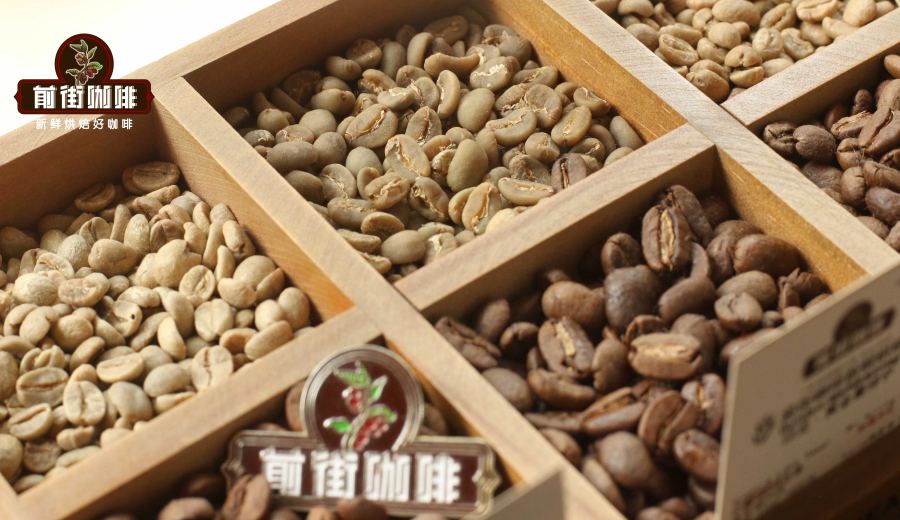
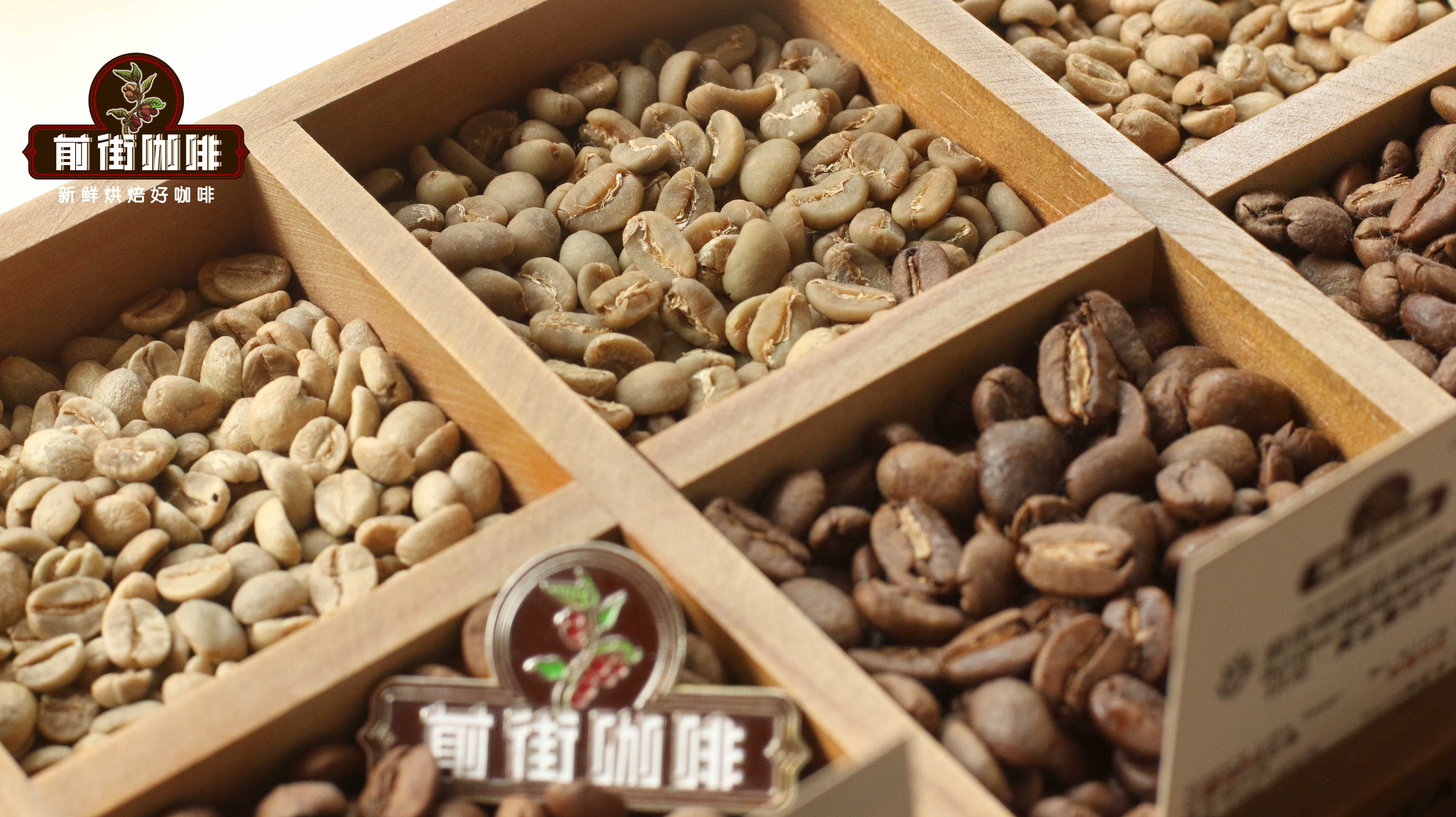
Sumatra coffee is a classic representation of Indonesian coffee, with Mandheling being globally renowned for its low acidity, full body, and distinctive herbal and nutty notes. The formation of these flavors is closely related to the region’s uniquewet-hulled processing method. This method involves first removing the skin and pulp, followed by a short fermentation and sun drying period, then scraping off the mucilage and parchment layer while the beans are still at a higher moisture content. This allows for rapid drying, ultimately resulting in its dark greenish appearance and complex flavor profile.
The appeal of Mandheling lies in its distinctive character. Compared to the bright fruitiness of Ethiopian beans or the floral-fruity notes of Geisha, Mandheling stands out with its intense herbal, spicy, and caramel aftertaste. It has low but rich acidity and was once hailed as the coffee with the highest body in the world. Its main export markets—Germany and Japan—also reflect its consistent quality and widely appreciated flavor.
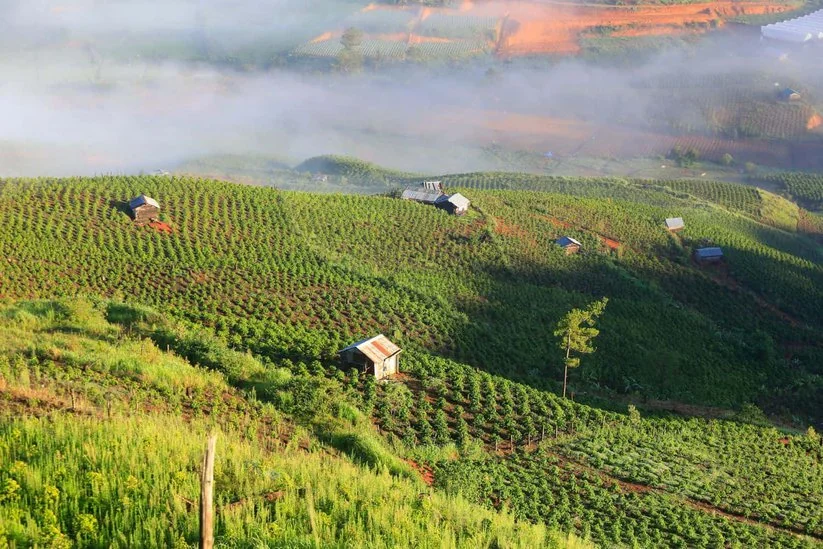
Sumatran Mandheling is mainly divided into two major producing regions: the northernGolden Mandhelingand the southernLintong Mandheling, located around Lake Tawar and Lake Toba respectively, often referred to as the “Two Lakes, Two Mandhelings.” Golden Mandheling is exclusively produced by Indonesia’s PWN company, limited to G1 grade beans that have undergone three rounds of manual selection with a screen size of 18 or above, and features an extremely low defect rate. This results in a clean, bright cup with pronounced sweetness. On the other hand, Lintong Mandheling comes from the highland areas around Lake Toba and represents traditional Mandheling flavors, featuring unique earthy and muted herbal notes, making it ideal for everyday drinking.
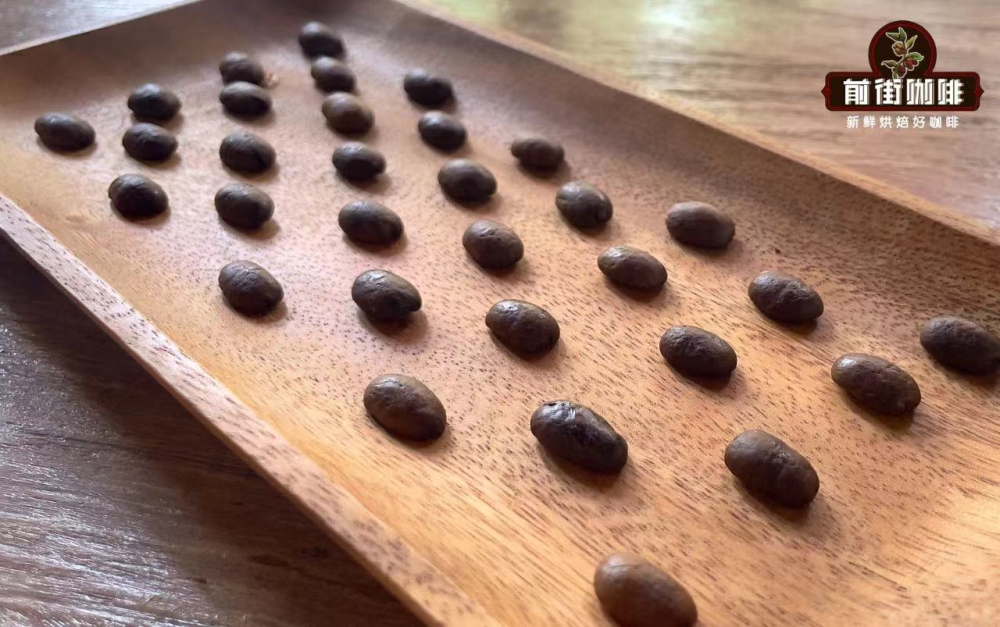
It is worth noting that “Golden Mandheling” is a registered trademark of the PWN company. Many products on the market that claim similar names may use comparable grades and processing methods, but differ in terms of selection precision and consistency. Authentic Golden Mandheling from PWN undergoes strict quality control at every step—from harvesting and semi-washed processing, to sun drying and multiple rounds of manual sorting—to ensure a pure flavor profile with caramel sweetness and chocolatey finish. It is the top choice for coffee aficionados.
In terms of extraction, to highlight the rich characteristics of Golden Mandheling, it is recommended to use aKONO filter. Its conical design evenly distributes water flow, reduces sediment, and improves airflow, resulting in more focused coffee flavors. The optimal water temperature is88°C[temperature not provided] ; too high may lead to over-extraction and bitterness. The recommended powder-to-water ratio is1:15[ratio not provided] , with a grind size of approximately 70% passing through a Chinese standard No. 20 sieve, suitable for medium-dark roasts and medium-fine grind.
The specific pour over steps are as follows: start with a 30-second bloom using30 grams of water, then pour in a small, circular motion until reaching 125 grams for the first pour. After the water level drops, continue pouring to 225 grams. Finally, remove the filter when the water level is about to expose the coffee bed. The total extraction time is approximately2 minutes and 10 seconds, making it ideal for those who seek a full-bodied and balanced cup.
In summary, Sumatra Mandheling is not just a coffee—it is a representation that blends local processing techniques with terroir characteristics. Whether you prefer the intensity of dark roasts or the nuance of lighter profiles, understanding its origin, processing method, and suitable extraction parameters will allow you to better appreciate this Indonesian coffee gem.
The above content is compiled by CoffeeHunters, a coffee news website.


