







Introduction:Kenyan coffee is globally renowned for its vibrant acidity and complex layers, and the key to its distinction lies in two classic varieties: SL28 and SL34. This article systematically traces their development through genetic origins, flavor profiles, and modern grading standards, while also supplementing information on subsequent varieties such as Ruiru11 and Batian. Additionally, it provides roasting and pour over parameters for two representative Kenyan beans to help you deeply appreciate the unique charm of these “African gems.”
What sets Kenyan coffee apart in Africa’s specialty coffee regions is the two classic varieties, SL28 and SL34. They not only shape the bright acidity and rich complexity of Kenyan coffee but have also become benchmarks for coffee lovers worldwide. This article will begin with the origin and genetic background of the varieties, analyze the flavor differences between SL28 and SL34, and further introduce subsequent research and development varieties such as Ruiru11 and Batian. It will also explain Kenya’s evolution from traditional screen size grading to a comprehensive scoring system, and finally share roasting and pour over recommendations for two popular Kenyan beans.
The birth of SL28 is closely linked to the coffee variety improvement program promoted by the Kenyan government in the 1930s. At the time, the traditional Typica variety was weak in pest and disease resistance and poorly adaptable, making it difficult to sustain the long-term development of the coffee industry. To address this, Kenya established a specialized laboratory (later known as the “Scott Laboratory”), which systematically evaluated 42 coffee plants from various sources between 1935 and 1939, naming these selections with the laboratory’s initials “SL.”
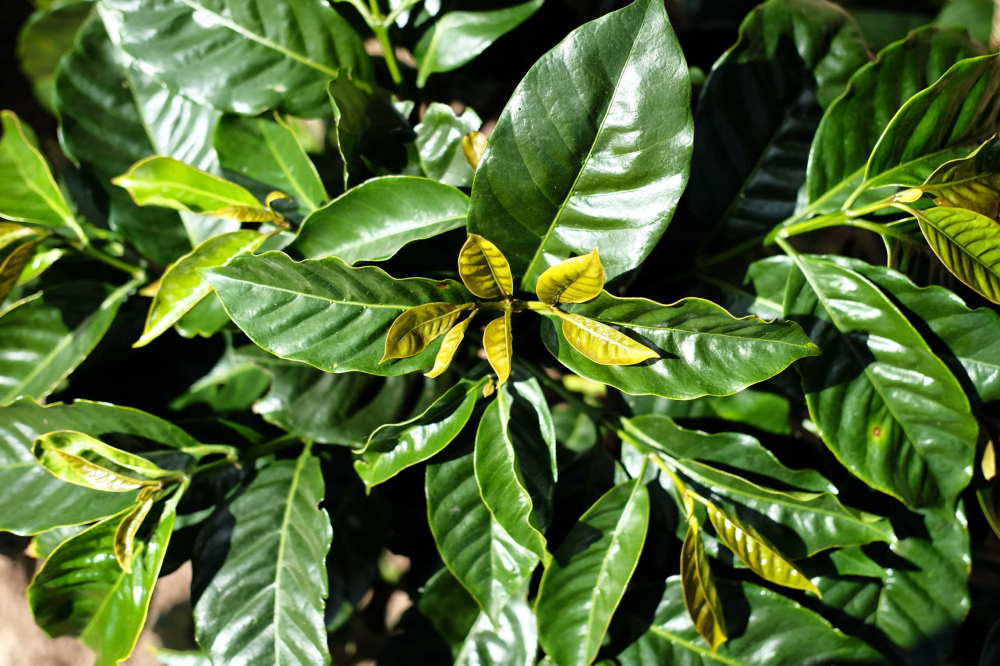
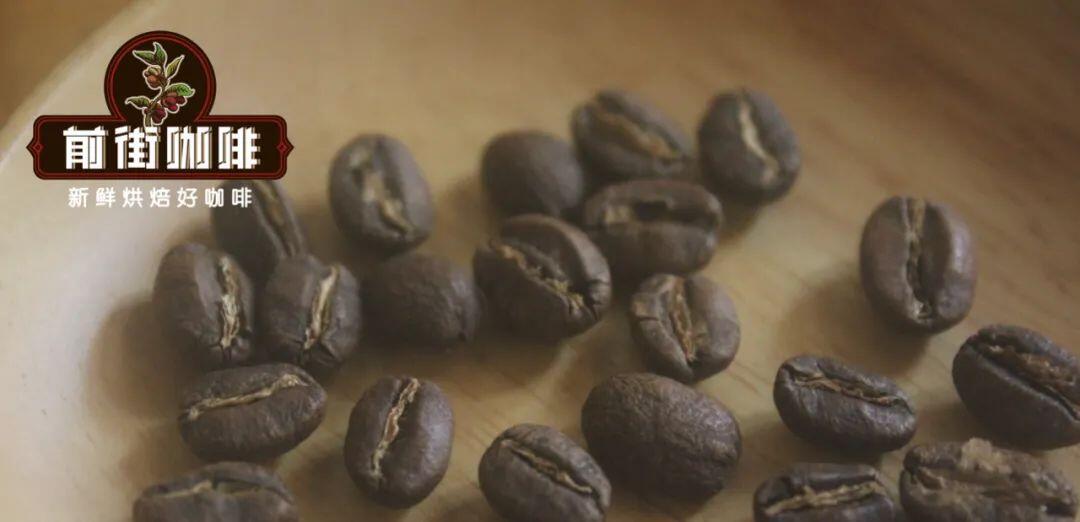
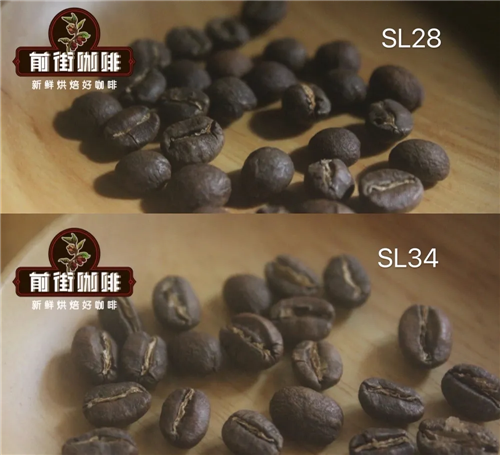
SL28 can be traced back to 1935 and originated from a drought-resistant tree species introduced from Tanzania (then called Tanganyika). Historical records indicate that breeder AD Trench discovered this variety in the Moduli region of Tanzania for its outstanding drought tolerance and disease resistance, and subsequently introduced it to Kenya for cultivation. Although its descendant, SL28, eventually replaced the original variety, SL28 remains one of Africa’s most representative coffee varieties today. Suitable for medium to high altitudes, it features strong drought resistance but is relatively susceptible to common diseases. Genetic testing shows that SL28 belongs to the Bourbon genetic group, with a round and full bean appearance similar to that of Bourbon.
The origin of SL34 is related to the “French Mission” (Bourbon variety) from the Loresho estate (Carbitrolleshaw). However, modern genetic testing confirms that it actually carries the Typica genetic group, and its plant characteristics are also closer to Typica, so it is generally believed that its selection source is Typica. The beans of SL34 are more elongated, oval-shaped, and slightly flattened on the sides, which aligns with the typical characteristics of Typica.
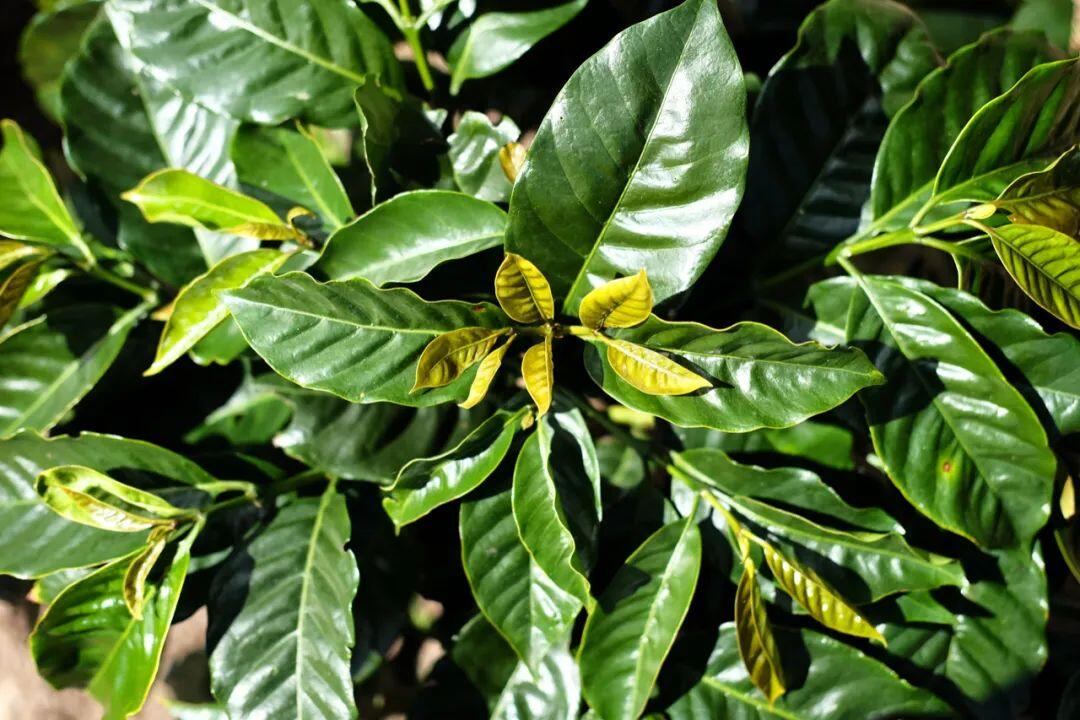
In terms of flavor profile, although SL28 and SL34 share similarities, there are clear differences. SL28 is highly reputed for its complex flavors with iconic citrus and black plum notes, balanced sweetness, and is characterized by copper-colored leaves and bean shapes resembling fava beans. In contrast, SL34 has a larger yield, is grown at slightly lower altitudes, and offers a richer, fuller mouthfeel with higher cleanliness, carrying more Typica lineage. The industry often blends the two to balance flavor and yield.
Ruiru11 is a research outcome following SL28 and SL34. In the 1970s, Kenya began focusing on developing varieties resistant to CBD (coffee leaf rust) and CBD (coffee berry disease), and Ruiru11 was officially released in the 1980s. This variety features high yield and disease resistance, and was once seen as an ideal solution to Kenya’s coffee production challenges.
Batian is Kenya’s latest variety, launched by the Coffee Research Institute (CRI) in 2010. Based on the experience of Ruiru11, it was further improved to be genetically closer to SL28, with the influence of Robusta varieties eliminated, thereby significantly enhancing cup quality.
Kenya’s coffee bean grading system is unique, primarily based on bean size, with common grades including AA, AB, and PB. Many people mistakenly assume that AA grade beans always taste better than AB, but in reality, this grading standard only reflects bean size. AA beans are sized 17 to 18 mesh, AB beans are 15 to 16 mesh, and PB refers to peaberry beans, which make up about 10% of total production. Notably, flavor differences among regions depend more on altitude, growing conditions, and other factors rather than just the grading.
Kenya’s traditional grading standards date back to 1938, 40 years before the concept of “specialty coffee” emerged. In addition to size grading, a more comprehensive scoring system is now used, evaluating aspects such as green bean appearance, roasted bean condition, and cup quality—including acidity, body, flavor, and negative defects—on a scale from 1 to 10, with 1 being the highest.
In processing methods, Kenya’s famous K72 washed process can fully showcase the coffee’s bright acidity and layered complexity. Taking two popular beans as examples: one is a Kenyan small tomato-flavored bean produced in the Asali region, grown at an altitude of 1550–1750 meters, using the SL28 and SL34 varieties and undergoing 72-hour washed processing, featuring flavors of Asian pear, black plum, brown sugar, cherry tomato, and plum; the other is a high-altitude-grown peaberry PB bean processed via washed method, the Kenyan Sасhini PB coffee bean, which presents a rich and full-bodied character.
For roasting parameters, the small tomato coffee bean is recommended to be lightly roasted to highlight its bright acidity: using a Yangjia 800N semi-direct-fire roaster, charge temperature 160°C, air vent 3, flame 120, turning point 1’28”, yellowing point around 6’00”, first crack at 9’28”, development time 2’20”, and final drop temperature 193.8°C. The Sachini PB coffee bean, due to its harder bean texture, requires a higher temperature rise: charge temperature 170°C, flame 100, air vent 3, turning point 1’42”, yellowing point around 5 minutes, first crack at 8’20”, development time 1’50”, and drop temperature 193.3°C.
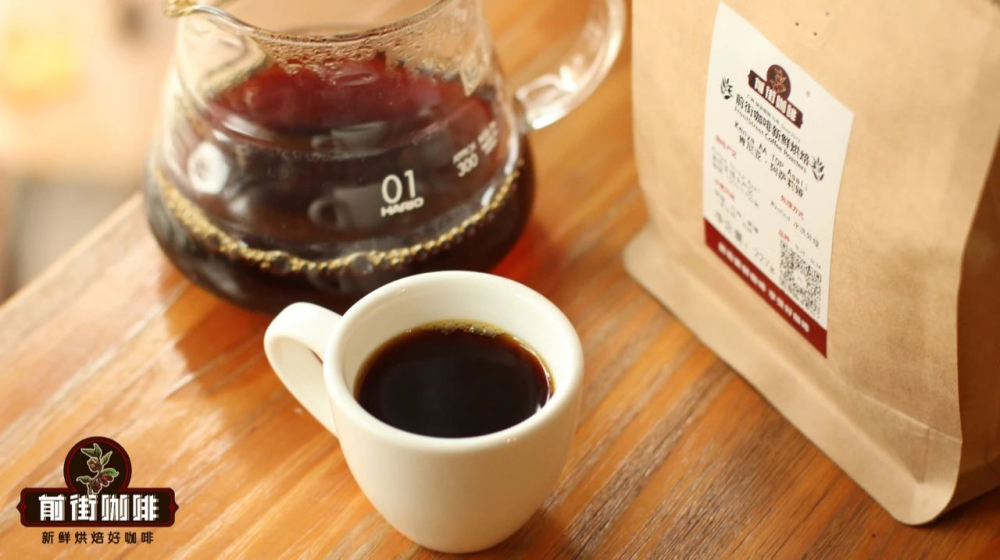
For pour over, it is recommended to use a V60 or a cake dripper, water temperature 90–91°C, coffee-to-water ratio 1:15, and grind size at 80% passing through a Chinese standard No. 20 sieve (fine grind). Use a staged extraction method: 30 grams of water for blooming for 30 seconds, then circle-pour with small streams of water up to 124 grams for the first stage, continue pouring up to 228 grams and stop. Total extraction time is about 1’55”. These parameters can fully bring out the bright acidity, juiciness, and sweet finish of Kenyan coffee.
The unique charm of Kenyan coffee stems from the genetic foundation of SL28 and SL34, a rigorous grading system, and the refined presentation of washed processing. Whether you are a novice or a seasoned coffee enthusiast, gaining a deeper understanding of these varieties and processing details will allow you to experience more layers and flavor stories during tasting.
The above content is compiled by CoffeeHunters, a coffee news website.


