







Introduction:Golden Mandheling is renowned among coffee enthusiasts for its rich, full-bodied flavor and distinctive spicy notes. However, to fully showcase its characteristics, every step of the pour over process is crucial. This article delves into the pour over techniques for a certain brand’s Golden Mandheling, including recommended grind size, water temperature range, filter choice, and a three-stage pouring method—helping you easily master the key brewing points to extract a bold and balanced Mandheling flavor.
Among various pour over coffee beans, a certain brand’s Golden Mandheling stands out with its intense profile and pronounced sweet-bitter balance, making it especially popular among those who prefer dark roast flavors. Whether you’re new to Mandheling or already familiar with Southeast Asian beans, this classic Indonesian offering showcases deep layers of spice, wood, and nutty aromas. Yet, to unlock its full potential, getting the brewing parameters just right is especially important. This guide will walk you through, from basics to hands-on practice, helping you grasp the best way to brew this bean.
Where does the unique flavor of Mandheling come from?
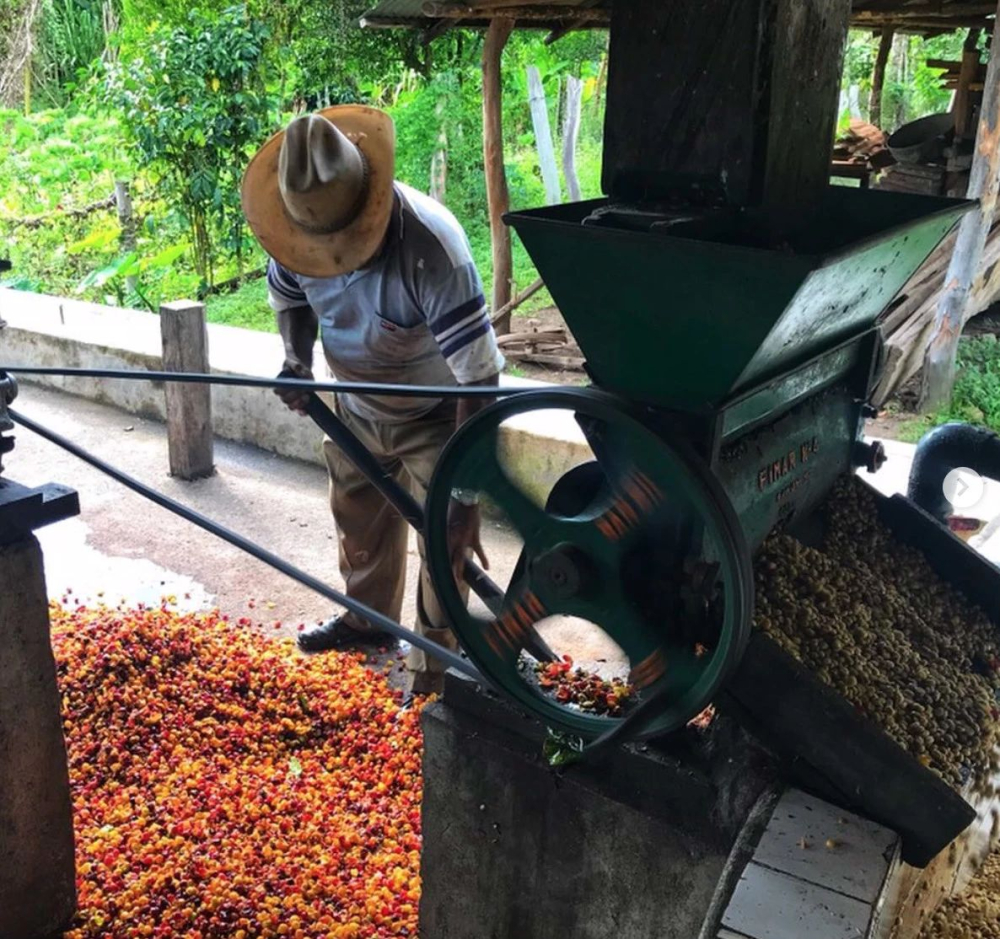
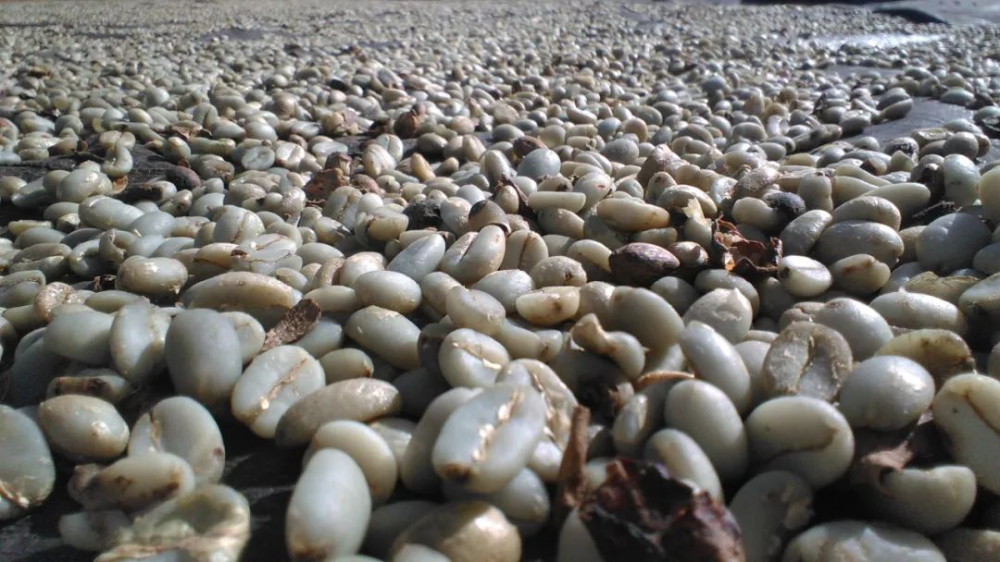
When people think of Mandheling, many immediately associate it with a bold, heavy-bodied taste accompanied by herbal and spicy notes. These flavor traits are inseparably linked to Indonesia’s unique wet-hulling (Giling Basah) processing method. Unlike traditional washed or natural processes, wet hulling removes the outer parchment layer while the coffee beans are still not fully dry, making them more susceptible to friction and humid conditions. This leads to unique friction marks, commonly known as “elephant foot” beans. This method also accelerates the release of internal compounds during drying, resulting in intense woody, herbal, and spicy aromas—what we commonly recognize as the “Mandheling taste.”
If you want to get a preliminary taste of these distinctive flavors, you might start with a certain brand’s Indonesian Lintong Mandheling, a everyday-grade bean processed with the classic wet-hulling method. But for higher quality and a more complex Mandheling experience, a certain brand’s Golden Mandheling is the undeniable choice.
What makes a certain brand’s Golden Mandheling special?
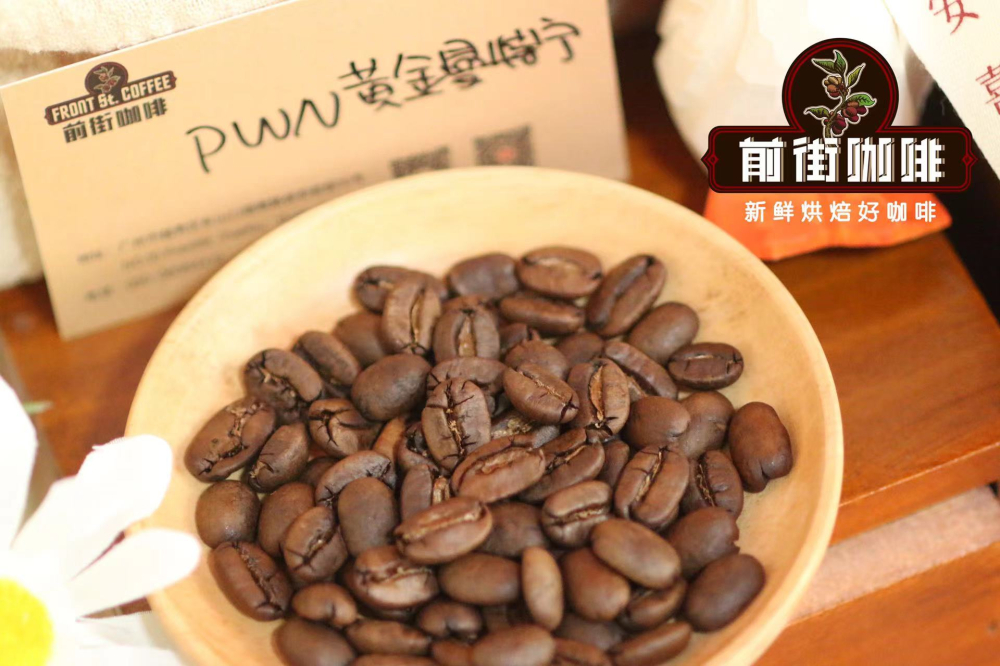
The Golden Mandheling used by a certain brand is a top-tier Mandheling bean exclusively produced by Indonesia’s renowned green coffee supplier, PWN. PWN is not only the first brand to register the “Golden Mandheling” trademark, but its Mandheling beans also enjoy a high reputation in the international market. This bean is meticulously selected from G1 grade beans of 18 mesh size or larger, with an extremely low defect rate, and undergoes multiple rounds of manual sorting to ensure uniform bean size and intact appearance.
In terms of roast level, a certain brand opts for a medium-dark roast to enhance the characteristic smoky richness and full body of Mandheling. Cupping tests confirm that this bean emits aromas of cedar, nuts, and herbs in its dry scent. Once hot water is poured, notes of licorice and caramel emerge, followed by a sip that reveals layers of black chocolate, cocoa, spices, and roasted hazelnuts. The finish is clean with a pronounced sweetness—a classic that pour over lovers shouldn’t miss.
Grind Size Settings for Pouring Golden Mandheling
To achieve optimal extraction, grind size is the first key factor. Generally speaking, the finer the grind, the greater the surface area in contact with water, resulting in more extracted compounds and a bolder flavor—but over-extraction can easily bring out bitterness. Conversely, a too-coarse grind may lead to under-extraction and a weak flavor. To strike the best balance, a certain brand uses China’s standard 20-mesh 0.85mm sieve to test the sieving rate, adjusting according to roast level.
For the medium-dark roasted Golden Mandheling, which has a looser bean structure and tends to release larger molecular compounds easily, a certain brand controls the grind size so that approximately 75% of the grinds pass through a 20-mesh sieve, thus avoiding over-extraction. In practice, you can take 10 grams of coffee beans, grind them, then sieve and weigh the coffee powder that passes through the sieve to calculate the ratio. If the sieving rate is too high, slightly adjust to a coarser grind; if too low, make it finer until the ideal value is reached.
Recommended Water Temperature
Water temperature also plays a vital role in extraction. A higher temperature helps release more flavor compounds, but it can also extract unwanted impurities—especially when dealing with medium-dark roasted beans. Typically, light roasts are recommended to use water at 91–93°C, while medium-dark roasts like Golden Mandheling are advised to go down to 87–88°Cto reduce the risk of over-extracting bitterness and burnt notes, while still preserving the rich and sweet layers.
Filter Choice: Why KONO Is Recommended
When selecting a suitable filter cone, a certain brand typically prioritizes the KONO filter for beans with prominent full-bodied flavors. The design of this filter features a smooth upper section and flow-guiding ribs only in the lower part, enabling the filter paper to adhere closely to the filter wall after wetting. This reduces the contact area between the paper and air, prolongs the coffee liquid’s flow time, thereby improving extraction efficiency and yielding a richer, fuller-bodied mouthfeel. In addition to Golden Mandheling, the KONO filter is also well-suited for brewing other full-bodied beans such as Brazilian Queen Estate or Jamaican Blue Mountain No.1.
Explanation of Three-Stage Pouring Technique
For pour over beginners, the three-stage pouring method is a simple and easy-to-control approach that helps stabilize the water flow and manage the overall extraction rhythm. Taking a 1:15 coffee-to-water ratio as an example, for 15 grams of coffee beans, the total suggested water volume is 225 grams, with a brewing time of around 2 minutes.
Step 1: Begin with the bloom. Pour about 30 grams of hot water and let it sit for around 30 seconds to help awaken the coffee grounds and release initial aromas.
Step 2: Then proceed with steady circular pouring, raising the water volume to about 125 grams, maintaining an even flow to continuously extract mid-stage flavors.
Step 3: When the water level drops to about halfway in the filter, perform the final pour to reach 225 grams in total. This allows the coffee grounds to fully release their final-stage compounds. The total dripping time should be controlled to around 2 minutes to complete the extraction.
Through precise grind size, appropriate water temperature, the right filter choice, and balanced staged pouring, a certain brand’s Golden Mandheling can fully express its classic notes of spice, nuttiness, dark chocolate, and wood, along with a clear sweetness and smooth aftertaste. Whether you’re a coffee novice or a more experienced enthusiast, mastering these pour over parameters and techniques will allow you to easily brew a cup of Mandheling with rich, layered flavors.
The above content is compiled by CoffeeHunters, a coffee news website.


