







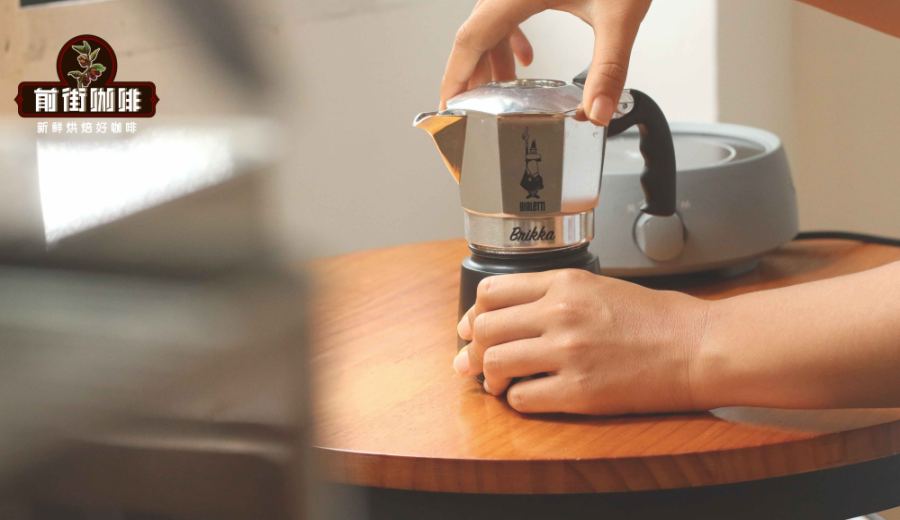
Introduction:The moka pot is a classic home brewing device for making espresso-like coffee. It's simple to use but often leads to issues like uneven extraction or over-extraction resulting in bitterness. This article delves into the moka pot’s three-part structure and pressure brewing mechanism, explains the characteristics of medium to dark roast beans that work best, and provides methods for determining coffee grind size along with practical adjustment tips. It also highlights the safety function of the pressure relief valve, analyzes common causes of over-extracted bitterness, and helps coffee enthusiasts master the key to stable extraction—brewing moka pot coffee with balanced flavors.
The moka pot is a common tool for many home coffee lovers, allowing them to brew strong coffee without expensive equipment. However, in practice, many encounter problems such as choosing the wrong coffee beans, using an unsuitable grind size, or over-extracting, which leads to bitterness. This article will thoroughly explain the operating principles of the moka pot, introduce its structural components, and explore how to select appropriate coffee beans and grind sizes—helping readers effectively avoid common mistakes and consistently brew flavorful coffee.
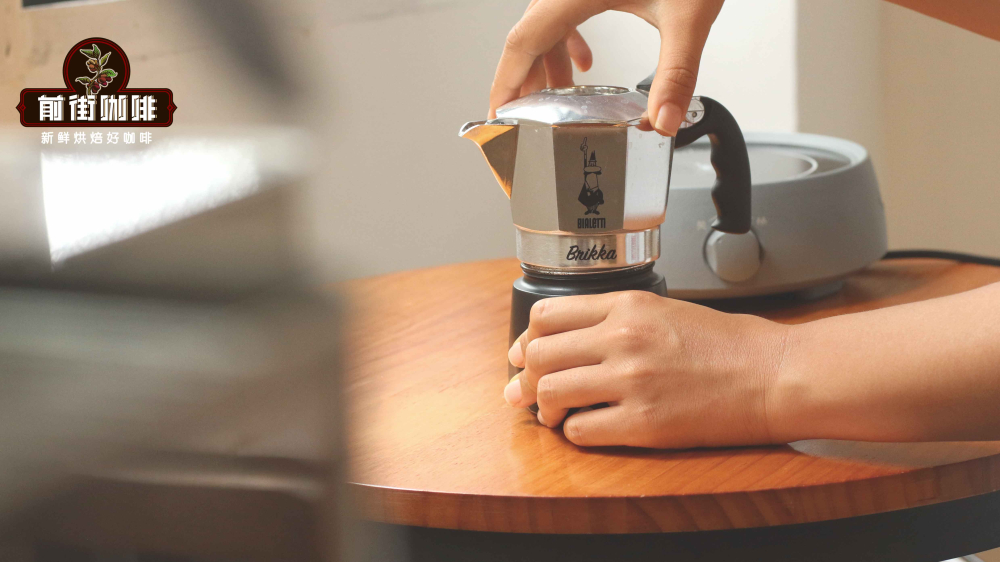
The moka pot mainly consists of three parts: the lower chamber that holds water, the middle filter basket that holds the coffee grounds, and the upper chamber that collects the brewed coffee. When heated, the water in the lower chamber gradually warms up and turns into steam, creating pressure that pushes the hot water through the coffee grounds layer and finally flows out through the upper chamber. This pressurized coffee extraction process is significantly different from typical drip brewing, thus placing special requirements on the choice of coffee beans and grind size.
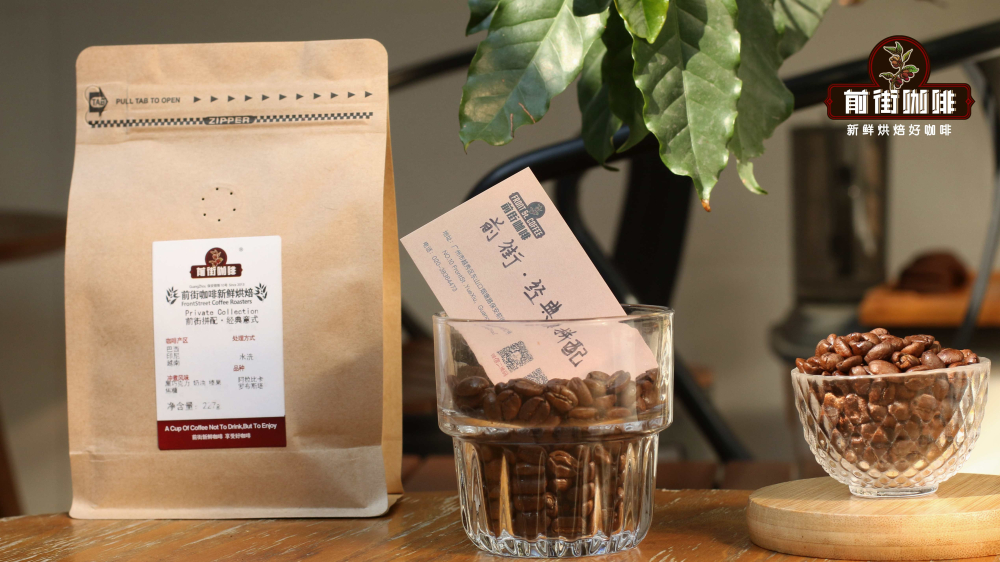
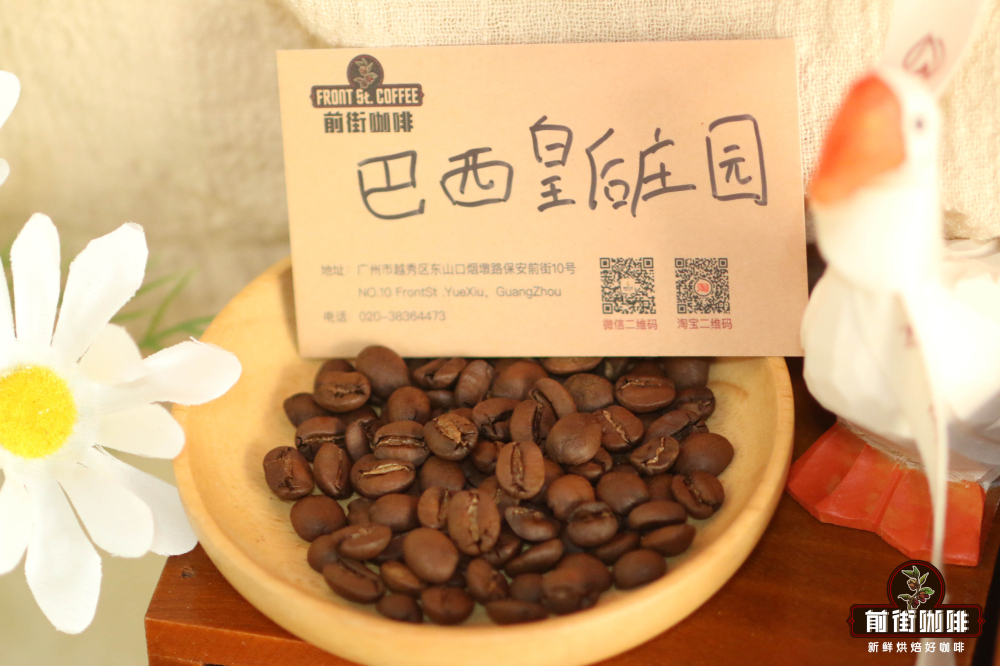
Compared to light roast beans, medium to dark roast coffee beans are more suitable for use in a moka pot. These beans undergo more caramelization during roasting, can withstand the high temperature and pressure of pressurized extraction, are less likely to produce overly sharp acidity, and instead can showcase rich, full-bodied flavors. For example, dark roasted blends often bring out intense cocoa and nutty notes, while medium to dark roasted single-origin beans may present a smooth texture reminiscent of chocolate and cream.
For those using a moka pot for the first time, it is recommended to try medium to dark roasted blended beans. These beans are not only beginner-friendly but also highlight the unique extraction charm of the moka pot. Additionally, selecting freshly roasted coffee beans within five days of roasting is particularly important, as coffee beans require a 4 to 7 day degassing period after roasting before entering their optimal flavor window. Using coffee beans older than two months often results in significant loss of aroma and flavor, making it difficult to achieve satisfying taste.

In terms of grind size, the coffee grounds for a moka pot should be similar to fine salt, with particle diameter between approximately 0.3 mm and 0.55 mm—slightly coarser than the very fine grounds used in espresso machines. Since it’s difficult to judge accurately by eye, it’s recommended to confirm whether the grind size is appropriate in two ways: one is by using a specialized particle size ruler for comparison, and the other is by referring to the texture of pre-ground moka pot-specific coffee. You can also adjust the grinder settings multiple times through actual brewing and observe the extraction results to find the most suitable grind coarseness.
If, during extraction, the coffee flows out in a fountain-like, rapid stream, it usually indicates the grind is too coarse, causing insufficient resistance as water passes through the coffee grounds. Conversely, if you hear a low-pitched gurgling sound but the coffee liquid rises very slowly, it may be because the grind is too fine—in which case, you should immediately turn off the heat and carefully remove the moka pot to prevent danger caused by excessive pressure.
During the heating process, the lower chamber of the moka pot is in a confined and small space, where steam accumulates and creates high pressure. Therefore, safety during operation must not be overlooked. Observing the design of the moka pot, you’ll notice a protruding pressure relief valve on the lower chamber, whose main function is to release excess pressure promptly when internal pressure abnormally rises (such as in cases of overly fine grind), preventing dangerous situations like explosions. Pay special attention to this safety feature when using the moka pot.
If over-extraction leads to excessively bitter coffee during brewing, it is usually related to two main factors. One is excessive brew liquid volume, which causes over-dissolution of coffee components—in which case, consider shortening the brew time or reducing the total brew volume to improve the result. Another reason may be that the coffee beans have lost their freshness. Regardless of the brewing method used, using freshly roasted coffee beans is key to ensuring flavor performance. It is recommended to avoid using coffee beans roasted more than two months ago to maintain optimal aroma and taste.
In summary, mastering the extraction principles of the moka pot, selecting appropriate coffee beans and grind size, and paying attention to safety during operation are key to brewing a cup of moka pot coffee with balanced flavors—neither over-extracted nor under-extracted. Through continuous practical adjustments and observation, every coffee enthusiast can find the extraction settings that best suit their taste and enjoy the pleasure of brewing rich coffee at home.
The above content is compiled by CoffeeHunters, a coffee news website.


