







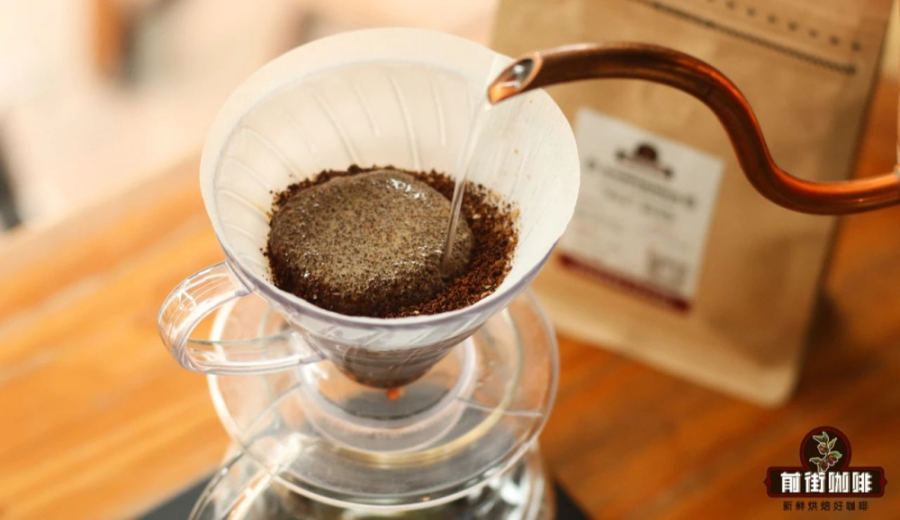
Introduction:For beginners to brew a delicious pour over coffee at home, besides mastering water flow and timing, it's equally essential to get everything right—from equipment selection to coffee-to-water ratio. This article provides a comprehensive breakdown of the eight core pour over tools, including practical recommendations and features of pour over kettles, filter cones, grinders, etc., and delves into six key extraction elements such as water temperature, grind size, and coffee-to-water ratio. It helps you consistently brew coffee with clear layers and distinct flavors, making it a must-read guide for advancing your pour over skills.
Brewing a great cup of pour over coffee at home not only requires skill but also the right equipment and scientifically set parameters. This article will introduce in detail the essential beginner tools, from pour over kettles, filter cones, and grinders to digital scales and filter paper, and deeply analyze the six core elements—water temperature, grind coarseness, coffee-to-water ratio, water quality, coffee beans, and brewing technique—to help every novice steadily master pour over skills and enjoy their own unique coffee flavor.
With the rise of specialty coffee culture, more and more people are trying to brew coffee at home by themselves. Compared to expensive and space-consuming espresso machines, pour over coffee not only has simple equipment and an affordable cost, but also offers great operational flexibility and easy control of variables, making it the preferred entry method for many coffee enthusiasts. By mastering the basic brewing process and key techniques, you can consistently extract surprisingly delightful coffee flavors.
The basic tools needed for pour over coffee can be roughly divided into eight categories: pour over kettle, filter cone, server, grinder, filter paper, digital scale, thermometer, and sieve. Each tool has its designed purpose and affects the final coffee outcome. Next, we’ll explain the function, material, and usage tips of each tool one by one.
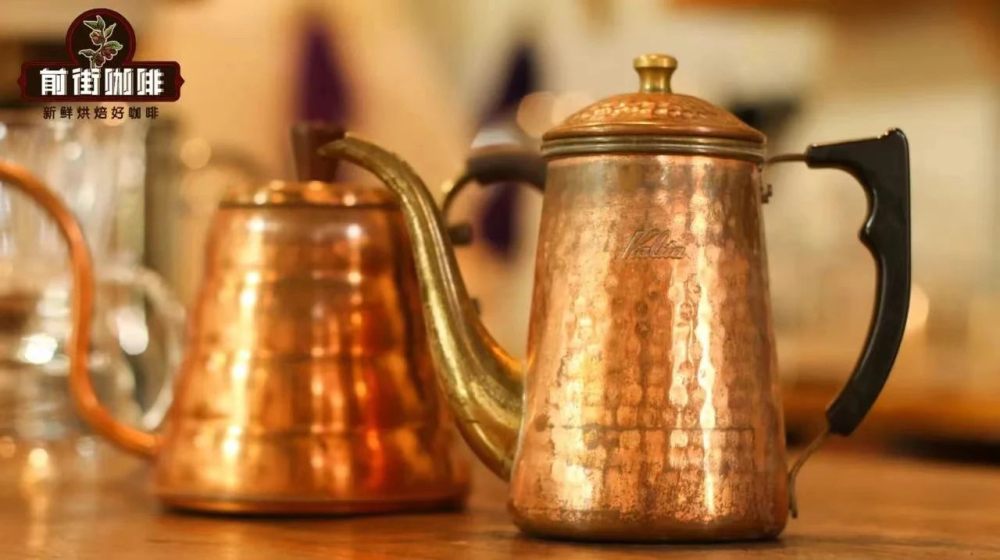
The 【pour over kettle】 is the core tool for controlling water flow, and the design of the spout greatly influences the stability and flexibility of pouring.It is recommended to choose a gooseneck spout kettle,such as the Bonavita temperature-controlled pour over kettle, which features an imported UK Strix temperature control system that can precisely maintain water temperature within ±1°C. Paired with a professional-grade gooseneck design, it allows flexible adjustment of water flow volume and pouring point. Another option, the Kalita goose-neck kettle, combines wood and stainless steel materials, offering both aesthetics and functionality, ideal for users who prefer a retro design. Additionally,the HARIO Buono kettleis made of stainless steel, suitable for various brewing methods. It can handle both small-stream drip brewing and immersion-style extraction, making it a versatile and practical choice.
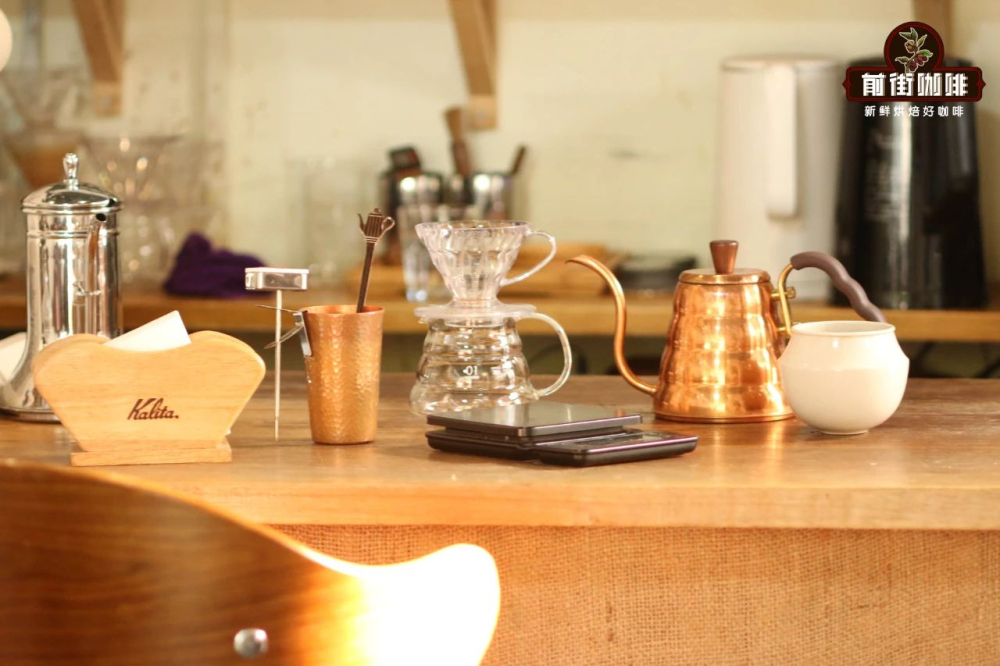
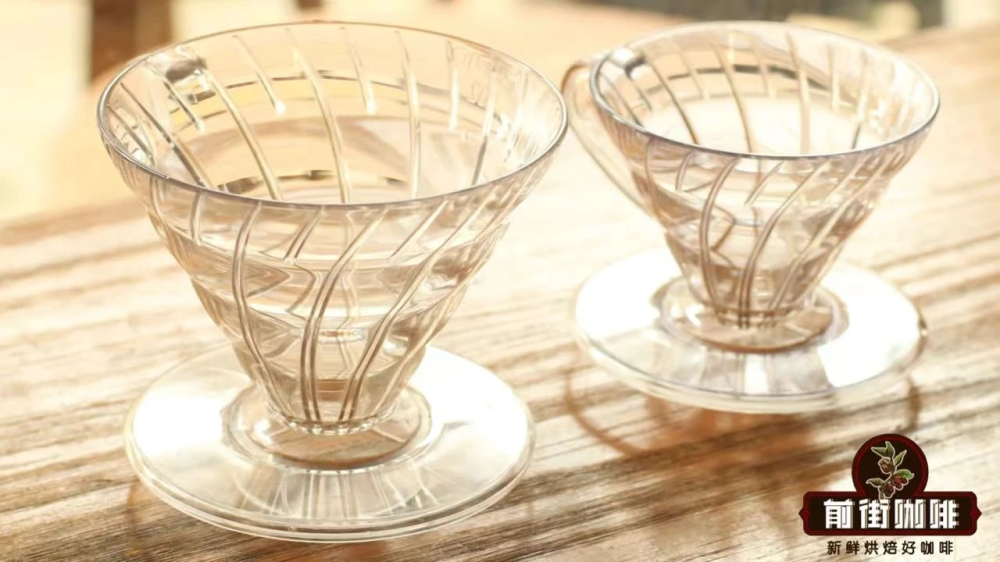
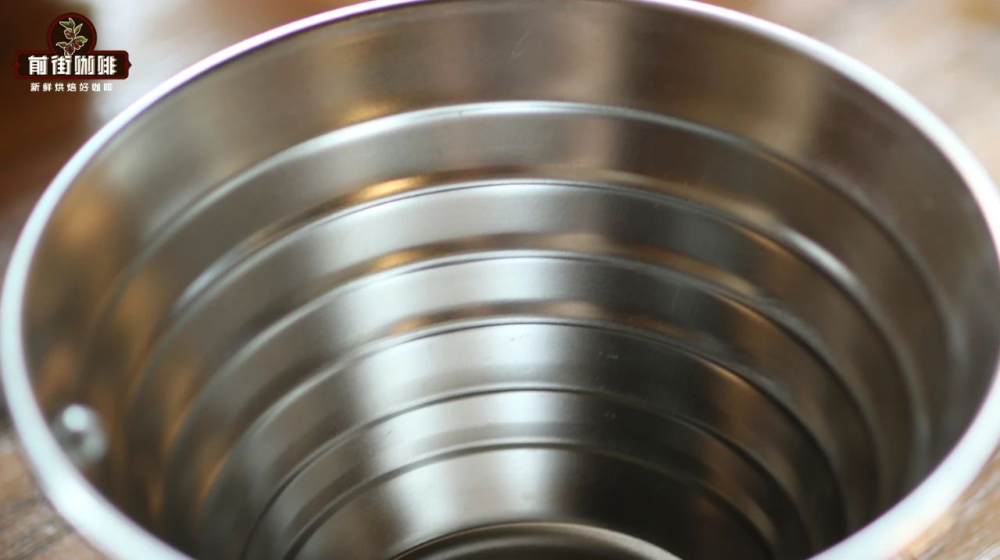
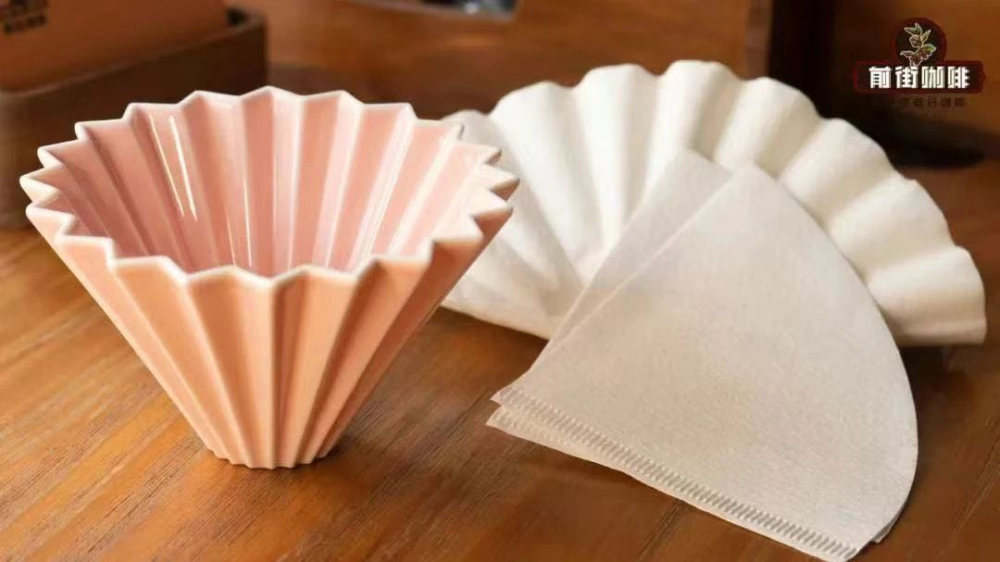
The 【filter cone】 design determines the water flow path and extraction efficiency. Common types include Hario V60, Kalita, and KONO. The Hario V60, with its 60-degree cone shape, large filter holes, and spiral ridges, extends the water path and enhances flavor complexity, making it one of the most widely used filter cones on the market. Kalita filter cones feature a three-hole trapezoidal design with stable ceramic construction, helping to ensure stable extraction, suitable for those who prefer a richer taste. The KONO filter cone has ribs only on the lower half, increasing the coffee grounds' water absorption time, which helps improve extraction uniformity. If you prefer stable flow rate and balanced extraction,the flat-bottomed cone (wave filter cone)with its flat base and three small holes effectively extends the contact time between coffee and water, making it another good option.
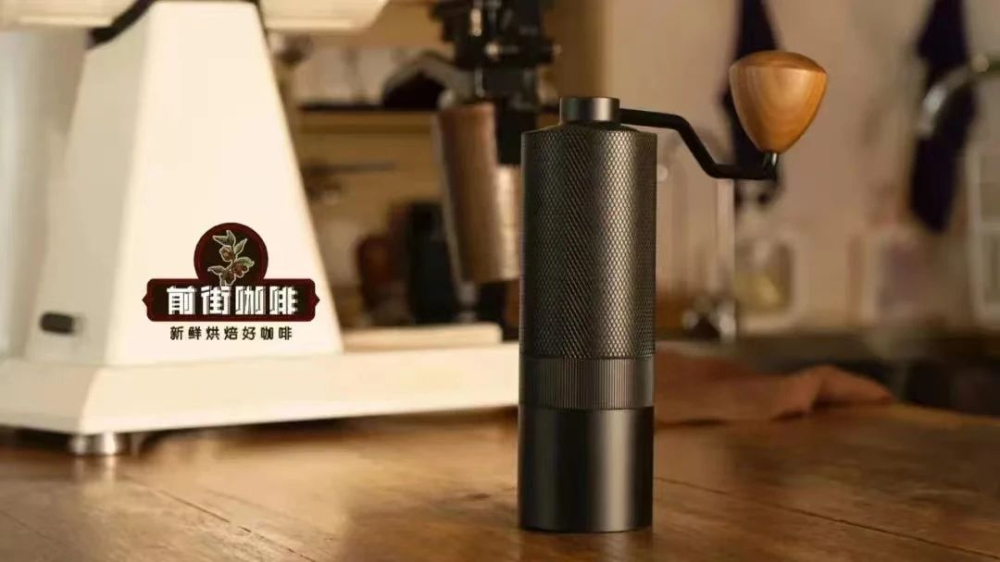
The 【grinder】 is the key to determining the coarseness and uniformity of coffee grounds. It’s recommended to choose a model with a stable burr design and even particle size distribution, such as the Baratza Encore, which delivers consistent grinding results, aiding stable extraction. There are also models available on the market like Xiao Fei Ying, Xiao Fu Shi, and EK43s, which you can choose based on your budget and needs.
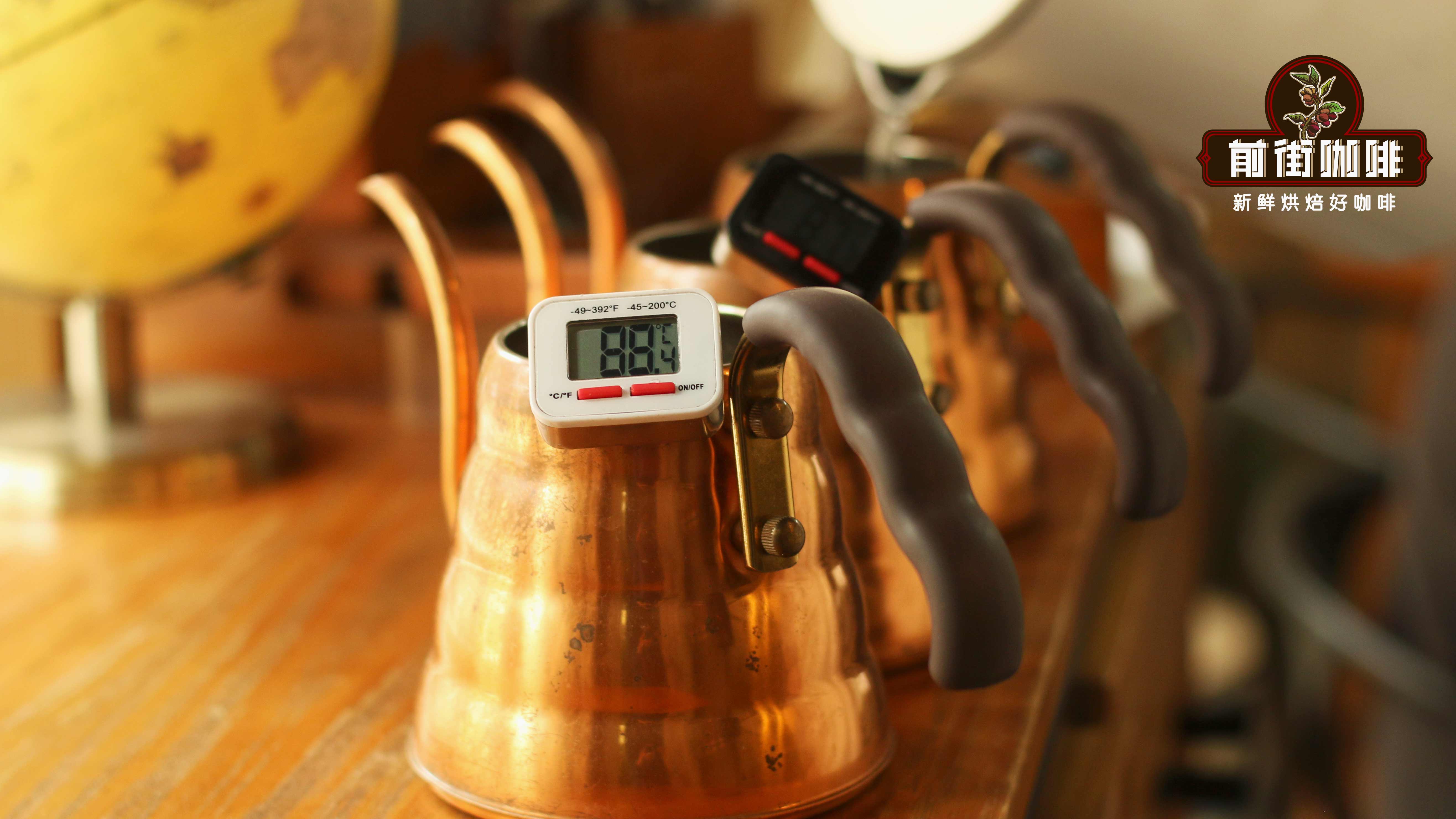
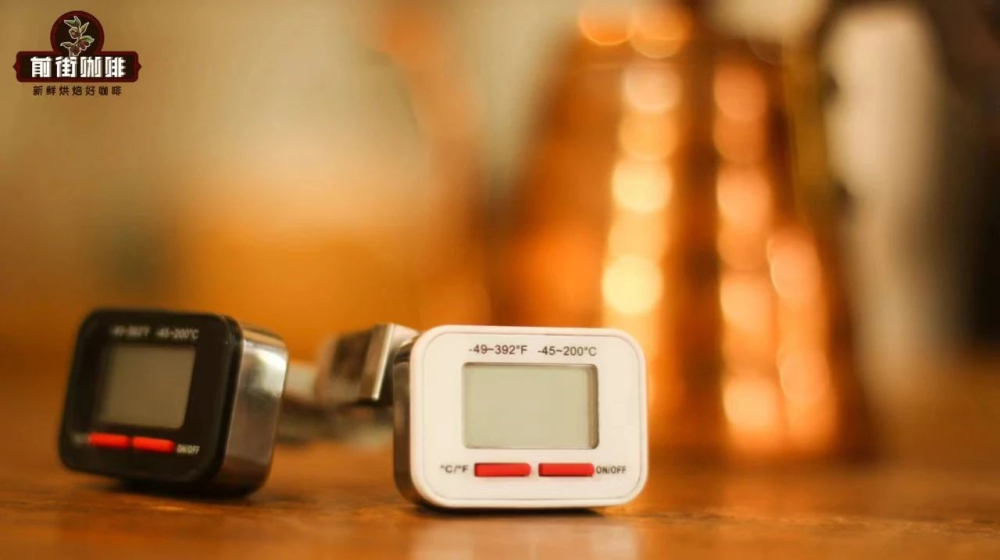
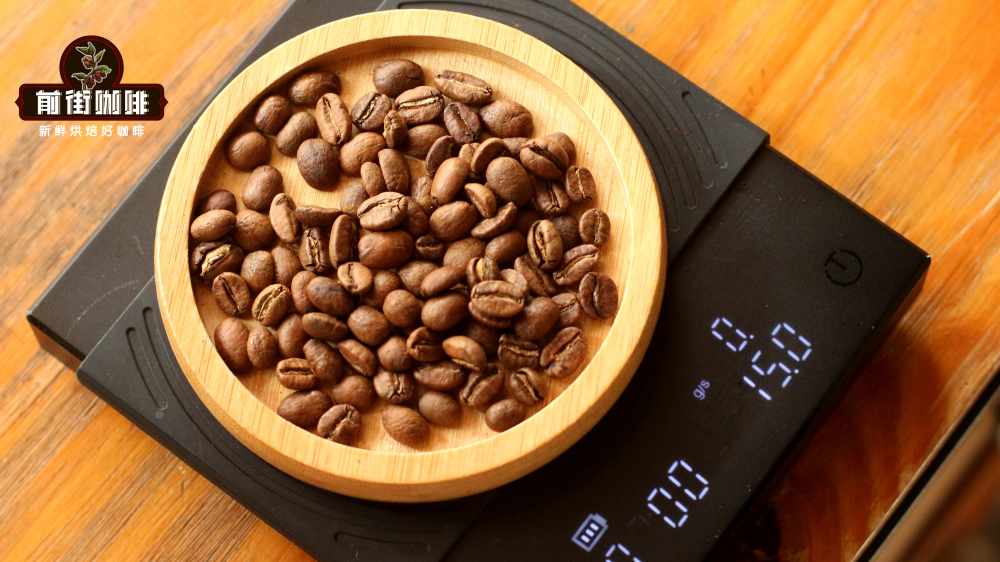
The 【thermometer】 and 【digital scale】 are important tools for controlling brewing variables. A thermometer lets you accurately monitor water temperature; it’s recommended to use a digital model that shows temperature variations within ±1°C. A digital scale helps you precisely calculate the coffee-to-water ratio; it’s advisable to choose one with a minimum unit of 0.1g to ensure parameter consistency for each brew.
【Filter paper】 comes in bleached and unbleached versions, mainly differing in color and odor. It’s recommended to choose filter paper that matches your filter cone model to ensure filtration effectiveness and flavor purity. If you care about sustainability, you may also opt for reusable metal filters.
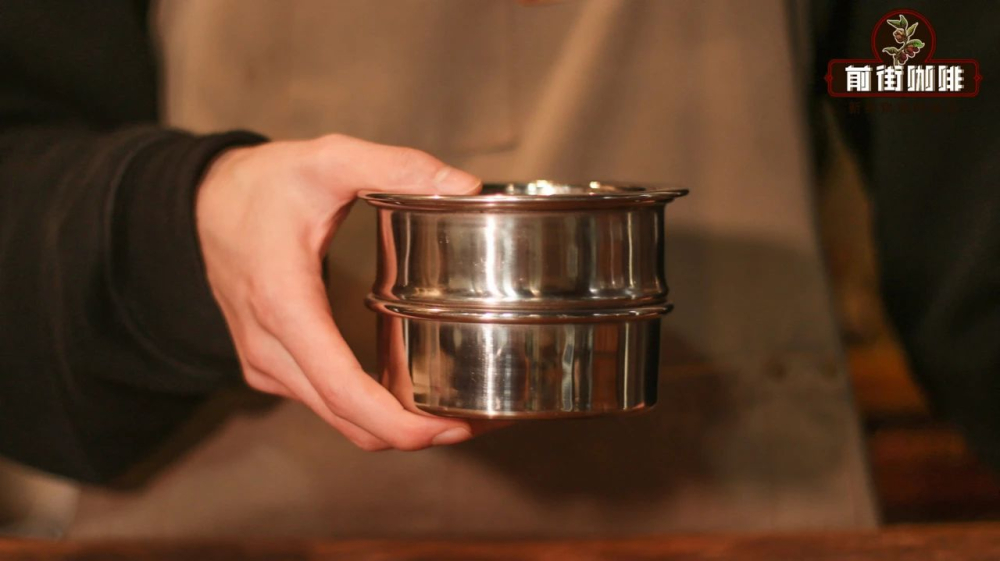
The 【sieve】 is commonly used to check grind coarseness. In practice, it’s suggested to aim for 80% of particles passing through a Chinese Standard No. 20 sieve, corresponding to a medium-fine grind for pour over coffee—similar in size to white sugar granules—which balances extraction efficiency and flavor expression.
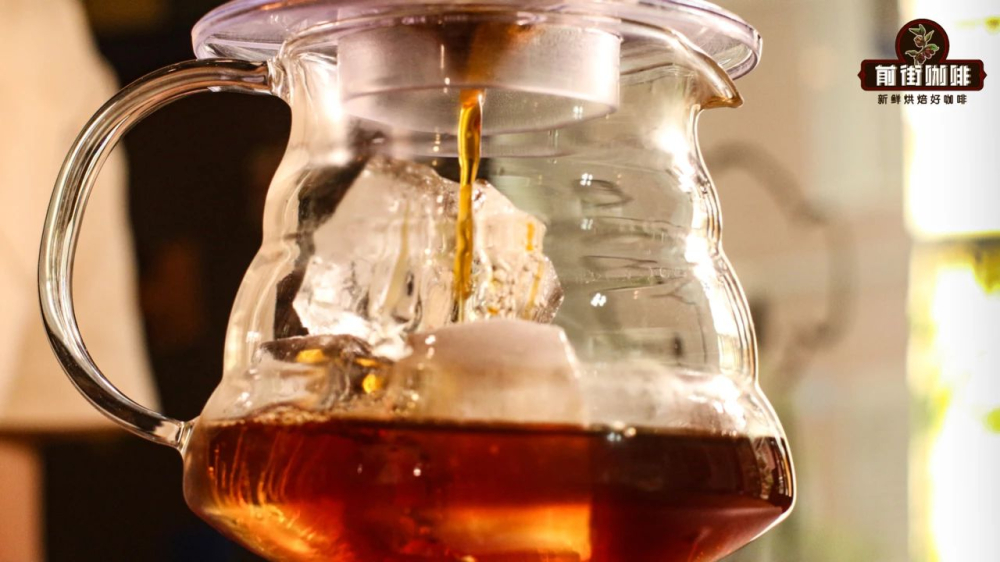
The 【server】 is not essential, but when brewing multiple servings, a transparent server with measurement markings helps monitor extraction status and control flow rate. Recommended options include the HARIO V60 Cloud Server or Kalita server.
Next, we’ll delve into the six core extraction elements of pour over coffee:
【Water temperature】 is one of the key factors affecting extraction yield. It’s generally recommended to use 90-91°C[for light to medium roasted beans], and reduce to 85-87°C[for medium to dark roasted beans]. Water that is too hot can lead to over-extraction and bitterness, while water that is too cool may result in under-extraction, producing sour and thin flavors.
【Grind size】 determines the surface area and contact time between coffee grounds and water. It’s recommended to use a medium-fine grind with 80% of particles passing through a Chinese Standard No. 20 sieve —approximately the size of white sugar crystals—which can effectively balance extraction uniformity and flavor expression. Too fine a grind risks over-extraction, while too coarse may lead to under-extraction.
【Coffee-to-water ratio】 is advised to follow a 1:15 ratio (e.g., 15 grams of coffee to 225 milliliters of water), which achieves a good balance between flavor and strength. You can adjust slightly according to personal taste.
【Water quality】 significantly impacts coffee extraction. It’s recommended to use filtered water, purified water, or mineral water, and avoid tap water. Minerals such as calcium, magnesium, and sodium in water affect extraction capability and flavor expression.
【Coffee beans】 It’s recommended to choose single-origin beans with clear information on origin, variety, and processing, allowing you to better appreciate the unique flavors of different regions. Additionally, freshly roasted coffee beans usually require a 4–7 day degassing periodafter roasting, allowing CO₂ to dissipate before their flavors reach optimal condition.
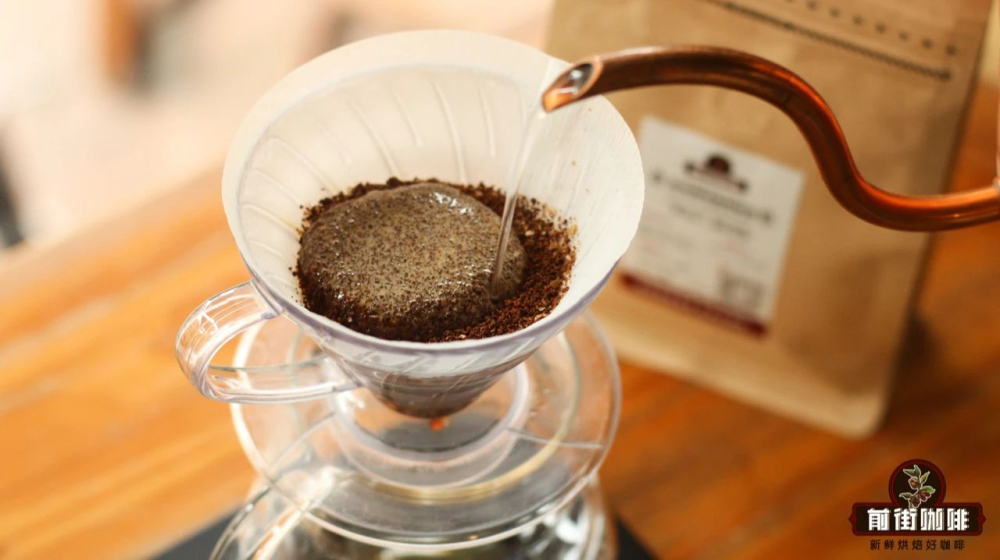
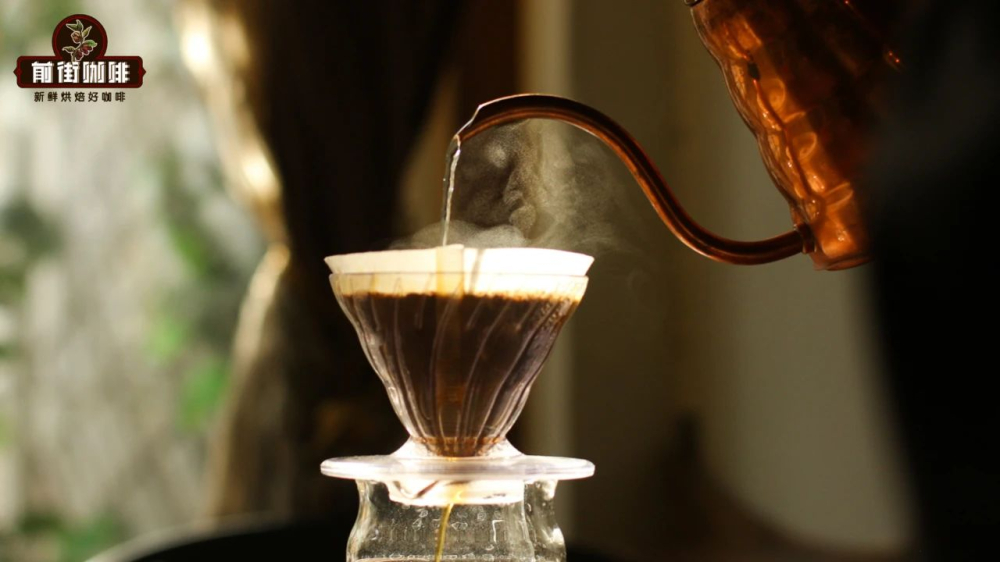
【Brewing technique】 It’s recommended that beginners start practicing with thethree-pour method, consisting of the bloom, second pour, and third pour, which helps clearly highlight the coffee’s front, middle, and back notes. During blooming, it’s suggested to pour an amount of water equal to twice the weight of the coffee grounds and let it sit for about 30 seconds. This aids in releasing CO₂ and ensuring even water absorption, laying a solid foundation for subsequent extraction.
In summary, the charm of pour over coffee lies in the control of details and exploration of flavors. With the right equipment pairing and scientifically set parameters, even beginners can consistently brew coffee with depth and personality, enjoying the pleasure of homemade coffee at home.
The above content is compiled by CoffeeHunters, a coffee news website.


