








Introduction:To brew an espresso that is both sweet and acidic with a rich and full-bodied flavor, start with selecting the right coffee beans. The espresso beans available on the market can generally be divided into Single Origin Espresso (SOE), which highlights the unique flavors of a single origin, and blends, which emphasize stability and balance. Among these, blends are the preferred choice for most coffee shops. This article will take an in-depth look at the differences between blends and SOEs, explore the technical trade-offs between blending green beans (“raw blend”) and roasted beans (“roast blend”), and recommend four practical and representative blends. Whether for home use or commercial settings, it will help you find the one that suits you best.
To brew an espresso that balances acidity, sweetness, bitterness, and delivers a rich mouthfeel, choosing the right coffee beans is the key first step. Among the many options, espresso beans mainly fall into two categories: SOE (Single Origin Espresso), which showcases the unique flavors of specific origins, and blends, which combine different beans to achieve overall flavor balance. Many coffee shops prefer using blends because they effectively compensate for the limited flavor complexity of single-origin beans and ensure consistent flavor year-round.
Blends can be roasted using two methods: “raw blend” and “roast blend.” Raw blend refers to mixing green beans from different origins or processing methods in specific proportions before roasting them together. The advantage of this method is that it ensures a consistent roast level across the batch, resulting in more stable flavor expression. However, the beans being blended should have similar size and density, otherwise uneven heating may occur. Roast blend, on the other hand, involves roasting each type of bean individually to its optimal state based on its characteristics before blending them together. This method maximizes the strengths of each bean and compensates for their weaknesses, but requires attention to achieving good overall harmony in the final mix.

In the past, roasters often blended different beans to mask flaws or inconsistencies in certain beans, but the concept of modern blends has evolved significantly. Today’s blends are more often the result of careful design by roasters, aiming to create unique flavor profiles while ensuring stable quality throughout different seasons. Especially for milk-based coffee drinks, blends typically offer a richer mouthfeel and better emulsification, resulting in a smoother and more balanced overall flavor.
Next, let’s take an in-depth look at four classic blends designed for different needs and scenarios. Each showcases distinct flavor characteristics and is suitable for various environments, from home use and specialty coffee shops to commercial chains.
Sunflower Warmth Espresso Beansis a blend that emphasizes distinctive flavors, combining sun-dried red cherries from Honduras with other bean varieties. Its flavor profile features pronounced fruity acidity and berry aromas, along with rich wine-like notes and chocolate undertones, and a sweet, lingering finish. The Honduran beans bring whiskey-like alcohol notes and a chocolatey aftertaste, while the sun-dried beans add a fermented character and fruitiness. It is suitable for professional coffee shops or enthusiasts seeking unique flavors and moderate usage. This product comes in a half-pound pack,ideal for small-scale use or those wanting to try unique flavors.
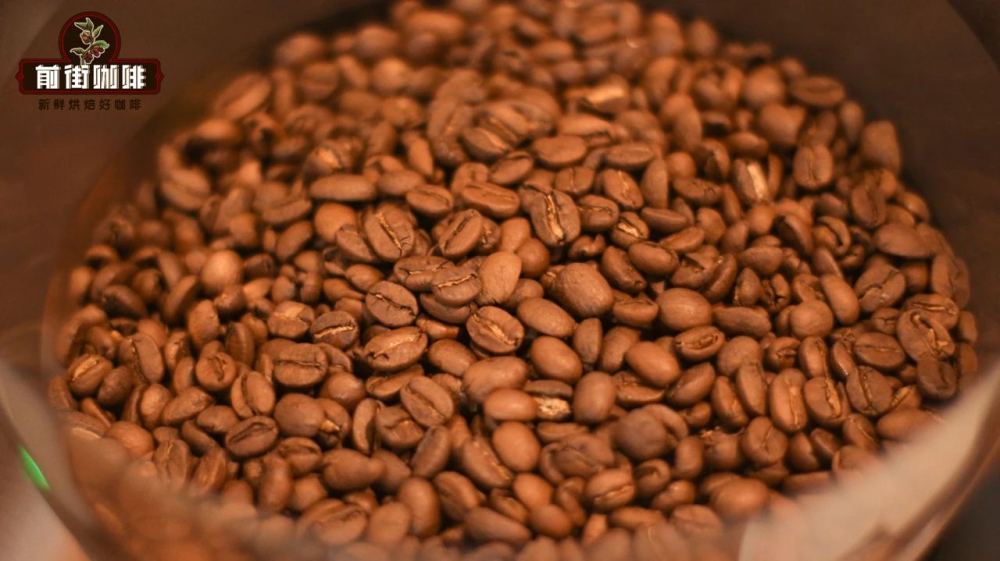
Another premium blend is based on Colombian and Brazilian beans, with a flavor profile leaning towards mild and smooth. This blend offers subtle grassy notes, a silky mouthfeel, and a well-balanced bitterness and sweetness, with a refreshing finish. The Colombian beans from the Huila region provide good acidity and aroma, while the Brazilian beans from the Cerrado region contribute a rich, smooth bitterness and silky texture. This blend is suitable for most specialty coffee shops, especially those focusing on balanced flavors and everyday drinking.
Commercial Blendis a classic and practical option, combining Colombian, Brazilian, and a small amount of Robusta beans. This blend delivers a strong caramel sweetness and flavors of nuts and cocoa, with a well-balanced acidity and sweetness. Thanks to the addition of Robusta, it also offers better crema, making it ideal for milk-based coffees like lattes and cappuccinos. Its flavor is stable and offers great value for money,widely suitable for all types of coffee shops, beverage stores, and high-volume production scenarios.
Finally, there’s the Black Cocoa Blend, a blend often recommended by baristas for use with a moka pot. It is mainly a mix of Yunnan AA and Brazilian beans. The high altitude and large day-night temperature variation of the Yunnan region give this blend a rich aroma and a flavor profile close to that of Colombian beans, with soft acidity and fruity notes. The addition of Brazilian beans makes the overall mouthfeel smoother, with a strong flavor of dark chocolate and nuts. This blend is suitable for small coffee shops, bakeries, or general beverage stores, especially when used with a moka pot or similar devices, where it delivers a rich and smooth cup.
The above content is compiled by CoffeeHunters, a coffee news website.


