







Introduction:Panama’s Finca Geisha (Hacienda La Esmeralda) is a key driving force behind the international rise of Geisha coffee. Its rigorous grading system and processing methods are highly esteemed. This article delves into the classification logic, altitude conditions, plot origins, and flavor characteristics of the three major grades—Red Label, Green Label, and Blue Label—and compares the key differences between washed and natural processing methods. It also provides practical pour-over parameters and flavor evaluations to help you fully grasp the essence of this top-tier coffee.
In the specialty coffee world, Panama’s Finca Geisha is undoubtedly one of the most representative regions for the Geisha variety. Located in the Boquete highlands, this estate is not only the birthplace of Geisha coffee but has also brought out its full flavor potential through meticulous grading systems and processing techniques. This article will take you on an exploration of the mysteries of the Red Label, Green Label, and Blue Label grades from Finca Esmeralda, analyzing their differences from plot altitude to processing methods.
The history of Finca Esmeralda dates back to 1964, when American banker Rudolph Peterson retired and purchased the land, initially using it primarily for dairy farming. His son, Price, introduced the Caturra and Catuaí varieties in 1987 and built a washed processing plant in 1994. In 1996, the Petersons acquired the geographically superior Jaramillo Estate and discovered a group of unnamed coffee trees at its highest point. These trees exhibited unique citrus and floral-fruity notes, eventually giving rise to the now world-renowned Geisha variety.
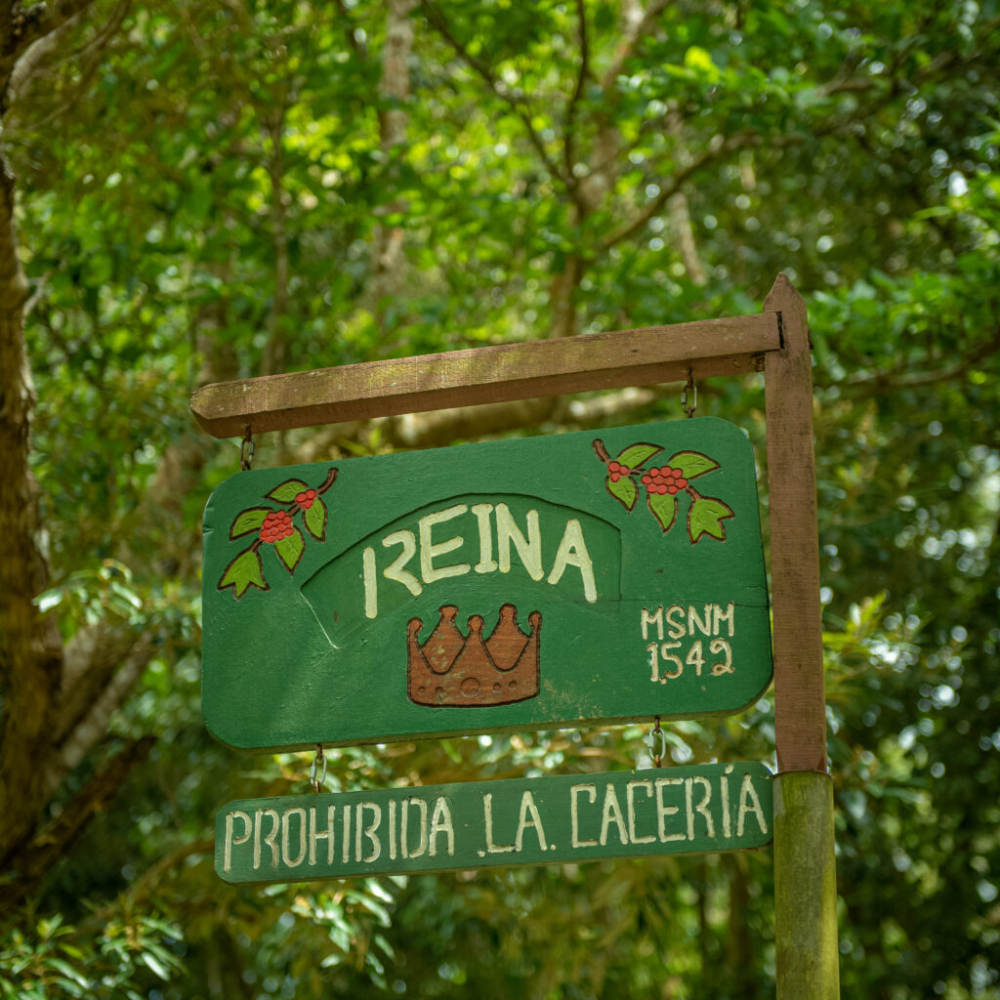
The plots at Finca Esmeralda are divided with extreme precision, mainly into three main areas: Jaramillo, Canas Verdes, and El Velo. Jaramillo sits at an altitude of 1600–1700 meters, with annual rainfall of about 4000 mm, and includes five smaller sub-plots such as Mario and Noria. Canas Verdes ranges from 1600–1800 meters in altitude, with around 3500 mm of annual rainfall, and is subdivided into nine plots including Lino and Coronado. The newly acquired El Velo Estate is even higher, at 1700–1900 meters, and grows Geisha alongside various other exotic varieties.
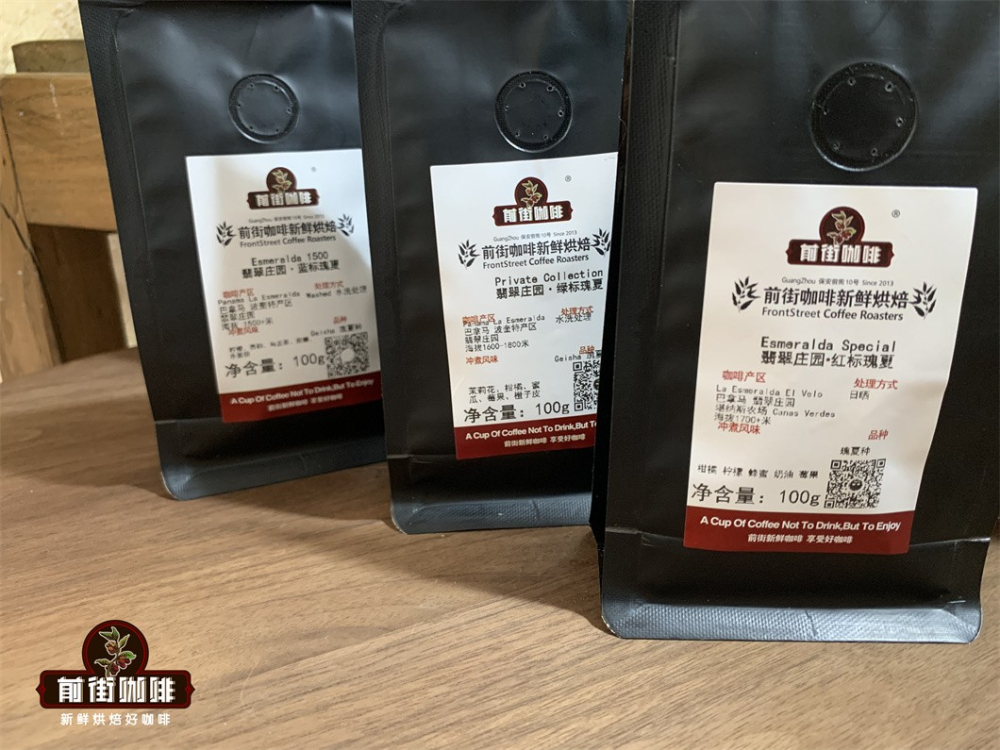
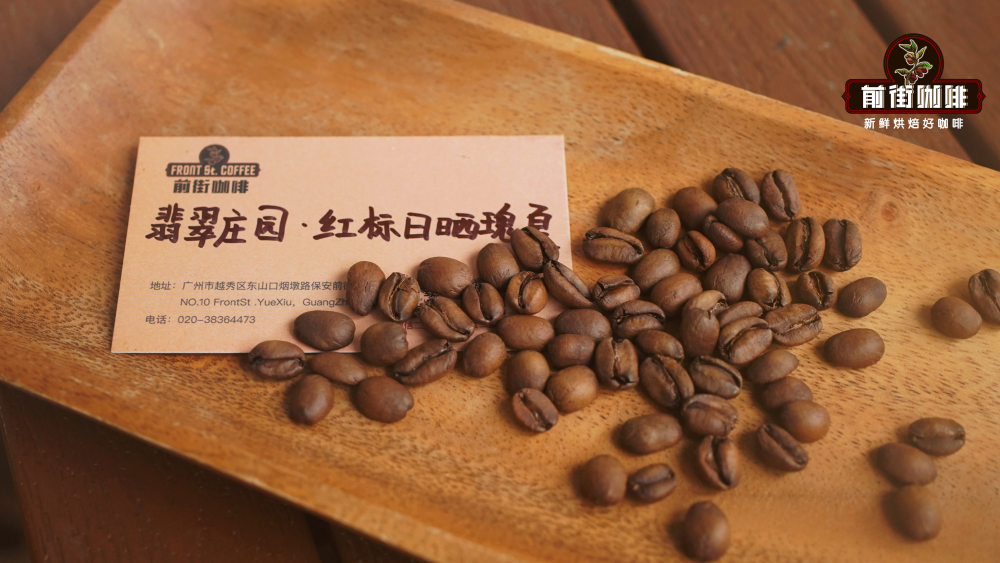
Red Label Geisha represents the highest quality of Finca Esmeralda, selected exclusively from beans grown at 1600–1800 meters in Jaramillo and Canas Verdes with cupping scores above 90, and most often from auction lots.Processing methods can be either washed or natural.The flavors are dominated by bright floral notes and citrus tones. The Green Label is a blend of micro-lots from Jaramillo and Canas Verdes. Though not part of the auction, it still retains the classic floral and fruity profiles of Geisha, offering excellent value for money. The Blue Label Geisha is grown at 1400–1500 meters and is a blend of beans from three plots, resulting in a more refreshing flavor profile, suitable for everyday drinking.
In terms of processing, Finca Esmeralda follows standard washed and natural procedures. The washed method involves flotation, depulping, fermentation to remove mucilage, and multiple washes, which is water-intensive but yields clean flavors. The natural method requires 27–30 days of sun-drying, emphasizing fruity and fermented notes. Each method has its unique characteristics—the former highlights regional traits while the latter adds sweetness.
For practical pour-over brewing, it is recommended to use a Hario V60 filter, with a water temperature of 90°C, a coffee-to-water ratio of 1:15, and a medium-fine grind. A step-by-step extraction method can fully showcase the complex layers of Geisha: start with a 30-second bloom using 30 grams of water, then pour in stages up to 225 grams, with total extraction time of about 2 minutes. The Red Label reveals bright aromas of rose and citrus, the Green Label excels in jasmine notes and sweetness, while the Blue Label offers soft lemon acidity and oolong tea-like aftertaste.

In summary, the three-tier grading system of Finca Esmeralda’s Geisha clearly reflects the impact of altitude and processing methods. While both the Red Label and Green Label belong to high-altitude premium grades, the former’s auction lots carry greater collectible value. The Blue Label provides an accessible entry point to experience the foundational flavors of Geisha at a more affordable price. No matter which grade you choose, proper brewing parameters and freshness are key to savoring its essence.
The above content is compiled by CoffeeHunters, a coffee news website.


