







Introduction:Many users who have just purchased a home fully automatic coffee machine often face questions about bean selection and operation methods. Which type of coffee beans should be used? Are single-origin beans really unsuitable for making espresso? This article provides a detailed introduction to the types of coffee beans suitable for home fully automatic machines, including recommendations for both single-origin and blended beans, and offers a complete step-by-step guide to using the machine—from installation, adding beans and water, to cleaning and maintenance—to help you get started with ease and enjoy a professional-level coffee experience.
Modern homes and offices are increasingly favoring user-friendly home fully automatic coffee machines. With just one touch, the process from grinding beans to extraction is completed, allowing everyone to easily brew authentic coffee at home. However, many beginners often struggle with choosing the right type of coffee beans when using the machine for the first time, and worry that using single-origin beans to make espresso may result in unbalanced flavors or even off-putting tastes. This article will delve into the various types of coffee beans suitable for fully automatic machines and provide clear, easy-to-follow operation instructions to help you get started effortlessly.
There is a wide variety of fully automatic coffee machines on the market. Common all-in-one coffee machines and capsule coffee machines, though different in form, both fall under the category of fully automatic machines. Their common characteristic is low operational barriers—there's no need for manual grinding or tamping. The difference lies in the form of ingredients: traditional fully automatic coffee machines use coffee beans, all-in-one machines mostly use pre-ground coffee powder, while capsule machines directly use coffee capsules. If you've chosen a standard fully automatic coffee machine, then understanding how to select and use coffee beans is the first step to enhancing your coffee flavor.
Before formal use, it is recommended to make some basic preparations. First, ensure the machine is clean. Regularly clean the water tank and coffee grounds container to avoid residue affecting taste and hygiene. Then, choose suitable coffee beans according to your personal taste. If you prefer bright fruit acidity and delicate floral notes, you might consider options with creamy strawberry, citrus, and orange blossom aromas. If you’re fond of tropical fruits and fermented wine-like flavors, beans with layers of berries, grapes, and chocolate will suit you better. For those seeking a rich and full-bodied taste, choose beans that showcase flavors of nuts, dark chocolate, and caramel. Additionally, you may opt for cost-effective espresso blends. These beans are typically a mix of beans from multiple regions, offering stable flavors and suitability for various brewing methods.
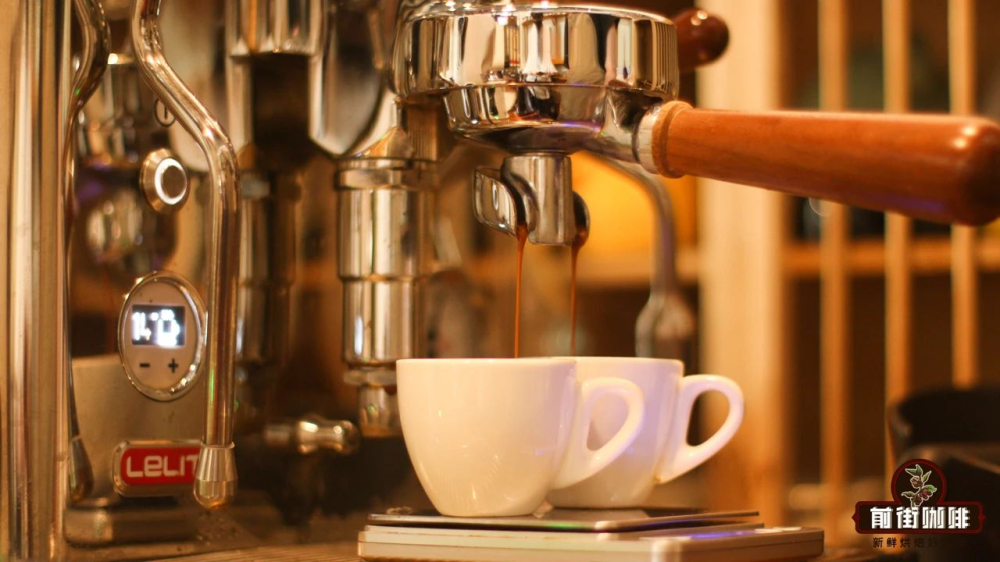
Before turning on the machine, make sure it is connected to a power source and the voltage meets the specifications. Press the power switch to start the self-check procedure. Most fully automatic machines offer options such as "small cup" and "large cup," and allow adjustments for strength, temperature, coffee dose, and even support double-shot extraction via the control panel. It’s important to note that some models do not come with a separate coffee powder compartment, so they can only use coffee beans. Please confirm the model’s features in advance to avoid incorrect operation.
When adding beans and water, open the bean hopper and it is recommended to fill it to about 3/4 of its capacity (the maximum capacity for most machines’ bean hoppers is 400 grams). Overfilling may affect the grinding efficiency. For the water tank, fill it to approximately 3/4 of the water level line to ensure there is enough water for one or multiple extractions. If you’re using an espresso blend, it is recommended to choose a combination with balanced notes of nuts, chocolate, and caramel. Such blends not only offer well-rounded flavors but also bring out the layered taste that espresso should have.
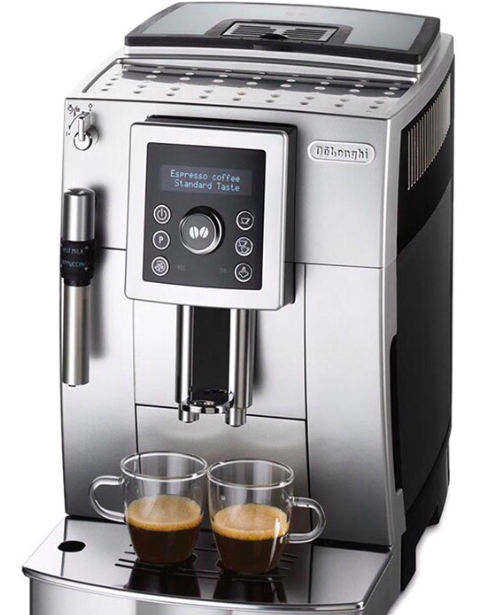
Once everything is ready, you can start making coffee. Select the type of drink you want, such as Americano, espresso, or latte, and press the corresponding button. The machine will automatically perform the grinding, tamping, and extraction processes. At this point, it is recommended to observe the machine’s operation, ensuring the grinding sound is normal and the extraction flow rate is steady. Once the coffee is made, the machine will give a prompt. Open the spout, pour the coffee into a cup, and then add milk, sugar, or spices according to your preference to adjust it to your perfect flavor.
Finally, don’t forget post-use cleaning and maintenance. After each use, it is recommended to empty the coffee grounds container and regularly clean the water tank and outlet to prevent the buildup of scale and residue. If you plan not to use the machine for an extended period, it is advisable to remove any remaining coffee beans to avoid oxidation affecting the flavor, and wipe the interior of the machine clean, which helps extend the equipment’s lifespan and maintain coffee quality. By following these steps, even coffee beginners can easily brew coffee at home with a professional-level standard.

The above content is compiled by CoffeeHunters, a coffee news website.


