








Introduction:Panama Geisha coffee has become one of the top varieties in the specialty coffee world thanks to its distinctive floral and fruity aromas and bright acidity. This article delves into three renowned Geisha-growing regions — 90+ Geisha Estate, Hacienda La Esmeralda, and Sophia Estate — analyzing their historical backgrounds, processing techniques, product classifications, and representative flavor profiles. It also provides practical pour over brewing recommendations and clarifies common marketplace variations, helping readers fully grasp the allure and selection essentials of Geisha.
In the world of specialty coffee, the Geisha (Gesha) variety shines like a star, and Panama is the key stage that nurtured this premium coffee. Since making its debut at the Best of Panama (BOP) competition in 2004, Geisha has captivated countless coffee enthusiasts with its delicate floral notes, tropical fruit characteristics, and unique tea-like aftertaste. This article will focus on three representative Geisha-growing regions: 90+ Geisha Estate known for its innovative processing methods, Hacienda La Esmeralda that pioneered the Geisha trend, and Sophia Estate located at a high altitude of 2100 meters. We’ll explore how they have shaped the diverse expressions of Geisha through historical context, processing craftsmanship, and product lines.
90+ Geisha Estate: A Premium Brand of Experimental Spirit and Natural Symbiosis
The birth of Ninety Plus Gesha Estates (90+ Geisha Estate) was inspired by the natural growing environment of wild coffee trees in Ethiopia’s coffee forests. The Geisha variety originally came from wild strains in that region. These coffee trees, with lifespans exceeding a century, are rare in yield but hold immense potential for exceptional flavors. In 2009, brand founder Joseph Brodsky seized the opportunity to acquire approximately 200 hectares of land and chose Ethiopian native Geisha varieties suitable for shaded environments for cultivation. By 2014, large-scale planting had begun, and within just six years, 90+ had won the World Brewers Cup championship five times, showcasing its outstanding quality and processing capabilities.

Currently, 90+ offers five major series: Signature (Signature), Innovation (Innovation), Founder's Selection (Founder's Selection), Limited Edition (Limited Edition), and Ascent (Ascent). The Signature series includes Nekisse, Lycello, Juliette, Perci, Lotus, and a heritage blend, each showcasing different processing styles and regional characteristics. The Innovation series features creative flavor profiles such as Ruby, Carmo, Tigre, Yuzo, and Kule. The Founder's Selection series has only released three batches of Geisha beans so far, with batch numbers #0602, #0526B, and #0317. Each 10-gram unit starts at a price of $200, making it a highly collectible premium product. The Limited Edition consists of only one blended Geisha-flavored bean, containing just 1 gram of Geisha per serving, making it extremely rare. The Ascent series includes Drima Zede, Kemgin, and Kambera — three more affordable Geisha options, priced starting at $19, $21.85, and $24.70 respectively.
It’s worth noting that the name 90+ does not refer to a cupping score of 90 or above, but rather to the brand’s commitment to carefully selecting top-tier coffee. Collaborating with multiple farms, 90+ oversees the entire process from planting, harvesting, processing to cupping. Processing methods are tailored according to variety traits, climate conditions, and ripeness stages to ensure each batch of beans can express the purest flavor profile.
Additionally, 90+ is also known for environmental sustainability and ecological restoration. Through coffee forest restoration projects spanning over 1500 hectares in Panama and Ethiopia, the brand is committed to improving farmers’ incomes and balancing natural ecosystems, earning its reputation as a top-tier specialty brand in the coffee industry.
Hacienda La Esmeralda: The Birthplace of the Geisha Trend and a Classic Grading Benchmark
The history of Hacienda La Esmeralda dates back to 1967 when it was purchased by Swedish-American banker Rudolph A. Peterson. Initially used mainly for grazing with limited coffee planting, it wasn’t until 1997 that the family expanded by acquiring the higher-altitude Jaramillo farm, focusing on cultivating high-quality, high-altitude coffee varieties. Geisha was originally planted only as a windbreak, but it demonstrated astonishing potential during an accidental cupping session, which subsequently transformed the landscape of Panama’s coffee industry.
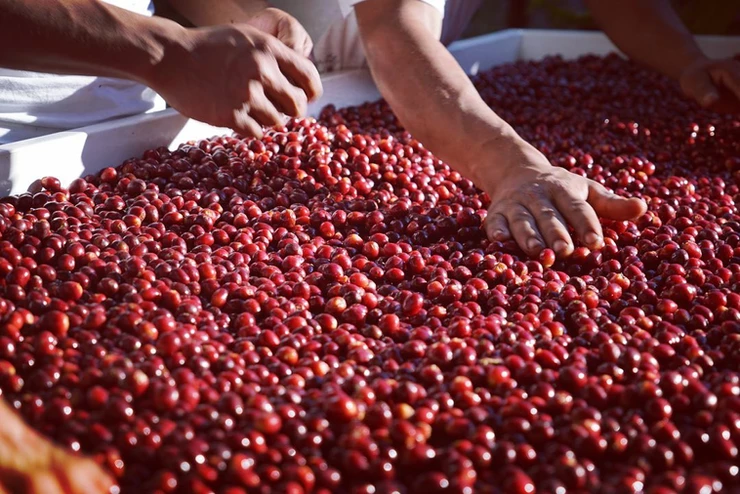
In 2004, Hacienda La Esmeralda won the BOP championship with the Geisha variety and set a then-record auction price for green beans, officially sparking the Geisha craze. That year, the estate also pioneered a grading system based on different micro-lots and processing batches — a groundbreaking move that became the benchmark for subsequent Geisha grading systems.
Currently, the estate’s Geisha offerings are mainly divided into three grades: Red Label, Green Label, and the former Blue Label.Red Label Geisha (Special Selection)Selected from beans grown at altitudes of 1600–1800 meters with cupping scores above 90, sourced from regions including Jaramillo and Cañas Verdes. These beans are limited to specific lots entered in the estate’s independent auctions, making them top-tier auction-grade Geisha. There are also non-auction versions of Red Label circulating in the market — though from the same lots, they do not go through the auction process. These are relatively more affordable and still deliver excellent flavor performance.
Green Label Geisha (Private Reserve Selection)These are non-auctioned micro-lot blends, also grown at 1600–1800 meters and sourced from various plots. Due to blending during processing, specific blocks cannot be indicated, but they still retain the classic Geisha floral notes, citrus acidity, and rich body. This makes them a high-cost-performance specialty choice. It’s worth mentioning that Geisha is extremely particular about its growing environment — extreme altitude variations and climatic challenges can actually bring out its best flavors, but this also results in low yields and high cultivation barriers.
As forBlue Label Geisha (1500-meter altitude version), this grade was discontinued by the estate in 2021. In earlier years, it used a multi-block blend from altitudes of 1400–1500 meters, including Jaramillo, Cañas Verdes, and El Velo. While not as intense as Red or Green Label, it still retained the basic characteristics of Geisha. This bean was available on the market during the 2020 harvest season.
Sophia Estate: High-Altitude Experimental Field and Representative of Emerging Flavors
Sophia Estate was established in 2008, located near Nueva Suiza in the highlands of Panama, surrounded by the magnificent scenery of Cerro Punta and Volcán Barú as well as pristine tropical forests. This relatively new estate focuses on extreme cultivation and experimental processing of the Geisha variety, with its 2100-meter altitude being its biggest advantage and a key market differentiator.

The estate was recognized by the Good Food Awards in 2016, won first place in the washed category of the Best of Panama competition in 2017, and secured second place in the natural category in 2020, demonstrating comprehensive processing capabilities and consistent quality. Although the article does not delve into its processing details, Sophia Estate’s Geisha is widely praised for its bright lemon acidity, jasmine and honey sweetness, refreshing taste, and distinct layers — all attributed to its high altitude and refined processing. It has become a notable emerging Geisha-growing region in recent years.
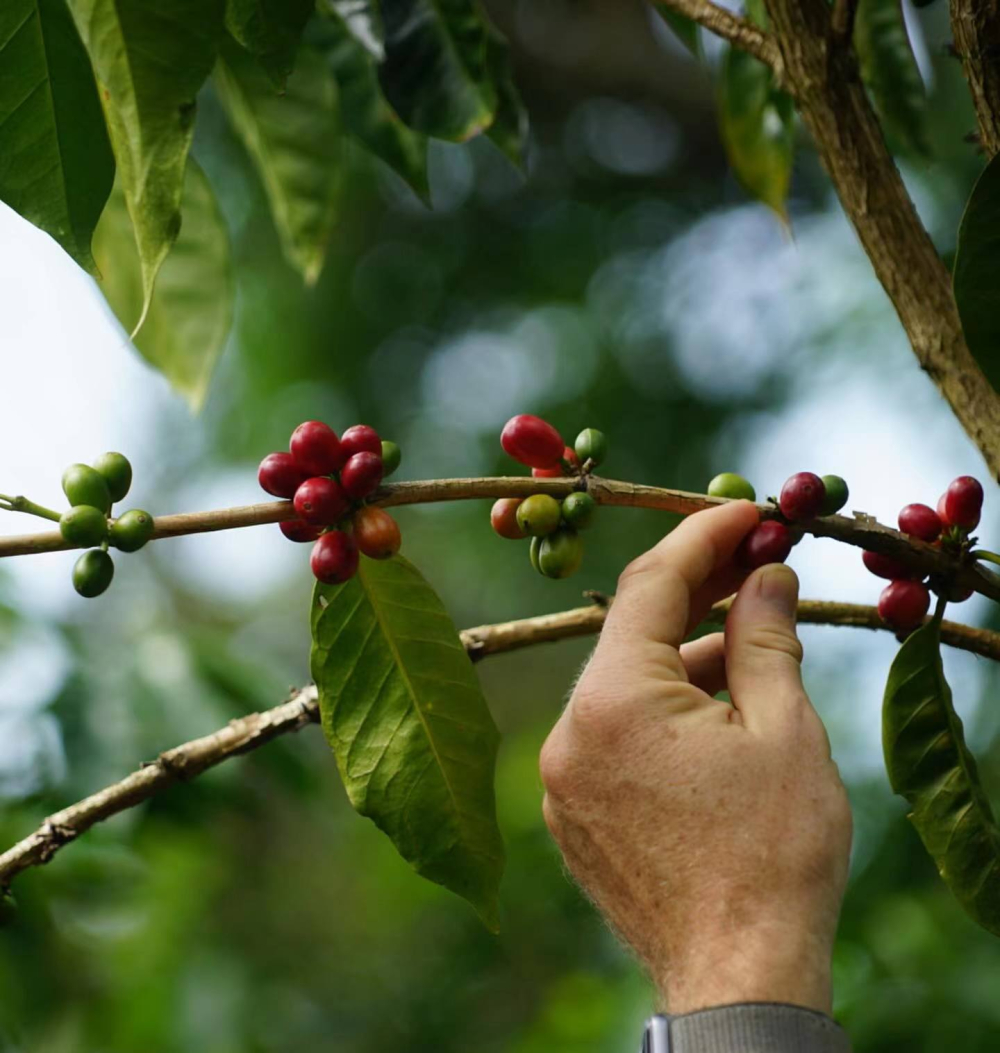
In summary, the charm of Panama Geisha comes not only from the variety itself, but also from each estate’s unique interpretation of growing environment, processing techniques, and flavor profiles. Whether you prefer 90+’s innovative experimentation, Hacienda La Esmeralda’s classic grading, or Sophia Estate’s high-altitude emerging flavors, you can find your own Geisha experience among these three regions. For pour over brewing, it is recommended to use medium-light roasts, control water temperature between 90–93°C, grind to a consistency between fine sugar and white sugar, and employ a pulse pouring method to fully showcase the delicate aromas and layered complexity of Geisha.
The above content is compiled by CoffeeHunters, a coffee news website.


