







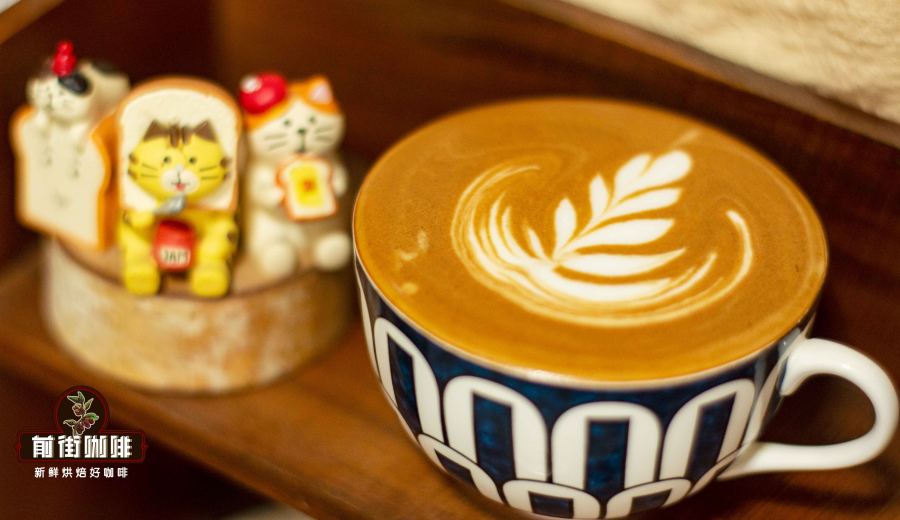
Introduction:Flat White and Starbucks' introduced Flat White (known in Taiwan as "Fureibai") are premium coffee beverages that have garnered significant attention in recent years. But do you know how they differ from a latte or cappuccino? This article delves into the origins of the Flat White and the Starbucks version known in Taiwan as “Fureibai,” exploring everything from the choice of blend beans, extraction parameters for double espressos, to the techniques for steaming fine microfoam. We’ll guide you through the essentials and flavor characteristics of this milk-forward yet restrained coffee.
Flat White is a beverage that combines a small amount of milk with an intense coffee flavor, typically based on a double espresso and topped with extremely fine microfoam. Compared to lattes and cappuccinos, it contains less milk and features a more pronounced coffee taste, often regarded as a transitional choice between the two. The drink can be traced back to the period of World War II, when Italian immigrants brought espresso culture to Australia and New Zealand. To this day, there is still debate over which country is its true birthplace. Some say a prototype appeared in Sydney during the 1980s, while records indicate a similar drink was seen in Melbourne as early as the 1970s. As for New Zealand, it claims that the familiar Flat White flavor we know today was developed in Wellington in the late 1980s.
So, what really sets Flat White apart from a latte and a cappuccino? First, looking at the ingredients, all three drinks use espresso and steamed milk—but they differ greatly in milk volume, coffee ratio, and foam texture. The foam in a Flat White is finer than that of a cappuccino, closer in mouthfeel to a latte but with a higher coffee concentration. In layman’s terms, its foam is like a delicate layer of velvet, not the dry, fluffy foam of a cappuccino. These subtle differences mean even experienced baristas need to pay close attention when crafting one.
In fact, even seasoned baristas find it challenging to clearly distinguish the three, especially in markets like Taiwan or overseas, where different shops adjust the recipes and flavor profiles. A once-circulated ratio chart from Taiwan's coffee scene, although labeled as "white coffee," didn’t accurately reflect the foam layers. Understanding these nuances not only helps you enjoy the drinks better but also allows you to make more personalized choices when ordering.
In 2015, Starbucks officially introduced Flat White to the U.S. market, offering it in various cup sizes. That same September, the drink launched in mainland China under the elegant Chinese name “馥芮白” (Fureibai). According to the Shanghai Starbucks website, Fureibai uses “refined concentrate espresso,” extracted with less water to emphasize the coffee’s intensity, paired with milk steamed to produce a smooth, dense microfoam texture. Notably, in the same year, Starbucks in the U.S. removed the classic cappuccino—which had been on the menu for over 30 years—sparking discussions among loyal customers.
Currently in Taiwan, many coffee shops refer to Flat White simply as “fresh milk espresso” or “white coffee,” but such terms often overlook the crucial difference in foam texture. With the growing promotion of specialty coffee culture, if Fureibai were to officially arrive in Taiwan, it would likely become a new favorite among many coffee enthusiasts.
To recreate a well-balanced Fureibai at home or in a café, bean selection and extraction parameters are essential. Take a renowned coffee shop’s offering as an example—their Fureibai is made using their house-blend “Sunflower Warm Sun Blend.” This blend consists of 70% Honduran Sherry coffee beans and 30% Yirgacheffe sundried Red Cherry beans. The Sherry beans deliver pronounced whiskey-like aromas, vanilla, and creamy notes, while the Red Cherry adds tropical fruit scents and a hint of fermentation. The overall flavor profile is rich yet not overly sharp.
In preparation, the coffee shop adheres to a foundation of small serving size, thin foam, and a double refined espresso. Before opening, baristas use a standard espresso as a reference benchmark, then fine-tune parameters according to the daily performance of the Warm Sun Blend. Typically, espresso extraction is set at 20 grams of coffee grounds yielding 40 grams of coffee liquid, within a time frame of 28 to 30 seconds. The so-called “refined” version, using the same coffee dose, extracts only 27 grams of coffee in 20 to 25 seconds. This adjustment results in a more concentrated coffee flavor, brighter acidity, and a distinctive berry note with a caramel-like finish.
After extraction, the coffee liquid is poured into a container with approximately 200 milliliters capacity for later use. Then, 150 milliliters of milk is measured out for steaming. When making Fureibai, the air intake for the milk must be less than that for a latte to ensure an even thinner, finer foam. The ideal foam thickness should be close to microfoam, with the temperature controlled between 55 to 60 degrees Celsius. This temperature range ensures a smooth mouthfeel while preventing overheating that could compromise the overall flavor. Finally, the foam is gently incorporated into the coffee, with latte art optional based on personal preference.

The final Fureibai exudes a complex aroma of vanilla, cream, chocolate milk, and a hint of whiskey, accompanied by a touch of berry acidity and soft sweetness. It has a velvety, rich mouthfeel with a long-lasting, layered aftertaste. Mastering these details not only helps you differentiate between Flat White and Fureibai but also allows you to better appreciate the unique charm of this specialty coffee beverage—whether you’re savoring or crafting it.
The above content is compiled by CoffeeHunters, a coffee news website.


