







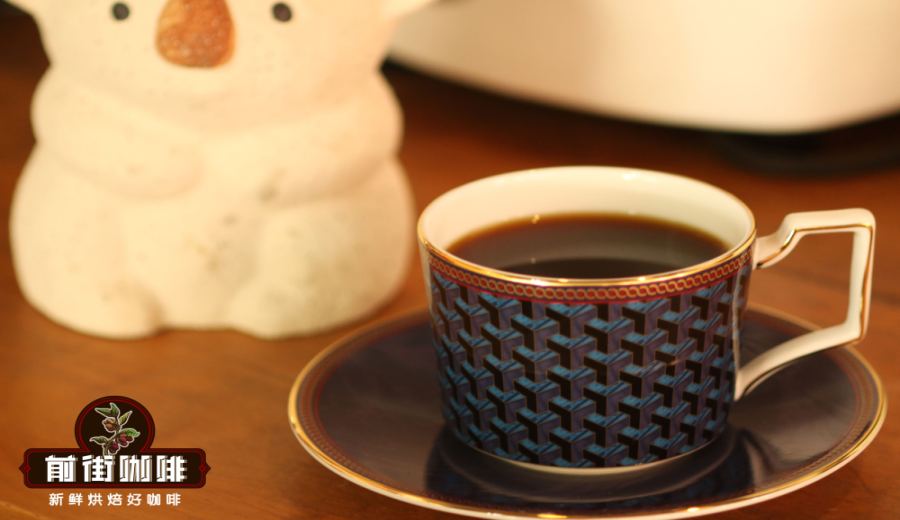
Introduction:Want to explore the unique charm of Sumatra Mandheling coffee? This article provides a comprehensive breakdown—from regional environment and wet-hulling processing characteristics to pour over brewing—of the flavor profile of the Ateng and Tim Tim hybrid beans from the Lintong region. It also offers practical brewing parameters. Whether you're a coffee enthusiast who loves rich, bold flavors with spicy and chocolatey notes or a beginner just getting into pour over, you’ll find inspiration for bean selection and brewing here.
Mandheling coffee from Indonesia’s Sumatra Island is renowned for its full-bodied richness and deep spicy and herbal notes, making it a favorite among many serious coffee lovers. In particular, beans from the Lintong region processed using the traditional wet-hulling method can showcase layers of nuttiness, caramel, and subtle spice, ideal for those who enjoy strong, solid-bodied pour over coffee.
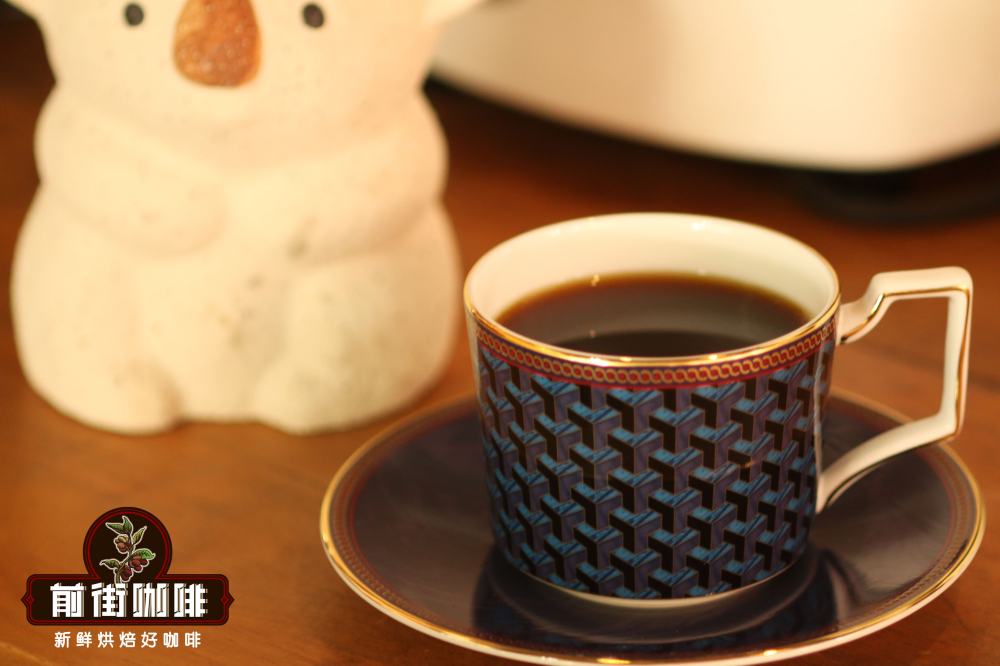
When it comes to classic coffee flavor profiles, many people immediately think of the chocolate and caramel tones brought out by medium-to-dark roasts, much like the once highly praised Jamaican Blue Mountain and Indonesian Mandheling. These two coffees were once the flavor benchmarks for global coffee enthusiasts, and among them, Mandheling—especially the beans from Sumatra’s Lintong region—remains a classic in the hearts of many pour over aficionados to this day.
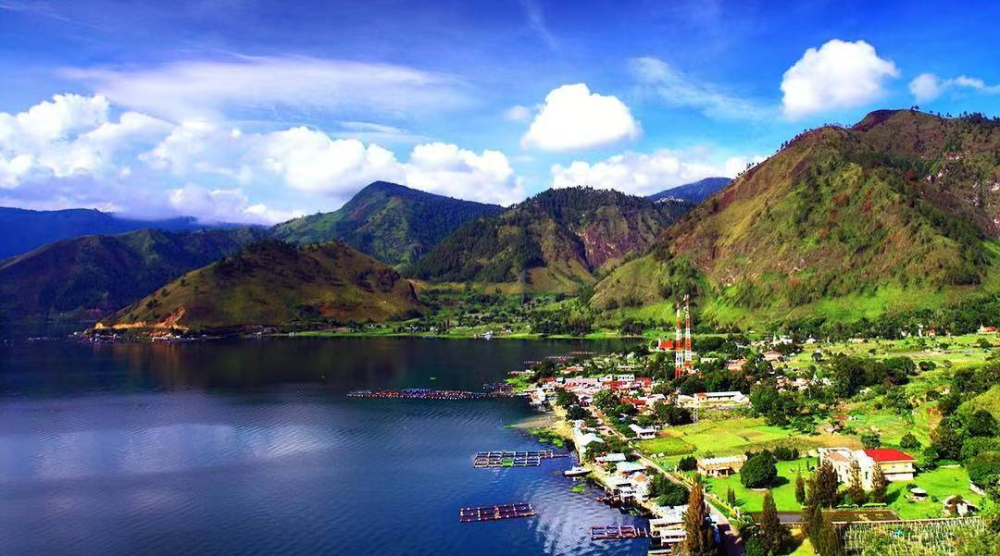
As Asia’s largest coffee-producing country, while Indonesia extensively grows commercial-grade Robusta, higher-quality Arabica beans are mainly produced in Sumatra. The two most famous regions are Lake Tawar in Aceh and Lake Toba in Lintong, commonly referred to as the “Twin Lakes and Twin Mandhelings.” Lintong is located in central Sumatra, less than two hours’ drive from the provincial capital Medan, and is home to Lake Toba, the world’s largest volcanic lake. With an average altitude of about 900 meters, the climate and elevation are very suitable for coffee cultivation.
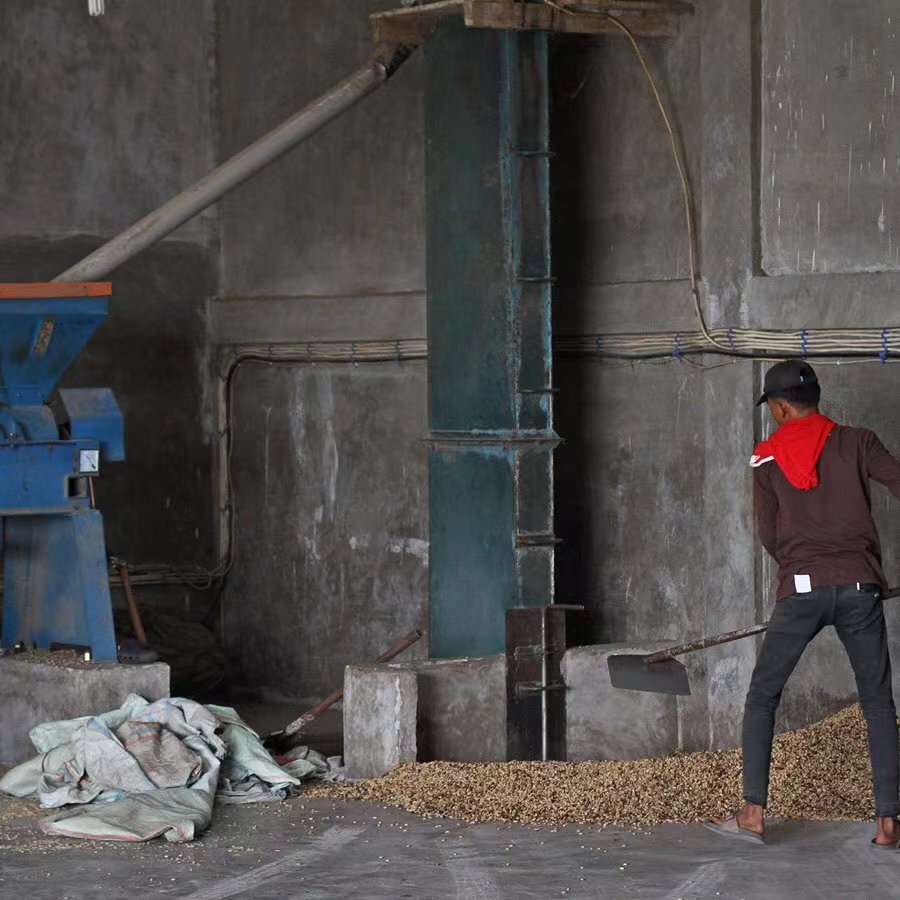
The reason Mandheling has such a distinctive flavor lies in its use of the “wet hulling” (Wet Hulling) processing method. Indonesia’s tropical rainforest climate is hot and humid, with changeable weather and frequent typhoons, coupled with uneven water distribution, making sun drying and washed processing difficult. As a result, locals developed this semi-washed, semi-dried method: after a short fermentation wash, the beans are partially dried before the parchment is removed, then continue drying until they reach a storable state.
During this process, because the hulling is done earlier while the beans still retain some moisture, their appearance is often irregular—so much so that they are nicknamed “goat hoof beans.” But these visual imperfections do not affect their internal flavors; instead, they give Mandheling its characteristic herbal depth and bold character. Lintong Mandheling processed via wet hulling often exhibits complex aromas of nuts, spices, dark chocolate, and caramel, making it an ideal choice for those who enjoy a full-bodied mouthfeel and exotic flavors.
A certain brand’s Lintong Mandheling falls under its everyday-drinking bean series and is sold in 100g small packages, convenient for first-timers or those wanting to explore different regional flavors. This coffee uses Ateng and Tim Tim hybrid beans grown in the Lintong region of Sumatra, at altitudes between 1100 and 1500 meters, representing a mid-to-high altitude growing environment that helps the beans accumulate richer flavor compounds.
In terms of variety, Indonesia originally mainly grew Typica, but after the leaf rust outbreak in 1877, many traditional varieties withered, prompting farmers to switch to disease-resistant hybrids. Among them, Tim Tim is a naturally hybridized variety from Timor Island, resulting from Typica and Robusta, and is known for its high yield and disease resistance. Ateng is widely considered a type of Catimor and is grown in both Yunnan and the high-altitude areas of Sumatra, exhibiting intense herbal and spicy flavors. This brand’s Lintong Mandheling combines the strengths of these two varieties to create a classic flavor that balances aromatic depth and layered taste.
To fully highlight Mandheling’s boldness and spicy character, a medium-to-dark roast is recommended, and its subtle aromas can be brought out through pour over brewing. When brewing, it is suggested to use water at 87–88°C, with 15g of coffee grounds and a 1:15 coffee-to-water ratio, using a medium grind size (about 70% extraction through a 20-mesh sieve), and a Kono filter in a three-stage pouring method: the first stage involves pouring 30g of water for a 30-second bloom; the second stage adds 95g of water, poured in a circular motion from the inside out; when the water level drops to two-thirds of the filter, pour the final 100g of water, maintaining a fine stream throughout, with a total extraction time of about 2 minutes. This parameter setup balances body and sweet-acid complexity, making the spice and chocolate aromas more pronounced.
Many users report that as the temperature drops during the pour over process, the acidity of Mandheling gradually softens, with a lingering aftertaste of slight fruity acidity and caramel sweetness. The overall mouthfeel is full and layered. If you prefer bold, solid coffee with exotic spice notes, Sumatra Lintong Mandheling is definitely a worthy choice for deeper exploration.
The above content is compiled by CoffeeHunters, a coffee news website.


