








Introduction:Yirgacheffe coffee is renowned for its distinctive bright acidity and delicate floral and fruity aromas, making it the top choice for many global pour-over enthusiasts. But did you know that coffee beans from the same region can exhibit completely different flavor profiles depending on whether they’re processed using the natural (sun-dried) or washed method? This article takes an in-depth look at two representative Yirgacheffe beans, comparing everything from raw bean appearance and roast profiles to optimal brewing methods, helping you find your personal favorite.
Yirgacheffe is one of Ethiopia’s most iconic specialty coffee regions, located on the eastern edge of the East African Rift Valley, with elevations generally ranging between 1,700 and 2,100 meters. The cool, foggy climate and unique geographical environment endow the coffee produced here with exceptionally clean and bright acidity as well as rich fruity flavor notes. This area is not only a starting point for many coffee beginners exploring pour-over brewing, but also a highly regarded flavor destination among professional cuppers worldwide.
[Image placeholder: ]
Situated on a plateau and close to Lake Abaya to the west, Yirgacheffe benefits from moist air and abundant water sources, creating an ideal environment for washed processing. It’s worth noting that Yirgacheffe was originally part of the Sidamo region, but due to its exceptionally distinct flavor characteristics, it was later designated as a separate producing area. Today, it has become an important benchmark for fine specialty coffee in Africa.
In terms of processing methods,washed processingis known for its precision and high consistency, typically delivering a cup that is clean, with clear acidity and well-defined layers. The process involves: first removing the coffee cherry’s skin and pulp, then fermenting the mucilage-covered beans in water for about 24 hours, followed by washing away residual mucilage with clean water, and finally drying the parchment coffee to around 12% moisture content before removing the outer parchment layer. Though this method is more complex, it effectively minimizes the risk of impurities and undesirable flavors, making it commonly used for high-quality auction lots.
[Image placeholder: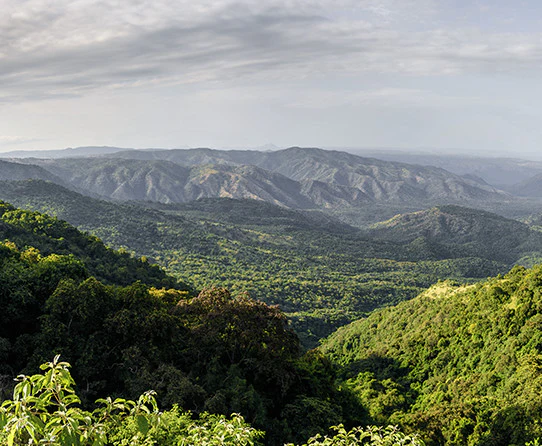 ]
In contrast,natural (sun-dried) processingis a more traditional approach that relies heavily on weather conditions and manual expertise. After harvest, the entire coffee fruit—including the pulp and skin—is directly exposed to sunlight and left to dry gradually, often taking over two weeks. This method allows the sugars and flavor compounds in the fruit pulp to penetrate the seed (i.e., the coffee bean), resulting in a richer sweetness and more complex fruitiness. Natural beans often have a fuller body and pronounced berry or tropical fruit flavors, though they may be slightly less consistent in flavor and cleanliness compared to washed beans.
Yirgacheffe’s natural processing is particularly meticulous, often utilizing raised African beds to prevent the coffee cherries from touching the ground, reducing the risk of off-flavors and contributing to its uniquely “clean fruitiness.” Many coffee lovers are drawn to this combination of intense sweetness and juicy character.
[Image placeholder: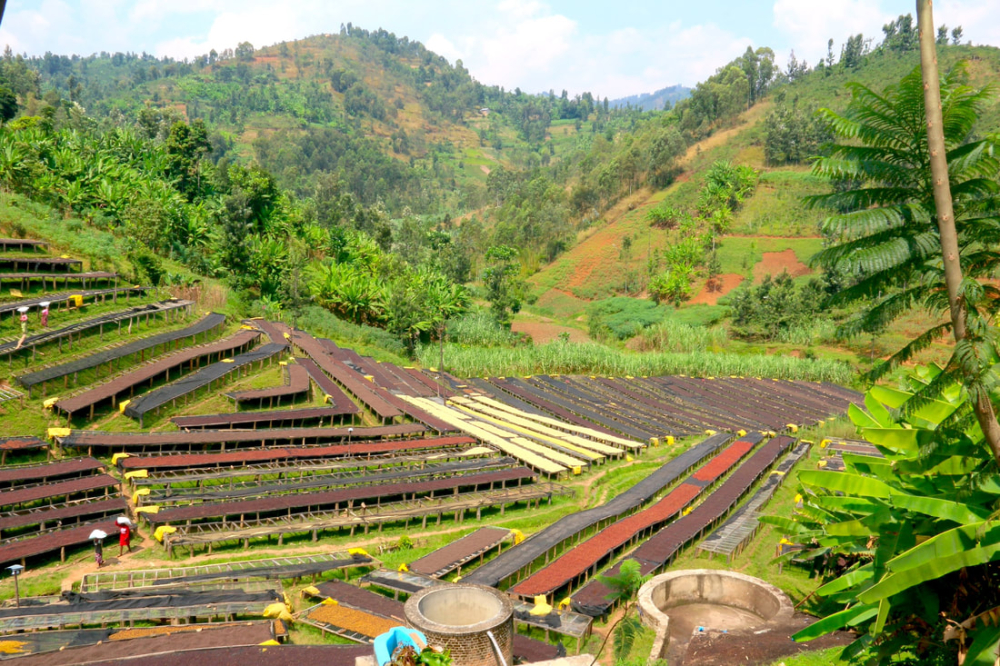 ]
Next, let’s focus on two representative Yirgacheffe beans: one is the naturally processed “Red Cherry,” and the other is the washed classic “Gutiti.” We’ll explore their specific differences in raw bean appearance, roasting traits, and brewing flavors.
“Yirgacheffe Natural Red Cherry” comes from the Aletaran Estate at elevations of 1,700–2,200 meters, using local heirloom varieties. Its natural processing preserves the full fruitiness, delivering intense aromatic fruitiness and sweetness. On the other hand, “Yirgacheffe Washed Gutiti” originates from the Gutiti Cooperative, grown at 2,000–2,100 meters and processed using the washed method, showcasing bright acidity, citrus notes, and an elegant tea-like finish. Both beans are Ethiopian heirloom varieties, but their distinct processing methods give them entirely different personalities.
In terms of raw bean appearance, natural beans—due to not being de-pulped and retaining some mucilage—are often yellow-green in color with more silverskin. Washed beans, having undergone soaking and cleaning, usually appear bluish-green with less silverskin. Additionally, Ethiopian coffee beans, due to their diverse and not fully classified varieties, often show size inconsistency—an occurrence that doesn’t affect flavor but may impact heat distribution during roasting, so a bit of extra attention is needed.
[Image placeholder: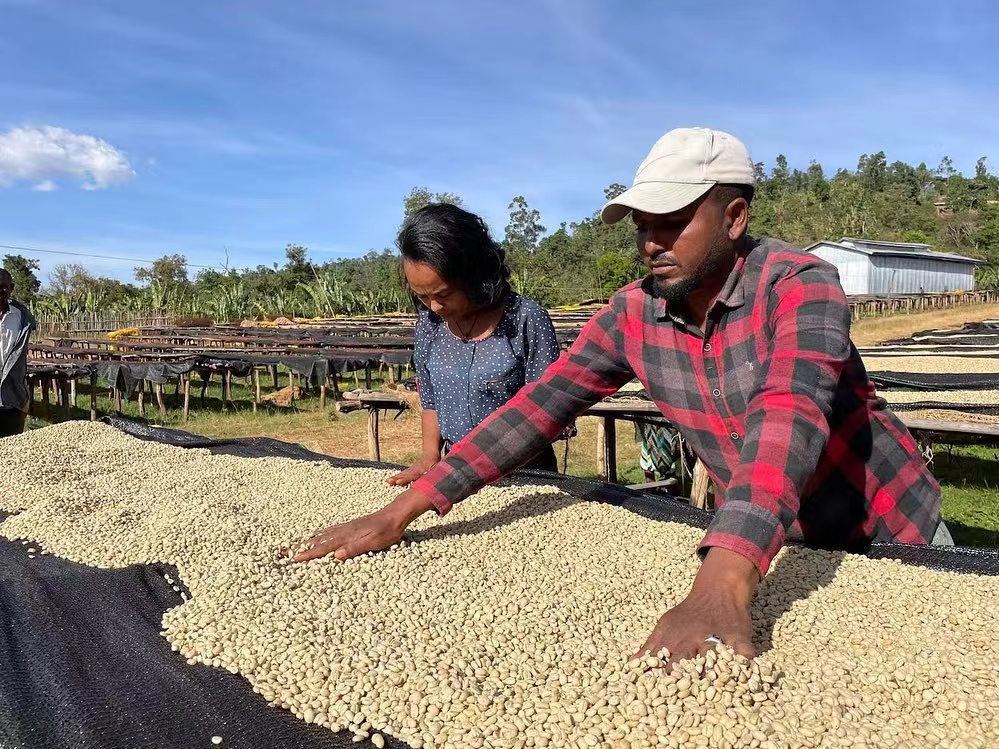 ][Image placeholder:
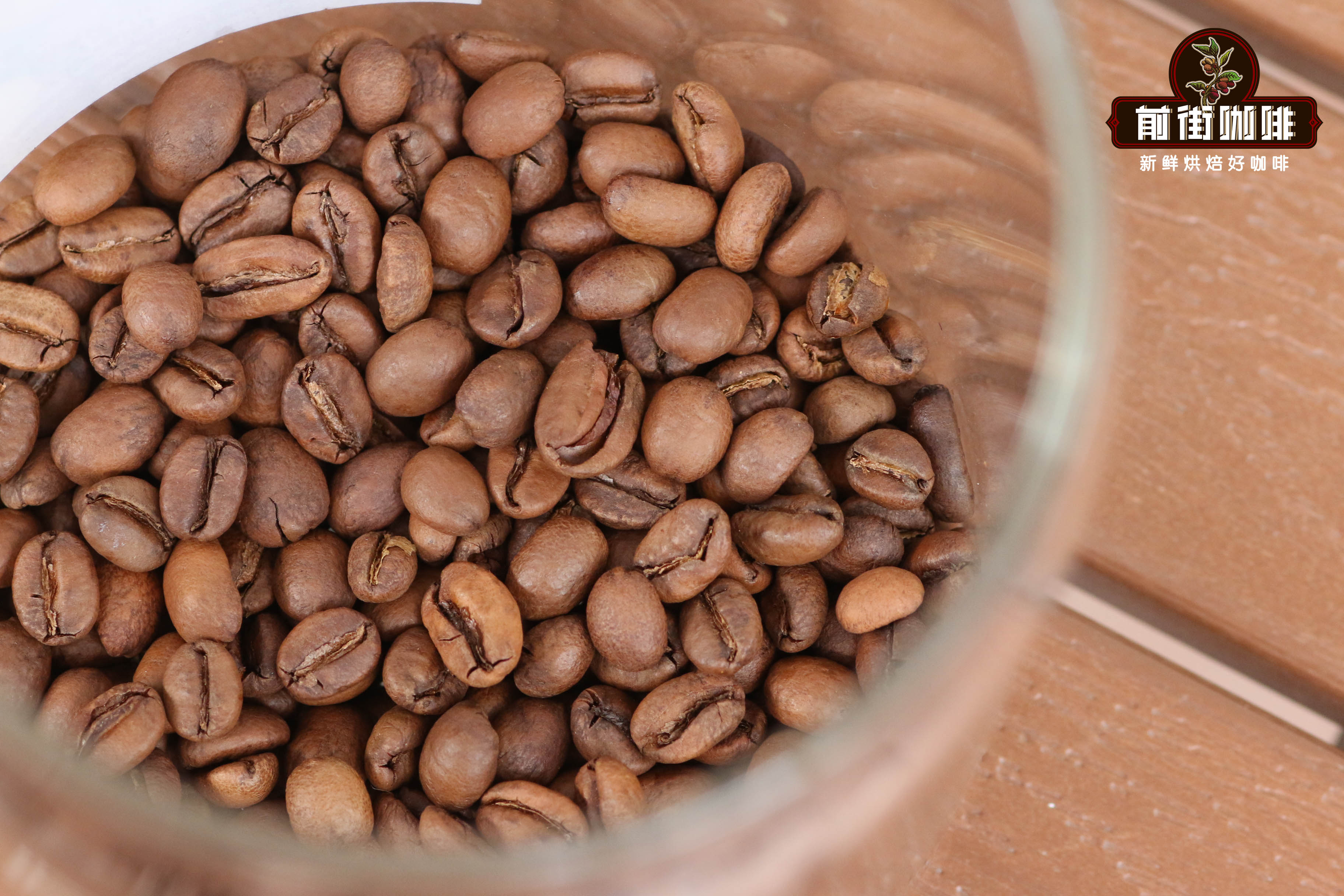 ]
Regarding roasting, the silverskin of natural beans typically comes off in larger sheets, making the roasted beans appear to have less silverskin. In contrast, the silverskin of washed beans, due to its firmer attachment along the center line, may still retain some after roasting. Recommended roasting parameters are as follows:
Natural Red Cherry: Roasted using a Yangjia 800N drum roaster, with a charge weight of 600g, inlet temperature of 200°C. Through multi-stage adjustments of temperature and air vent, first crack begins at 9’07”, and the batch is dropped at 194°C. This roast level highlights fruity sweetness without sacrificing bright acidity.
Washed Gutiti: Charge weight of 480g, inlet temperature of 175°C, dropped at 193.5°C, with about 1 minute and 30 seconds of first crack development. This profile emphasizes clear acidity and vibrant citrus notes.
In cupping, Natural Red Cherry shows intense dried fruit aromas such as strawberry, mango, and apricot jam. On the palate, it feels round like fruit-infused black tea, with a caramel and black tea aftertaste. Washed Gutiti, meanwhile, exudes fresh passionfruit and citrus acidity, with a bright and clean entry, finishing with honey sweetness and a tea-like sensation, offering exceptional clarity overall.
For pour-over recommendations, a V60 #01 filter cone is ideal, using 15g of coffee, a water temperature of 91–93°C, a 1:15 brew ratio, and a grind size of approximately 80% passing through a 20-mesh sieve (i.e., medium-fine pour-over grind). The suggested pouring technique is: start with a 30g bloom for 30 seconds, then pour in two stages totaling 225g of water, aiming for a total brew time of about 2 minutes. This method fully brings out the unique character of both beans.
After brewing, Natural Red Cherry presents flavors of lemon, licorice, berries, and sweet orange, with a high sweetness level and caramel and cream aftertastes. Washed Gutiti, on the other hand, showcases citrus, black tea, cream, and almond notes, with a pronounced sweetness and a refreshing, balanced mouthfeel.
[Image placeholder: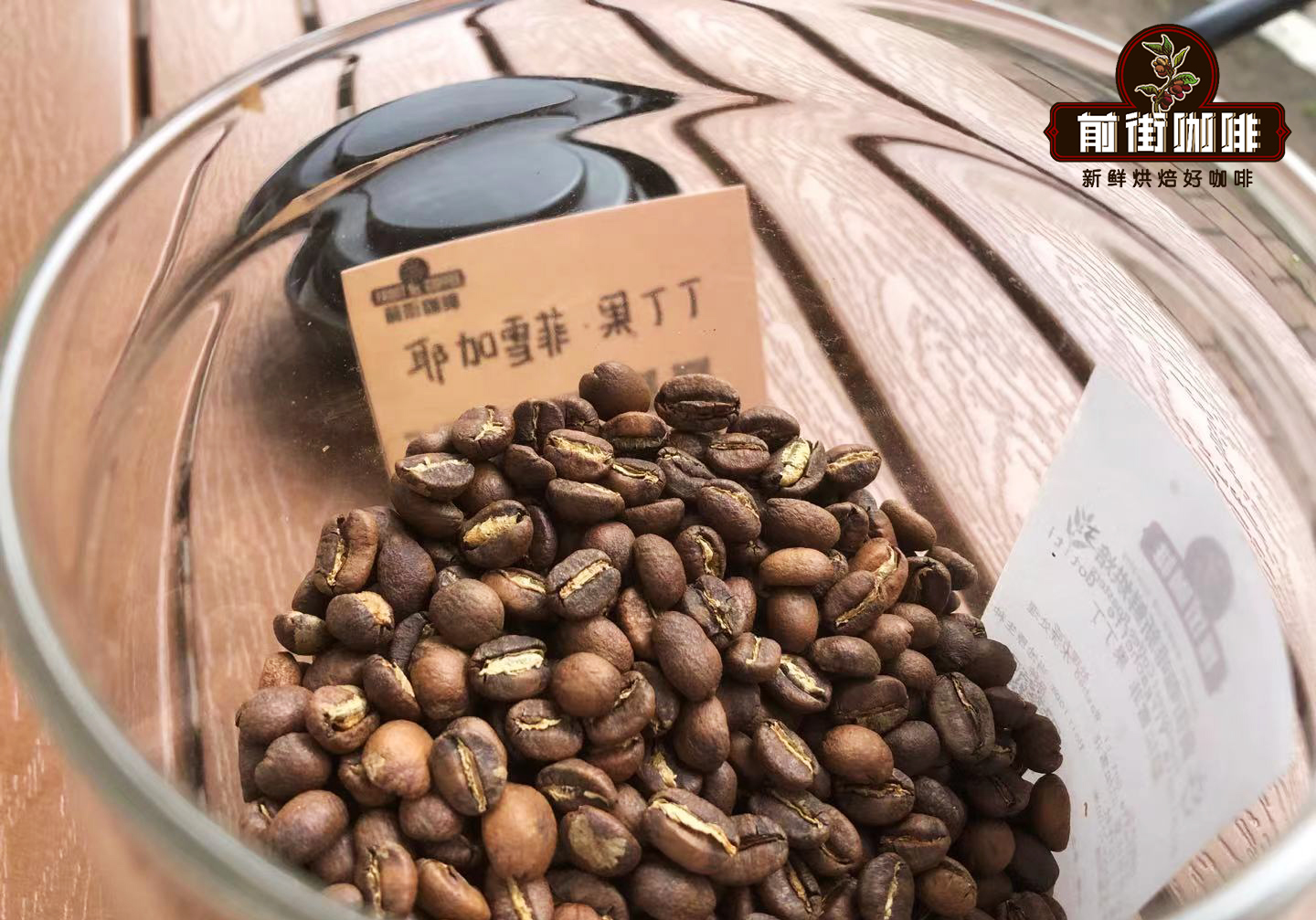 ]
In summary, both natural and washed processing methods of Yirgacheffe have their unique strengths: if you prefer intense fruitiness, rich sweetness, and a heavier body, natural beans are the way to go. If you favor bright acidity, a tea-like finish, and higher clarity, washed beans are the better choice. Either way, you’ll get to experience the charm of Yirgacheffe as a true specialty coffee destination.
The above content is compiled by CoffeeHunters, a coffee news website.


