







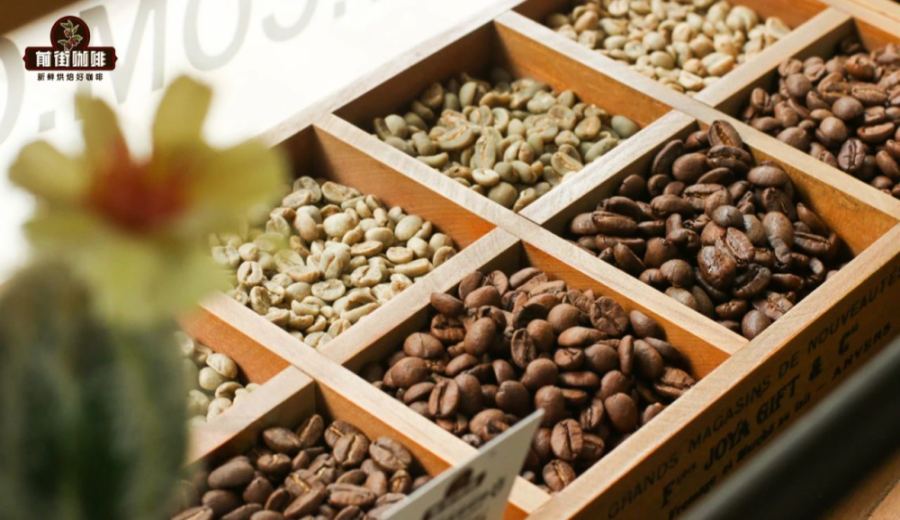
Introduction:Faced with a dazzling array of coffee beans, many beginners often struggle with whether to choose single-origin beans or blends. This article delves into the historical background and core concepts of Italian-style coffee blends, helping you understand the four key design principles and preparation processes. Through practical recipes, it analyzes the characteristics and application scenarios of different blend flavors. With detailed flavor descriptions and precise ratios of four classic Italian blends, along with professional espresso extraction parameters, it helps you master the logic of blending and brewing techniques.
Which is better at satisfying your taste buds—single-origin coffee or blended coffee? This is a common question among those new to the world of coffee. Especially in the professional realm of Italian-style coffee, blends are used even more widely. This article will start with the origins of blended coffee, gradually analyzing the definition, design principles, and preparatory steps of Italian blends, while breaking down blending techniques through examples. At the same time, we also use four classic Italian blend recipes as examples to detail the flavor characteristics and suitable scenarios of each bean, and finally provide professionally recommended espresso extraction parameters to help you make more informed choices from bean selection to brewing.
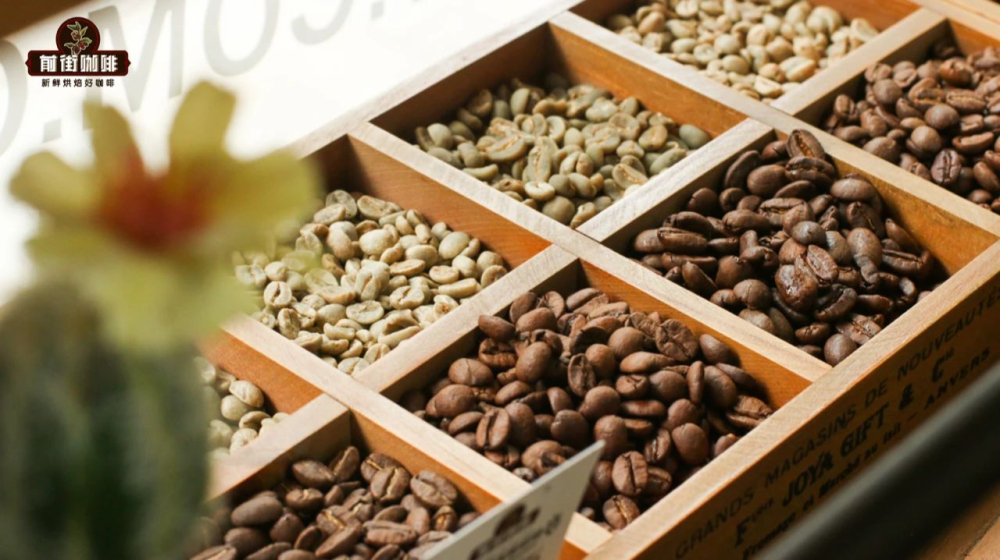
The history of blended coffee can be traced back to the 17th century when people began experimenting with mixing beans from different origins to create richer flavor combinations. One early famous example is the “Mocha Java” blend, combining beans from Java in Indonesia and Yemen’s Mocha. Over time, this technique was widely adopted in Italian-style coffee, with blends like the Mamba (a mix of Mandheling and Brazilian beans) being classic cases. So, what are the advantages of blended coffee? And how can you create a blend that meets your needs? Let’s explore these questions one by one.
So-called Italian coffee beans generally refer to beans specially blended for making espresso. The basic concept of blending is to mix beans from different regions, varieties, or even processing methods in specific proportions, with the goal of creating layers and balance that single-origin beans cannot achieve. Common blends use two to three types of beans, but can also expand to five or six. In addition to aiming for complementary and harmonious flavors, blends are often used to control costs—for example, by adding a certain proportion of Robusta beans to traditional recipes to enhance crema and body, making them suitable as the base for milk-based coffees.
Designing a successful Italian blend requires following several key principles. First, the beans involved should have distinctly different characteristics, such as varying origins, processing methods, or flavor profiles. Avoid choosing beans with similar flavor profiles, such as those from the same origin or processed the same way, in order to create layers. Second, the ratio design of the blend is crucial—equal proportions can easily cancel out flavors, so it’s recommended to have a primary and secondary structure to make the overall flavor more prominent. Third, blends can be divided into “green blending” and “roast blending”: green blending mixes different green beans in proportion before roasting, while roast blending combines them after roasting. The choice depends on the flavor characteristics you wish to emphasize. Fourth, in terms of flavor, aim for a balance between acidity and sweetness, and it’s recommended to use 2 to 6 types of beans—the more types, the more likely the focus will blur. Lastly, blending is an ongoing process of adjustment and experimentation. It’s advised to draft a blending plan in advance and use multiple cuppings to find the best combination.
Before officially blending, it’s recommended to clarify the target flavor profile—for example, whether you want the blend to primarily exhibit richness, fruity acidity, or chocolatey notes. Next, deeply understand the characteristics of each single-origin bean, including origin, altitude, processing method, and roasting suitability, which helps predict their contribution to the blend. Additionally, you must grasp the most prominent flavor traits of each bean, such as pronounced bitterness, bright acidity, or rich body, and then plan its role in the overall blend.

Taking Yunnan small-grain coffee as an example, this type of bean is commonly used in Italian blends, especially the Catimor variety, which has Robusta genes and is naturally suited as a base for Italian coffee. An ideal espresso should have low acidity, high body, and silky, dense crema. This layer of crema not only carries aroma but also extends the finish. The advantage of Yunnan beans lies in their innate qualities, which already possess the oiliness required for traditional Italian coffee. To further enhance the flavor, Brazilian beans can be paired—they bring stability with their body and low acidity. When both are medium-dark roasted, they produce a balanced and oil-rich blend effect.
Next, we’ll use four commonly seen Italian blends on the market as examples to analyze their recipe ratios and flavor profiles:
1. Dark Cocoa Blend
This is a widely recommended Italian moka pot bean, with a recipe ratio of Yunnan : Brazil = 3 : 7. In terms of flavor, it presents gentle fruity acidity, distinct caramel sweetness, and notes of nuts and dark chocolate. The mouthfeel is smooth and viscous, but the overall profile is relatively mild, making it suitable for drinkers who prefer low-acidity and rich-bodied flavors.
2. Commercial Blend
This blend contains a small amount of Robusta beans, with a recipe of Colombia : Brazil : Robusta = 3 : 6 : 1. Thanks to the addition of Robusta, the crema is richer, and the flavor delivers a classic caramel sweetness paired with notes of nuts, cocoa, and dark chocolate. It achieves a balanced acidity and sweetness with a slight bitter edge, and a long-lasting finish—making it highly suitable for milk-based coffees like lattes or cappuccinos.
3. Premium Blend
Made with beans from Colombia’s Huila region and Brazilian beans in a 3 : 7 ratio. Huila beans, cultivated at high altitudes, offer aromas of nuts, chocolate, and caramel, paired with medium-roasted Brazilian beans. The flavor is soft with slight acidity and a notable sweetness, presenting an overall mild profile with medium crema properties—suitable for drinkers who prefer delicate textures.
4. Sunflower Warm Sun Blend
This blend features Honduran sherry cask beans and sun-dried Yirgacheffe Red Cherry as the main components, in a 6 : 4 ratio. The sherry cask beans provide body and depth of flavor, while Yirgacheffe contributes pronounced fruity acidity and berry aromas. The overall profile showcases wine-like notes, rich chocolate, and berry tones, with a long-lasting sweetness—ideal for those who enjoy fruity and winey flavors.
Finally, here’s a set of professionally recommended espresso extraction reference parameters: using a Galileo Q18 grinder, set the grind size to 1.6, maintain a pressure of 9 bar, control the water temperature at 94°C, use 20g of coffee (for a double shot), and aim for an extraction time of 20 to 30 seconds, yielding about 40ml in total. Under these parameters, the espresso will present a smooth mouthfeel and medium body, while highlighting pronounced fruity acidity, berry aromas, whiskey-like notes, and rich chocolate tones—with a long-lasting finish.
The above content is compiled by CoffeeHunters, a coffee news website.


