







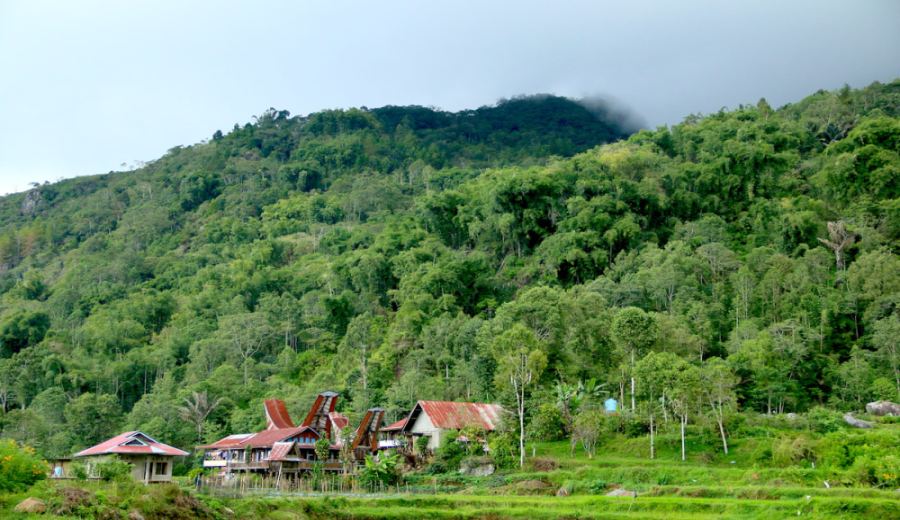
Introduction:Indonesian Sumatra Mandheling coffee is renowned for its rich, bold flavors and low acidity, with the wet hulling process being key to shaping its distinctive character. This article delves into the terroir differences among Sumatra’s three renowned regions—Aceh Gayo, Lintong, and Mangkuraja—analyzes the processing traits and impacts of wet hulling, and provides a detailed comparison of the flavor profiles and brewing methods for four popular Mandheling coffees. It also offers expert-level pour over recommendations to help you fully appreciate the charm of Mandheling from origin to cup.
As Indonesia’s largest island, Sumatra is not only a powerhouse of the country’s coffee production but also one of the world’s must-know regions for specialty coffee enthusiasts. Locally grown beans generally feature low acidity, high body, and unique herbal or earthy aromas, with “Mandheling” being the most well-known. However, Mandheling is not a place name but originates from the name of an indigenous ethnic group and is often mistakenly thought of as a region. Most of Sumatra’s coffee is cultivated on small farms, with about 90% produced by family-run operations, at altitudes typically ranging between 1100 and 1600 meters, with the harvest season concentrated from September to December each year.
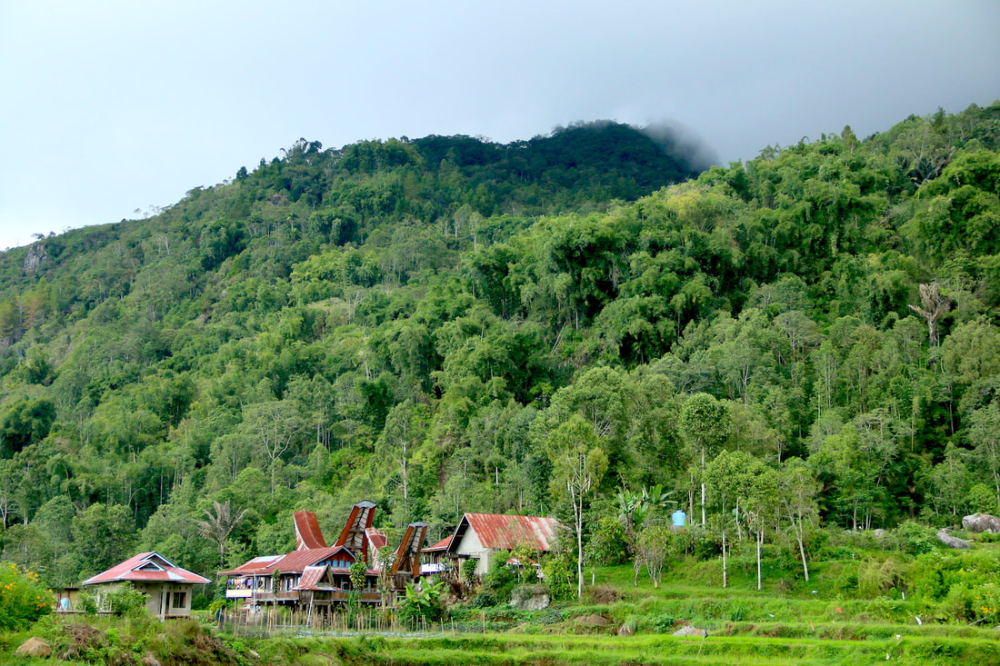
The main coffee-growing areas in Sumatra can be divided into three major zones: northern Aceh Province (especially the Gayo region), the area surrounding Lake Toba in central Sumatra, and the increasingly noted southern Mangkuraja region. These areas encompass detailed producing regions such as Takengon, Bener Mariah, Lintong, Sidikalang, and Dolok Sanggul, which were historically all commonly referred to as “Sumatra Mandheling.” In reality, however, the term “Mandheling” is not a geographical name but derived from the name of the island’s indigenous people. Coffee bean grades are typically categorized as Grade 1 and Grade 2 based on cup quality rather than bean appearance. Since exports mostly pass through the port of Medan and are often affected by prolonged exposure to humid and hot conditions, storage and transportation conditions are also crucial factors influencing the final flavor.
The general coffee-growing altitudes in Sumatra are: Aceh region 1100–1300 meters, Lake Toba region 1100–1600 meters, and Mangkuraja region 1100–1300 meters. The main cultivated varieties include Typica (such as Bergandal, Sidikalang, and Djember), Timtim, Ateng, and Onan Gajang, among which Ateng and TimTim are commonly found in commercial-grade beans from regions like Lintong.
Sumatra’s three famous producing regions each have their own characteristics. First is the northernmost Aceh Gayo region, surrounding the beautiful Lake Tawar, at an altitude of about 1110 to 1300 meters, with annual rainfall as high as 2200 millimeters, fertile volcanic soil, and mostly shade-grown by smallholders. This results in relatively restrained, full-bodied flavors, often exhibiting rich notes of chocolate and dried fruit, with a steady and layered mouthfeel.
Next is the Lintong region surrounding the world’s largest volcanic crater lake—Lake Toba. The terrain here is diverse, with coffee farms mostly located on plateaus and fern-covered hills, at altitudes generally between 1200 and 1500 meters. Shade-free cultivation is practiced, and the beans are processed using the wet hulling method. This method gives Lintong Mandheling a deep yet vibrant full body, with uniquely identifiable and highly distinctive flavors, making it a significant source of Mandheling coffee worldwide.
The third key producing region is Mangkuraja in South Sumatra, situated on the cool and pristine slopes west of the Bukit Barisan mountain range, at an altitude of 1100 to 1300 meters, surrounded by tropical rainforests, rivers, and natural spring water sources. The coffee from this region benefits from its unique growing environment, resulting in relatively balanced flavors, moderate acidity, and delicate notes of leather and fruit, with a full and unforgettable mouthfeel, highly favored by seasoned coffee connoisseurs.
When discussing Sumatra coffee, one cannot overlook its iconic “wet hulling” (Wet-Hulling) process. This traditional method involves removing the coffee cherry skin, fermenting, and washing off the mucilage, then—while the parchment coffee still has a moisture content as high as 30%–50%—prematurely removing the husk (i.e., the bean’s outer shell) before the beans are fully dried. This practice significantly shortens the drying time to just 2–4 days, effectively reducing acidity while increasing body and intensity. It often imparts caramel, fruity, herbal, and even woody notes, forming the core of Sumatra’s signature flavor. However, because there is insufficient protective layer during the process, the beans are more susceptible to mold and fungal attacks, raising the risk of defects and leading to the common phenomenon of “elephant ear beans”—surface cracks or scratches on the beans caused by mechanical pressure. These affect appearance but not necessarily flavor.
Below is a comparison of the flavor profiles and practical brewing parameters for four popular Mandheling coffees on the market:
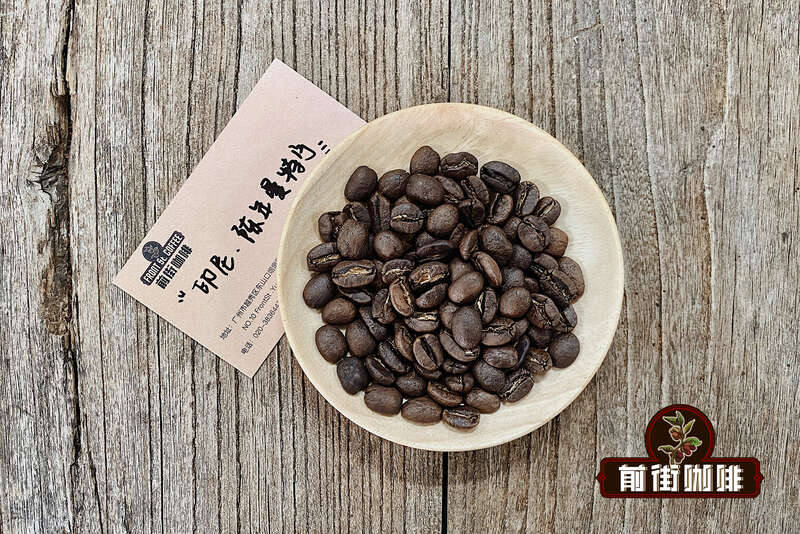
1. This Indonesian Sumatra Lintong Mandheling is Grade G1, grown at 1100–1600 meters altitude, with the Ateng TimTim variety, processed using wet hulling. Its flavor profile often includes spices, black chocolate, and caramel notes, with a full and clean mouthfeel, and a finish that carries hints of toasted bread and subtle bitterness.
2. This PWN Gold Label Mandheling from the Aceh Gayo mountains, grown at 1100–1600 meters altitude, is of the Typica variety and must bear the PWN trademark. This bean is known for its uniformly plump grains and clear, pure flavors, with a full body and long-lasting aftertaste. It is ideal for single-origin pour over or as a high-quality gift. It is recommended to use medium-dark roasting, paired with medium-coarse grind (e.g., 70% passing through a #20 sieve), brewed with a KONO filter, 87°C water temperature, and a 1:15 coffee-to-water ratio, to fully bring out the dominant notes of nuts and chocolate.
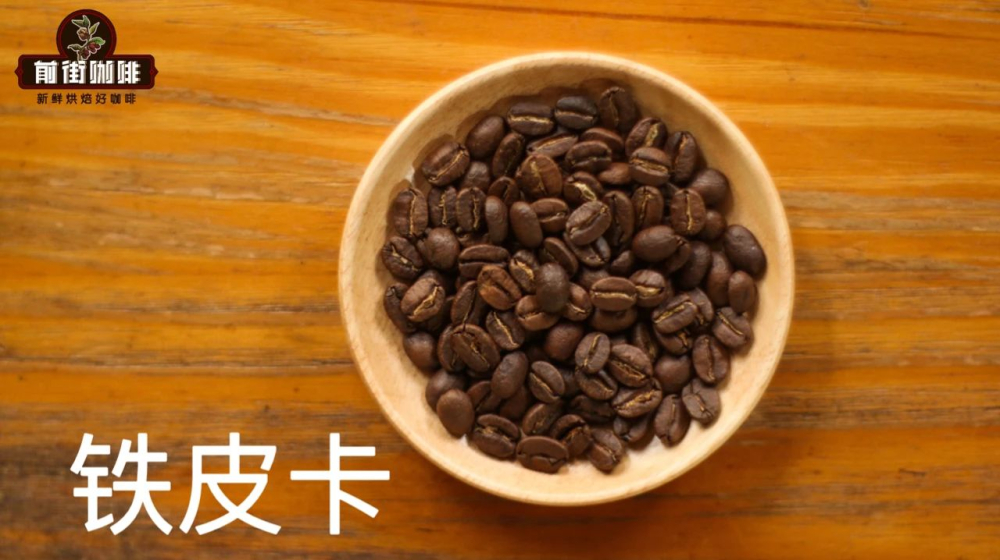
Brewing recommendation as follows: Wet the filter to improve fit, add 15 grams of coffee grounds, bloom with 30 grams of water for 30 seconds, then pour in a small stream in circular motions centered on the grounds until reaching 125 grams, then pause for a bloom break, followed by pouring up to 225 grams. Allow full drainage to complete the brew. These parameters effectively control extraction balance and avoid over-extraction that can lead to unwanted off-flavors.
In summary, Sumatra Mandheling, with its unique wet hulling technique and regional terroir, showcases rich, bold, low-acidity flavors with great complexity. Whether you’re a beginner or a seasoned coffee lover, you’ll find your own cup of Sumatra charm among these three regions and classic processing methods.
The above content is compiled by CoffeeHunters, a coffee news website.


