








Introduction:Want to understand the pricing tiers and flavor differences of Panamanian Geisha coffee beans? This article delves into the grade positioning, processing methods, and typical flavor profiles of Emerald Red Label, Green Label, and Blue Label (now known as Volcanic Rock Geisha), along with pour over parameter recommendations and regional background, to help you choose based on your needs and master the optimal brewing method.
Geisha coffee has long been regarded as the ultimate representation of specialty coffee, with its delicate floral and fruity notes and unique bright acidity, attracting countless coffee enthusiasts. However, Geisha beans can be subdivided into different grades based on origin, altitude, processing method, and auction mechanisms, resulting in significant differences in price and flavor. This article will take you from the growing environments of Panama’s Emerald Estate and Deborah Estate, gradually analyzing the actual differences between Red Label, Green Label, and Blue Label (now renamed Volcanic Rock Geisha), and providing practical pour over suggestions and flavor expectations to give you a more comprehensive understanding of this “coffee industry’s white moonlight.”
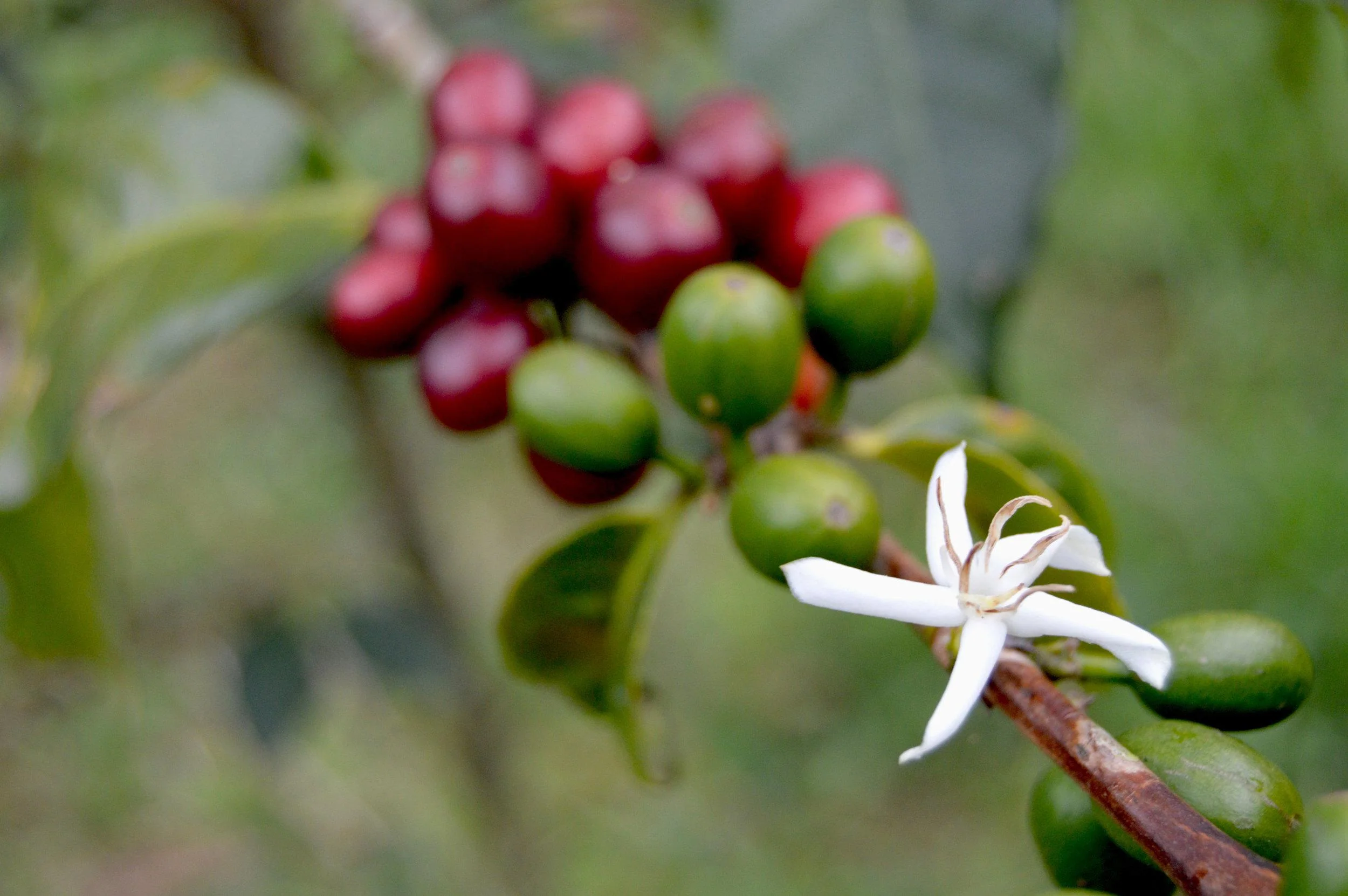
The Geisha (Geisha/Gesha) variety is extremely particular about its growing environment and can only showcase its unique flavors under conditions of high altitude, cloud cover or tree shade protection, and fertile soil. Its name, due to its similarity in pronunciation to the Japanese word for “geisha” (芸者), was also once translated as “Geisha coffee” in the early days. It was first introduced to China in 2006 by Mr. Yuan of Camano Coffee and officially named “Geisha,” a term that has been used ever since. To taste this legendary variety, it’s essential first to understand its grading and corresponding pricing.
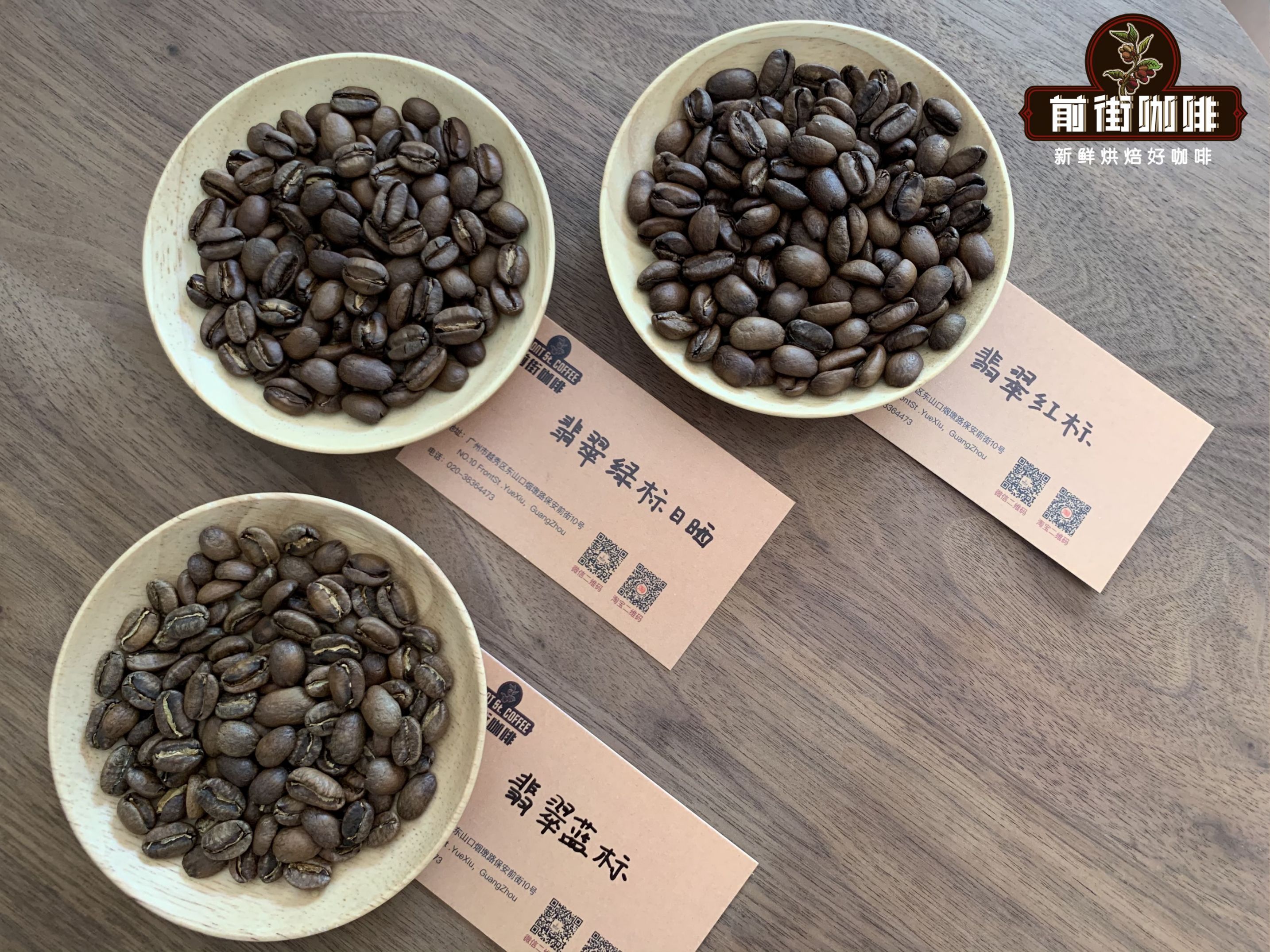
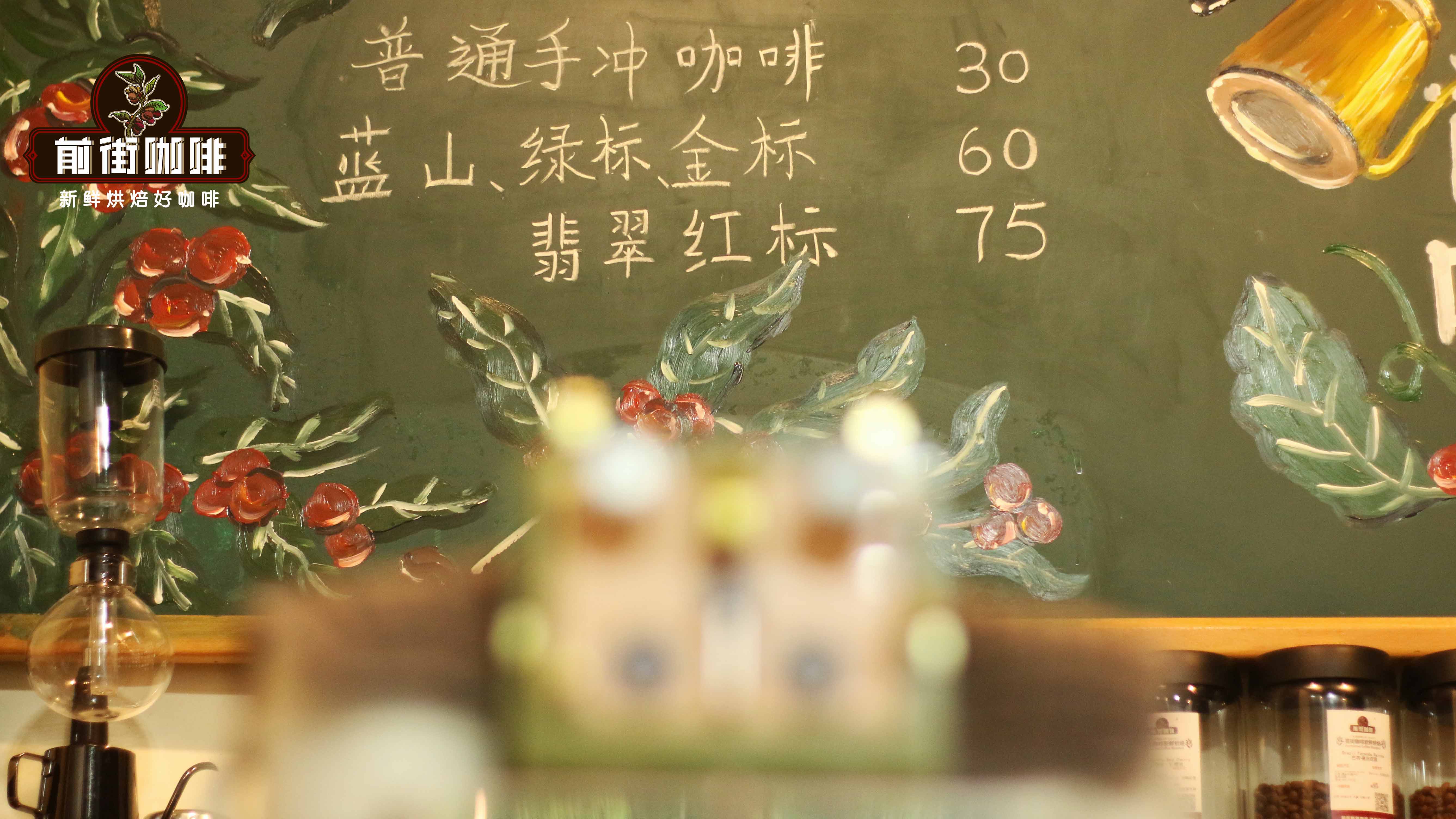
Taking the pricing of a well-known roasting brand as an example, its Emerald Red Label Geisha pour over is priced at 75 RMB per cup, using the natural process, presenting a complex fruit profile with refined sweet and sour notes; the Green Label is 60 RMB per cup, using the washed process to bring out clean white floral notes and signature citrusy honey tones. These prices not only reflect the processing methods but are also closely related to the beans’ origin, altitude, and auction background.
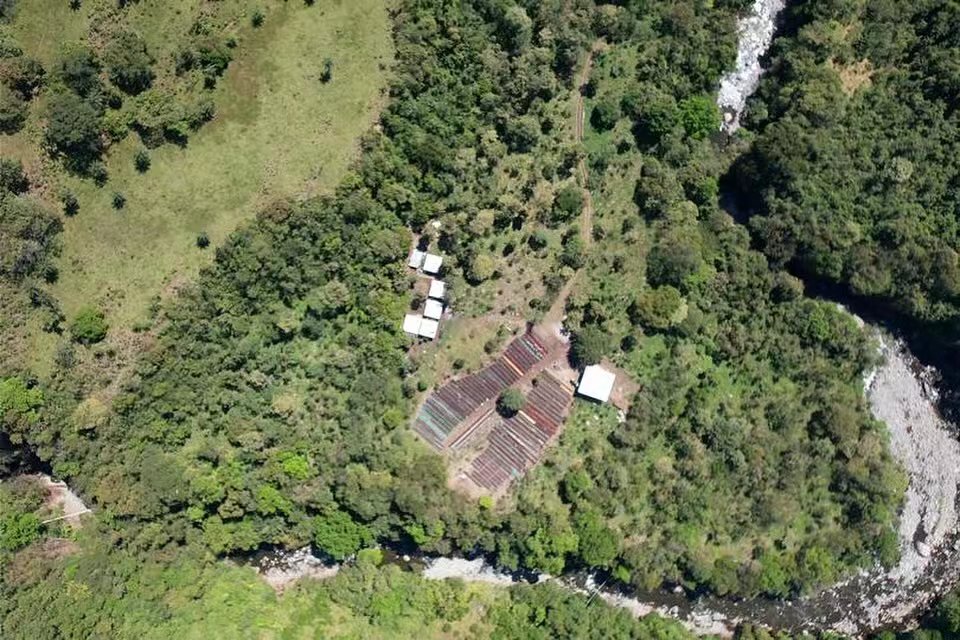
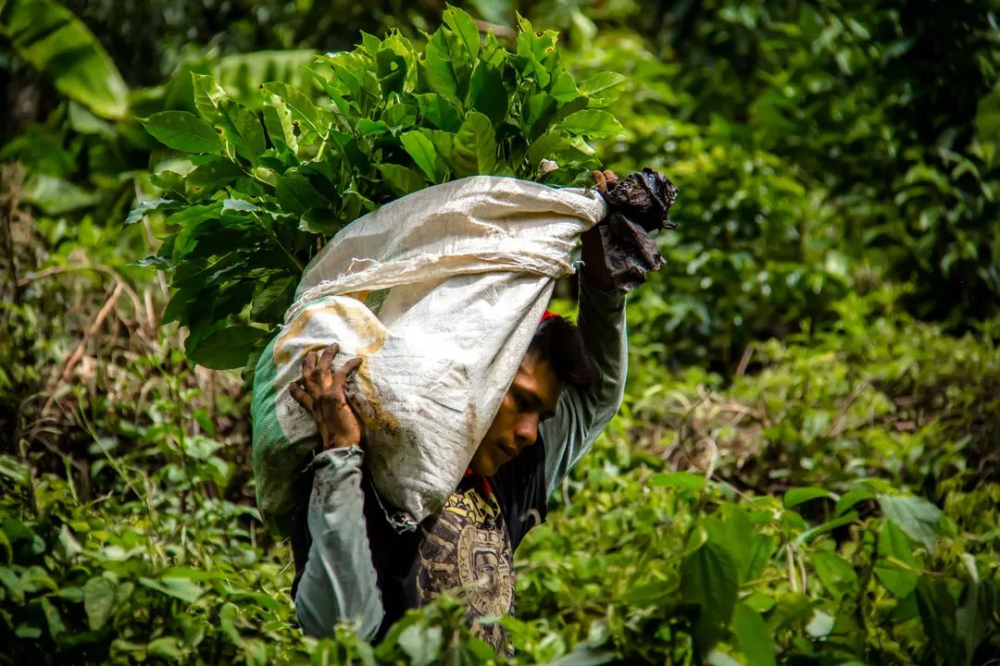
Panama is located in Central America, bordering Costa Rica and Colombia. Its coffee industry has had inherent advantages since its inception. Particularly in the Boquete region, situated in the Chiriquí Volcanic Range, it boasts fertile volcanic soil, stable precipitation, abundant water sources, and year-round cloud cover, creating the perfect conditions for Geisha coffee’s exceptional flavor expression. The nearby Volcán region has also become an emerging hub for Geisha in recent years, thanks to its unique microclimate and high-altitude environment.
Deborah Estate is a high-altitude farm located in the Volcán region, recently introduced by a roasting brand with its Geisha offerings. The estate is situated in the high mountains of the Chiriquí Volcano, at an altitude between 2000 and 2350 meters, making it one of the highest-altitude coffee farms in Panama. Nighttime temperatures can drop to 10°C, allowing for more concentrated sugar accumulation in the coffee cherries. Coupled with an average annual rainfall of 2200 mm and a year-round tropical rainforest cloud environment, Deborah Estate is able to nurture richly flavored and ecologically sustainable Geisha beans.
Not only is Deborah Estate remote and rich in biodiversity, but it also adheres to natural farming practices, avoiding fuel-powered machinery or chemical pesticides, maintaining ecological balance through organic composting and weed management, greatly reducing pest and disease threats, and further stabilizing yield and quality. Such environmental conditions allow its Savia Series Geisha to exhibit clean, bright white floral notes, pineapple-like sweet and sour sensations, and a full body—making it an excellent choice for experiencing high-altitude Geisha flavors.
Now let’s look at Emerald Estate, whose history dates back to 1964, originally established as a dairy farm by American banker Rudolph Peterson after his retirement, and later transformed into coffee cultivation by his son Price. In 1996, after merging into the Jaramillo Estate, it was unexpectedly discovered that the coffee trees at the highest point of the estate possessed unique floral and fruity aromas, distinct from traditional Panamanian flavors. After identification, this variety turned out to be the Ethiopian Geisha. Since then, Emerald Estate has been dedicated to planting and refining the processing of the Geisha variety, establishing its status in the specialty coffee world.
Currently, Emerald Estate’s Geisha is divided into Red Label, Green Label, and Blue Label (now renamed Volcanic Rock Geisha) based on altitude and plot. The Red Label comes from the Jaramillo and Canas Verdes regions, at altitudes between 1600 and 1800 meters, often scoring above 90 points in cupping tests, and is available only through global auctions. Processing methods include natural and washed, with flavors characterized by bright floral notes, citrus, and complex fruit aromas. It’s worth noting that auction-grade and non-auction-grade Red Labels actually come from the same plots—the former simply undergoes an auction process, resulting in a much higher price.
The Green Label Geisha is also grown at altitudes between 1600 and 1800 meters, but is a blend from multiple plots, does not participate in auctions, and therefore cannot be traced to a single plot source. Its processing methods also include washed and natural, with flavors showcasing jasmine tea characteristics, bright acidity, and prominent sweetness. The natural version often features soft sweet and sour notes of passionfruit and floral tea, with overall performance still being very excellent—it’s a highly cost-effective choice.
As for the commonly seen Blue Label (now called Volcanic Rock Geisha), it is grown at altitudes between 1400 and 1500 meters, blended from three plots: Jaralmillo, Canas Verdes, and El Velo. Initially only available with the washed process, starting in 2020, a natural version was introduced, featuring more exuberant passionfruit, camellia, and citrus aromas, with a relatively lighter body but still retaining the classic characteristics of Panamanian Geisha. Starting in 2021, Blue Label batches were renamed Las Rocas (Volcanic Rock Geisha), with flavor performance consistent with the old Blue Label—consumers need not worry about any change in quality.
In terms of pricing, the aforementioned roasting brand offers Emerald Red Label Geisha at 350 RMB per 100 grams, Green Label at 168 RMB, and Volcanic Rock Geisha (formerly Blue Label) at 108 RMB—all at reasonable market prices. It’s recommended to start with the Green Label to experience it within your budget and flavor preference, then progress to trying the Red Label and Volcanic Rock Geisha to appreciate the nuanced differences brought by varying altitudes and processing methods.
For brewing recommendations, since most Geisha beans are lightly roasted, to fully showcase their layered profile, it’s advised to use a relatively high water temperature (around 91°C) and a finer grind size (78% passing through a Chinese standard No. 20 sieve, close to medium-fine grind), with a 1:16 powder-to-water ratio for extraction, which helps enhance flavor details. It’s recommended to use a V60 #01 filter, with water temperature controlled at 91°C, 15 grams of coffee, and a total of 240 grams of water, brewed in three pours: first blooming with 30 grams of water for 30 seconds, then pouring to 125 grams for the first pour, and finally adding water up to 240 grams to complete the extraction, taking about 2 minutes in total—to fully present Geisha’s citrus, floral, and fruity acidity layers.
In summary, from the auction-level fruit explosion of Emerald Red Label, to the balanced floral-tea tone of Green Label, to the approachable flavor presentation of Volcanic Rock Geisha, the diversity of Panamanian Geisha is enough to satisfy coffee lovers at all levels, from beginners to advanced. As long as you master the correct selection and brewing methods, you can fully experience the endless charm of these coffee beans.

The above content is compiled by CoffeeHunters, a coffee news website.


