







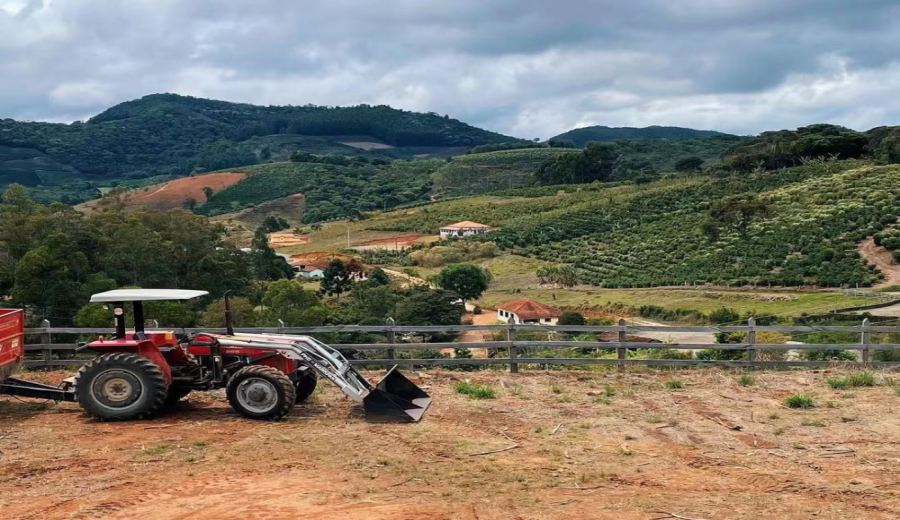
Introduction:Brazil is the world’s largest coffee-producing country, supplying not only a vast amount of commercial beans but also the origin of many specialty single-origin coffees. This article delves into the characteristics of Brazil’s four major producing regions, common processing methods, and the flavor variations brought about by different altitudes and varieties. It also provides pour-over parameters and brewing recommendations for renowned farms such as Fazenda Rainha, helping you better understand the diverse expressions of Brazilian coffee.
As the world’s leading coffee producer, Brazil not only supplies stable volumes of commercial-grade coffee beans but also holds a significant place in the specialty market. Whether you’ve ordered a pour-over based on Brazilian beans at a café or sipped an espresso blend containing Brazilian beans, the coffee from this South American giant quietly influences your taste buds. This article will take you on a deep dive into the diverse facets of Brazilian coffee — from regional distribution and processing techniques to actual flavor profiles — and analyze which regions and brands are worth trying.
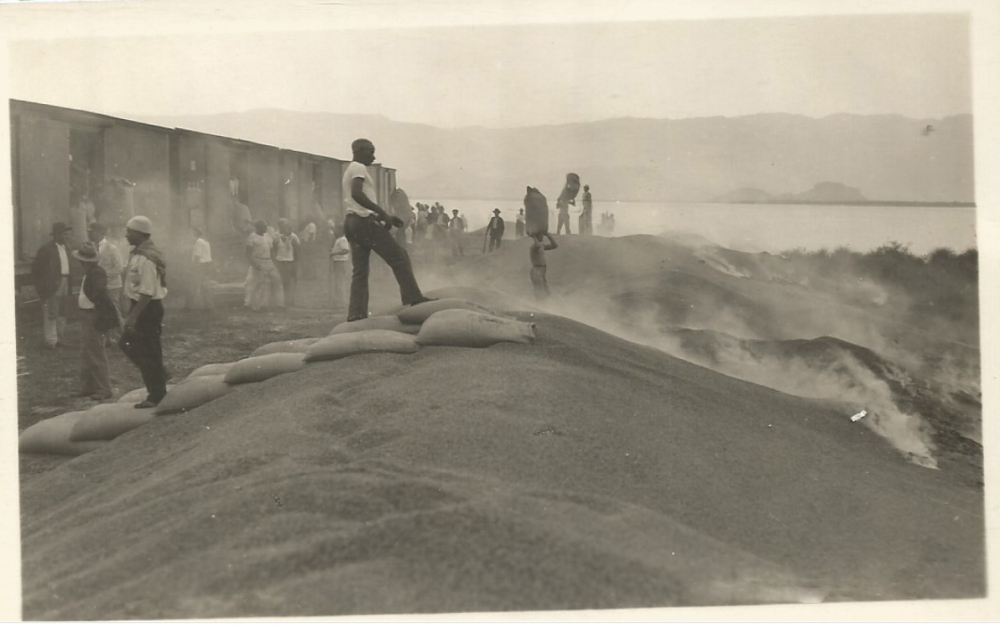
The history of coffee cultivation in Brazil dates back to the 18th century, when Brazil was still a Portuguese colony. A military officer named Francisco Palheta introduced the first coffee seeds from French Guiana. These seeds quickly adapted to Brazil’s climate, and coffee cultivation gradually shifted from the north to the south. By 1845, Brazil’s coffee production accounted for nearly 45% of the global total, making São Paulo state an early economic pillar. Over time, Brazil developed a complete production and sales system and remains the global leader in coffee exports to this day.
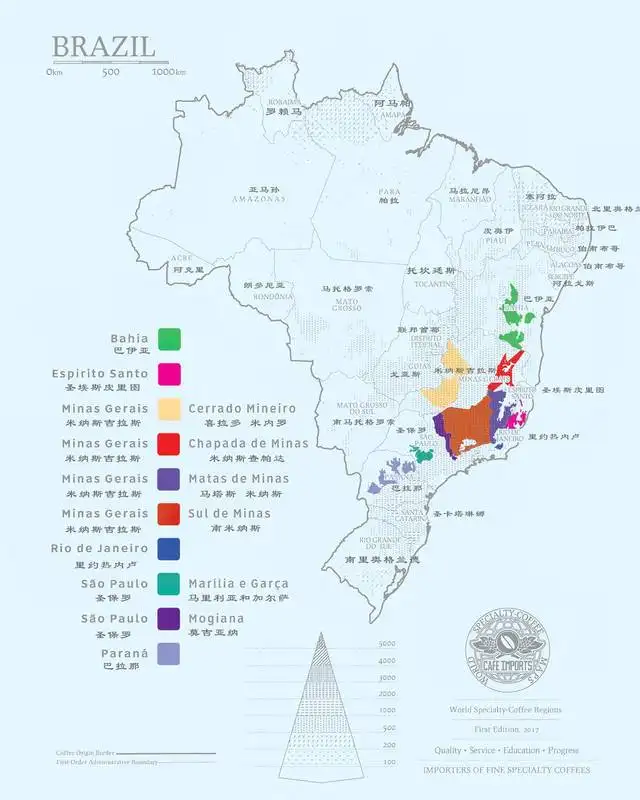
According to official Brazilian data, more than 14 states are involved in coffee production, but nearly 90% of the output is concentrated in seven major states. These producing regions can be roughly divided into two types: the western region, where Robusta dominates, and the southeastern region, which produces high-quality Arabica. Among these, Minas Gerais and São Paulo are the most representative — the former being the top producer in terms of volume, and the latter boasting a long-standing coffee-growing culture.
Minas Gerais accounts for nearly half of the country’s annual coffee production. The state is further divided into four main producing regions: Cerrado, Sul de Minas, Chapada de Minas, and Matas de Minas. Among them, the Cerrado region, with its flat terrain, is highly suitable for large-scale mechanized operations, and many large export farms are located here, typically spanning 10 hectares or more. In contrast, Sul de Minas, Chapada de Minas, and Matas de Minas feature hilly terrains and are mostly operated by smallholders who maintain high quality through manual harvesting.
São Paulo is well known for the Mogiana region, named after the railway operating company ‘Coffee Railway’ established in 1883. The construction of the railway significantly improved transportation conditions, enabling coffee to be transported more quickly to ports and markets, thereby driving the local planting industry’s flourishing growth. Mogiana has an altitude of around 900 to 1100 meters, with an average annual temperature of about 20°C. Its hilly terrain gives the coffee excellent sweetness, acidity balance, and rich aroma. Fazenda Rainha featured on certain menus is from this very region.
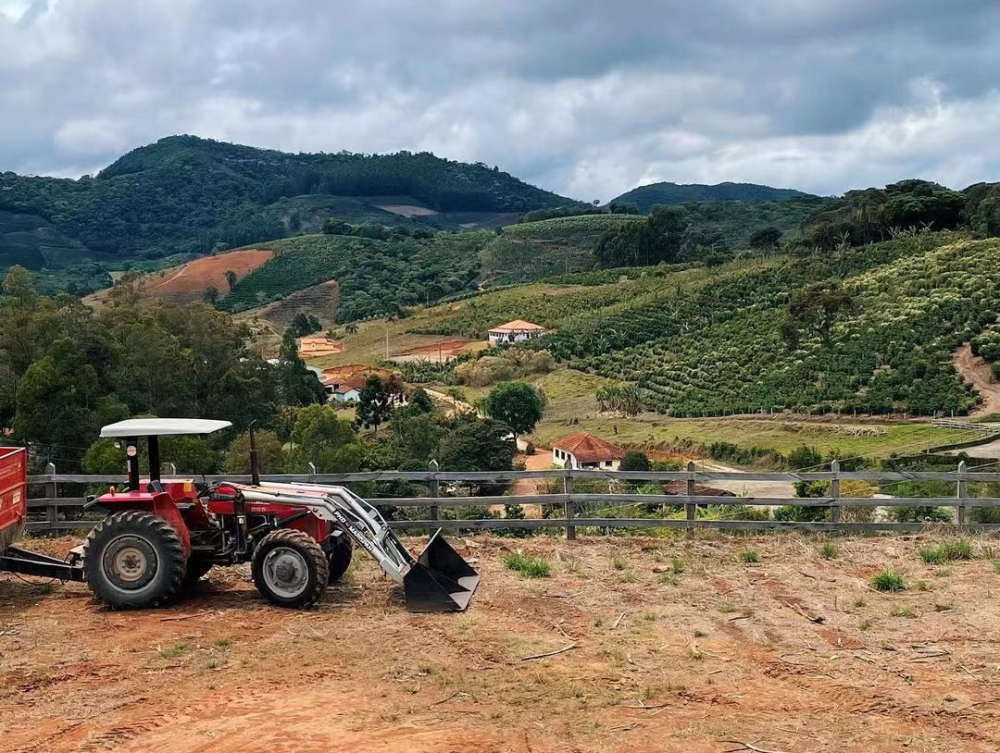
Fazenda Rainha is one of Brazil’s well-known specialty coffee farms. It has been recognized by the first edition of the Brazilian COE (Cup of Excellence) competition and has long received positive market feedback for its consistently high-quality offerings. The farm specializes in the Yellow Bourbon variety — a Bourbon mutation that produces yellow fruit. These beans are typically known for their pronounced sweetness, good cleanliness and balance, along with tropical fruit aroma characteristics. These traits make it an ideal choice for pour-over enthusiasts.
In terms of green bean processing, due to Brazil’s dry climate, with the harvest season often falling in the dry season, the natural (sun-dried) method is a common processing choice. However, traditional sun drying in the past often involved spreading beans directly on dirt surfaces, leading to unwanted off-flavors. To address this, Brazil began promoting the semi-washed method (also called pulp natural or Pulped Natural) since the 1990s. This approach involves removing the coffee cherry's skin and part of the pulp, followed by short fermentation and washing, then drying with some mucilage still attached. This method not only saves water and shortens drying time but also retains richer flavor complexity.
Brazil’s Cerrado coffee uses the semi-washed process, enhancing cleanliness through multiple screenings. Meanwhile, Fazenda Rainha employs small-batch, refined sun drying, with the entire process carried out on African raised beds to ensure even drying and avoid over-fermentation or earthy off-notes, resulting in even more outstanding sweetness. Brazil’s green bean grading system is quite rigorous, primarily categorizing beans based on defect rate, bean size, and cupping results. These details are clearly labeled on the sacks — for example, ‘Brazil NY.2 SC – 17/18 FC Cerrado’. Here, NY.2 indicates a grade with extremely low defect rates, SC means the taste is very smooth, and FC denotes excellent cup quality.
Flavor-wise, Brazilian coffee commonly exhibits base notes of nuts, cocoa, chocolate, and toasted bread — which is why many Brazilian beans suit medium-to-dark roasting to enhance their rich, low-acidity profile. Home brewers might notice slight differences compared to café brews, often due to grind size, water temperature, and brewing technique. For brewing fuller-bodied coffees like Fazenda Rainha, it is recommended to use a KONO filter, whose unique rib design extends contact time between water and coffee grounds, improving body and extraction evenness.
Recommended pour-over parameters are as follows: water temperature controlled at 87–88°C, using medium-coarse grind (approximately 70% passing through a Chinese standard #20 sieve), 15 grams of coffee, a 1:15 coffee-to-water ratio, and a three-stage pouring method. First, bloom with twice the coffee weight in water for about 30 seconds. Then pour with a slow stream in circular motions from the inside out until reaching 125 grams, pause while the coffee bed settles halfway down the filter, then continue pouring up to 225 grams. Total extraction time is around 2 minutes. After brewing, gently swirl the coffee to enjoy a Brazilian cup rich in layers, sweet, and well-balanced.
The above content is compiled by CoffeeHunters, a coffee news website.


