








Introduction:An international coffee chain has launched a variety of specialty coffee beans globally, among which the Kenya and Antigua Guatemala beans have garnered particular acclaim among coffee enthusiasts. This article provides an in-depth analysis of the origin characteristics, variety backgrounds, and processing methods of these two premium beans, along with practical pour over parameters and brewing suggestions to help you achieve an ideal flavor balance—ideal for readers looking to explore specialty coffee further.
Starbucks currently offers as many as 13 coffee bean options, spanning blends, single origins, and espresso types—from their signature Pike Place Roast to high-altitude single origins from Africa and Central and South America, each with distinctive flavors. Among them, the Kenya and Antigua Guatemala single origin beans stand out for their pronounced regional characteristics and refined processing techniques. This article will focus on these two popular bean varieties, detailing their varietal origins and post-harvest methods, and offering proven pour over recommendations to help you brew similarly high-quality coffee at home.

Starbucks’ 13 coffee bean offerings include: Phoenix Dance Auspicious Clouds Blend, Pike Place Roast, Kenya, Preferred Blend, Antigua Guatemala, Ethiopia, Colombia, Breakfast Blend, Sumatra, Decaf Auspicious Dragon Blend, Espresso Roast, Dark Roast, and Verona. These beans range from blends to single origins, among which the Kenya and Antigua Guatemala are the most representative, showcasing bright acidity and delicate floral-fruity notes, making them great starting points for understanding specialty coffee.
Kenya Coffee: Distinct Acidity and Rich Layers
Starbucks’ Kenya coffee beans have been on the market since 1971, and the iconic African elephant pattern on the packaging has become its hallmark. Many coffee lovers describe the taste of Kenya beans as resembling the African elephant—boasting a rich and substantial body while also delivering outstanding acidity.
Kenya is located in East Africa, with the equator running through the country and the East African Rift Valley stretching from north to south. The terrain is primarily plateau, with an average elevation of about 1,500 meters across the country, and Mount Kenya (Batian Peak) rising to 5,199 meters, the second highest peak in Africa. The region enjoys a cool climate, significant day-night temperature variations, and a high-altitude environment, all of which provide excellent conditions for coffee cultivation.
Kenya’s coffee plantations are mainly concentrated in six regions: Kirinyaga, Nyeri, Kiambu, Murang’a, Embu, and Machakos. The main harvest seasons in these areas are from October to December, with a secondary season from June to August.
Varietal Characteristics: The Classic Combination of SL28 and SL34
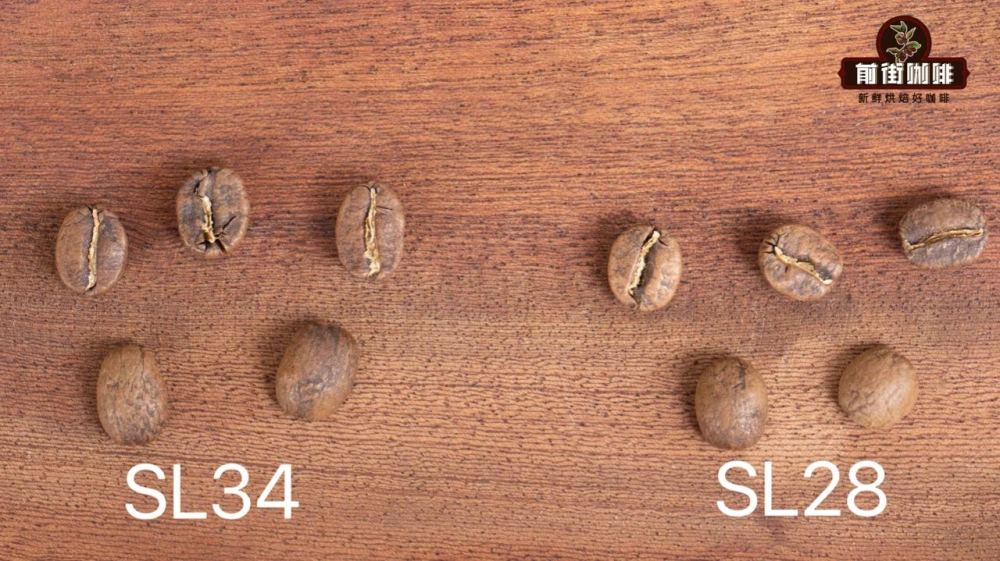
Common coffee varieties in Kenya include SL28, SL34, and Ruiru11. Among these, SL28 and SL34 are the soul varieties of Kenyan coffee, carefully selected and cultivated by the Scott Agricultural Laboratories in the 1930s from 42 varieties, primarily from Bourbon and Typica genetic lineages.
SL28 features intense acidity and a bright profile, with distinctive sour notes reminiscent of black plum and cherry tomato; SL34, meanwhile, offers relatively softer acidity but equally complex layers. Together, these two varieties account for 90% of Kenya’s coffee production and have gradually been introduced and cultivated in South America. Ruiru11 is a hybrid developed to resist coffee leaf rust. Though disease-resistant, it doesn’t match the SL series in terms of flavor complexity.
Kenya-Style 72-Hour Washed Process
The most famous post-harvest process for Kenyan coffee is its unique “Kenya 72-hour washed method” (K72). In this method, freshly picked coffee cherries are initially sorted on the same day, then depulped and undergo three cycles of 24-hour fermentation and washing, totaling 72 hours of fermentation. This process effectively enhances the clarity of acidity and purity of aroma.

Brewing Recommendations and Tested Parameters
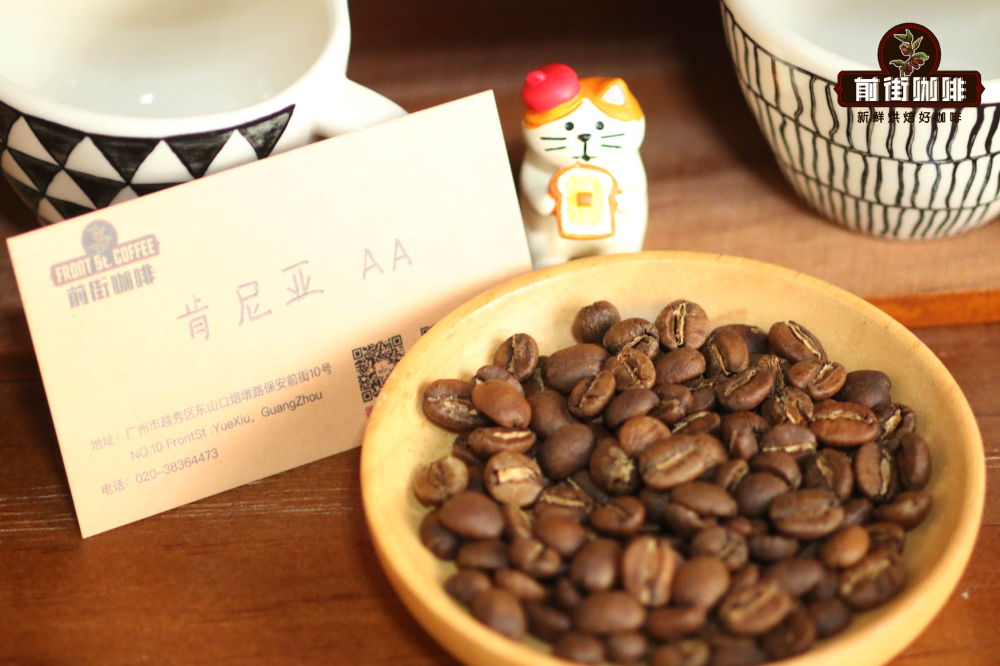
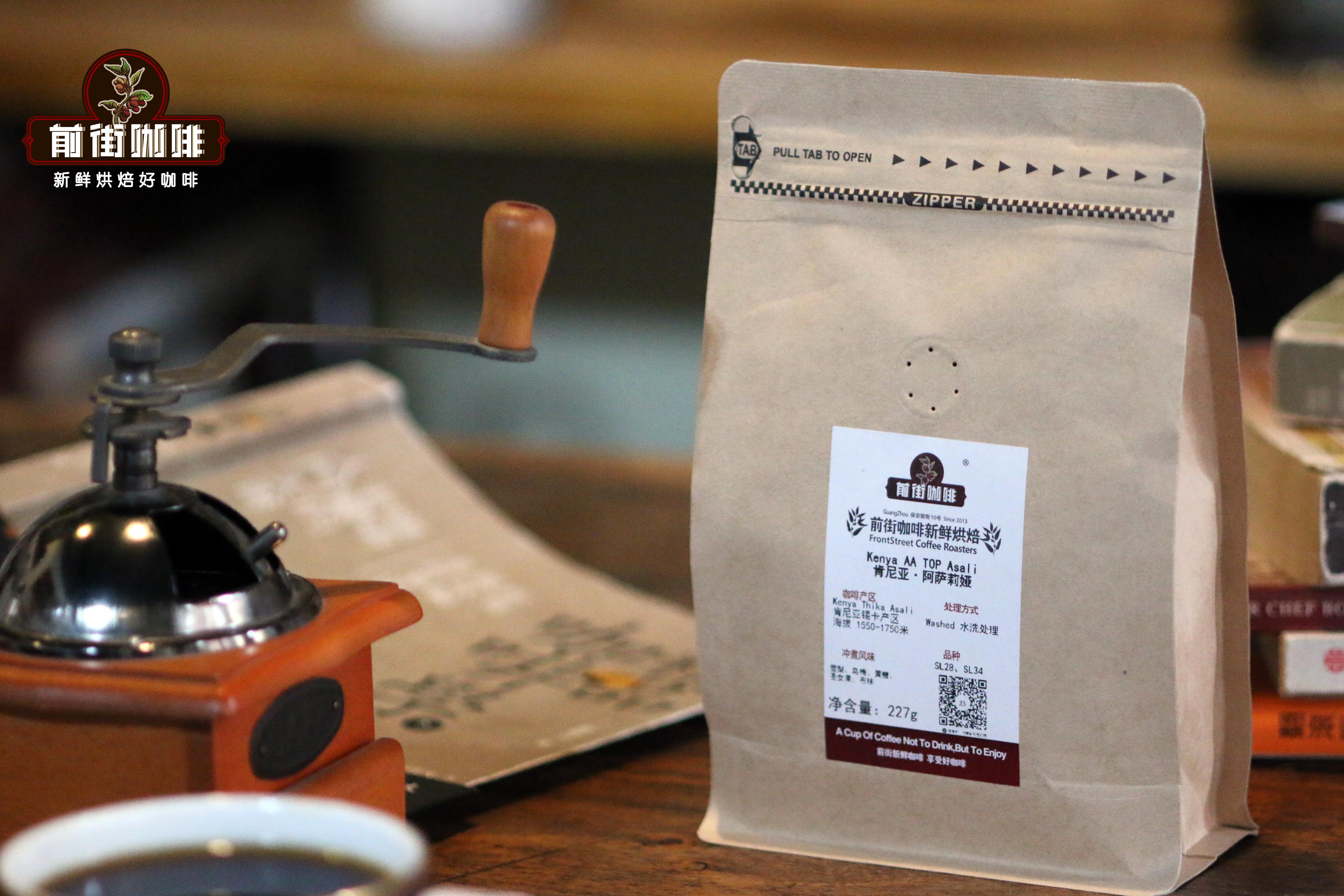
A certain brand conducted tested roasting and pour over parameter sharing for Kenya Asali (from Kirinyaga, processed at Asali Washing Station, altitude 1550–1750m, varieties SL28 & SL34, processed via K72). To highlight its bright acidity, it is recommended to uselight roast, and brew witha V60 filter cone and water temperature of 90°C–91°Cto balance acidity and flavor complexity.
The suggested coffee-to-water ratio is 1:15, with grind size around 80% through a #20 sieve, similar to fine sugar. The specific pour over steps are: first pour 30g of water for a 30-second bloom, then add 95g of water, and when the water level drops to two-thirds of the coffee bed, add another 100g. Total extraction time should be around 2 minutes, fully highlighting its black plum and cherry tomato dry fragrance, as well as caramel and fruity wet aroma.
Antigua Guatemala Coffee: Floral-Fruity Aroma and Full-Bodied Finish
Guatemala’s Antigua region is considered one of the birthplaces of the country’s coffee and is also a highly representative source of premium beans. The area is surrounded by three volcanoes—Agua, Fuego, and Acatenango—with Fuego being active and continuously replenishing the soil with minerals. Additionally, Antigua lies in a sheltered valley with mild and stable climate, annual humidity around 65%, and elevations generally above 1,500 meters, helping the coffee mature slowly and accumulate complex flavors.
The region’s pristine forests protect the soil structure, while day-night temperature differences and stable microclimates contribute to the unique personality of Antigua coffee—delicate yet layered, often exhibiting floral notes, citrus acidity, and soft sweetness, with a long finish reminiscent of fine wine.
Laminita Flora: A Symbol of Quality and Craftsmanship
The Guatemala Antigua Flora used by a certain brand comes from the Laminita estate (La Flor del Café), processed by the renowned Pastores mill under strict supervision from the Laminita team. This coffee includes Bourbon and Caturra varieties—the former bringing intense acidity and high sweetness, while the latter contributes a fresh lemony note.
Traditional Washed Process
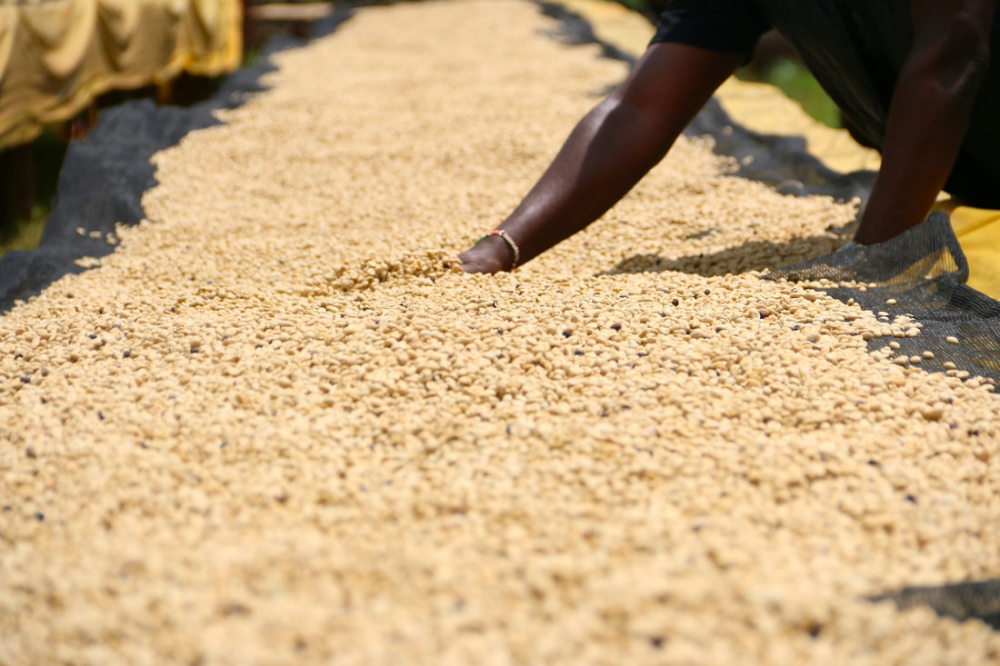
This batch of Flora coffee is processed using the traditional washed method: unripe and floaters are first removed, followed by pulping to leave mucilage-covered beans. The beans then undergo 16–36 hours of fermentation to break down mucilage via microbes, are thoroughly rinsed with clean water, and finally sun-dried to a moisture content of 10–14% before the parchment is removed.
Pour Over Parameters and Brewing Techniques
To fully express its floral-fruit aroma and clear acidity, it is recommended to usemedium-light roast, paired witha V60 filter cone and water temperature of 91°C. The testedcoffee-to-water ratio is 1:15, with grind size at 78% through a #20 sieve, similar to fine sugar. The suggested procedure is: start with 30g of water for a 30-second bloom, then pour 95g, and once the water level drops, add another 100g. Total time is about 2 minutes and 10 seconds, which helps avoid over-extraction and highlights delicate floral and citrus tones.
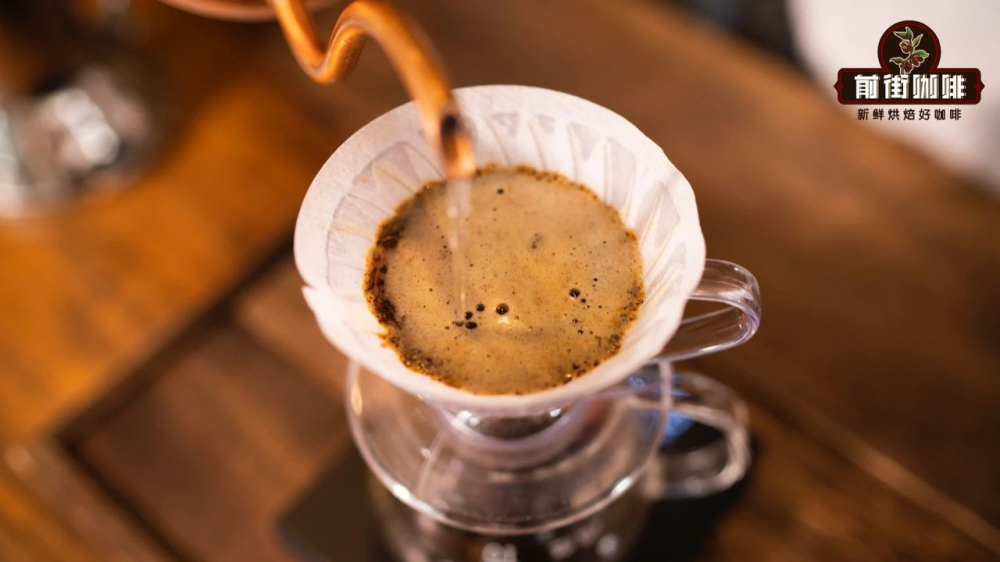
This coffee presents a fusion of floral, citrus, wine-like finish, and soft smoky notes, with a silky mouthfeel, long and layered aftertaste—making it an excellent choice for those who enjoy nuanced and refined coffee flavors.
The above content is compiled by CoffeeHunters, a coffee news website.


