







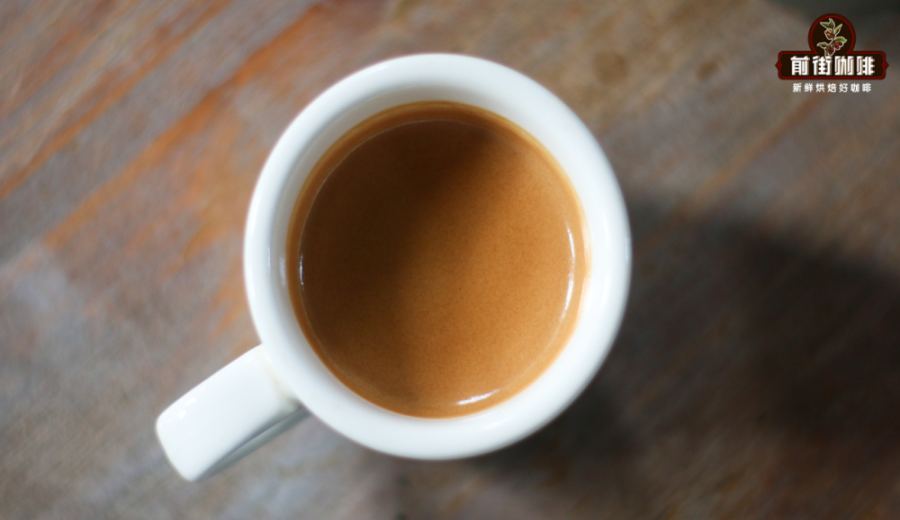
Introduction:To brew delicious Americanos, lattes, or cappuccinos, a high-quality espresso is an indispensable foundation. This article delves into the pressure extraction principle of espresso machines, explains in detail the adjustment logic of four key parameters—dose, time, yield, and grind size—and explores why blends are better suited as the base for espresso. Additionally, it provides a practical workflow from distributing the coffee grounds, tamping, to observing the extraction, as well as specific methods for adjusting parameters based on extraction results, helping you consistently master the flavor balance of espresso.
Although we rarely order a shot of espresso alone in daily life, to make a satisfying Americano, latte, or cappuccino, you must first have a quality espresso base. This article will start with the machine's operational principles, gradually breaking down the key variables that affect extraction, and guide you through how to achieve a balanced and richly textured espresso through proper parameters and techniques.
First, the extraction of espresso relies on high-pressure water flowing through an extremely finely ground coffee puck, which is fundamentally different from typical drip pour over methods. Under high pressure, even very finely ground coffee can maintain a stable flow rate and extraction efficiency. Fine particles have a large surface area, allowing them to quickly release aromatic compounds, while high pressure forces water deep into the coffee cells, extracting rich oils and flavor compounds.
No matter which extraction method is used, the core goal is to use water to draw out the desirable flavor compounds from the coffee. About 30% of the components in coffee beans are water-soluble, of which only roughly 20% are the aromatic small molecules that deliver pleasant flavors—these are released more quickly. In contrast, larger molecules such as those responsible for woody or bitter tastes take longer to dissolve. Therefore, adjusting the appropriate parameters to allow the optimal components to enter the cup just right is a skill every barista must master.
What makes espresso unique is its ability to present highly concentrated and complex layers of flavor, which is difficult for other brewing methods to achieve. A successful shot of espresso needs a balance among the three basic tastes—acidic, sweet, and bitter—to deliver a rich and comfortable mouthfeel. Therefore, besides parameter adjustments, actual tasting and judgment are indispensable steps.
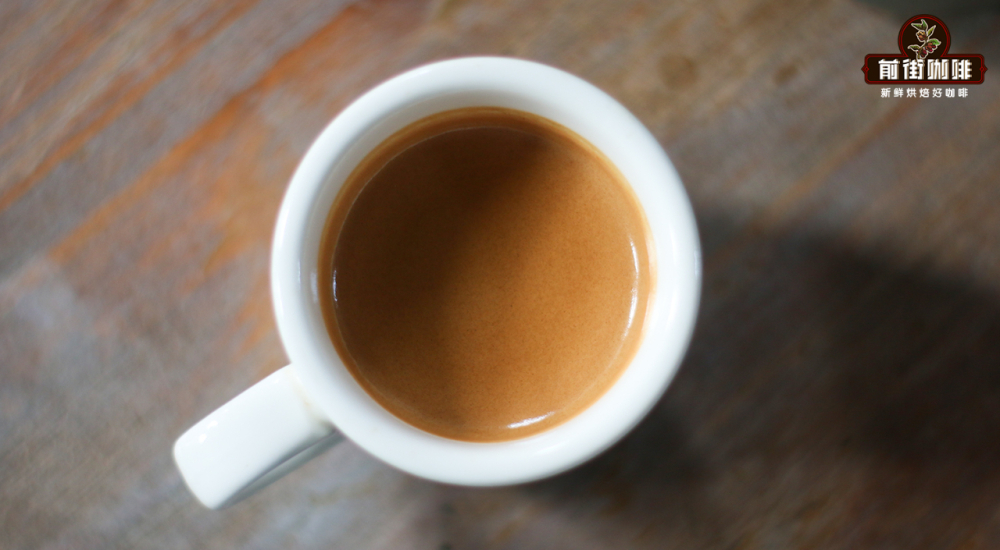
From bean selection and grinding to actual extraction, the entire process involves many variables, such as grind size, water temperature, pressure, distribution evenness, tamp firmness, dose, extraction time, and yield. Usually, the machine’s pressure and water temperature are pre-set, while distribution and tamping may vary based on the barista’s habits. For general users, the four most commonly adjusted parameters are dose, extraction time, yield, and grind coarseness. It’s worth emphasizing that the quality of the coffee beans themselves has a significant impact on the final extraction result, so choosing the right beans is crucial.
So, what kind of coffee beans are suitable for espresso? Since espresso is typically brewed under conditions of fine grind, high water temperature, and high pressure, the flavor profile is greatly amplified. Using single-origin beans with light roasts may result in overly sharp or intense flavors, which can mask the coffee’s inherent aromas. In contrast, blends can complement the strengths of beans from different regions, providing a more stable and balanced aroma and taste.
It is recommended to use a dark roast blend, such as a combination of beans from Brazil, Indonesia, and Vietnam. These beans can deliver a rich, bold aroma and help form a thick and fine crema. To ensure extraction performance and flavor expression, it is advised to use freshly roasted coffee beans within five days of roasting for the best flavor experience.
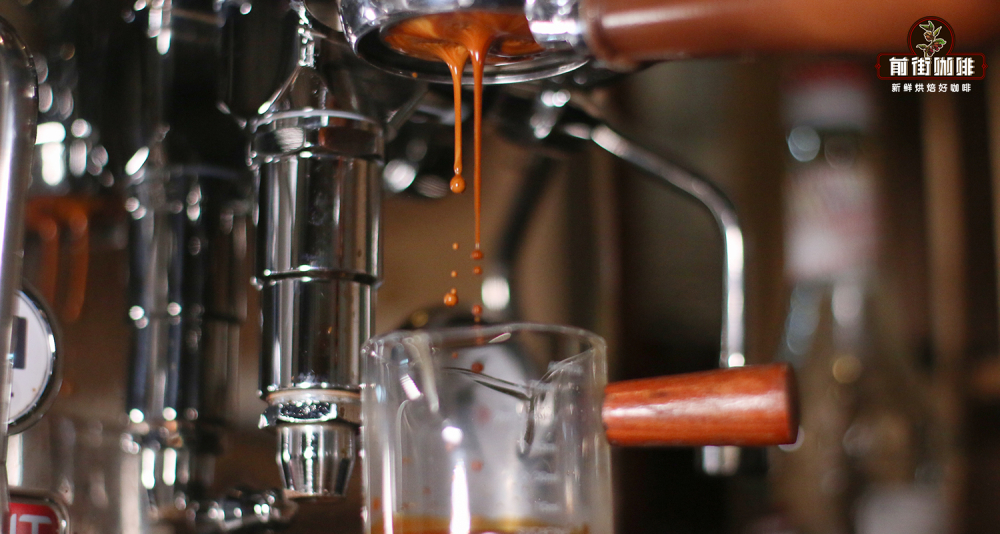
A standard shot of espresso is topped with a layer of golden, dense foam, known as crema. This is formed by the carbon dioxide released from freshly roasted beans during the high-pressure extraction process. This layer of oils not only affects the appearance but also plays an important role in flavor release and overall mouthfeel.
During actual extraction, it is recommended to use a double-shot portafilter, with the dose controlled between 18–20 grams, and the extraction ratio set at 1:2—that is, 20 grams of coffee grounds yielding 40 grams of espresso. The extraction time usually ranges between 20–35 seconds, with 28–30 seconds being the optimal range. If the time is too short, the flavor may seem thin; if it exceeds 35 seconds, over-extraction and burnt bitterness can easily occur.
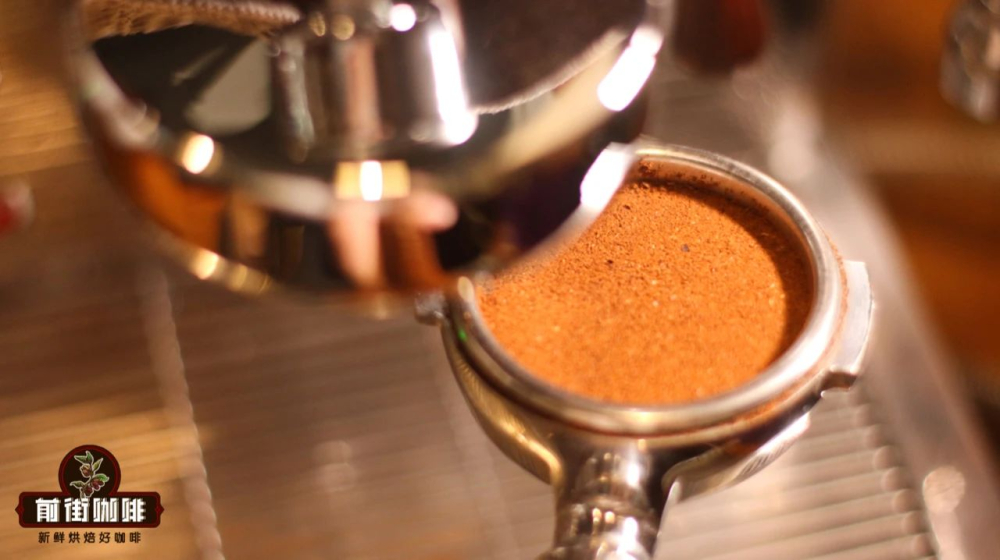
Before starting the extraction, ensure the portafilter is dry and grind the required dose using the grinder, measuring it precisely to 20 grams with an electronic scale. Then, use a distribution tool to evenly spread the coffee grounds, followed by tamping vertically with a tamper to ensure consistent puck firmness, which helps stabilize the flow rate and flavor expression.
After tamping, it is recommended to run water for 1–2 seconds to rinse the group head, clearing residual coffee grounds and preheating the brew path. Reset the electronic scale to zero and place it under the spout, then lock the portafilter into the group head and start the extraction. Observe the extraction process; when the yield reaches 40 grams and the time is around 30 seconds, you can stop the extraction. Note that environmental humidity and bean condition may affect extraction parameters, so dose, grind size, and yield may need fine-tuning based on actual conditions.
Freshly extracted espresso can be enjoyed directly. It is recommended to pair it with a glass of water to cleanse the palate, which helps you better perceive its crema layers and rich mouthfeel. If you’re not used to the strong bitterness, you can also adjust the concentration and flavor to your preference by adding water or milk.
In daily extraction, parameter adjustments rely on accumulated experience. It is recommended to record the parameters and results of each extraction for analysis and fine-tuning. If you find the espresso has a burnt bitter taste but the concentration is normal, it may be due to the grind being too fine or the time too long—in this case, adjust the grind to be coarser. Conversely, if the flavor is too light or under-extracted, you can increase the dose or adjust the grind to be finer to boost concentration. These parameters are interrelated, and only through continuous observation and adjustment can you gradually achieve stability and consistency in the flavor of each shot.
The above content is compiled by CoffeeHunters, a coffee news website.


