







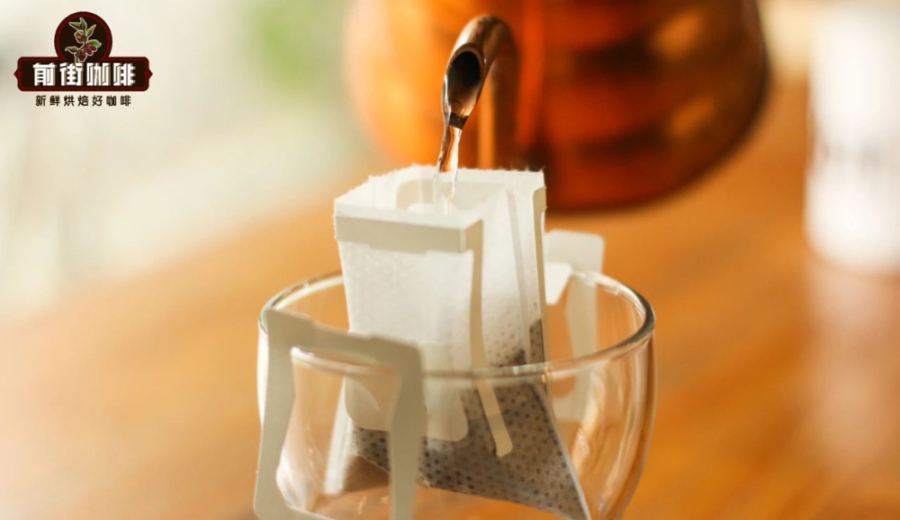
Introduction:Drip bags combine convenience with high quality, making them a top choice for many busy coffee lovers. This article, starting from the market preferences familiar to Taiwanese and Hong Kong consumers, delves into the characteristics of popular drip bag products under a certain brand—including PWN Golden Mandheling, Brazilian Cerrado Red Fruit, and Yunnan Small Bean—while also providing practical guidance on coffee-to-water ratio, water temperature, and pour over techniques to help you easily brew a clean, bright, and layered single-origin coffee at home or in the office.
Striking a balance between coffee quality and brewing convenience, drip bags have become an ideal choice for many coffee enthusiasts. Without the need for expensive equipment, just hot water and simple steps can bring you a coffee flavor close to that of pour over. Especially with the seasonal freshly roasted drip bags launched by a certain brand, each pack can yield about 150 ml of coffee—not only offering great value for money but also allowing you to quickly enjoy a premium single-origin coffee in various settings.
However, although drip bags may seem simple, every step—from bean variety selection, grind size, brewing water temperature, to pouring technique and coffee-to-water ratio—can significantly impact the final flavor profile. Mastering the correct extraction parameters is the key to truly unlocking the potential of the coffee beans and enjoying a clean, balanced, and layered cup.
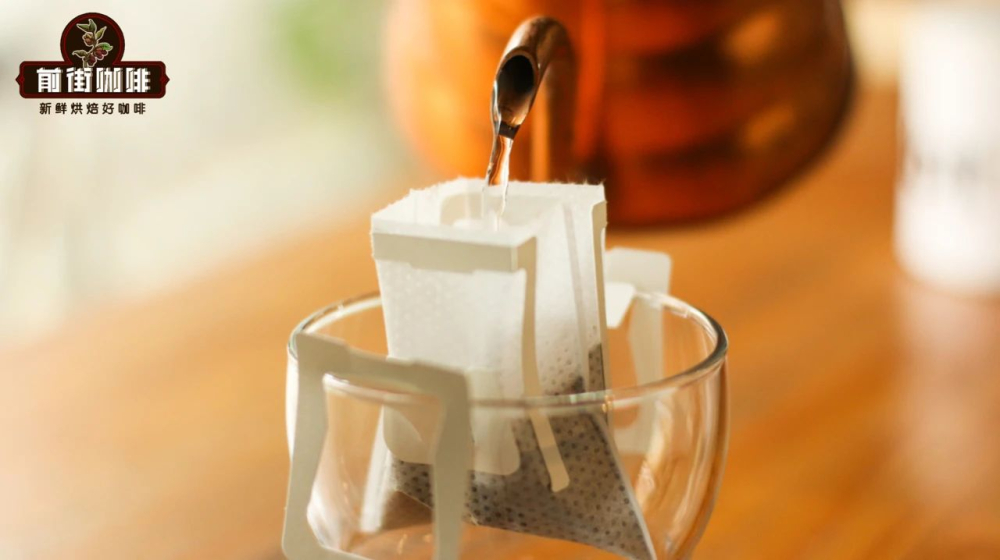
Drip bags are a type of filter-bag coffee and are fundamentally different from commercially available instant coffee. They use freshly roasted coffee beans ground just before brewing and are extracted via a drip bag filter in a pour over manner, fully preserving the original aroma and layered flavor of the coffee. However, many people mistakenly believe that you can simply tear open the drip bag and pour in hot water. In reality, there are still many details worth paying attention to in order to brew a good cup of drip bag coffee.
From green bean selection and roasting maturation to nitrogen-flushed packaging, this brand maintains its standards throughout the entire production process. Especially during the grinding stage, the grinder is cleaned in advance to avoid flavor interference between beans, ensuring consistent extraction across every batch of drip bags. In addition, the appropriate grind size is also a key factor affecting flow rate and extraction efficiency—too coarse can lead to under-extraction, while too fine can easily cause over-extraction and clogging.
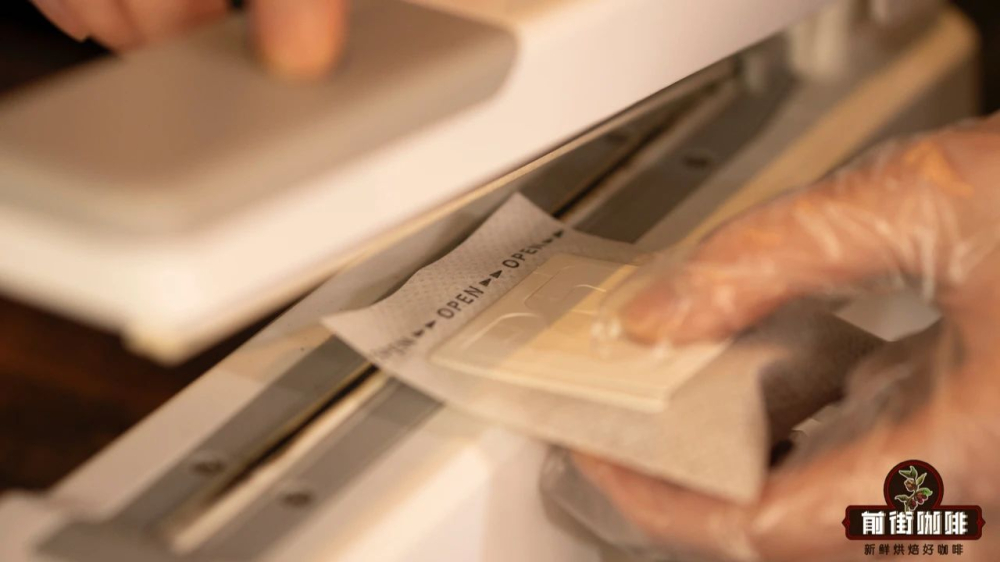
To make the coffee flavor last longer, this brand uses automated nitrogen-flushing packaging technology, injecting nitrogen while sealing to effectively reduce oxygen exposure, delay oxidation of the coffee powder, and ensure that each drip bag maintains a fresh and vibrant aroma right up to the moment it’s opened.
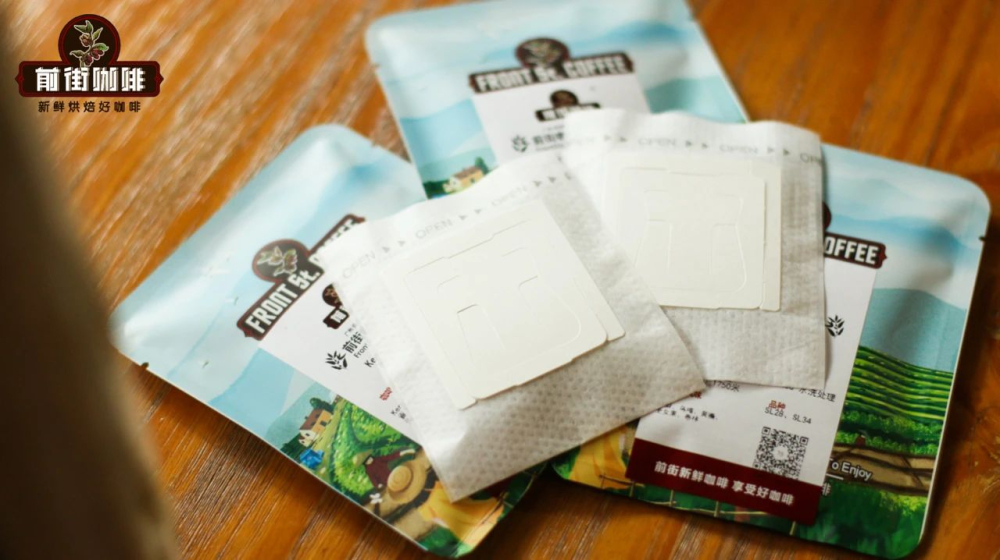
Taking one of its popular drip bag products as an example, a certain brand’s PWN Golden Mandheling uses high-quality green beans from the Sumatra region of Indonesia, carefully selected by renowned green bean supplier PWN and put through three rounds of manual sorting to ensure uniform bean size, which helps achieve even heat distribution during roasting. The most distinctive feature of this coffee is the absence of the common off-flavors or grassy notes often found in Mandheling—it has a rich yet clean flavor profile with subtle herbal and spicy notes. Upon tasting, it leaves a steady aftertaste reminiscent of Guangdong herbal tea, making it especially popular among users who prefer a bold taste, with particularly positive feedback in the Shanghai and Taiwan markets.
Another classic drip bag option is a certain brand’s Brazilian Cerrado Red Fruit, sourced from the Cerrado region of Brazil, the world’s largest coffee-producing country. Brazilian coffee, since its introduction in the 18th century, has gradually become a key pillar of the global coffee supply, known for its low acidity, full body, and distinct notes of nuts and chocolate. The Cerrado growing area, thanks to its altitude and microclimate advantages, often produces coffee with more layers, frequently featuring red berry and caramel sweetness—suitable for drinkers who enjoy a balanced flavor profile. This drip bag also showcases the classic characteristics of Brazilian beans and is suitable for both straight drinking and as a base for milk coffee.
As for a certain brand’s Yunnan Small Bean drip bag, it uses the Catimor variety grown in Baoshan, Yunnan, processed via the washed method to highlight a tea-like, refreshing flavor paired with fruity aromas and soft acidity, resulting in a smooth mouthfeel with a distinct nutty and caramel sweetness in the aftertaste. Although Yunnan beans are often considered a bulk commercial variety, when carefully selected and properly processed, they can also showcase a uniquely regional flavor.
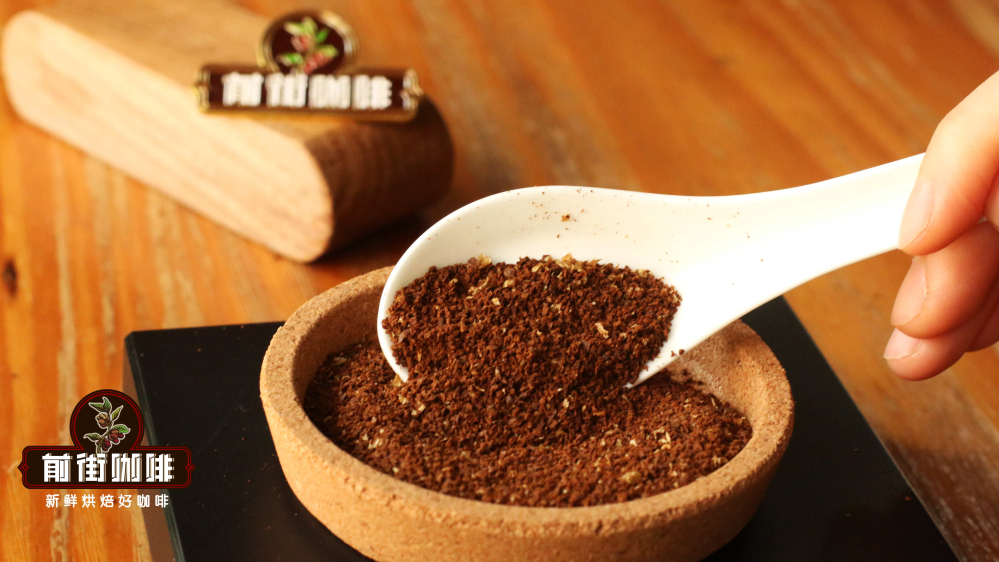
For brewing, a 10-gram drip bag is recommended to use a 1:15 coffee-to-water ratio, meaning 150 ml of hot water for extraction. If you prefer a stronger flavor, you can reduce it to 130 ml; if you like it lighter, you can extend it to 160–200 ml, adjusting according to personal taste.
For water temperature, it is recommended to use hot water around 88–90°C. This temperature range can fully extract the coffee’s aromatic compounds and flavor without being too high, which could lead to over-extraction or bitterness. If you don’t have a temperature-controlled kettle, you can turn off the heat after boiling the water, let it sit for about 2–3 minutes until it cools to the appropriate range, then proceed with brewing.
During brewing, it is recommended to first wet the coffee grounds evenly with a small amount of hot water (about 30–50 ml) and let it bloom for 30 seconds to activate the coffee. Then, pour water in small streams in a circular motion, maintaining a steady rhythm, gradually adding water until the target volume is reached. The whole process is recommended to take about 1 minute; too long or too short may affect the balance of extraction.
It is important to note that, like pour over coffee, drip bags are not suitable for multiple brews. After the first extraction, most of the soluble substances in the coffee grounds have already been released, and a second brew will only bring out bitterness and impurities, significantly reducing the taste quality. Therefore, it is recommended to use each drip bag only once to fully experience its best flavor performance.
In summary, drip bag coffee is a convenient brewing method that still delivers quality. As long as you master the correct coffee-to-water ratio, water temperature, pouring technique, and brewing time, you can easily enjoy a single-origin coffee experience comparable to that of a specialty shop, either at home or in the office. Whether it’s the bold PWN Golden Mandheling, the balanced Brazilian Cerrado Red Fruit, or the refreshing Yunnan Small Bean, each drip bag has its own unique character, well worth savoring in detail.
The above content is compiled by CoffeeHunters, a coffee news website.


