







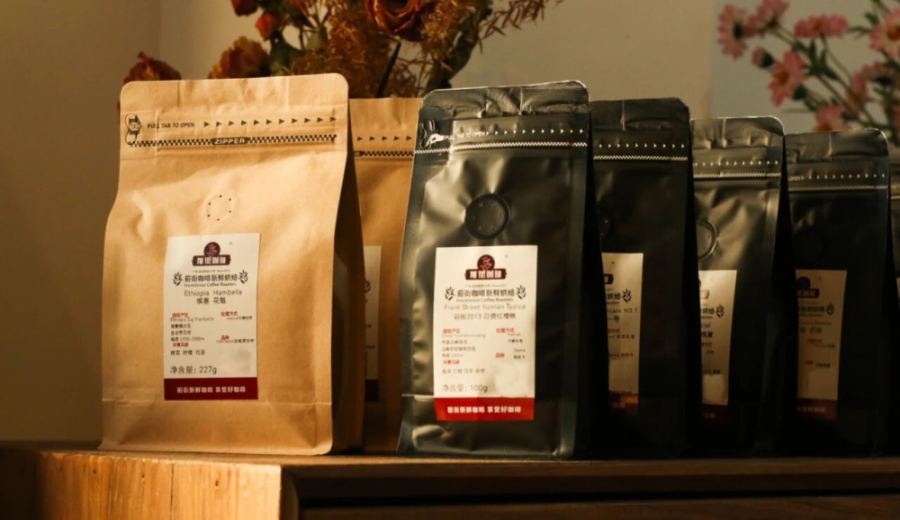
Introduction:An in-depth exploration of the unique charm of Indonesian Sumatra Mandheling coffee, from the origins of the wet-hulled processing method to the refined flavors of Golden Mandheling—this guide will help you master the key points of appreciating this classic coffee. Learn about the taste differences among Mandheling beans from various regions, and develop the ability to identify the distinctive aromatic layers brought by wet-hulling. Whether you prefer pour over or dark roast, you’ll find your ideal Mandheling choice.
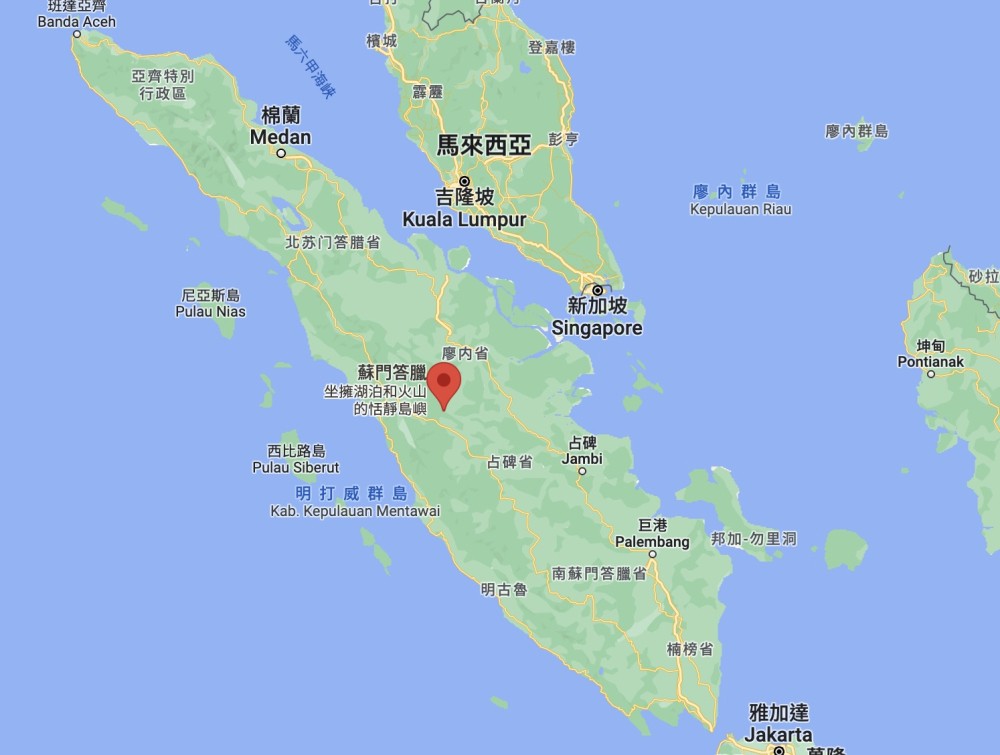
When it comes to premium Indonesian coffee, Mandheling is almost synonymous with the country’s coffee culture. Originating from the island of Sumatra, this coffee is beloved by countless enthusiasts for its low acidity, full body, and distinctive herbal and woody aromatic profiles. In addition to Sumatra, Indonesia’s Java and Sulawesi islands are also important coffee-producing regions, but Sumatra remains the leader in both output and global recognition.
The diverse flavor profiles of Mandheling are largely due to its grading system and the varying harvesting and processing methods used across different regions. Among them,Lintong Mandhelingserves as a classic representative, showcasing the bold characteristics typical of traditional Mandheling: intense spice notes, the freshness of herbs, and a blend of caramel and dark chocolate aromas. It’s especially well-suited for drinkers who prefer a strong and bold flavor. Its low acidity and rich body, paired with a long-lasting aftertaste, make each cup an experience full of layered complexity.
When discussing the unique flavors of Mandheling, one cannot overlookthe wet-hulled processing method. Indonesia’s rainy and humid climate makes traditional sun-drying and washed processing methods difficult to carry out. To overcome this challenge, locals developed this distinctive processing technique—removing the outer fruit pulp and parchment layer while the coffee beans are not yet fully dry, thereby accelerating the drying process. Although this method was once associated with a higher defect rate due to the speed of processing, it also imparts Mandheling with its intense and unique aromatic traits, becoming a key identifier of its flavor profile.
With the advancement of Indonesia’s coffee industry, some estates have adopted more refined processing methods such as washed processing, but wet-hulling remains widely used. Many coffee experts believe that this traditional technique is a major reason why Mandheling has been able to stand out in the international market. When people talk about Mandheling, they often immediately associate it with the bold and deep flavors brought by wet-hulling.
If traditional Mandheling embodies a wild and primal charm, thenGolden Mandhelingrepresents a refined elevation of this variety. Grown in Sumatra, this coffee is subject to rigorous quality control standards by Japanese producers: from selective harvesting to monitored processing, every step is executed with precision. Most importantly, it must pass through four rounds of manual bean sorting to ensure that every bean is flawless, with uniform shape and a dark green hue.
Thanks to such strict quality control, Golden Mandheling exhibits a distinctly different flavor profile after roasting: a bright and clean base note, with virtually none of the earthy or musty undertones that might otherwise be present. Instead, it offers a mellow caramel sweetness. This coffee is a flagship example of the wet-hulled processing method. Although it may still carry a relatively higher risk of defects, throughDP (double picking)andTP (triple picking), the final cup delivers beans with a significantly reduced defect rate.
Compared to traditional Mandheling, which may carry smoky notes and heavy earthy tones, Golden Mandheling reveals a more elegant side. With careful tasting, you can detect clear herbal aromas, distinct layers of caramel sweetness, and a stable, balanced mouthfeel. Upon swallowing, the palate is filled with a rich sweetness and full body, accompanied by delicate spicy notes—showcasing a level of refinement rarely seen in Mandheling varieties.
In summary, whether you’re drawn to the bold, raw flavors of Lintong Mandheling or the refined, sweet profile of Golden Mandheling, these Sumatran coffees are well worth exploring for any coffee enthusiast. By understanding the uniqueness of the wet-hulled process and the flavor differences among various grades of Mandheling, you’ll uncover surprising layers and details in every cup.
The above content is compiled by CoffeeHunters, a coffee news website.


