







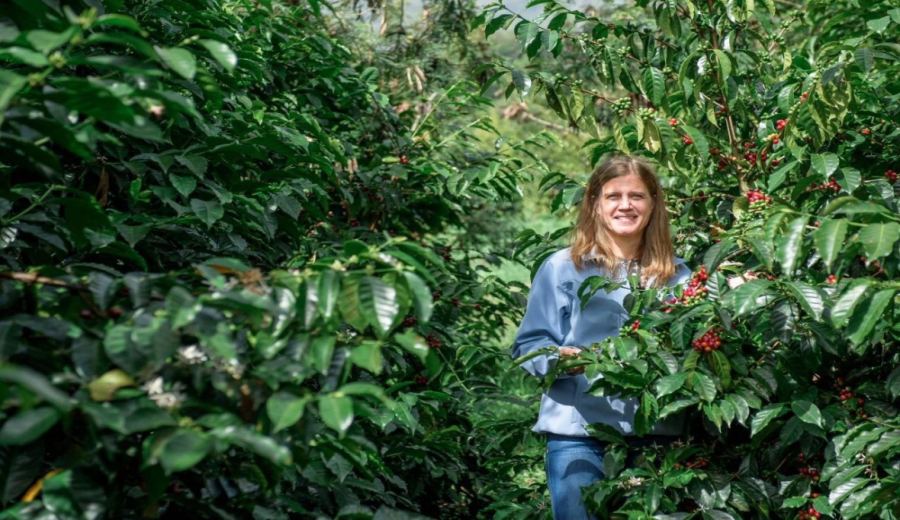
Introduction:The Geisha coffee from Hacienda La Esmeralda is renowned for its four grades: Auction, Red Label, Green Label, and Blue Label, yet these categories often confuse coffee enthusiasts. This article delves into the origins, altitudes, processing methods, and flavor characteristics of each grade, and through comparisons of actual roasting and brewing parameters, helps you identify the grade based on cup flavors and master key points in selection and brewing.
Panama’s Hacienda La Esmeralda is a leader in the global specialty coffee scene, particularly celebrated for the outstanding performance of the Geisha variety. Its four-tiered grading system — Auction, Red Label, Green Label, and Blue Label — often puzzles consumers. In reality, these four grades not only indicate differences in quality but also clearly reflect distinctions in growing altitude, plot origin, and processing methods.
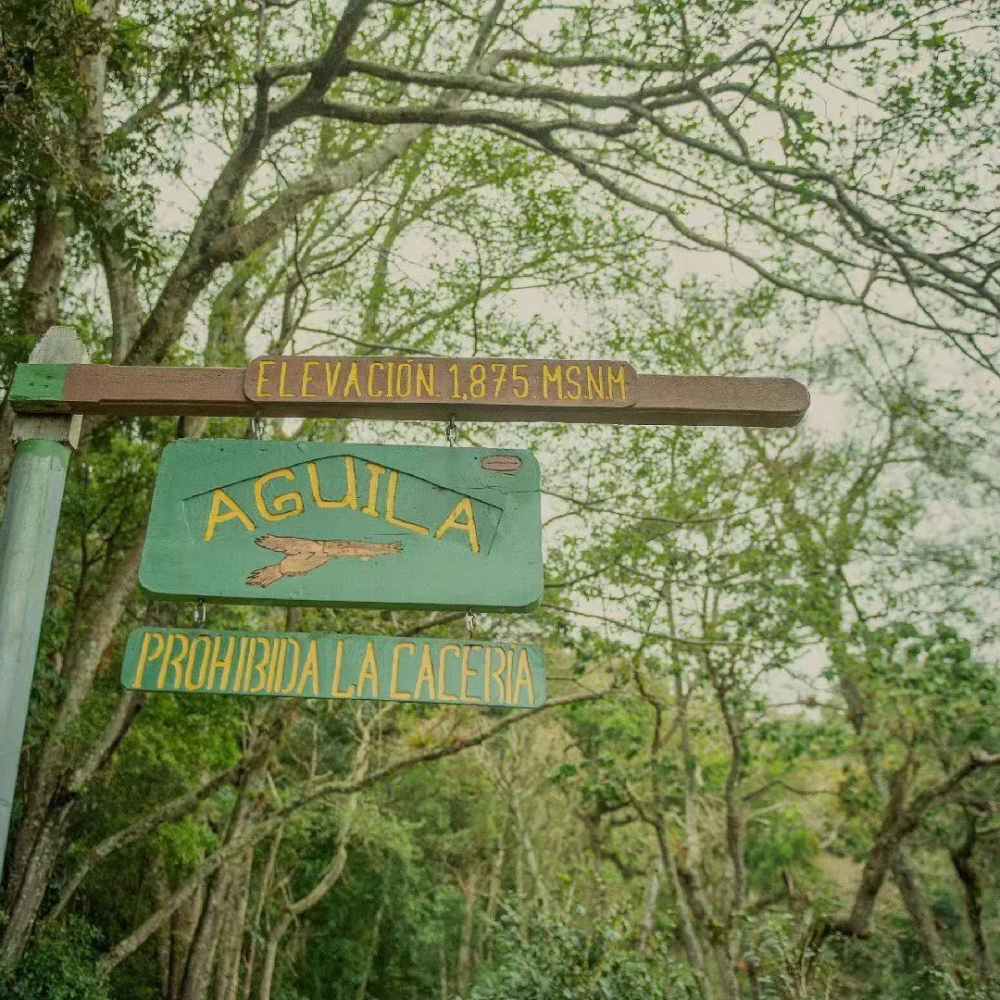
Among many specialty coffees, altitude has always been one of the key factors in assessing the potential of coffee beans. Generally speaking, the higher the altitude, the cooler the climate, and the slower the ripening of coffee cherries, allowing them to accumulate richer flavor compounds. Based on this principle, Hacienda La Esmeralda rigorously grades its Geisha beans, with Auction-grade Geisha grown at the highest altitudes, while Blue Label Geisha is relatively more entry-level within the series but still planted at elevations as high as 1400 to 1500 meters.
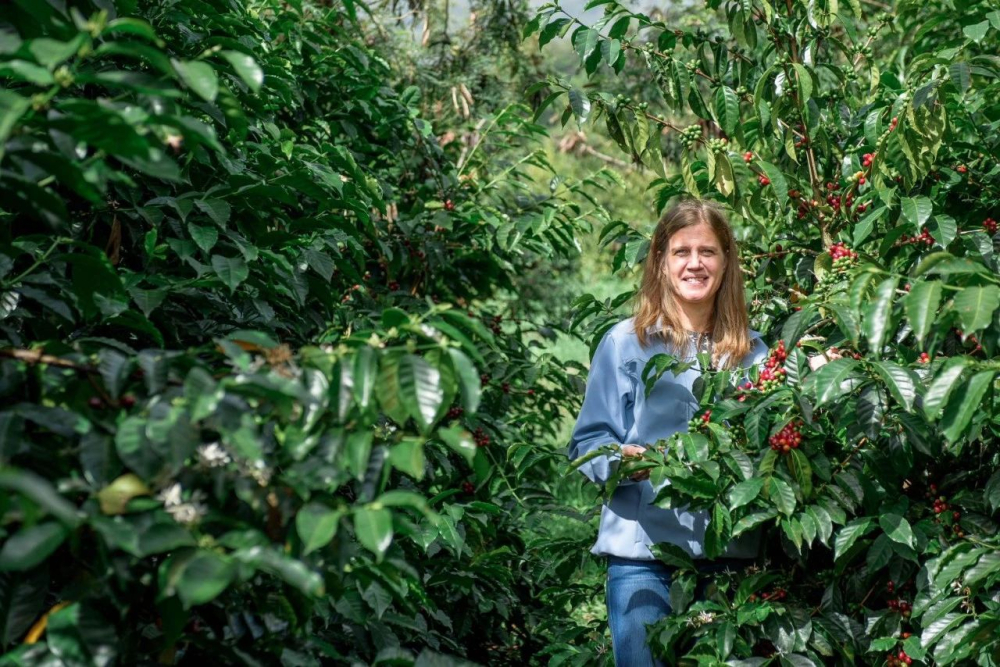
The history of Hacienda La Esmeralda dates back to 1964, when American banker Rudolph A. Peterson retired and moved to Panama, purchasing the estate located in the Boquete region. In 1987, his son Price Peterson took over management and introduced varieties such as Caturra and Catuaí. In 1994, a dedicated washed processing facility was established, gradually perfecting the production chain. Today, the estate focuses on Geisha production mainly from the Jaramillo, Cañas Verdes, and the newly acquired El Velo plots, each with unique microclimates and altitude conditions.
Hacienda La Esmeralda divides its Geisha-growing areas into multiple small plots with varying altitudes and microclimates. This detailed segmentation means that even batches of Geisha from the same grade can exhibit subtle differences. For example, the Jaramillo area receives up to 4000 mm of annual rainfall with significant day-night temperature variations, resulting in Geisha beans with bright acidity and complex floral and fruity aromas; whereas the El Velo plot is the highest-altitude area, even cultivating over 400 coffee varieties for future varietal research and development.
The Geisha grades from Hacienda La Esmeralda can be categorized into four main classes: Auction, Red Label, Green Label, and Blue Label. Auction-grade Geisha, also known as Esmeralda Special, represents the highest-quality batches, released only during the annual Best of Panama (BOP) auction. These beans come from Jaramillo and Cañas Verdes, grown at altitudes between 1600 and 1800 meters, often scoring over 90 points in cupping, and are processed using either natural or washed methods, showcasing exceptional floral notes, citrus tones, and tea-like body.
Red Label Geisha consists of beans from high-altitude core plots that do not participate in the auction but are similarly sourced from Jaramillo and Cañas Verdes, with altitudes similar to those of the Auction grade. While these Geisha beans may not go through bidding, their quality remains outstanding, with flavors characterized by clear floral notes, citrus fruits, and honey-like sweetness. Most Red Label beans are also processed via washed or natural methods, making them ideal for coffee lovers who enjoy distinct layers and vibrant fruitiness.
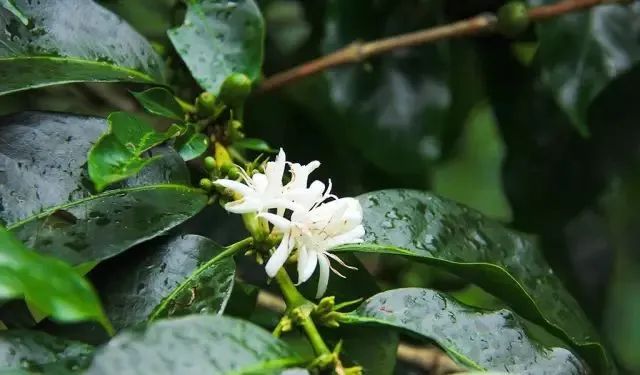
Green Label Geisha, commonly referred to as Private Collection, is a blend of different micro-lots of Geisha. Though it does not participate in auctions, it maintains a high standard. The altitude range is similar to that of the Red Label, but because it is a blend, flavor profiles may vary slightly by batch. Overall, it still delivers the classic floral notes, citrus acidity, and rich mouthfeel of Geisha. Green Label also offers both washed and natural processing methods, suitable for consumers who wish to experience the diverse expressions of Geisha.
Blue Label Geisha, also called Geisha 1500, is the lowest in altitude among the four grades, grown at heights between 1400 and 1500 meters, and consists of blends from Jaramillo, Cañas Verdes, and El Velo. Blue Label emphasizes an approachable flavor profile, highlighted by subtle floral notes, fruity acidity, and a refreshing sweetness, with a relatively light body. The processing method is currently mainly washed, but since 2020, a natural version has also been introduced, offering more choices.
To put it simply: Auction and Red Label Geisha have clear plot information and the highest altitudes, making them the top choice for specialty coffee enthusiasts; Green Label, though also high-altitude, is a blend with slightly varying flavors; Blue Label, with its relatively easy-drinking characteristics, serves as an entry-level option for beginners to experience the charm of Geisha.
In terms of actual roasting and brewing, one coffee brand adopts a light roasting strategy for these three grades to highlight the bright acidity and floral-fruitiness of Geisha. For example, Red Label is recommended to be roasted with an inlet temperature of 150°C, dropped after the first crack at 189.5°C, emphasizing the preservation of delicate aromas; Green Label slightly raises the inlet temperature to 190°C, with slight adjustments to the roasting curve to balance the complexity of the blend; Blue Label uses an inlet temperature of 180°C, suitable for showcasing its fresh flavor profile. Brewing is recommended using a V60 filter, with water at 90°C and grind size close to 80% passing through a Chinese No. 20 sieve, to fully release the aromatic layers of Geisha.
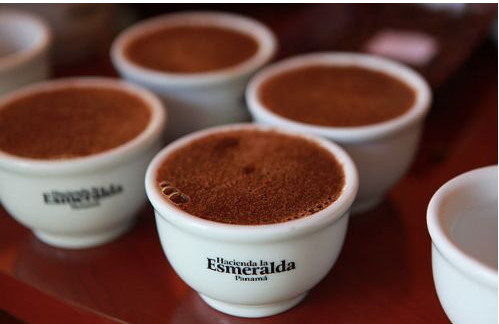
In summary, the four grades of Geisha from Hacienda La Esmeralda — from Auction to Blue Label — not only reflect differences in altitude and plot origin but also demonstrate the profound impact of processing methods and blending strategies on flavor. Understanding these differences helps you make more personalized choices when selecting and brewing, allowing you to fully enjoy the versatile charm of this legendary variety.
The above content is compiled by CoffeeHunters, a coffee news website.


