







Introduction:From the varietal origins and major growing regions of Yunnan small-grain coffee to the experimental planting of Typica and Bourbon by a well-known coffee brand, this article takes you deep into the development trajectory of China’s domestic specialty coffee. It also recommends three representative beans from Yunnan-growing regions and explains in detail the optimal grind size, water temperature, and brewing steps for V60 pour over, helping you brew high-quality coffee with nutty, caramel, and plum notes at home.
In recent years, Yunnan small-grain coffee has gradually emerged in China and even the global specialty coffee scene, thanks to its outstanding performance in international coffee competitions and professional evaluations. This coffee force from the southwest not only enhances the overall image of Chinese coffee but also draws more attention to the potential and unique characteristics of local growing regions. This article will comprehensively analyze the development journey of Yunnan Arabica through varietal origins, regional environments, and historical evolution, while focusing on a certain coffee brand’s trial planting of Typica and Bourbon varieties in the Lincang area. Additionally, we’ve selected three currently popular Yunnan-grown coffee beans—including classic natural Typica, washed Catimor, and fully red fruit natural Catimor—and provide professional V60 pour over recommendations to help you easily master extraction essentials and bring out the region’s distinctive body and fruity flavors.
 On the global map of specialty coffee, Yunnan small-grain coffee is gradually carving out its own place. Whether in international roasting competitions or various flavor evaluations, many Yunnan-grown beans have consistently received praise, demonstrating that they are not merely mass-produced commercial beans but also have the potential to rank among specialty-grade coffees. As consumer standards for coffee flavor become more discerning, understanding the characteristics and brewing essentials of Yunnan beans has become a direction many coffee enthusiasts are eager to explore.
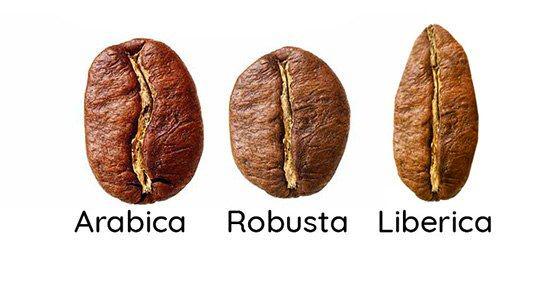
The so-called "small-grain coffee" mostly refers to the Arabica variety. In the early days when coffee types were not yet clearly classified, because Arabica cherries are relatively smaller than those of Robusta and Liberica, it earned the colloquial name "small fruit coffee." Among them, Liberica, with its larger cherries, was called "large fruit coffee." Today, the vast majority of Yunnan small-grain coffee belongs to the Arabica species and is mostly grown at altitudes between 1,000 and 1,500 meters above sea level, which contributes to its unique flavor profile.
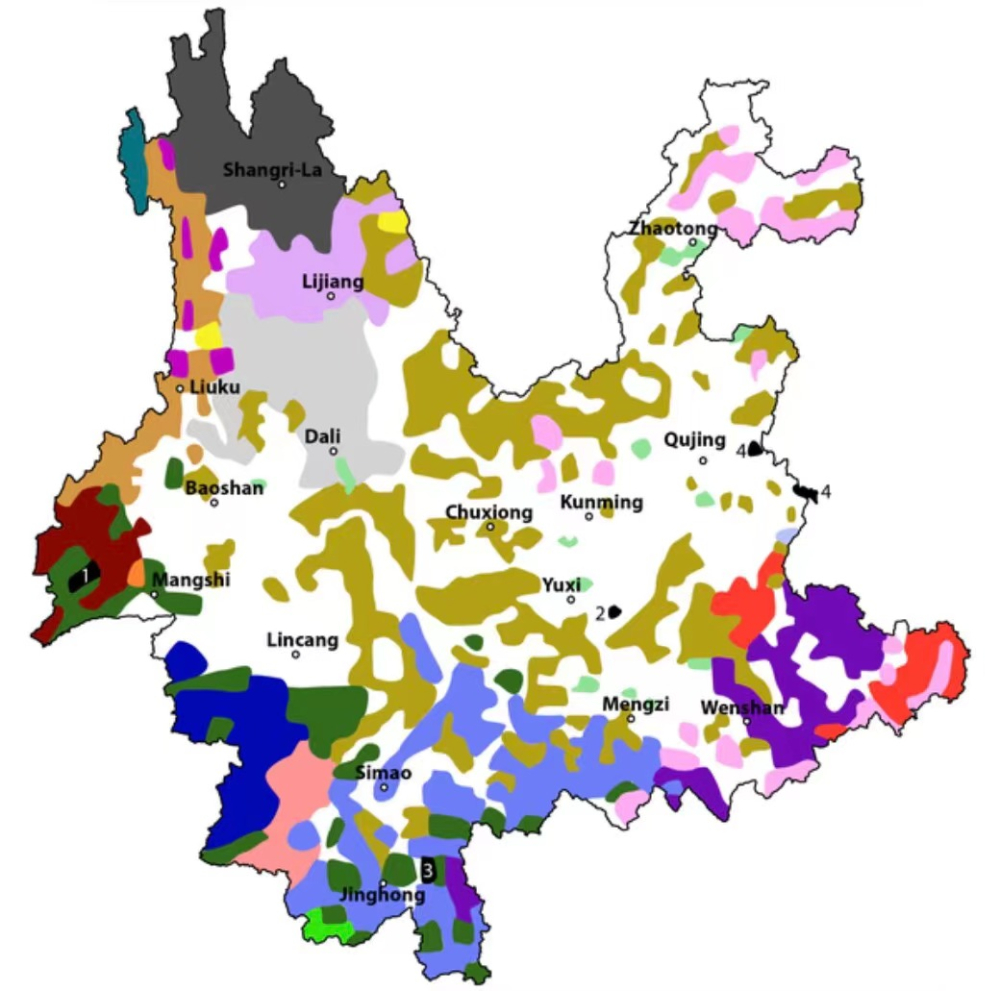
As China’s primary coffee-growing region, Yunnan’s planting areas are widely distributed acrossLincang, Baoshan, Simao, Xishuangbanna, Dehong, and Nujiang. These areas not only have climates suitable for coffee growth, but their altitude also helps with the accumulation of sugars and aromatic compounds. Generally speaking,the higher the altitude, the greater the diurnal temperature variation, slowing down the growth rate of coffee trees and aiding the precipitation of flavor compounds, thereby enhancing the coffee’s complexity and layers. In 2014, Yunnan’s coffee planting area and total output already accounted for over 99% of the national total, highlighting its pivotal position. Particularly, Baoshan’s LujiaBa, with an average annual temperature of about 21.5°C, extreme highs reaching 40.4°C, and almost no frost interference, has become an extremely ideal location for coffee cultivation.
 Looking back at history, in 1988, the international coffee brand Nestlé, seeing Yunnan’s geographic and climatic advantages, promoted the Catimor variety in the region, which has stronger resistance to leaf rust. This encouraged many farmers to return to coffee farming and for a long time supply raw materials to large brands. However, since Catimor carries some Robusta genes, its flavor often exhibits noticeable herbal, earthy, or overly sharp acidity, making direct consumption less ideal. This has also caused the general impression of "Yunnan coffee" among many consumers to stagnate at the cheap or instant level.
However, pioneering brands in the specialty coffee field once believed that, as long as the right varieties were chosen and appropriate processing methods were used, Yunnan coffee definitely had the potential to showcase the same delicacy and layers as other renowned coffee-growing regions around the world. To this end, the brand launched an experimental planting program in the Lincang area in 2013, introducingTypicaand a small amount ofBourbonvarieties, committed to improving the flavor profile of Yunnan coffee from the source. These beans were later sold through the brand’s online e-commerce platform and physical stores, giving consumers the chance to personally experience the specialty potential of Yunnan-grown coffee.
There were two reasons for choosing Typica as the experimental variety: first, it is one of the oldest existing Arabica varieties, with pure genetics, and is widely acclaimed in the specialty coffee community for itsclean, elegant, and balanced flavor; second, Typica was also the first variety introduced to Yunnan by French missionaries, giving it deep historical roots in the region. Although the brand focused on developing Typica and Bourbon, this does not mean Catimor is without value. In fact, with advances in planting techniques and post-harvest processing, many Catimors produced in Yunnan’s current growing regions, through scientific management and strict selection, have seen significant improvements in flavor expression.
For home brewers interested in trying Yunnan small-grain coffee, we especially recommend the following three popular beans from a well-known coffee brand: First is the “Brand 2013 Natural Typica Coffee Beans,” priced at approximately 40 RMB per 100 grams, showcasing the classic natural process’s rich body and sweetness; next is the “Selected Regional Everyday Bean – Yunnan Baoshan Washed Catimor Coffee Beans,” ideal for daily drinking and offering great cost-performance; third is the “Fully Red Fruit Natural – Baoshan LujiaBa Region Catimor Coffee Beans,” highlighting explosive fruity notes and layered complexity. All three beans exhibit typical Yunnan-growing region profiles, includingnutty, caramel, and plumflavor elements, with differences mainly reflected in acid-sweet balance and processing method characteristics.
The above content is compiled by CoffeeHunters, a coffee news website.


