







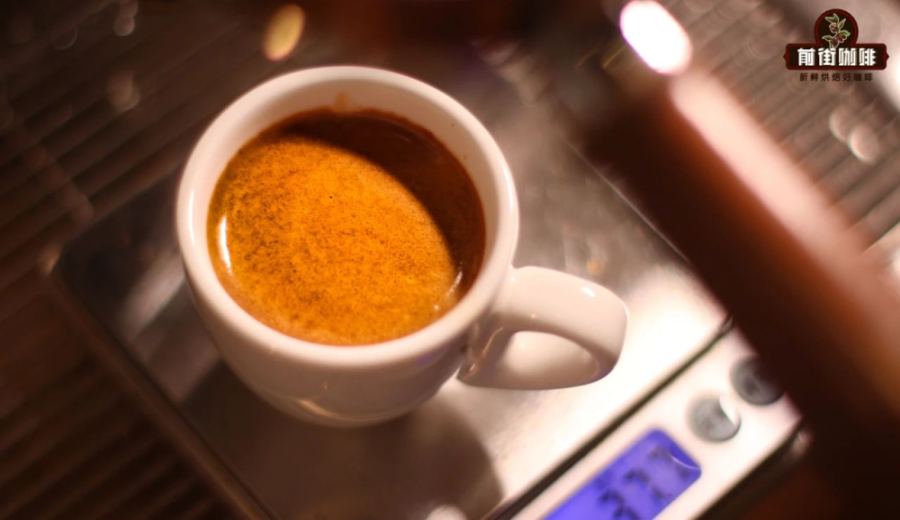
Introduction:Decaf coffee has gradually become the beverage of choice for health-conscious individuals, but many still have questions about its decaffeination principles, flavor profiles, and practical differences. This article will provide a detailed breakdown of the definition of decaf coffee, the workings and characteristics of the four main decaffeination processes, and an exploration of its similarities and differences with regular coffee in terms of flavor, nutrition, and health — helping you choose the most suitable type of coffee based on your needs.
In recent years, with the rise of health-conscious eating, many consumers have begun seeking options with lower caffeine intake, making decaf coffee a focal point. However, there are still many who have questions about decaf coffee: how low is its caffeine content? Does the decaffeination process affect the original flavor? This article will explain the origins, definition standards, major decaffeination technologies, as well as decaf coffee’s performance in flavor and health aspects in an accessible way, giving you better judgment when making a purchase.
When it comes to the history of decaf coffee, it actually has a connection with the German literary giant Goethe. It is said that although Goethe loved coffee, he struggled with difficulty sleeping after drinking it, so he asked his friend Runge to study the components of coffee beans, hoping to identify the culprit behind sleep disruption. Around 1820, Runge confirmed that caffeine was the key factor and successfully developed preliminary separation techniques, becoming a pioneer in decaf coffee. However, due to technological limitations at the time, decaf coffee could not be mass-produced until 1903, when German importer Ludwig Roselius discovered that coffee beans soaked in seawater had significantly reduced caffeine content, leading him to organize a team to develop extraction technology, which made mass production of decaf coffee possible.
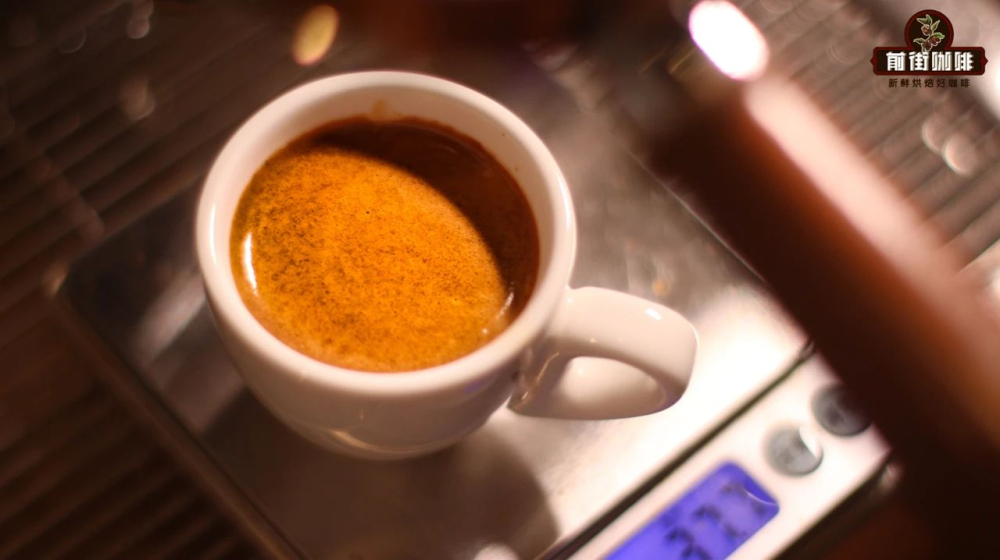
So, to what extent must caffeine content be reduced to be considered decaf coffee? Generally speaking, decaf coffee must remove at least 97% of the caffeine from the original beans, hence it is also referred to as Decaf (short for decaffeinated coffee). It should be noted that decaf coffee still contains trace amounts of caffeine and is not completely caffeine-free. Typically, caffeine content is calculated as a proportion of the green bean weight — for example, Arabica beans have a caffeine concentration of about 0.9% to 1.4% (averaging around 1.2%), while Robusta beans are higher, at about 1.8% to 4% (averaging around 2.2%).
Decaf coffee can generally be divided into two main categories: naturally low-caffeine and artificially decaffeinated. According to EU standards, decaf coffee must contain no more than 0.1% caffeine of the green bean weight, while US FDA standards require the removal of at least 97% of the original caffeine content. Therefore, decaf coffee does not mean zero caffeine, and dosage should still be monitored when consuming.
There are currently four mainstream decaffeination processes: Swiss Water Process, Direct Solvent Process, Supercritical CO₂ Process, and Mountain Water Process (or Indirect Solvent Process). These methods mostly use water, organic solvents, or carbon dioxide to extract caffeine, and the decaffeination process is completed before roasting and grinding.
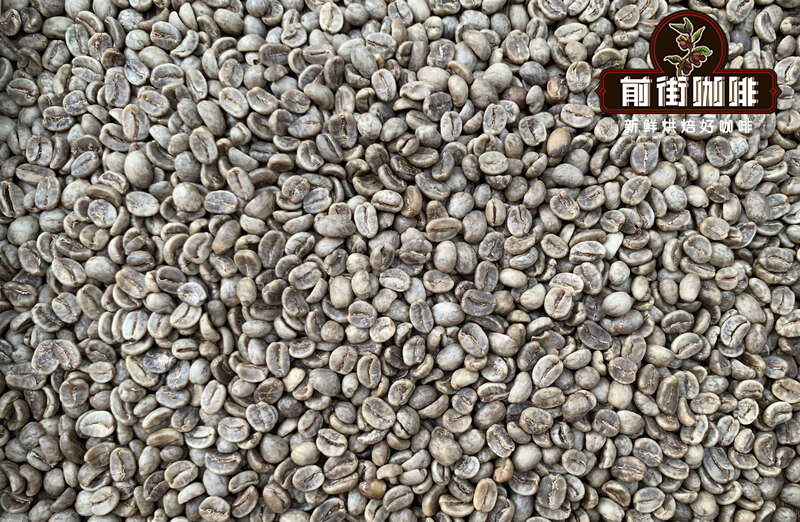
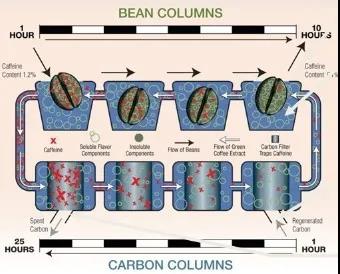
First, let’s introduce the Swiss Water Process. The steps involve soaking green coffee beans in hot water, which removes some of the caffeine. Then, activated carbon is used to filter the soaking liquid, and the filtered solution is poured back onto the beans to further extract the caffeine. The biggest advantage of this method is that it does not require chemical solvents, and the filtration liquid can be reused, resulting in lower overall costs and simpler operation, which is why it is widely used in most decaf coffee beans on the market. However, since the filtering process may also remove some flavor compounds, some delicate aromas may not be as rich as in regular coffee. It’s worth mentioning that this method can achieve a caffeine removal rate of up to 99.9%, making it the most effective among all processes.
The second common method is the Direct Solvent Process. This involves first steaming the green beans to open their pores, then directly adding solvents such as methylene chloride or ethyl acetate to the beans, allowing the solvent to bind with the caffeine, which is then washed away, followed by steaming to remove any residues. Although methylene chloride may sound concerning, its boiling point is only 39.8°C and it largely evaporates during roasting or steaming, posing virtually no harm to the human body, so there’s no need for excessive alarm.
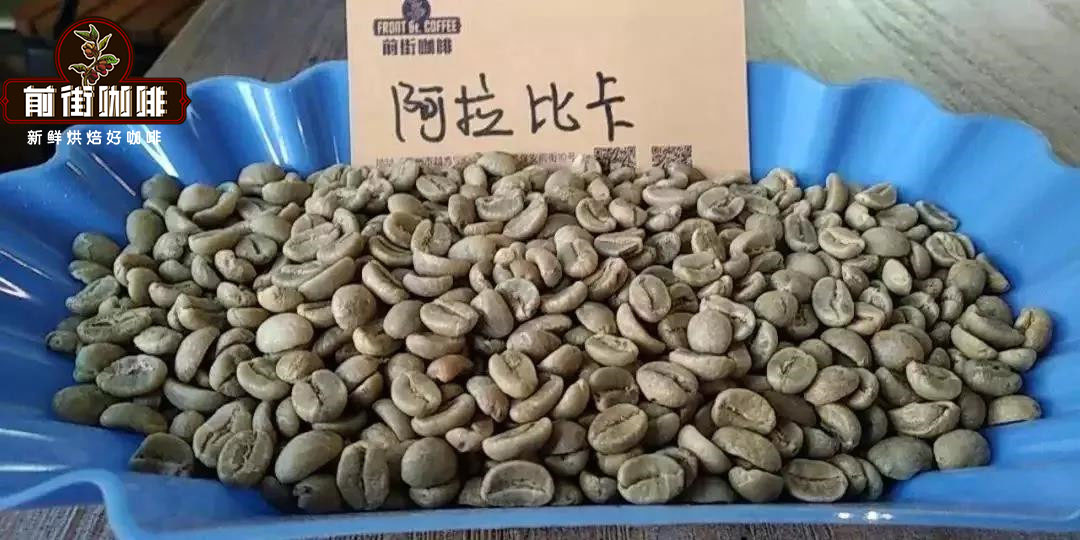
The third method is the Indirect Solvent Process, also known as the Mountain Water Process. This technique involves soaking green beans in hot water for several hours, allowing both caffeine and various flavor compounds to dissolve into the water. The “flavor water” is then separated from the coffee beans, and methylene chloride or ethyl acetate is added to extract the caffeine from the water solution. The caffeine is subsequently evaporated by heating, and the remaining flavor-rich liquid is poured back into the beans to allow them to reabsorb aroma and oils. However, this method faces greater challenges in flavor preservation and can sometimes result in the loss of some subtle flavors.
The last method is the Supercritical CO₂ High-Pressure Extraction Process. This technology utilizes carbon dioxide under high pressure that enters a supercritical state, possessing both the dissolving power of a liquid and the penetrative ability of a gas. It can deeply penetrate the coffee bean fibers to selectively extract caffeine while minimizing the impact on other flavor components. This method is not only highly efficient but also less likely to damage the external appearance or internal structure of the beans, effectively preserving the original color and aroma. However, it requires special equipment and a high-pressure environment, making it relatively costly.
When it comes to actual tasting experience, many believe that decaf coffee has a more bland flavor and lacks the intensity of regular coffee. However, this is often related to the bean variety chosen. If producers aim to cut costs by selecting lower-quality commercial beans or higher-caffeine Robusta varieties, it naturally affects the final flavor. On the other hand, if high-quality Arabica beans are chosen, even after decaffeination, they can still retain rich layers and aroma.
The advantages of decaf coffee are not limited to the control of caffeine intake, but also include retaining a significant proportion of antioxidants. Studies indicate that although the decaffeination process may lead to a loss of around 15% of antioxidants, their levels remain comparable to those in regular coffee, continuing to offer antioxidant protection that helps reduce the risks of heart disease, diabetes, and certain cancers. In addition, coffee contains trace elements such as magnesium, potassium, and niacin (vitamin B3). Drinking 2–3 cups of decaf coffee daily can also help meet certain daily nutritional needs.
In summary, decaf coffee significantly reduces caffeine content, making it suitable for those sensitive to caffeine or who wish to enjoy coffee in the evening. Although its flavor performance may be slightly inferior to regular coffee, choosing high-quality bean varieties and appropriate decaffeination processes can still yield a rich and satisfying taste experience. With this foundational knowledge, you can confidently select the decaf coffee beans that best suit you.
The above content is compiled by CoffeeHunters, a coffee news website.


