







Introduction:Drip bags are beloved by coffee enthusiasts for their convenience, but improper control of water temperature, pouring technique, and steeping time can significantly diminish flavor. This article will delve into the correct brewing method for Blue Mountain drip bags, analyze common mistakes, and explain their optimal shelf life and authenticity identification tips to help readers master professional brewing techniques and enhance every coffee experience.
Brewing drip bags may seem simple, but in reality, every detail—from water temperature and water volume to steeping time—affects the final flavor. Based on practical experience, this article will break down the drip bag brewing process in detail, addressing common questions such as whether they can be reused, why their optimal shelf life is relatively short, and whether Blue Mountain drip bags truly come from the Jamaican Blue Mountains. It also recommends several single-origin beans suitable for making drip bags to help readers make choices based on taste.
Drip bags combine the convenience of instant coffee with the flavor of pour over coffee, making them a top choice for many busy professionals. However, many beginners often face one problem: even when following the instructions, why does the brewed coffee always lack that layered complexity? This article will systematically explain the correct brewing techniques for drip bags and debunk common misconceptions, so you can brew professional-grade coffee at home.
Drip bags were first created in Japan in 1990, when Yamasan Industry Co., Ltd. first attempted to apply the tea bag concept to coffee, but the design flaws prevented a successful market launch. It wasn’t until 1998, when Daki Shoji improved the design by extending the drip bag ears to stabilize the filter structure, that the familiar form we know today was formed. This innovation met modern demands for quick, convenient brewing while preserving flavor, and it quickly gained popularity, especially in the fast-paced urban lifestyle.
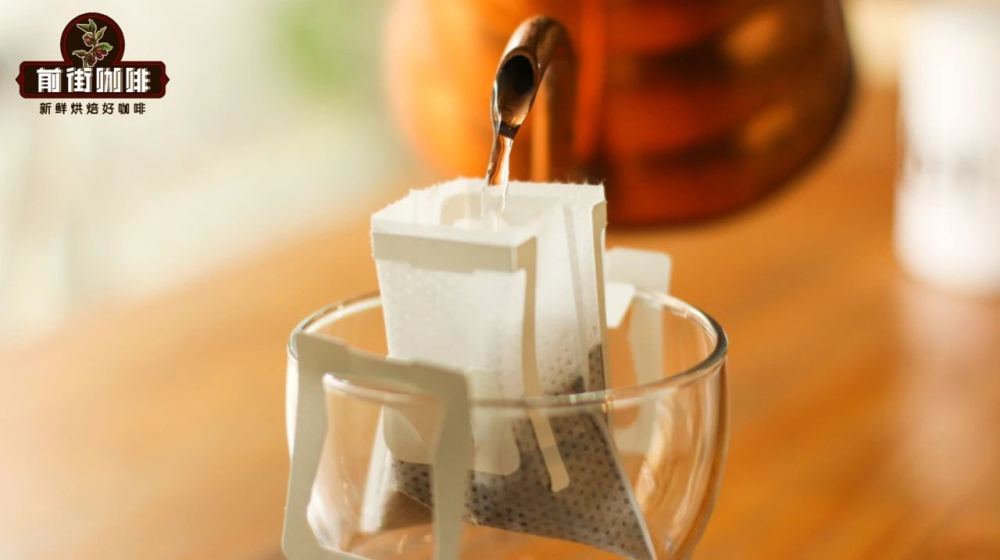
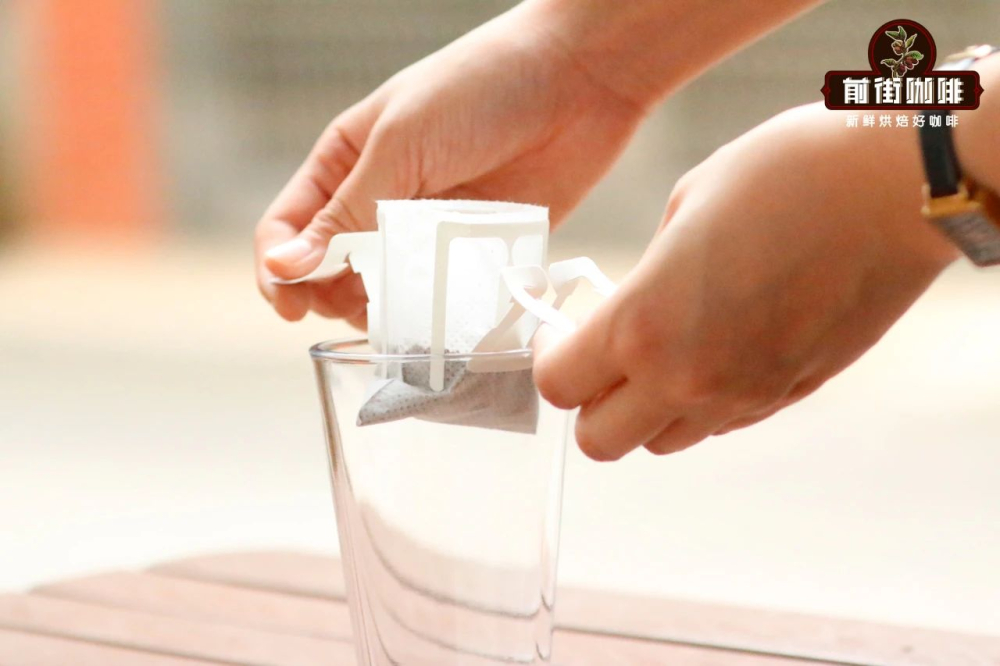
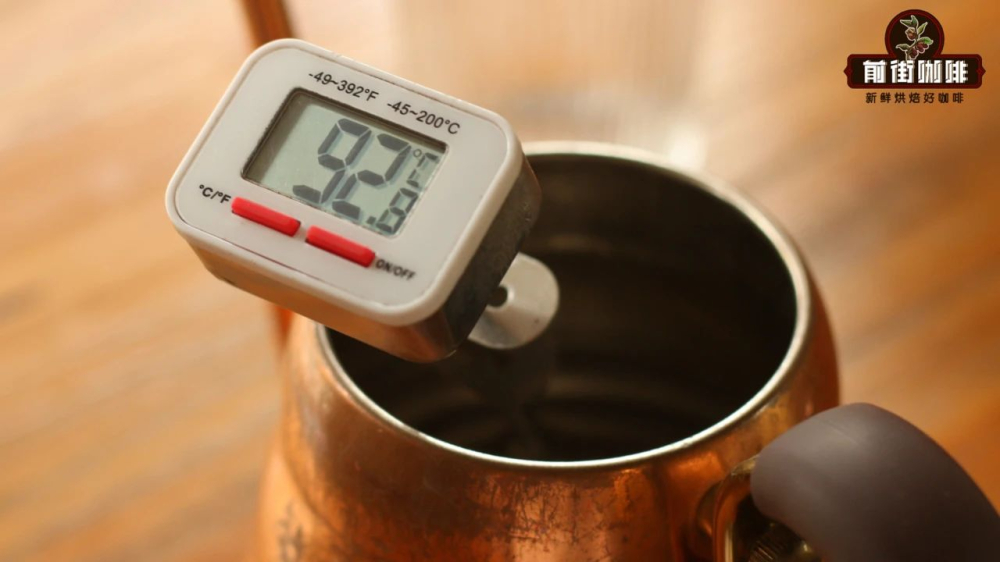
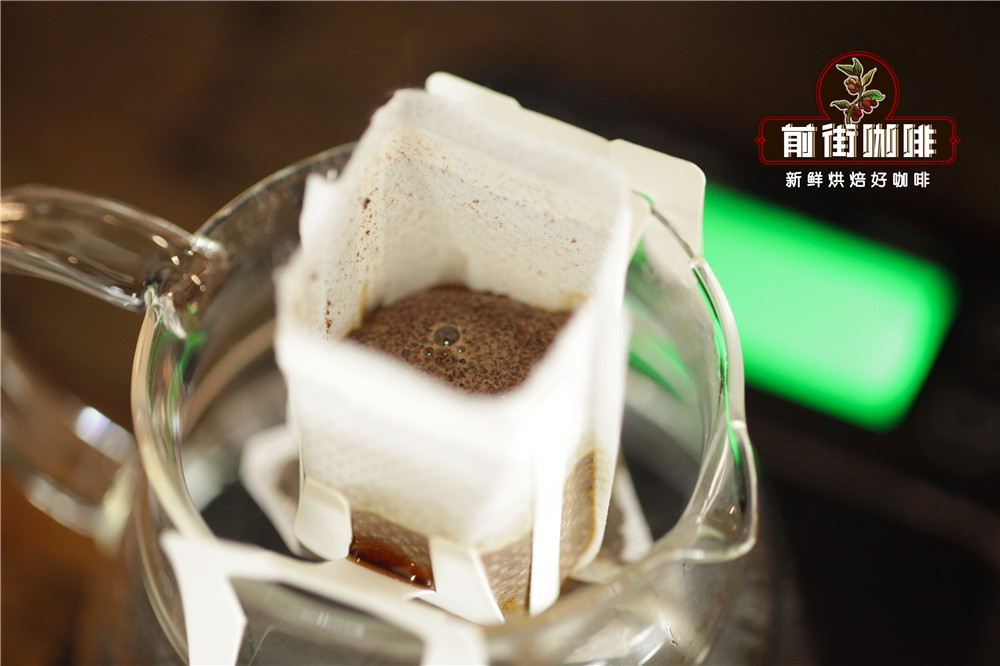
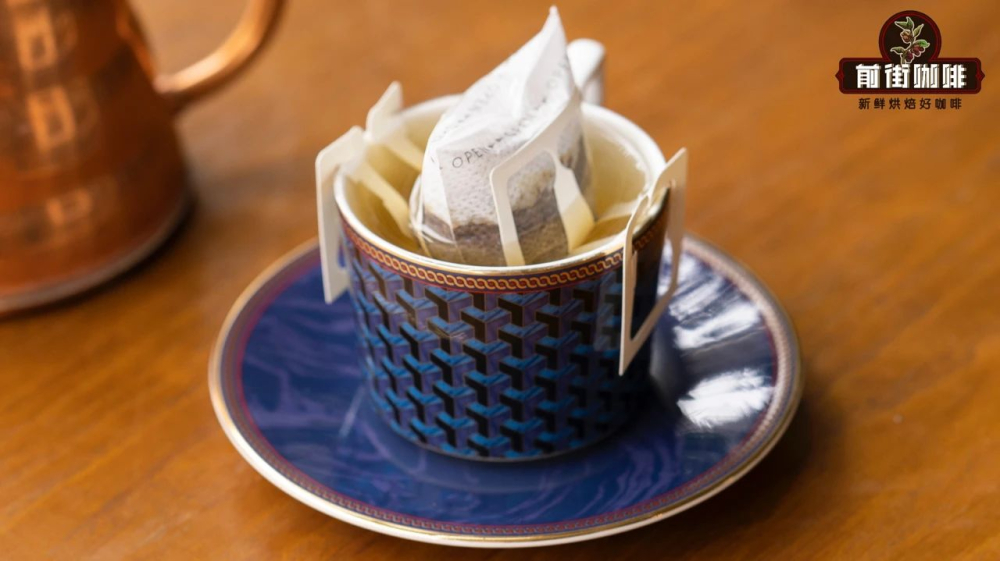
Proper brewing of drip bags can start with preheating the cup. It is recommended to first warm the cup with hot water, which helps maintain the optimal temperature of the coffee and slows down flavor loss. Next, control the water temperature between90 and 99°C. If you prefer less bitterness, you can slightly adjust it to90–95°C. When brewing, gently shake the drip bag to settle the coffee grounds, tear open the seal, and unfold the two side ears to securely place them on the rim of the cup.
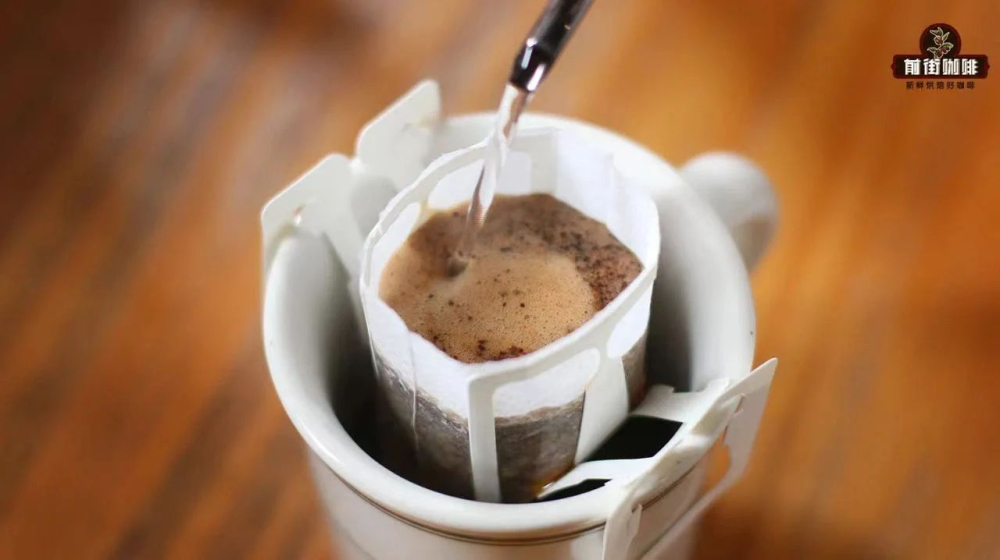
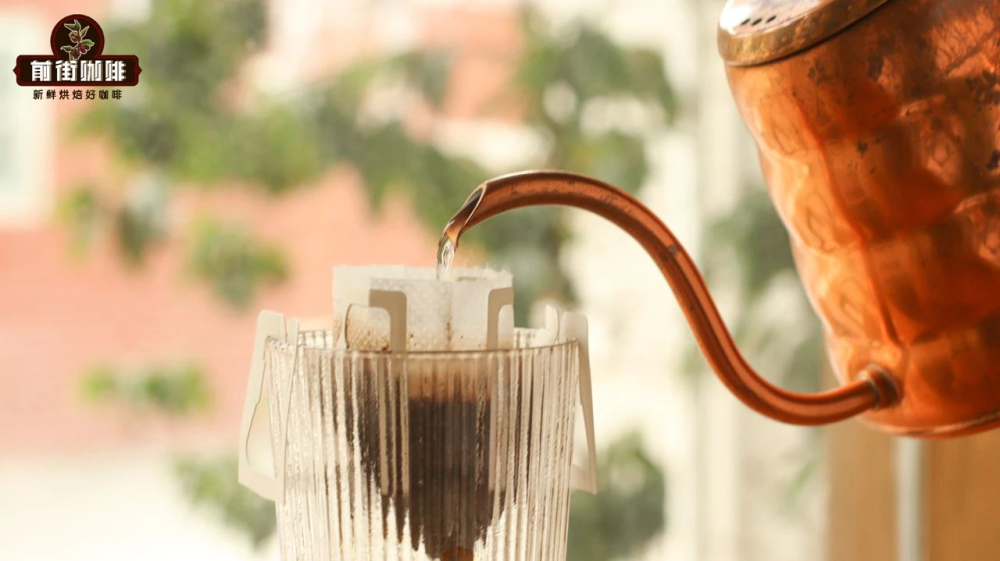
Pre-wetting is a key step. It is recommended to use just enough water to moisten the coffee grounds, then let it sit for about20 secondsto allow the coffee grounds to fully absorb the water. For a richer taste, you can extend this to40 seconds. Then proceed with the main pouring. It is recommended to pour in stages until the filter is about 80% full, using a thin, steady stream of water, with the total extraction volume controlled at150–180cc. After extraction, there’s no need to wait for all the water to drip through the filter before removing it.
Many people make the following common mistakes when brewing drip bags: first, using too much or too little water— it is recommended to use150–180ccwater for 10g of coffee grounds; too much will dilute the flavor. Second, steeping for too long can lead to over-extraction, resulting in bitter and astringent off-flavors—it is recommended not to brew for more than4 minutes. Third, using water that is too cool can lead to under-extraction— it is recommended to let boiled water sit for1–2 minutesbefore use. Fourth, mistakenly thinking it can be reused— in reality, drip bags are only suitable for single use.
The advantages of drip bags lie in their portability and flavor, which is close to that of single-origin coffee. The downside is that they cannot be reused and have a shorter shelf life. Due to the increased surface area of coffee grounds exposed to air, their optimal shelf life is typically onlytwo weeks, much shorter compared to coffee beans. Improper storage can also cause a noticeable decline in flavor, even if they haven’t expired.
Regarding the Blue Mountain No. 1 drip bag, many wonder if it really uses Jamaican Blue Mountain beans. In fact, authentic Blue Mountain drip bags can deliver the unique mild acidity and balanced flavor characteristic of Blue Mountain beans, but products on the market with excessively low prices are often not from the Blue Mountain region. If you’re seeking the traditional Blue Mountain flavor, it is recommended to choose coffee beans from the Jamaican Blue Mountain region and pay attention to their storage conditions and shelf life.
The reason the shelf life of drip bags is shorter than that of coffee beans mainly lies in the fact that once coffee is ground, its surface area exposed to air increases dramatically, accelerating aroma loss. Practical experience shows that drip bags can retain the most complete flavor withintwo weeksafter opening. Beyond this period, even if they haven’t gone bad, the aroma and complexity will noticeably decline. Even if the packaging has a degassing valve, it cannot completely prevent the natural dissipation of aroma.
If you want to try other flavor profiles of drip bags, there are many worthwhile options on the market. For example, the Ethiopian Yirgacheffe Sun-Dried Red Cherry drip bag offers bright flavors of tropical fruit and berries; the Sidamo Huakui drip bag is known for its berry, floral tea, and honey aromas; the Honduran Sherry drip bag features whiskey-like notes with vanilla and cream tones; and the Indonesian Golden Mandheling drip bag showcases a rich profile of herbal and caramel flavors, ideal for coffee lovers who prefer bold tastes.
The above content is compiled by CoffeeHunters, a coffee news website.


