







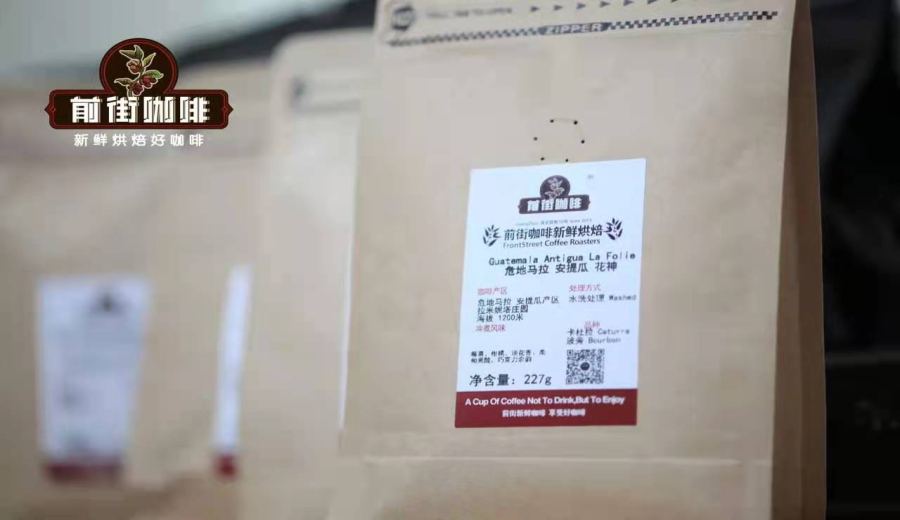
Introduction:Delve into the unique charm of La Hermosa from Finca La Ramilyta, a standout coffee from Guatemala’s Antigua region. This article systematically explores the terroir, varietal characteristics, washed processing method of this lot, details its medium roast profile and cupping flavors, and provides professional pour over brewing parameters to help you master this classic blend—blending floral notes, lime acidity, and honey sweetness in perfect harmony.
The Antigua region of Guatemala, with its volcanic soil, significant diurnal temperature variation, and high-altitude cultivation environment, stands as an important representative of fine Central American coffee. Among them, the “La Hermosa” batch, processed by the renowned local Pastores wet mill on behalf of Laminita company, is particularly noted for its consistent high quality and unique flavor. This coffee bean combines the strengths of Bourbon and Caturra varieties, and through a rigorous washed process, ultimately presents a layered and complex flavor profile.
The growing area is located on highlands surrounded by active volcanoes near the city of Antigua, at altitudes ranging from 1,200 to 1,600 meters (with some core areas reaching up to 1,850 meters). The lightweight pumice soil formed by volcanic eruptions offers excellent drainage and high mineral content. Coupled with abundant sunlight throughout the year and cool nighttime temperatures, it not only slows down the ripening of coffee cherries but also promotes the concentration of flavor compounds. It is worth noting that local growers reduce the impact of extreme weather on plants through the preservation of shade trees and scientific crop rotation.
Varietal CompositionDominated by the natural Bourbon mutation of Typica, complemented by a smaller proportion of Caturra. The Bourbon variety contributes a rich sweetness and balanced acidity, while Caturra brings a brighter citrus tone. The processing mill rigorously selects deep red coffee cherries of uniform ripeness, ensuring raw material quality through five separate manual harvests.
The washed processing procedure includes five key steps:First, floaters are removed to eliminate under-dense defective beans; then, a pulper removes the outer skin and pulp; the third stage involves controlled fermentation at 16 to 36 hours to break down the mucilage; this is followed by thorough washing to remove residual impurities; finally, the beans are sun-dried to a moisture content of 10%–14%, after which a hulling machine removes the parchment and silverskin.The entire process is completed under the professional supervision of the Pastores wet mill to ensure hygiene standards and flavor consistency.
The green beans present a uniform yellow-green color, with full beans and a defect rate below 1%. Roasters typically usea medium roast (Agtron approximately 65–70)to balance acidity and body: extending the development time by 30–45 seconds after the first crack preserves bright notes such as lime and white floral tones, while also developing a caramel and honey finish. This roast level is particularly well-suited to showcasing the distinctive smoky-mineral character of the Antigua region.
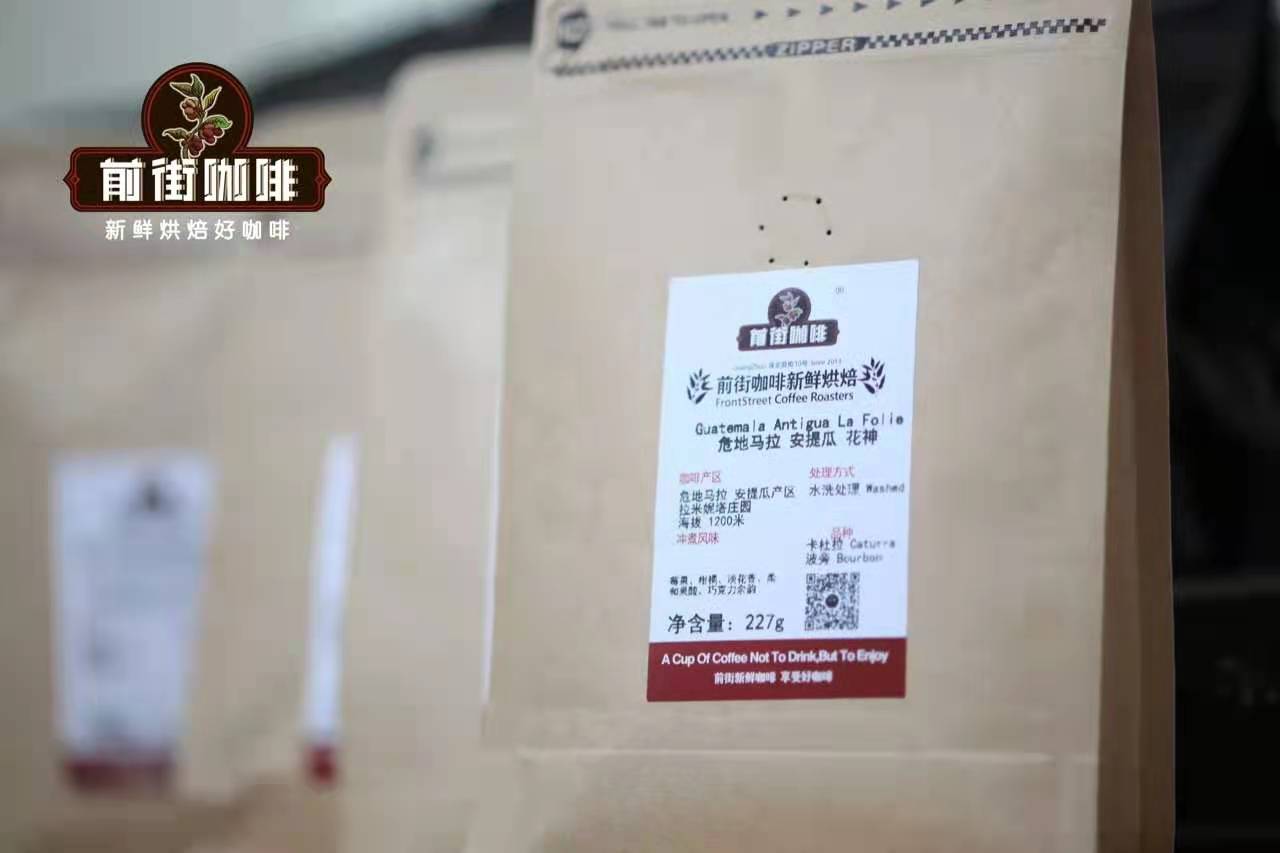
Cupping performance highlights three main features: upon entry, there is an immediate burst of brightlime and green citrus acidity, which transitions mid-palate to black tea and jasmine floral notes, with a long-lasting honey sweetness and a hint of dark chocolate in the finish. The acidity is bright but not sharp, with body in the medium-to-high range, and overall cleanliness and sweetness balance reaching specialty-grade standards. It is recommended to use a V60 filter cone with medium-fine grind (approximately 75% passing rate through a Chinese No. 20 standard sieve), water temperature controlled at 90–92°C, using a three-pour method (first pour to 1:15 coffee-to-water ratio for a 30-second bloom, followed by total pouring to 1:16).
For advanced enthusiasts, adjusting parameters can help explore flavor variations: increasing water temperature to 93°C enhances caramelization reactions, and extending the bloom time to 45 seconds aids in developing nutty tones; if a lighter-bodied taste is preferred, the Kono dripper with a coarser grind (80% passing rate) can be used to lower extraction rate. Regardless of the method, this coffee will clearly express the terroir signature of the Antigua region.
The above content is compiled by CoffeeHunters, a coffee news website.


