







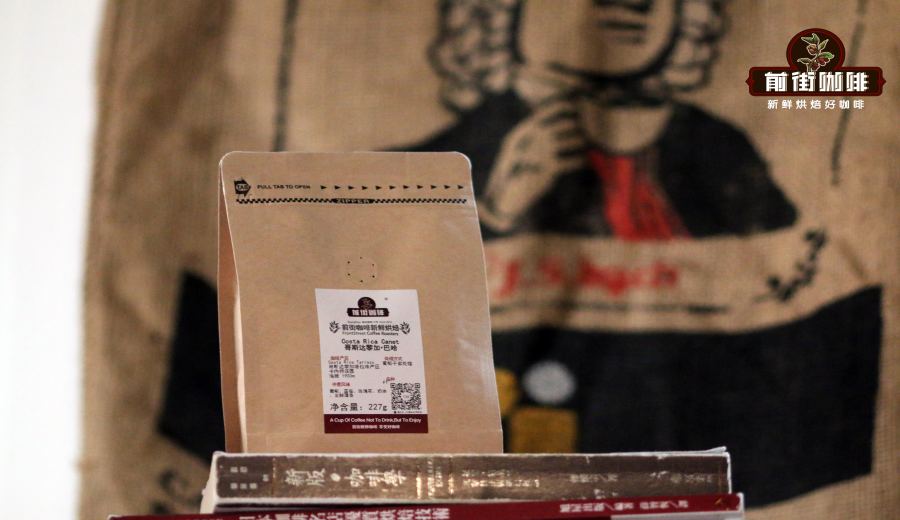
Introduction:The Beethoven washed coffee produced by Finca Canet in Costa Rica is a rare yellow Catuai variety from the Musician Series that undergoes the washed process. Grown at an altitude of 1900 meters in the Tarrazú region, it features bright berry acidity and a tea-like body, with a honeyed sweetness in the aftertaste. This article takes you through the region’s background, variety characteristics, washed processing method, and practical pour over parameters to help you master the brewing techniques and flavor profile of this high-altitude coffee.
In Costa Rica’s specialty coffee scene, the Musician Series has long been noted for its unique processing methods. Among them, Beethoven stands out as the only one using the traditional washed process. Based on the yellow Catuai variety and cultivated in the high-altitude Tarrazú region, it delivers a clean, bright, and layered cup. This coffee from Finca Canet showcases prominent berry acidity and elegant tea notes, with a honey and honeydew melon sweetness in the finish — ideal for coffee lovers who prefer a crisp and structured cup.
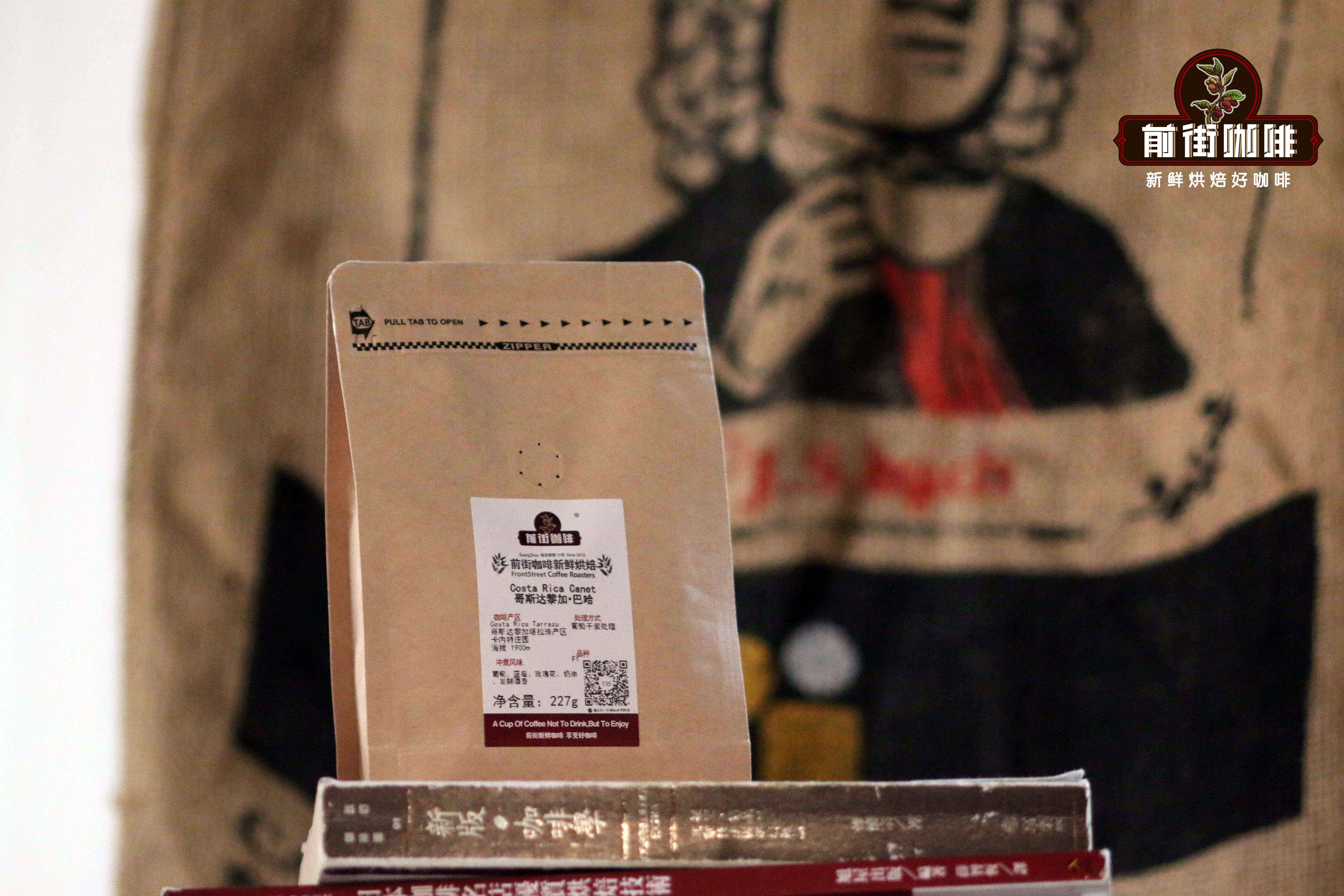
Finca Canet is located in the town of San Marcos in the Tarrazú region of Costa Rica, covering an area of about 5 hectares. It has been operated by the three Robles brothers — Leo, Elian, and Melvin — for over a decade. In addition to growing coffee, they also run a small wet mill (Beneficio) to ensure quality control from harvest to processing. This Beethoven washed coffee is grown in a micro-lot at an altitude of 1900 meters, using only perfectly ripe red cherries for meticulous processing.
The Musician Series includes three coffees, each processed differently, but Beethoven is the only one that uses the washed method. Its uniqueness lies in the removal of the mucilage layer through washing, resulting in a cleaner and purer flavor that highlights the delicate layers brought by the high-altitude environment. The yellow Catuai variety is a hybrid of Mundo Novo and Caturra, first successfully cultivated in Brazil in 1949. It is known for its stable disease resistance and good adaptability, especially thriving in high-altitude and wind-prone regions.
Both yellow Catuai and the more common red Catuai varieties are known for their clean acidity and balanced flavors, with sweetness and body that can be adjusted through honey processing. Although Finca Canet primarily grows passion fruit, it also invests significant effort in coffee cultivation. Only a small number of coffee trees are planted in specific microclimates, and only fully ripe red cherries are handpicked to ensure bean quality.
The washed processing of Beethoven follows a meticulous procedure: First, beans are double-sorted to remove underripe or overripe ones. After pulping, a centrifugal washer removes the sticky mucilage from the bean surface to prevent fermentation-related flavor defects. Then the beans are thoroughly rinsed with clean water before being placed on shaded raised beds to dry slowly for 12 to 14 days, with regular turning to ensure even dehydration. This process results in a clean, bright acidity, along with delicate fruity and sweet notes.
The Tarrazú region in Costa Rica is known for its high altitudes and rich orchard surroundings, offering ideal growing conditions for yellow Catuai. This Beethoven washed coffee exhibits clear berry notes after roasting, paired with tea-like layers in the mid-palate and honey-honeydew sweetness in the finish — making it perfect for experiencing the refined expression of high-altitude coffee through pour over brewing.
If you’d like to brew this Finca Canet Beethoven washed coffee at home, you can refer to the following practical pour over parameters: Use 15 grams of coffee, with a 1:15 coffee-to-water ratio. Grind size should be close to medium-fine, similar to caster sugar. Water temperature should be controlled at 90°C, and it’s recommended to use a Kalita #01 ceramic filter for a stable flow rate. Start with a 30-second bloom using 25 grams of hot water to degas and activate the coffee grounds. For the second pour, add water up to 120 grams, pouring in a low and slow circular motion to minimize agitation and allow steady release of flavor compounds. Finally, for the third pour, add water up to a total of 225 grams, starting when the water level drops by about one-third. You may slightly increase the pour speed and circle motion to re-integrate the bottom fine particles and avoid over-extraction and bitterness. Aim for a total extraction time of around 1 minute and 56 seconds.
The above content is compiled by CoffeeHunters, a coffee news website.


