








Introduction:Yirgacheffe is renowned for its unique citrus notes and bright acidity, while the washed and natural processing methods impart distinctly different flavor profiles. This article delves into the technical differences between the two methods, their flavor characteristics, and offers roasting and pour-over recommendations for two classic Yirgacheffe beans—washed Guji Dingding and natural Red Cherry—to help you find the one that best suits your taste.
When it comes to Yirgacheffe in Ethiopia, most coffee enthusiasts first think of its crisp, transparent citrus acidity and floral aroma, all closely tied to the region’s high-altitude environment. The town of Yirgacheffe is situated in the mountainous area at an elevation of 1700 to 2100 meters, originally a sub-region under the Sidamo province, but later elevated to an independent region due to its exceptional flavor profile. The fertile soil and significant day-night temperature variation here provide ideal growing conditions for Arabica coffee.
The Yirgacheffe region is now subdivided into four major sub-regions: Yirgacheffe, Kochere, Worka, and Genlena Abay. These areas not only share similar altitudes but also each possess unique microclimates and processing features. Both washed and natural processing methods are widely used here, contributing to the diverse flavor spectrum of Yirgacheffe.
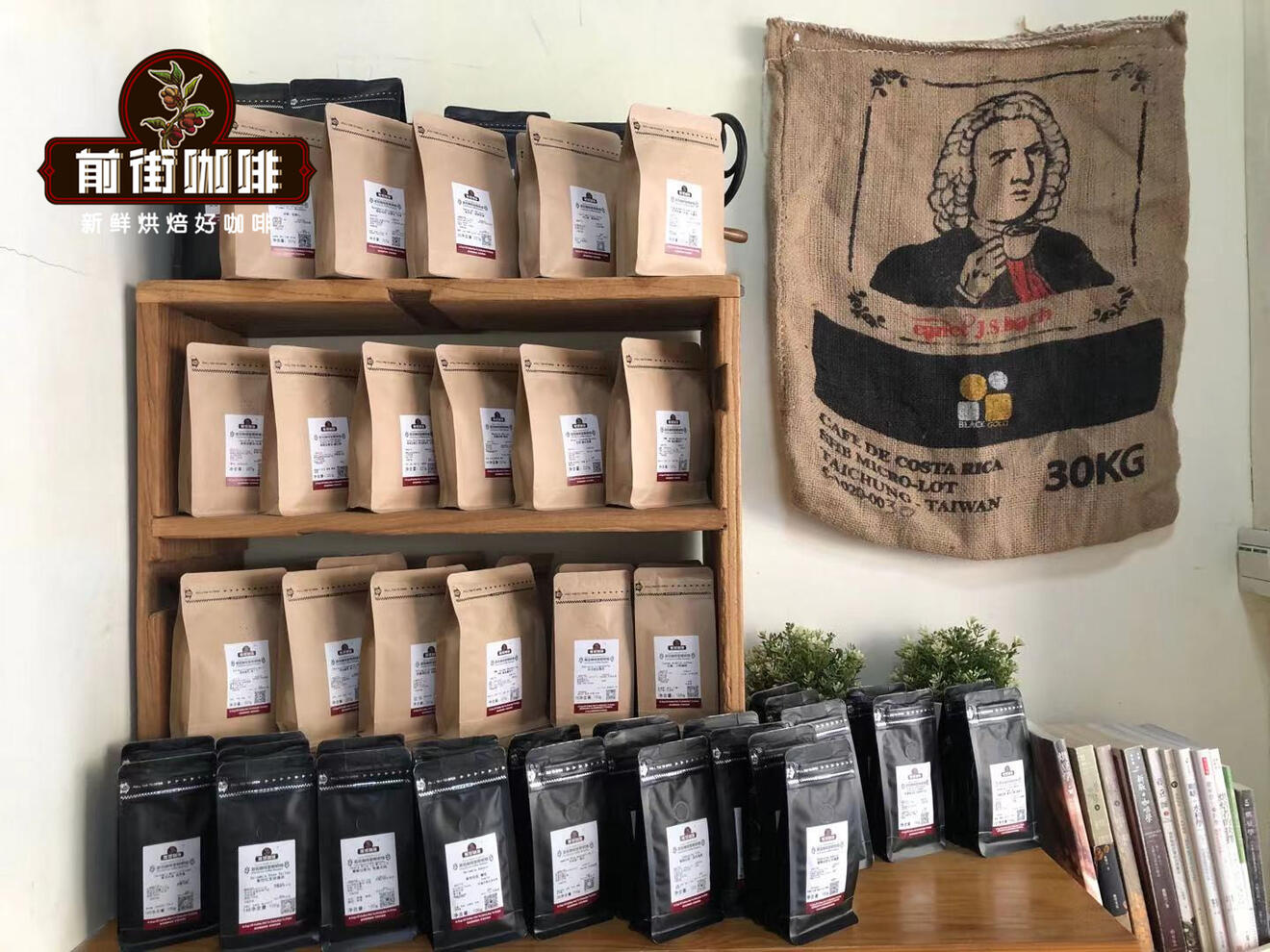
The washed process can be said to be the key to Yirgacheffe’s global fame. As early as 1972, Ethiopia introduced washed processing technology from Central and South America. By removing the pulp and mucilage, it preserves the purest acidity and fruity characteristics of the coffee bean, resulting in a cleaner and brighter taste, and establishing Yirgacheffe’s status as the representative of the “clean and bright” school. Later, with improvements in natural processing techniques, natural Yirgacheffe gradually regained market favor, showcasing the charm of intense fruitiness and fermentation complexity.
So, what exactly is the difference between washed and natural Yirgacheffe? Below, we’ll take you through the processing steps, flavor characteristics, and actual brewing performance—all in one go.
Natural Processing Method: Traditional Craft, Bold and Expressive
The natural processing method, also known as dry processing, is one of the oldest coffee processing techniques, with a history dating back hundreds of years. This method does not rely on large amounts of water but demands highly favorable weather conditions, requiring several consecutive days of clear, rain-free skies. The entire process takes approximately 27 to 30 days. This explains why the natural method is mostly found in dry, high-altitude regions with scarce water resources, such as certain parts of Ethiopia.
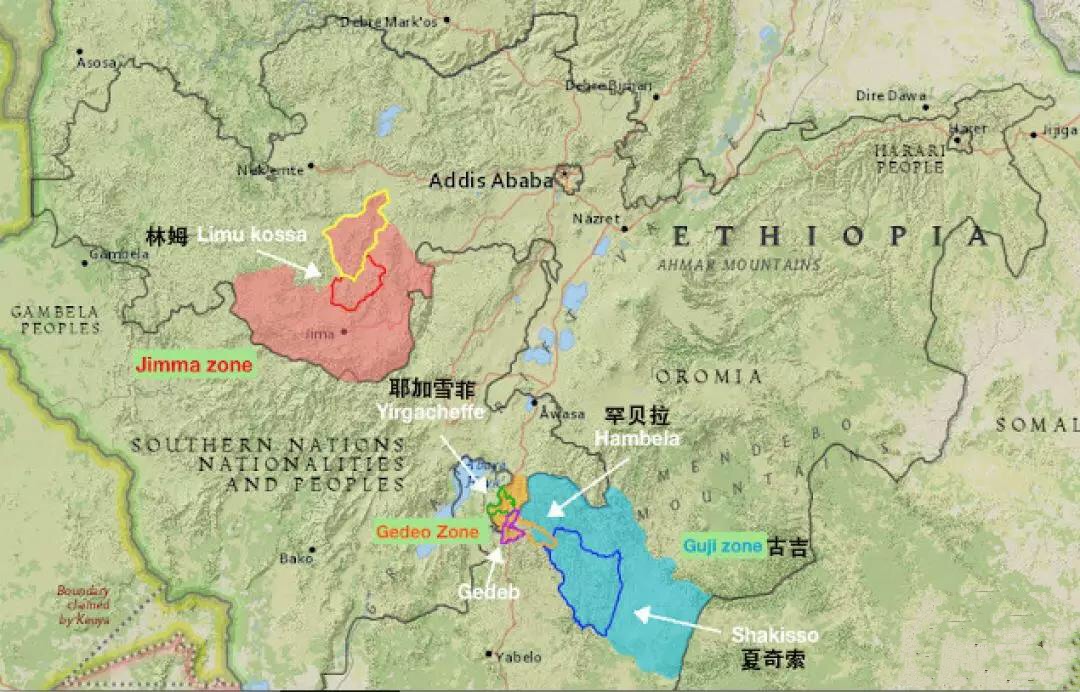
Yirgacheffe, being a wetland area with abundant water supply, initially favored the washed method. However, with advancements in specialty natural processing, more producers have entered the realm of refined natural processing, breathing new life into this traditional technique.
The steps of natural processing are roughly as follows:
1. After harvesting, coffee cherries are first rigorously hand-sorted to remove unripe, overripe, or defective fruits, ensuring that only the highest-quality cherries proceed to the next stage.
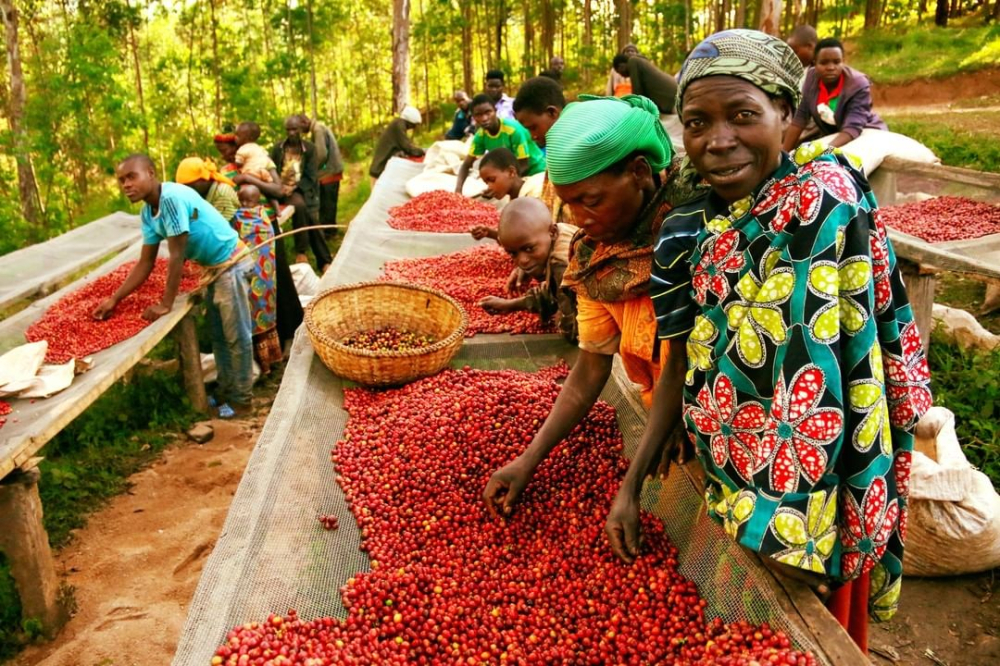
2. The selected cherries are then placed on drying beds or waterproof tarps to sun-dry for about four weeks, during which they are regularly turned to ensure even drying until the moisture content drops to 11%.
3. Once dried, the coffee cherries are taken to a processing facility where the outer skin and parchment layer are removed, leaving behind the green coffee beans.
4. A final sorting is conducted to eliminate any defective beans that may have developed during the drying process, ensuring export quality.
Although this process may seem simple, it heavily relies on weather conditions and manual monitoring. Any oversight could lead to mold, off-flavors, or uneven drying. But when done right, natural beans often exhibit intense fruitiness, wine-like notes, high sweetness, rich flavor layers, and a long aftertaste.
Pros: Pronounced fermentation flavors, high sweetness, relatively low cost
Cons: High weather dependency, higher defect risk, less uniform appearance
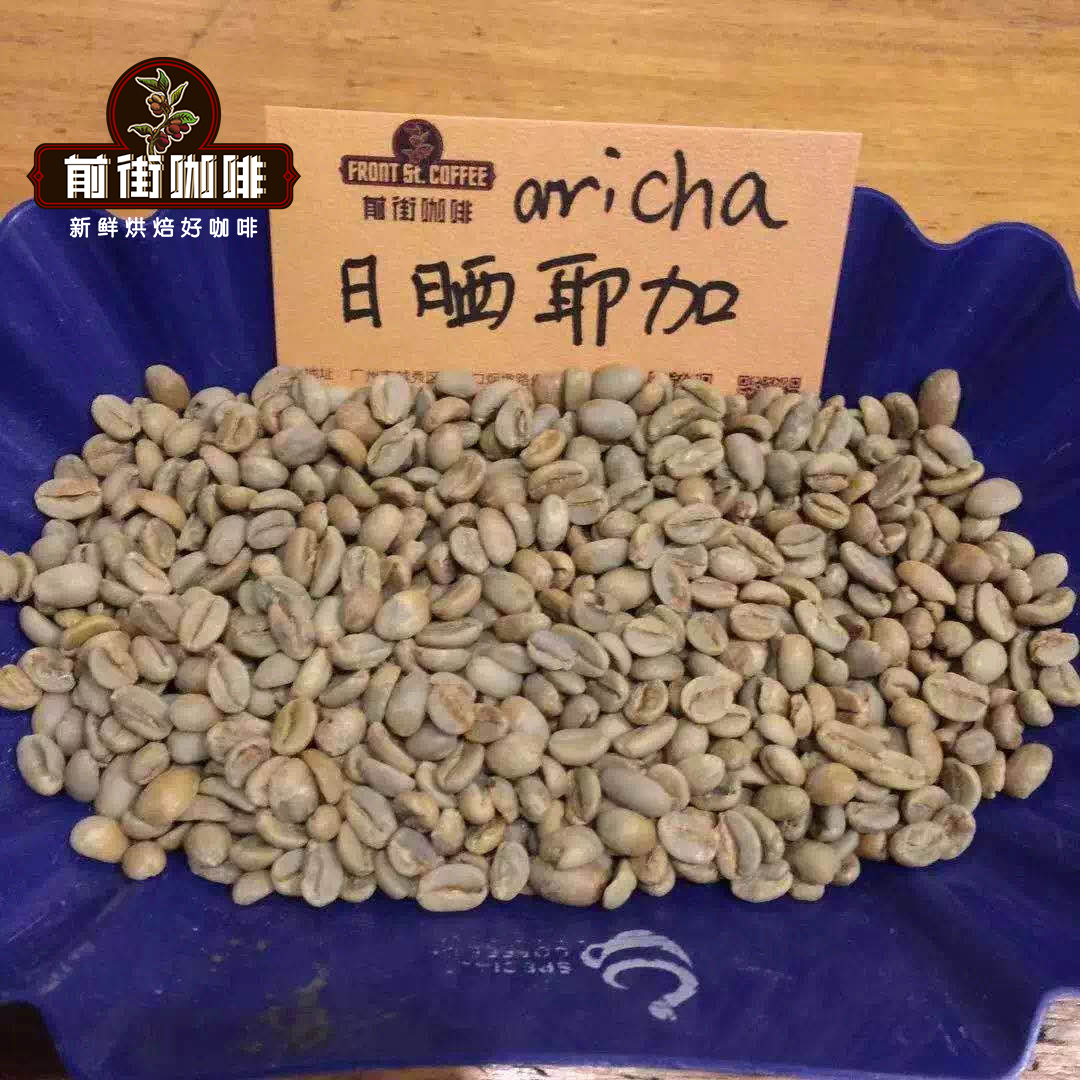
Typical flavor characteristics include berries, lemon, wine, fermented aromas, and caramel sweetness, making it ideal for coffee lovers who enjoy bold and complex flavors.
Washed Processing Method: Modern Standard, Clean and Bright
The washed processing method is one of the most common in the specialty coffee industry today, particularly suited for highlighting the inherent acidity and fruitiness of the coffee. Its defining feature is the use of water and fermentation to remove the pulp and mucilage, leaving only the coffee seed. As a result, the flavors are “cleaner,” with distinct layers, and it more easily showcases the unique characteristics of the origin.
The washed processing flow generally follows these steps:
1. Harvested coffee cherries are first soaked in water, where unripe or overripe cherries float due to differing densities, making them easy to remove, leaving only the high-quality ones that sink.
2. After removing the outer skin and pulp, the coffee beans still retain a mucilage layer, which is removed using water and fermentation (approximately 18 hours).
3. After fermentation, the beans are rinsed clean again, a step that consumes a lot of water—about 40–50 kg of water per kilogram of coffee beans.
4. The cleaned beans are then dried until the moisture content reaches 11%, usually via mechanical drying or sun drying.
5. Once dried, the beans are stored and packaged for export.
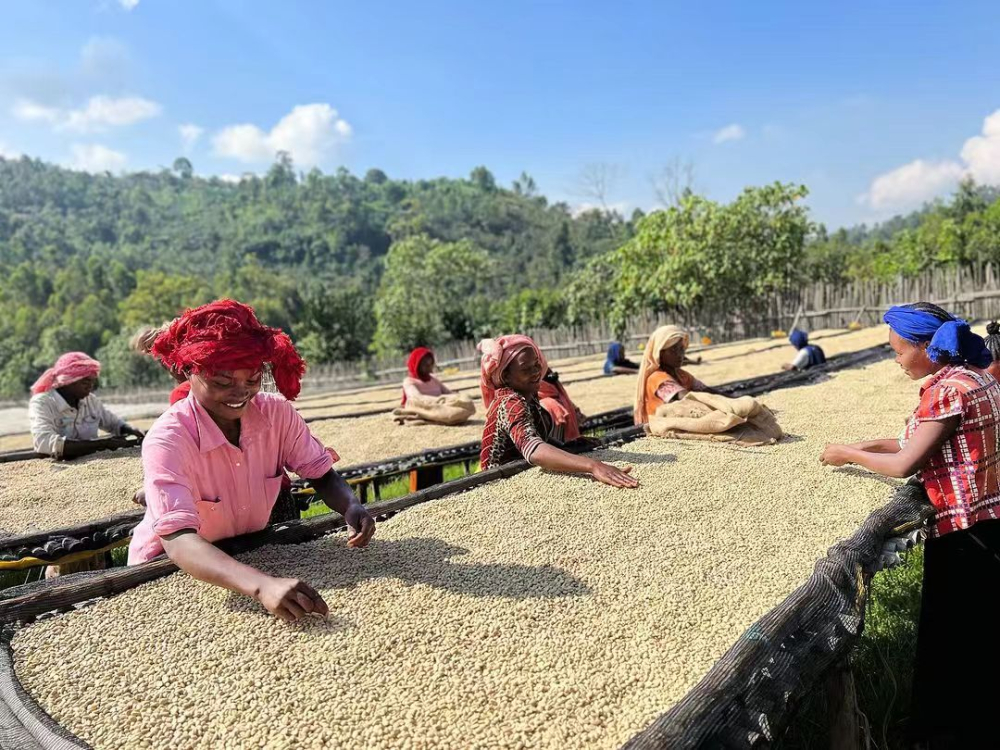
Although this method is water-intensive and involves many steps, it effectively suppresses mold, stabilizes quality, and delivers a clear, bright acidity and fruitiness. It is the preferred technique in many regions for expressing “origin character.”
Pros: Clean flavors, high stability, minimal impurities
Cons: High water consumption, higher cost, not suitable for water-scarce areas
Typical flavors are dominated by citrus, berries, honey, and floral-tea notes, with bright acidity, a refreshing mouthfeel, and relatively mild sweetness and body.
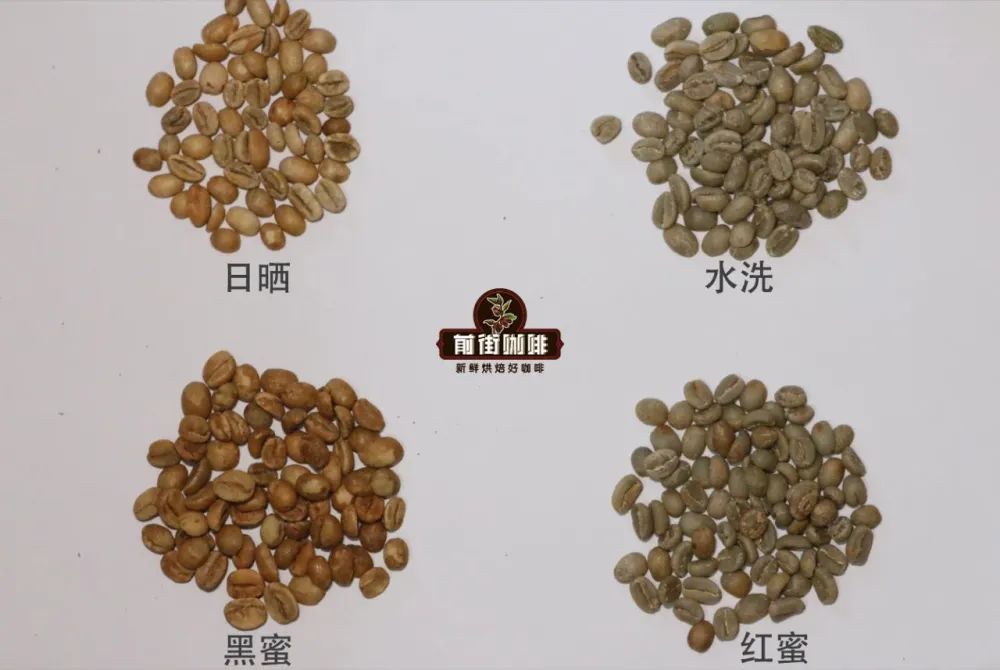
Washed vs Natural: A Quick Look at Key Differences
In short, the washed process emphasizes “purity,” showcasing the inherent traits of the coffee bean with clear, bright flavors and lively acidity. In contrast, the natural method retains the influence of fermentation with the fruit pulp, resulting in richer, sweeter, and more layered flavors, along with unique wine-like notes and fermentation aromas.
If you’re trying coffee from a particular origin for the first time, many baristas recommend starting with washed beans, as their straightforward flavor profile helps you understand the foundational characteristics of that origin.
Practical Comparison: Yirgacheffe Washed Guji Dingding vs Natural Red Cherry
Below, we’ll take two classic Yirgacheffe beans—washed Guji Dingding and natural Red Cherry—as examples to explore their differences in flavor, roasting, and pour-over performance.
Yirgacheffe Washed Guji Dingding
Origin: Yirgacheffe (elevation 1900–2300 meters)
Variety: Heirloom
Processing Method: Washed
Flavor: Tropical fruits, cream, honey, berries, citrus
This bean comes from the Guji Dingding Cooperative, made up of over 300 smallholder farmers. With mature production techniques and stable bean quality, it is especially suitable for those who enjoy a refreshing acidity and layered fruitiness.
Yirgacheffe Natural Red Cherry
Origin: Yirgacheffe (elevation 2300 meters)
Variety: Heirloom
Processing Method: Natural
Flavor: Berries, lemon, strawberry, fermented wine notes
This bean is part of the “Red Cherry Project,” using only fully red, ripe cherries. It undergoes high-standard hand sorting and natural processing, delivering outstanding sweetness and aroma.
Roasting and Pour-Over Parameter Recommendations
In terms of roast level, Guji Dingding is well-suited to a light roast to highlight fruit acidity and aroma; Red Cherry is mainly medium-light roasted to enhance sweetness and fermentation layers.
Red Cherry Roasting Parameters (Yangjia 800N)
Bean Charge: 600g | Inlet Temperature: 200°C | First Crack Start: 9’07” | Drop Temperature: 194°C
Adjustments to air damper and heat are detailed in the original text. The focus is on controlling the drying and development phases before first crack to bring out sweetness and wine-like notes.
Guji Dingding Roasting Parameters (Yangjia 800N)
Bean Charge: 480g | Inlet Temperature: 175°C | First Crack Start: 9’38” | Drop Temperature: 193.5°C
Light roast profile, emphasizing clarity of fruit acidity and brightness of aftertaste.
Pour-Over Recommendations (V60 Filter)
Dose: 15g | Water Temperature: 90–91°C | Brew Ratio: 1:15 | Grind Size: Medium-fine (BG 6M / 20# sieve 80% passed)
Three-Stage Extraction Method:
① 30g water bloom for 30 seconds
② Pour 95g water (total ~125g), around 1 minute
③ Pour another 100g water (total ~225g), around 1 minute 35 seconds
Total brew time controlled between 2’00”–2’10”
These parameters are suitable for most V60 users, balancing flavor release and smooth mouthfeel.
Natural Red Cherry Flavor Profile: Lemon, licorice, berries, sweet orange. Sweetness stands out, with a caramel and black tea aroma in the aftertaste.
Washed Guji Dingding Flavor Profile: Citrus and black tea in the front, with creamy, almond, and caramel softness in the mid-to-late stages. Clean and refreshing mouthfeel.
The above content is compiled by CoffeeHunters, a coffee news website.


