







Introduction:Want to explore top Ethiopian Sidamo sun-dried beans but unsure how to choose between Huagu 4.0 and Xiarsi beans? This article dives deep into the origin background, processing methods, bean variety characteristics of these two popular coffees, comparing them across aroma profiles, acidity-sweetness balance, body, and aftertaste. It also provides practical roasting and pour over parameters to help coffee enthusiasts make choices based on their taste preferences.
Sidamo is one of Ethiopia’s most representative specialty coffee regions, encompassing multiple sub-regions with distinct flavor profiles, among which Guji and West Arsi are the most renowned. These two areas not only differ significantly in terrain and microclimate, but also in the flavor profiles their beans exhibit. This article focuses on the sun-dried Huagu 4.0 from the Guji Hambella region and sun-dried beans from the West Arsi area, providing a detailed comparison from regional environment, green bean appearance, processing flow, roasting suggestions, to actual cupping flavors, helping you find the one that best suits your palate.
Sidamo is located in southern Ethiopia, bordering administrative zones such as Arsi and Bale. Its terrain is varied, with planting altitudes generally ranging between 1400 and 2000 meters, making it part of the typical East African highland coffee belt. The region’s primary economic activity is agriculture, with coffee cultivation concentrated around the East African Rift Valley. The region’s unique altitude and diverse soils create distinctive coffee flavors. With the growing international demand for specialty coffee, Sidamo has become an important origin drawing global attention, among which Guji and West Arsi are essential highlights for specialty coffee lovers.
Guji was once part of the Sidamo region until it was officially designated as an independent region by the Ethiopian Commodity Exchange (ECX) in 2010. Geographically, it neighbors Yirgacheffe, featuring a landscape of high mountains, deep valleys, and plateaus, with fertile black Vertisol soil. The average altitude exceeds 1800 meters, coupled with significant diurnal temperature variations, creating ideal conditions for coffee cultivation. Among these, Hambella, a high-altitude sub-region under Guji, is known for producing sun-dried beans with vivid and layered flavors — the well-known "Huagu" series.
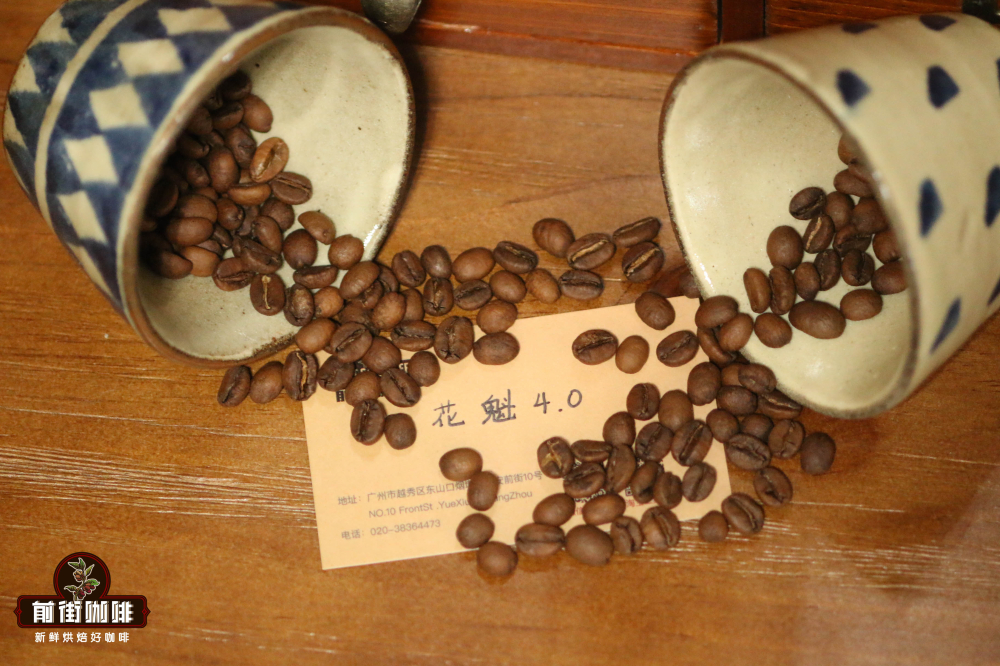
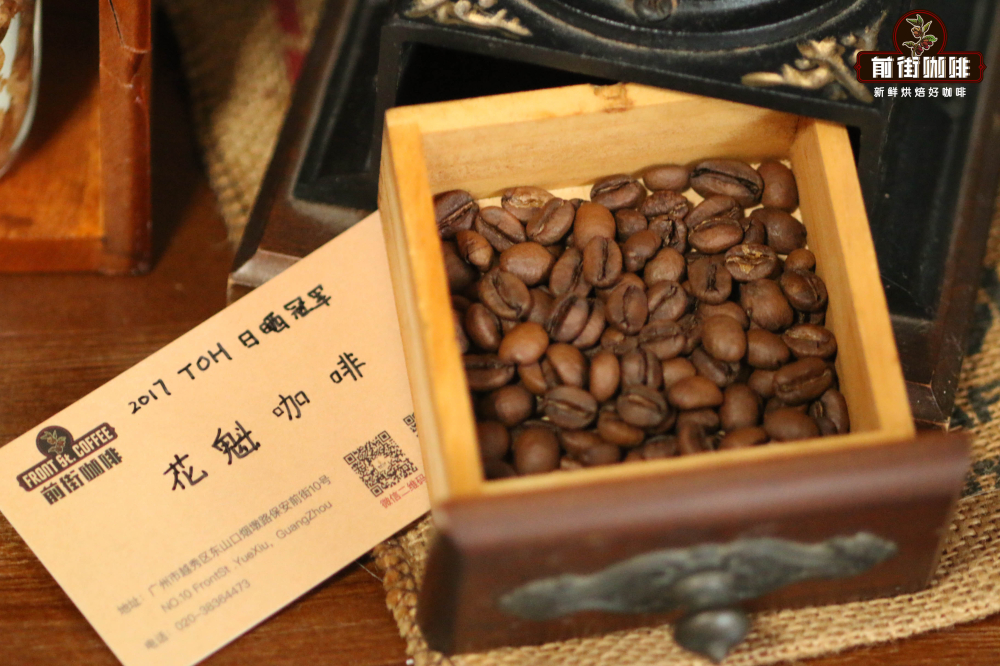
The beans for Huagu 4.0 come from the Buku Able processing station in the Hambella area, grown at an altitude of 2350 meters. They use the local Dega variety and are processed using a refined sun-drying method, showcasing intense tropical fruit and fermentation aromas. This bean first won the TOH (Taste of Harvest) green bean competition in 2017, gaining widespread attention for its strong strawberry and cream notes. It not only became a hot topic in the domestic coffee market but also established its status in the specialty coffee scene. In subsequent years, although versions such as Huagu 2.0, 3.0, and 4.0 were released, Huagu 4.0 is considered the pinnacle of the series in terms of bean purity, processing details, and overall flavor performance, especially suited for drinkers who love fruity, layered coffees.
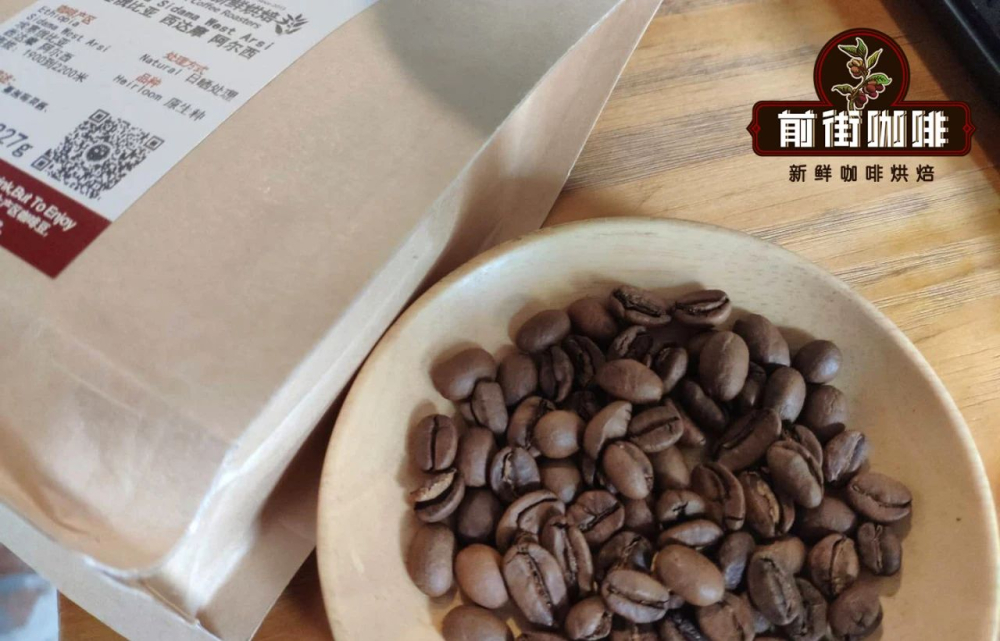
Compared to Guji’s Hambella, West Arsi is located in western Sidamo, neighboring Yirgacheffe and Harerghe, with altitudes ranging approximately from 1900 to 2200 meters. The local population is primarily ethnic Oromo, one of Ethiopia’s most populous groups and historically among the earliest to discover and utilize coffee. West Arsi coffee is mostly grown by smallholders, with an average farming area of about 2 to 3 hectares per household. Although the techniques are still developing, careful family-based management has led to gradual improvements in coffee quality. Coffee from this region is also sun-dried, emphasizing natural flavors and the sweet expression of pulp sugar conversion, suiting consumers who prefer jam-like, rich sweetness.
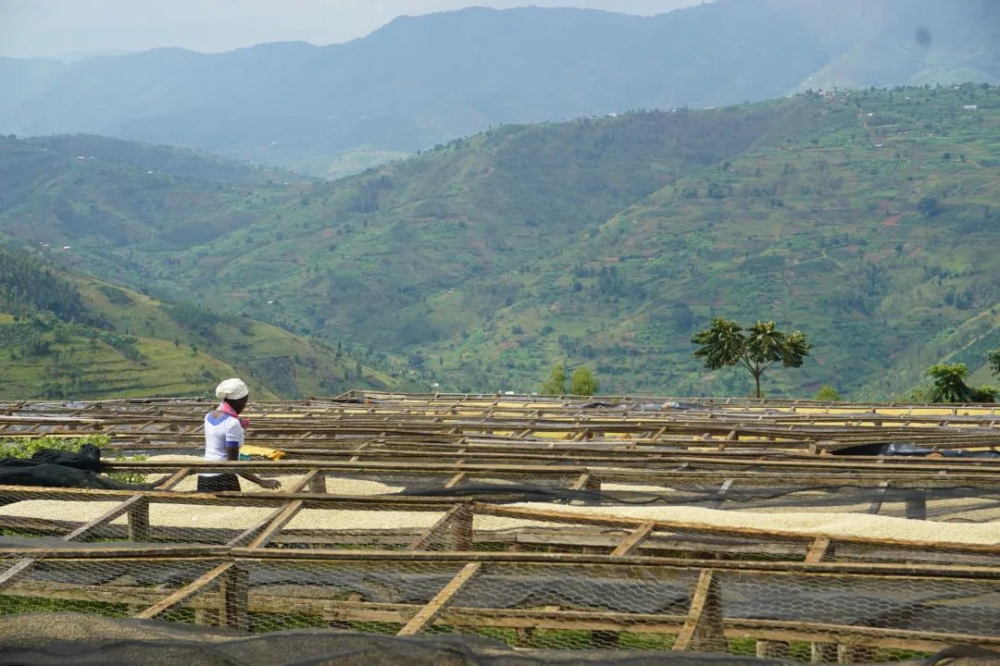
Both beans reviewed here are sun-dried, with only red ripe cherries harvested and hand-sorted before being spread on raised African beds. They are turned daily to ensure even drying while continuously removing defective fruits. The drying process lasts over two weeks until the skins fully harden, after which the beans are hulled and undergo a second screening to ensure green bean quality. This traditional method maximally preserves the natural sugars and fruit aromas from the coffee pulp, giving the coffee intense fermentation tones and a full body.
In terms of green bean appearance, Huagu 4.0 beans vary slightly in size due to variety traits, with a color that is greenish-yellow; West Arsi beans are more uniform in size, with a more consistent overall appearance. For roasting, a light roast is recommended to preserve bright acidity and delicate floral notes, while highlighting each bean’s unique fruit flavor spectrum. Using the Yangjia 800N roaster as an example, Huagu 4.0 has an inlet temperature set at 175°C, first crack starting at 9’50”, and drop temperature around 196°C; West Arsi starts at a slightly lower inlet temperature of 160°C, with first crack beginning around 9’08” and drop temperature at 193.5°C. Both can achieve optimal flavor expression.
Brewing suggestions include using a V60 #01 filter, water temperature controlled at 90–91°C, a coffee-to-water ratio of 1:15, and grind size around EK43s setting 10 (similar to granulated sugar, sifted to 80% passing a #20 mesh). For pour over technique, start with 30 grams of water for a 30-second bloom, followed by pulsed pours totaling 225 grams, with the final 100 grams added when the liquid level drops to two-thirds of the coffee bed. Total brew time is about 2 minutes 10 seconds. These settings help balance acidity and sweetness, highlight clear layers, and avoid over-extraction or unwanted flavors.
In actual cuppings, Huagu 4.0 shows intense ripe berry and passionfruit acidity, with mid-to-late notes of jackfruit fermentation sweetness and prominent sweetness. The overall flavor structure is three-dimensional, with a cooling-down oolong tea-like sweet aftertaste. West Arsi opens with berry and honey aromas, delivering an immediate rich jam-like sweetness and nectarine flavors. The mouthfeel is juicy like fruit juice, especially refreshing upon cooling. In comparison, Huagu 4.0 has a stronger fermentation presence and richer layering, while West Arsi shines with sweet juice-like flavors and soft body, suiting different coffee preference profiles.
The above content is compiled by CoffeeHunters, a coffee news website.


