







Introduction:From natural, washed, semi-washed to honey processes, different green coffee processing methods shape distinct cup profiles. Understanding the step-by-step differences of these traditional methods, their water usage and cost considerations, as well as their impact on acidity, sweetness, and body, can help you choose coffee beans that suit your taste. This article breaks down the four major techniques in depth, along with practical flavor descriptions and representative bean references.
The process of transforming coffee cherries into green coffee beans is called processing. Although there are various innovative techniques on the market today, the truly mainstream and representative methods remain natural, washed, semi-washed, and honey. These methods not only affect coffee production efficiency and costs, but also directly determine the raw flavor potential before roasting—making them an essential starting point for understanding the cupping differences in specialty coffee.
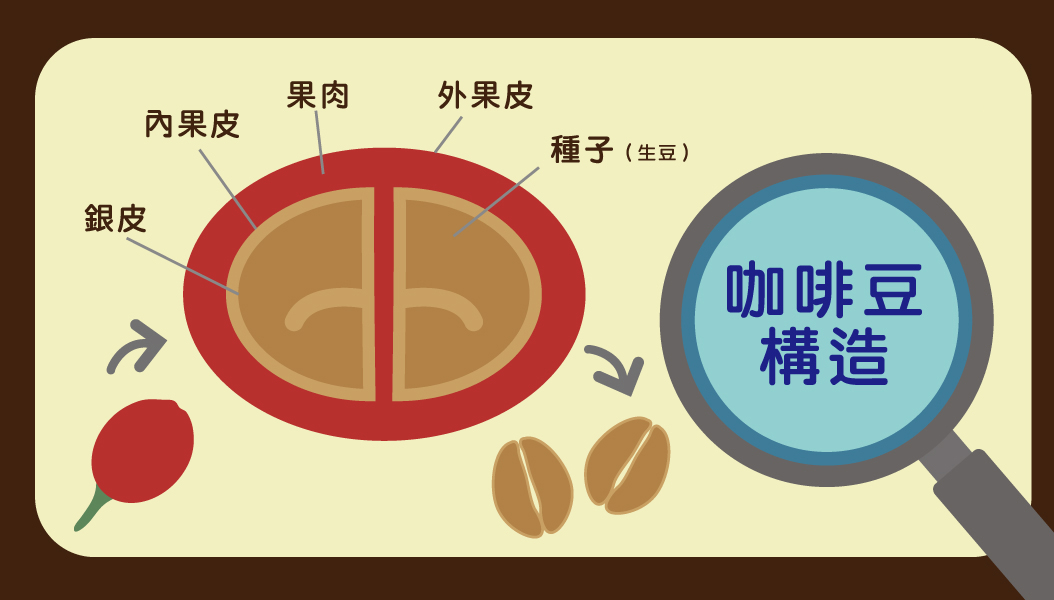
Coffee cherries resemble cherries in appearance and consist, from the outside in, of skin, pulp, mucilage, parchment (commonly known as the seed husk), silver skin, and the core seed. The mucilage layer, about 1–2 mm thick, is rich in sugars and one of the key components influencing final flavor. Regardless of the processing method used, the core task is to separate the seed from the flesh and other tissues, with actual operations varying due to local climate, water availability, and economic conditions—resulting in subtle differences in flavor profiles.
Below, we’ll detail the steps, characteristics, and common challenges of the four major processing methods to help you understand the essence of a cup of coffee from the production side.
Natural Process: Intense Flavors from Sun-Drying
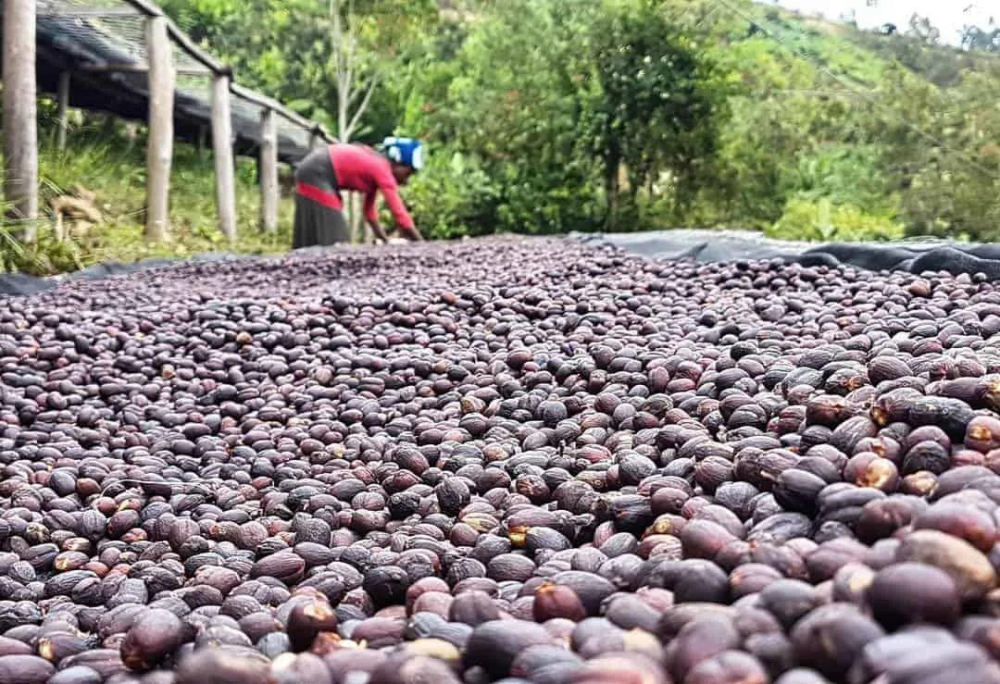
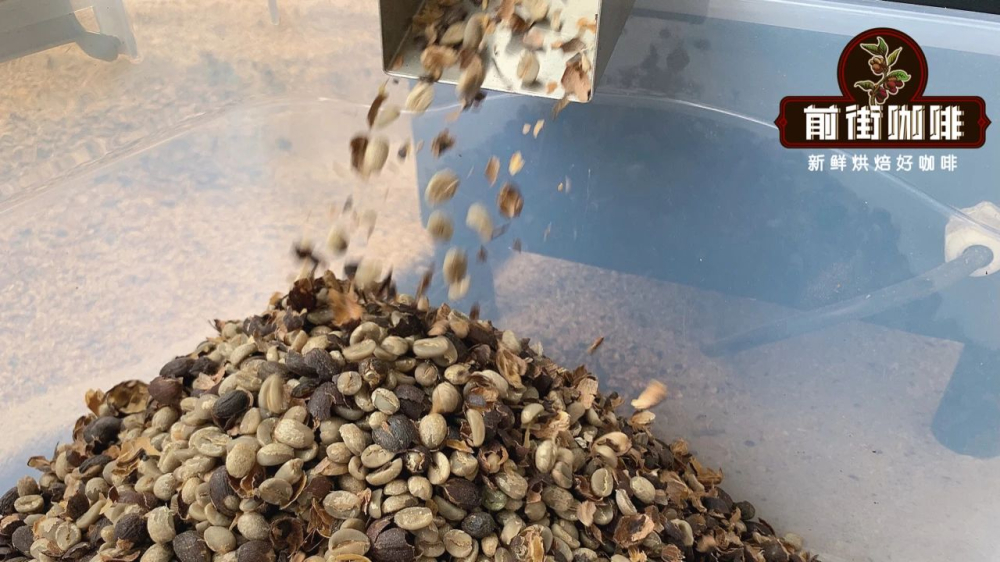
As the most traditional and straightforward processing method, the natural process requires no complex equipment—just ample sunlight. First, harvested coffee cherries undergo floatation sorting, using water tanks to separate ripe from unripe fruits, keeping only the dense, sunken cherries. Then, the whole cherries—with skin, pulp, and seeds—are spread out on drying beds to slowly dry under the sun for approximately two to four weeks until the moisture content drops to around 12%. Finally, a hulling machine removes the hardened skin, pulp, and parchment, leaving clean green coffee beans.
The advantage of this method lies in its low operational threshold and cost, while the extended contact between the fruit and the seed during drying allows for ample transfer of fruity aromas and sugars. The resulting beans often exhibit intense fruitiness, rich sweetness, and a heavy body. However, drawbacks include potential uneven quality if floaters aren’t properly sorted, risk of mold during drying if humidity fluctuates greatly, and possible physical bean defects due to mechanical stress during hulling.
Washed Process: Clean Bright Acidity via Fermentation
The washed process is one of the most widely used processing methods globally, emphasizing fermentation to remove the mucilage while maintaining bean cleanliness and clear acidity. The process also starts with floatation sorting. Next, the fresh cherries are fed into a depulper to remove the outer skin and pulp, leaving the mucilage-covered parchment and seed. These mucilage-covered seeds are then placed in fermentation tanks where microbes break down the mucilage—a process usually lasting 16 to 36 hours, with occasional stirring to aid the reaction. Fermentation naturally produces organic acids such as citric, malic, and acetic acids, giving washed beans a more recognizable bright and crisp acidity. Once the mucilage is fully removed, the beans are washed with water and then dried by sun or machine until they reach standard moisture levels.
The advantage of the washed method is that the beans typically appear deep green and intact, less prone to mold during drying as they’re not influenced by residual pulp, and deliver bright, clear acidity with a clean overall flavor profile. The downside, however, is high water consumption—processing just 200 grams of green beans may require about 1 kilogram of cherries and 2–10 liters of clean water, posing significant environmental and cost challenges.
Semi-Washed Process (Pulped Natural): A Balanced Compromise
Also known as the pulped natural method, the semi-washed process was developed as a more water-efficient alternative to the traditional washed method. The basic steps also begin with floatation sorting and depulping, but at the mucilage removal stage, mechanical scraping replaces traditional fermentation to improve efficiency and reduce water use. After mucilage removal, standard sun drying or mechanical drying is carried out until the moisture content meets the required standard.
The flavor profile of this method falls between that of the natural and washed processes. It lacks the pronounced acidity of washed beans and the sweetness of natural beans, but still maintains a relatively clean taste and good balance. Drawbacks include a still-complex workflow, and improper mechanical handling may lead to uneven mucilage removal.
Honey Process: Sweetness and Body from Retained Mucilage
The honey process, known in English as pulp natural or honey process, is characterized by retaining the sticky mucilage layer of the coffee fruit without fermentation, and proceeding directly to drying. Similar to other wet methods, the outer skin is first removed, but the mucilage layer remains on the seed. It is then placed under the sun or dried with mechanical assistance—usually taking longer, with frequent turning in the first few days to avoid clumping or over-fermentation. This method is harder to dry, requiring strict control of ambient temperature and humidity; poor management can easily lead to mold or inconsistent flavors.
The biggest advantage of the honey process is its ability to significantly enhance coffee sweetness and body while reducing sharp acidity, with also more nuanced and layered aromas. However, it is more complex to operate and requires more space, making it less accessible for small farms or producing regions.
Understanding the differences among these processing methods not only helps you better appreciate the diverse profiles of coffee, but also enables more accurate purchasing decisions based on personal preferences. Each technique is a crystallization of nature and human ingenuity, together weaving a rich sensory symphony in the world of coffee.
The above content is compiled by CoffeeHunters, a coffee news website.


