








Introduction:Have you ever wondered how an Australian Long Black differs from the common Americano? Though they may look similar, they vary in preparation method, crema retention, and flavor complexity. This article delves into the origins of the Long Black, its actual differences from the Americano and Lungo, and explores aspects such as water volume, espresso ratio, and taste profile to help you master the unique styles and ideal occasions for these three classic black coffees.
Walking into a café, one of the most frequently ordered drinks is that simple yet versatile Americano. With the rise of specialty coffee culture, many regionally unique coffee beverages have gradually made their way into the mainstream—such as the Long Black, which looks similar to the Americano but offers a distinctly different flavor. In many regions, the Long Black is also commonly referred to as “Australian Black Coffee.” Essentially, it is based on a double shot of espresso, and by adjusting the order and proportion of water added, it delivers a taste experience that is quite distinct from the Americano.
So, how exactly is a Long Black made? And how does it differ from the Americano, or even the Italian-style Lungo? This article will clarify the distinctions among these classic black coffees from the perspectives of preparation process, espresso ratio, crema retention, and flavor expression, helping you make a more precise choice of flavor with every order.
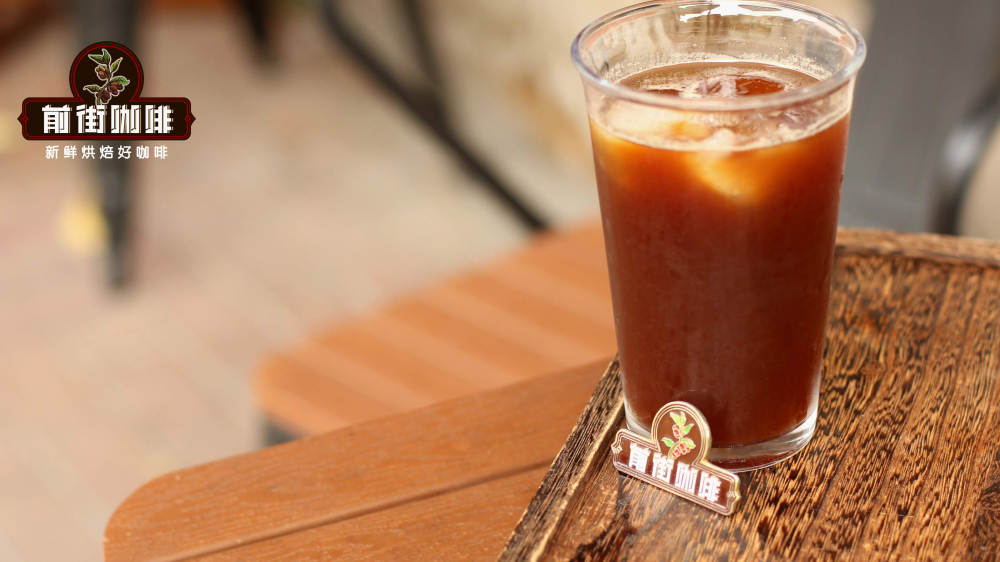
The Long Black, also referred to as a “short black” in some regions, is a very popular coffee beverage in Australia and New Zealand. It is based on a double shot of espresso (approximately 40 grams of extracted coffee) poured into a cup that already contains 100–120 milliliters of hot water. This preparation sequence helps preserve a more intact crema, allowing the drinker to experience both a strong coffee aroma and a silky layer of coffee oils upon the first sip. Unlike the usual practice of pouring espresso into water, the Long Black involves adding water first and then the espresso, enabling the crema to float more fully on the liquid’s surface, thereby influencing the overall flavor profile and its layered sensation.
Many people mistakenly assume that the Long Black and Americano differ only in name, but in reality, they show clear differences in the coffee-to-water ratio, as well as in the taste and aroma after extraction. The Long Black typically uses a smaller cup with a lower proportion of water, resulting in a higher overall concentration—making it ideal for those who prefer a stronger coffee flavor. Additionally, because the crema is preserved, it offers a more noticeable oily smoothness and the distinctive layered feel of espresso.
As for the Americano, its history dates back to World War II. At that time, American soldiers stationed in Europe, accustomed to drip-filtered coffee, found it difficult to accept the intense and bitter flavor of traditional Italian espresso, so they asked baristas to add a large amount of hot water to dilute the strength. This watered-down coffee eventually evolved into what we now know as the “Americano,” becoming one of the most widely consumed black coffees around the globe.
In preparation, the Americano is usually made by adding one or two shots of espresso to a larger amount of hot water, with the ratio generally ranging from 1:5 to 1:8, adjustable according to personal taste. This extraction ratio gives the Americano a lighter, more refreshing taste, suitable for everyday drinking, but in terms of flavor complexity and crema retention, it usually does not match the Long Black.
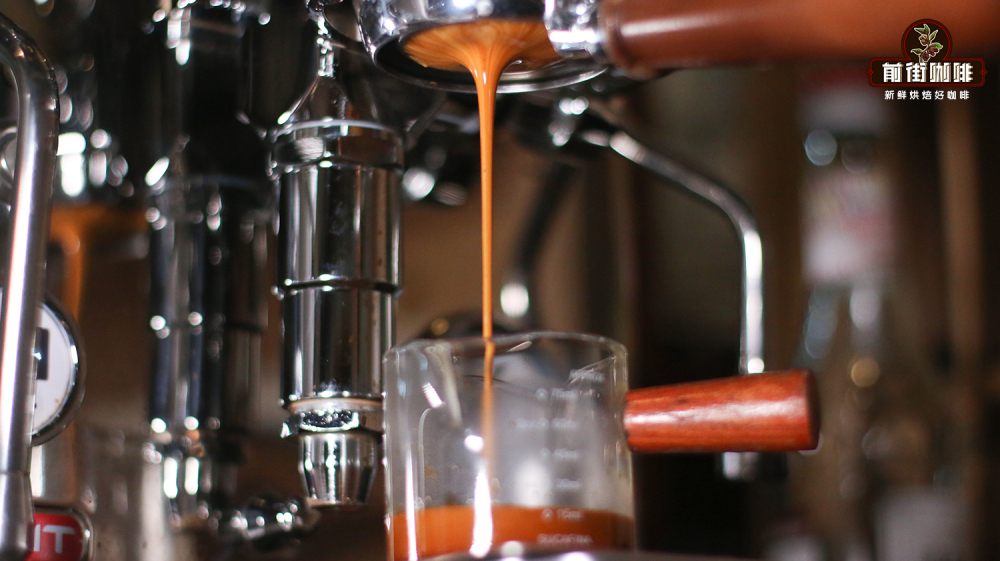
Although many believe the main difference between the Long Black and Americano lies in whether water or coffee is added first, in reality, to improve service efficiency, many modern cafés have baristas pour the hot water first and then add the espresso. This operational method does not significantly affect the final taste. The real distinction between the Long Black and Americano lies more in the total water volume, coffee ratio, and whether the crema is retained.
Generally speaking, the water volume for a Long Black is usually controlled within 100–120 milliliters, using a double shot of espresso (approximately 40 grams of extracted coffee), making the ratio more concentrated. As a result, the flavor is more intense, and the first sip often delivers a distinct coffee strength along with a smooth, oily mouthfeel, followed by a clean and clear flavor that's perfect for savoring slowly. Meanwhile, the Americano, due to its larger water volume, has an overall more subtle flavor, making it suitable for consumers who prefer a lighter taste.
Additionally, the Long Black is highly popular in places like Australia and New Zealand, where it is often considered a classic daily choice. Many local baristas fine-tune the water volume and espresso ratio based on the characteristics of the coffee beans used, highlighting unique flavor notes such as fruit acidity, caramel, or nuttiness. This flexible adjustment approach is also one of the reasons why the Long Black can adapt to different regions and showcase diverse flavor profiles.
In summary, though the Long Black, Americano, and Lungo all belong to the black coffee family, they each have their own strengths in terms of preparation method, taste expression, and suitable scenarios. The Long Black excels in crema retention and high concentration, appealing to those who enjoy oils and bold flavors; the Americano wins with its lightness and widespread appeal, ideal for daily consumption; and the Lungo presents a more expanded espresso flavor by extending the extraction time and increasing water volume. Next time you order at a café, consider your personal taste preferences and choose the black coffee that suits you best.
The above content is compiled by CoffeeHunters, a coffee news website.


