







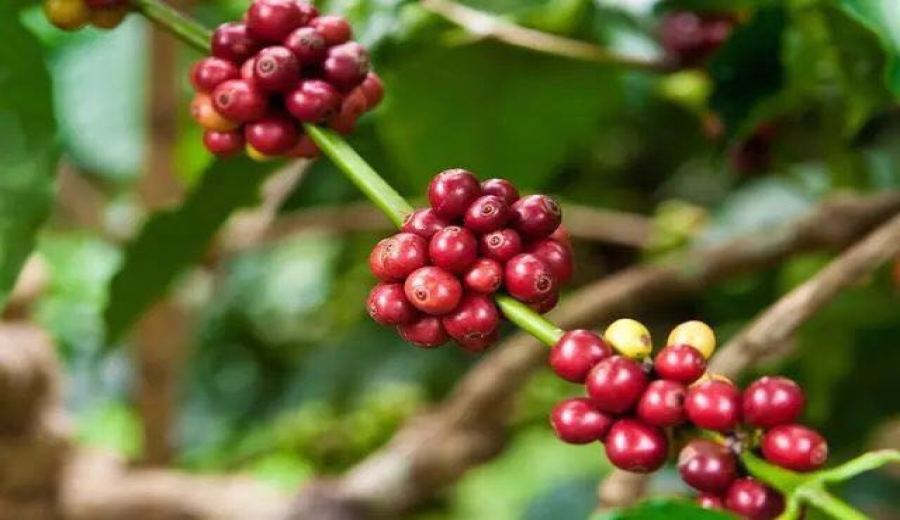
Introduction:An in-depth exploration of the Sumatra Mandheling region’s characteristics, the wet-hulled processing method, and the origin of its bean shape resembling a goat’s hoof. Practical pour over brewing parameters—including temperature, grind size, and coffee-to-water ratio—are provided, along with a three-stage pouring technique to help you master the unique flavor profiles of Golden Mandheling and Lintong Mandheling.
When it comes to Mandheling, many coffee enthusiasts are familiar with the name, but it refers neither to a coffee variety nor a single origin. Instead, it originates from the name of an ethnic minority group in the northern highlands of Sumatra. The story behind this name dates back to World War II, when a Japanese soldier asked a café owner in Indonesia what kind of coffee he was drinking. The owner misunderstood the question as being about his background and replied “Mandheling.” Since then, the name has become closely associated with Sumatran coffee.
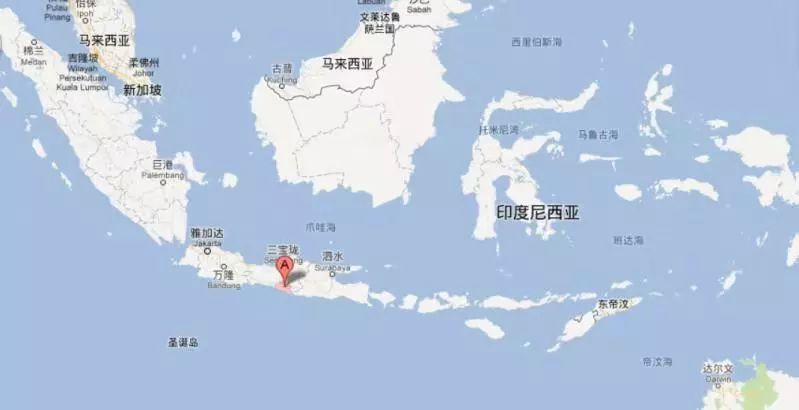
Sumatra is the largest island in Indonesia and the sixth largest in the world. The equator runs through it, and its terrain is generally higher in the northwest and lower in the southeast. The island is traversed by the Barisan Mountain Range, which boasts over 90 volcanoes and numerous volcanic lakes, providing mineral-rich, fertile soil ideal for coffee cultivation. The main Arabica coffee-growing areas on the island are concentrated in the northwestern highlands, while the southeastern regions are dominated by Robusta. Sumatra’s coffee harvest season runs from November to March each year, making it one of the earliest regions in Indonesia to begin harvesting.
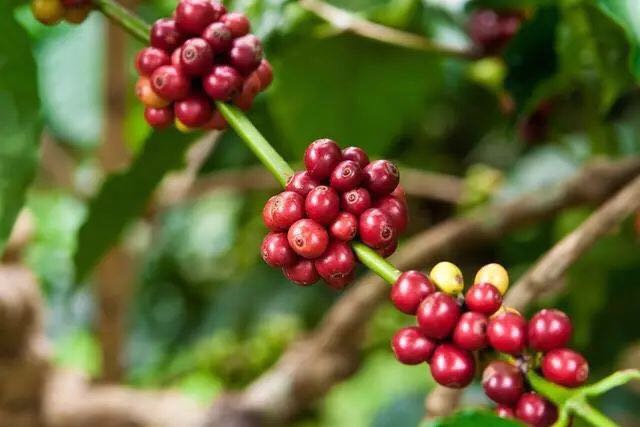
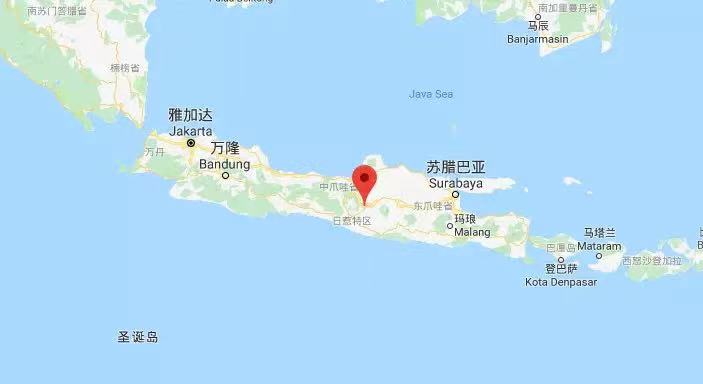
Among Sumatra’s many producing regions, Lintong, Lake Toba, Lake Tawar, and the Gayo Highlands are the most frequently mentioned sub-regions. Lintong is located in north-central Sumatra, near Lake Toba, and its Mandheling is considered the classic representative of the area. Lake Toba was one of the first places where "Java Mandheling" was introduced during the Dutch colonial period, and the lakeside region has a long history of coffee cultivation. Lake Tawar is smaller and located in Indonesia’s northernmost Aceh Special Region at the very tip of Sumatra. Though smaller in scale compared to other regions, it still holds potential. Among them, the Gayo Highlands are regarded as producing some of the highest quality coffee in Sumatra, with elevations ranging from 1,500 to 2,500 meters. The area is predominantly inhabited by the indigenous Gayo people, who often grow heirloom varieties and are known for organic farming practices. The fertile soil and abundant water sources have earned Gayo Highland coffee the reputation of being green or organic coffee.
When discussing the unique appearance of Mandheling beans, their larger size and frequent goat’s hoof-like notches are directly related to the wet-hulling process used. Due to Sumatra’s tropical rainforest climate—characterized by high heat and humidity—the slow drying processes of traditional washed or natural methods are less feasible. As a result, the wet-hulled method was developed, where the outer parchment and mucilage are removed while the beans are still in a semi-dry state. At this stage, the beans have uneven hardness, and the mechanical removal process can easily cause cracks or notches at the ends, resulting in a hoof-like shape. Although this appearance may not be aesthetically pleasing, it is not a defect—in fact, it has become one of the identifying features of Mandheling. The wet-hulled method not only accelerates processing but also imparts Mandheling’s signature full body, low acidity, and distinctive herbal, earthy, and chocolatey aromas, along with a long-lasting aftertaste.
In terms of variety, Indonesia originally focused on Arabica, but due to the impact of coffee leaf rust, around 90% of exported coffee today is Robusta, with only 10% being Arabica. A certain brand labels its Lintong Mandheling as “TimTim Ateng” and Golden Mandheling as “Ateng.” These names are actually local terms: TimTim refers to the Timor variety, which has Robusta lineage, while Ateng refers to Catimor—a hybrid of Caturra and Timor. These varieties are well-suited to Sumatra’s environment and are highly compatible with the wet-hulled processing method.
The processing method central to Mandheling is wet hulling. Although this method results in beans that are less visually perfect, it creates its unique flavor profile. Many consumers encountering Mandheling for the first time may wonder about the notches at the ends and might even mistake them for defective beans. In reality, these are natural results of friction during the wet-hulled process when the beans are still semi-dry, and they in no way affect the drinking experience.
If you’d like to brew Mandheling at home using the pour over method, here are practical parameters covering water temperature, grind size, coffee-to-water ratio, and pouring techniques to help you fully highlight its rich body and layered flavors.
1. Water Temperature: Adjust according to roast level. For medium-light roasts, we recommend 90–91°C, while medium-dark roasts are better at 88–89°C. Mandheling is typically medium-dark roasted to enhance its nutty, woody, and herbal notes, so we suggest setting the water temperature around 88°C.
2. Grind Size: The grind should match the roast level, as it affects contact time between coffee and water. Use a standard #20 sieve (0.85mm aperture) for testing: grind 10g of coffee beans and sift them. If 7–7.5g (a 70%–75% extraction rate) passes through, that’s the ideal grind for pour over. Generally, for medium-dark roasted Mandheling, aim for a 75% extraction rate. Adjust coarser if the rate is too high, or finer if it’s too low.
3. Coffee-to-Water Ratio: Based on the SCAA Golden Cup extraction theory,1:15 is the ideal ratio for Mandheling, falling within the 1:14.5 to 1:15.5 range. This balances concentration and extraction efficiency, yielding a full-bodied yet clean cup. For a stronger flavor, go for 1:10 to 1:11; for a lighter profile, adjust to 1:14 to 1:16.
4. Pour Over Technique: Beginners are advised to use the three-stage pouring method, ideal for medium-dark roasted Mandheling, as it clearly highlights the coffee’s front, middle, and back notes. Here’s how:
• Bloom: After wetting the filter, add 15g of coffee grounds and pour 30g of water. Bloom for 30 seconds to degas and evenly pre-wet the grounds.
• Second Pour: After blooming, pour in a small circular motion from the center until you reach 125g. Keep the circle about the size of a coin to avoid over-extraction.
• Third Pour: When the coffee bed has settled halfway down the filter, continue pouring to 225g. Increase agitation to encourage soluble material release. Then let it drip through completely. Total brew time is about 2 minutes.
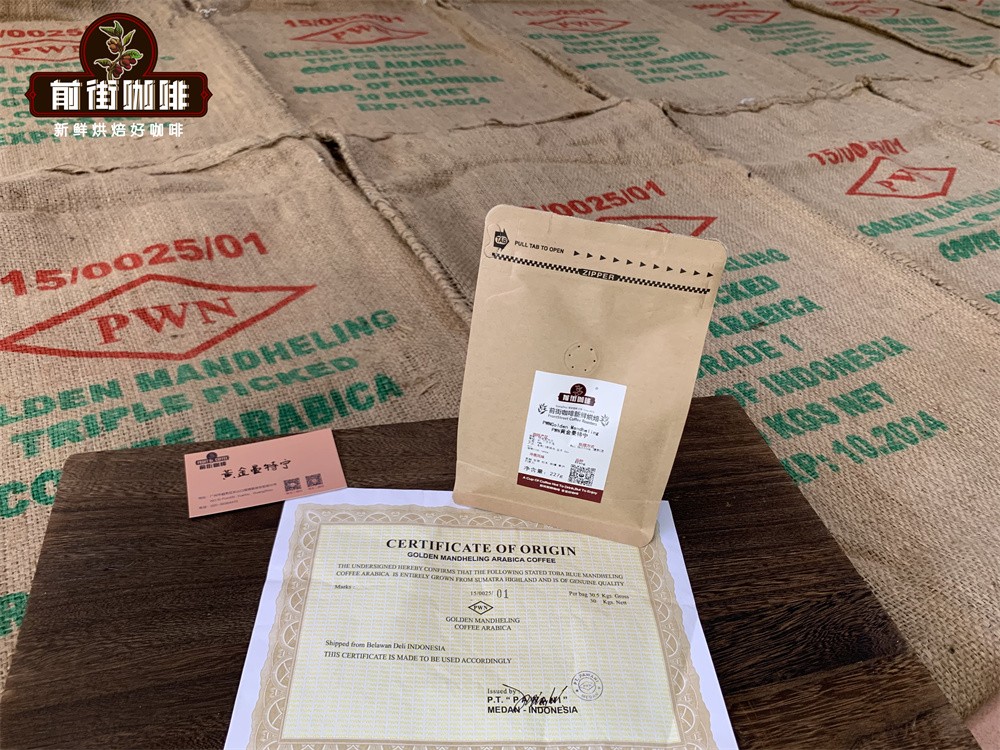
Using the above parameters and techniques, you’ll be able to fully appreciate the unique charm of Mandheling:Golden Mandhelingdelivers a full-bodied yet clean taste, with intense notes of nuts, caramel, and chocolate, and a long, layered aftertaste;Lintong Mandhelingfeatures herbal aromas as its core, accompanied by dark chocolate and caramel tones, with a pronounced sweetness—perfect for those who enjoy warm, mellow flavors.
Whether you’re a pour over beginner or a seasoned enthusiast, a deeper understanding of Sumatra Mandheling’s regional traits, the wet-hulled process, and precise brewing parameters will allow you to more confidently savor the profound depth of this classic coffee.
The above content is compiled by CoffeeHunters, a coffee news website.


