







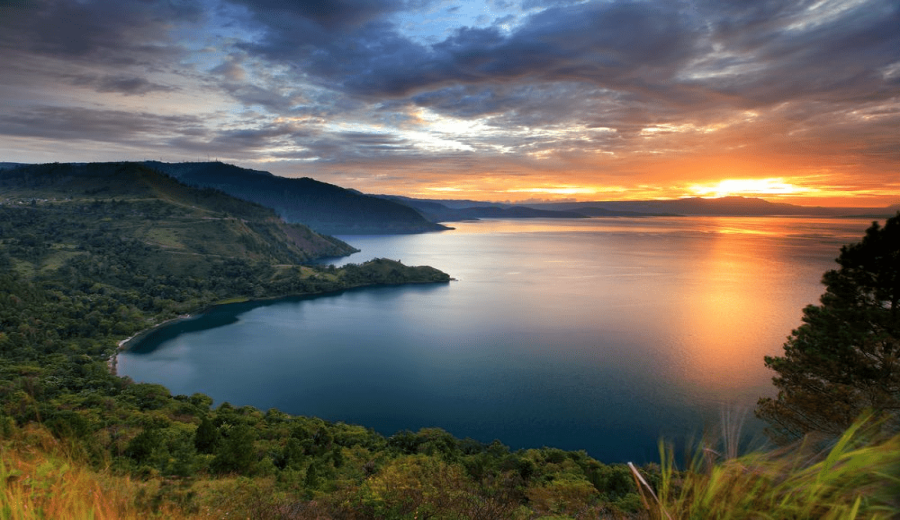
Introduction:Want to know who Mandheling pour over black coffee is suitable for? From the strict selection criteria of Golden Mandheling, to the unique flavors of Tiger Mandheling and Aged Mandheling, this article delves into the characteristics of Indonesia’s four classic Mandheling producing regions, the wet hulling processing method, and offers professional pour over recommendations and extraction parameters to help you find the Mandheling that suits your taste best.
Mandheling coffee is the most representative offering from Indonesia, beloved by coffee enthusiasts who enjoy dark roasts and bold flavors for its rich, full-bodied taste and distinctive herbal, earthy notes. This article starts with the history of coffee cultivation in Indonesia, recounts the interesting origins of the name “Mandheling,” and explains how PWN’s Golden Mandheling has become a top-tier choice in the market through its rigorous selection process. Additionally, we’ll explore common offerings such as Tiger Mandheling, Aged Mandheling, and Lintong Mandheling—covering their regional backgrounds, variety characteristics, and processing methods—to give you a comprehensive understanding of Mandheling’s diverse profile, from flavor to processing.
As one of the earliest regions in the world to commercially cultivate coffee, Indonesia’s coffee development history dates back to the late 17th century. At that time, Dutch colonists introduced coffee seedlings to Indonesia, with the first trial planting site being what is now Java Island (the former name of Jakarta was Batavia). By 1699, large-scale coffee plantations had been established locally, and in 1711, the first Indonesian coffee was shipped to Europe via the Dutch East India Company, making Java a globally significant coffee exporter for a time. However, the leaf rust disease outbreak between 1860 and 1880 severely damaged many Arabica coffee plantations. The Dutch later switched to planting the more disease-resistant Robusta variety, which led to Indonesia becoming one of the world’s largest Robusta producers today, while Arabica—including Mandheling—accounts for only about 6% to 10% of the country’s total production.
As for the origin of the name “Mandheling,” there’s actually an interesting misunderstanding behind it. During World War II, a Japanese officer tasted an exceptionally good cup of coffee in Indonesia and asked the shopkeeper out of curiosity. Due to a language barrier, the shopkeeper mistakenly thought the officer was asking about his ethnicity and replied “Mandailing.” The officer, longing for that cup of coffee after returning home, asked someone to procure the same beans, but due to pronunciation transliteration, “Mandailing” became “Mandheling.” This coffee trader was none other than the founder of PWN (Pawani Coffee Company), who was also the first to introduce Golden Mandheling to the Japanese market. It’s worth noting that “Golden Mandheling” is a registered trademark of PWN and is an exclusive product of the company.
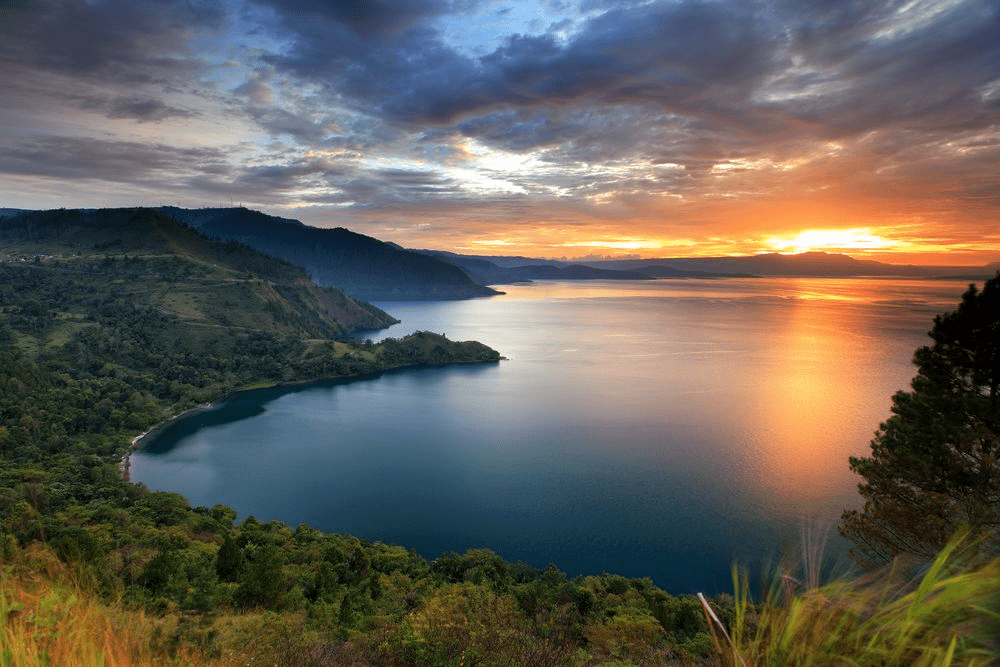
Currently, the common types of Mandheling on the market are diverse, including Golden Mandheling, Tiger Mandheling, Aged Mandheling, and Lintong Mandheling, each with its own unique regional background and processing characteristics. Let’s take a closer look at the flavor profiles of these classic Mandhelings.
PWN Golden Mandheling Coffee Beans
Region: Gayo Highlands, Aceh
Variety: Ateng
Altitude: 1100–1600 meters
Processing Method: Wet Hulling
Grade: G1, triple hand-picked
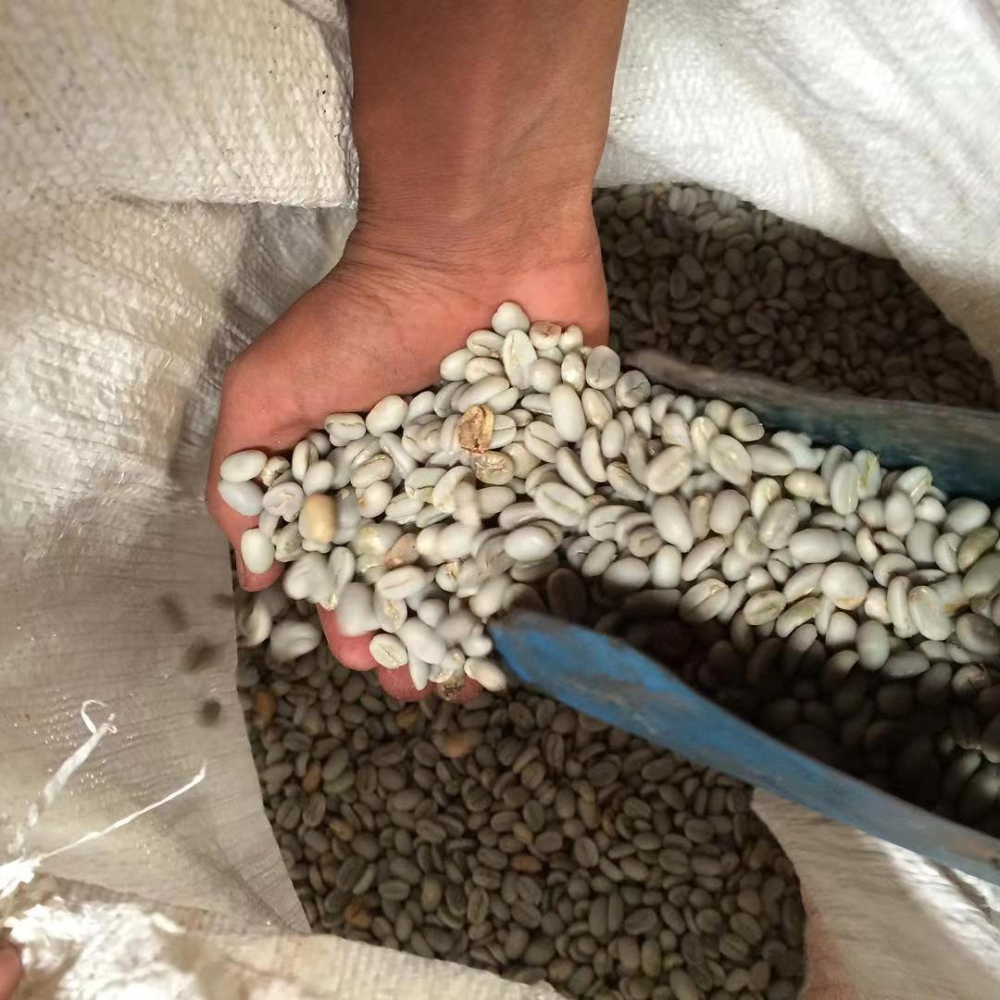
So-called “Golden Mandheling” refers to the top-tier Mandheling beans rigorously selected by PWN, with the name derived from the golden hue the green beans exhibit under sunlight. It’s said that the Japanese partners had extremely high standards, requiring the beans to undergo density sorting and at least four rounds of manual selection to ensure uniform bean size and minimal defects. The final beans not only have a consistent appearance but also taste almost free of the earthy, musty notes often found in typical Mandheling; they’re clean on the palate, with a pronounced and layered aftertaste.
It’s worth noting that the producing region of Golden Mandheling has undergone adjustments. Initially, beans from the Lintong area were mainly used, but in recent years PWN has switched to harvesting from the Gayo Highlands and adjusted the packaging specification from 60 kg to 30 kg to maintain higher quality control.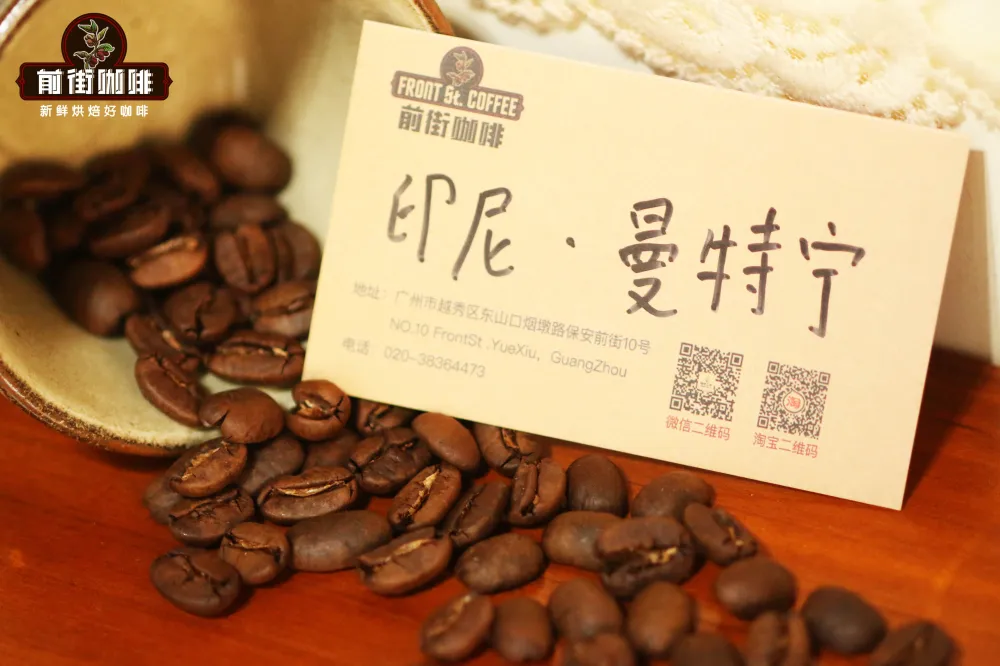
Tiger Mandheling Coffee Beans
Region: Aceh
Variety: Catuaí, Typica, Sidikalang
Altitude: Approximately 1500 meters
Processing Method: Wet Hulling
There are several theories about the origin of the name “Tiger Mandheling,” but the more credible one suggests that coffee scouts discovered high-quality coffee trees in areas where Sumatran tigers were known to roam, and thus named it after the “tiger,” later forming a cooperative of local smallholder farmers into what’s referred to as the “Tiger Estate.” This Mandheling retains the classic boldness and low acidity of Sumatran coffee, but features a clearer aroma than traditional Mandheling, with distinct nutty tones and caramel sweetness. Its overall flavor profile is cleaner and sweeter, making it a great choice for those who enjoy the Mandheling profile but prefer a more refreshing and refined cup.
Aged Mandheling
The creation of Aged Mandheling is actually linked to early Dutch colonial-era coffee trade. To ensure supply stability during long shipping voyages, some coffee beans were stored locally in advance. However, due to the lengthy transport times and humid environment, the beans underwent aging that gradually reduced acidity and developed richer body and sweetness—a unique flavor profile that gained popularity in European markets. Modern Aged Mandheling is carefully aged under scientific conditions to prevent mold or spoilage, recreating that classic complexity.
Many coffee lovers are drawn to Mandheling precisely because of its distinctive herbal and earthy flavors, which are closely tied to Indonesia’sWet Hulling (Wet Hulling / Giling Basah)processing technique. Due to Indonesia’s consistently humid climate, coffee cherries are not easily processed using traditional sun-drying or dry methods, leading to the development of this special technique where part of the mucilage and parchment is removed before hulling. While this method allows the coffee to retain more earthy and woody notes—with relatively lower acidity and brightness—it results in a fuller body and unique richness that define the Mandheling flavor.
Whether Mandheling is right for you depends on your flavor preferences. If you enjoy bold, low-acid coffee with earthy and herbal notes, Mandheling is definitely worth trying; if you prefer fruity, bright, or acidic profiles, you might want to explore other options. No matter which Mandheling you choose, understanding its region, variety, and processing method can help you pinpoint your desired flavor more accurately.
Here are our recommended pour over parameters for Mandheling, designed to fully showcase its body and layered profile:
- Filter:Kono (or V60)
- Coffee-to-water ratio:1:15
- Coffee dose:15 grams
- Water temperature:88°C
- Grind size:Medium-coarse (70–75% passing through a standard #20 sieve)
- Brewing suggestions:Use a blooming pour followed by a two-stage extraction: start with 30g water for a 30-second bloom, then pour in a circular motion until you reach 125g for the first pour. When the water level drops close to exposing the coffee bed, continue pouring to 225g and stop. Remove the filter just before it finishes dripping. For V60, aim for a total brew time of around 2:00; for Kono, around 2:10.
We recommend using freshly roasted coffee beans for pour over to fully experience its complete flavor profile. Generally, the4–7 day period after roasting is the optimal tasting window,when the flavors are most vibrant and balanced. Remember to store your beans properly to ensure every cup of Mandheling reveals its true flavor potential.
The above content is compiled by CoffeeHunters, a coffee news website.


