







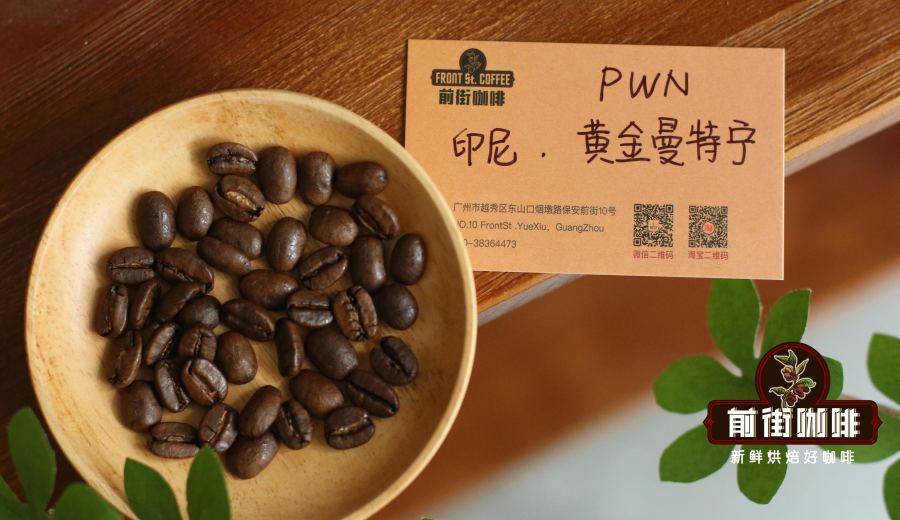
Introduction:Indonesian Golden Mandheling is regarded as the top-tier among Mandheling coffees, but the market offers inconsistent quality, making it difficult for consumers to discern the genuine product. This article delves into the grading logic of Indonesian coffee, particularly the definition of the G1 standard, the rigorous four-step manual selection process by PWN, and explores the shift toward the Catimor variety. It helps you avoid common pitfalls and find truly premium Golden Mandheling.
In the world of Indonesian coffee, Mandheling has always been one of the most representative varieties, and Golden Mandheling stands as its premium offering. However, the market is flooded with Mandheling from various sources and grades, leaving many coffee enthusiasts puzzled. How can you distinguish truly high-quality Golden Mandheling? This article breaks down everything from Indonesia’s official grading system, the definition of the G1 grade, to PWN’s stringent four-step manual sorting process, offering insight into the story behind this popular specialty coffee bean and tips on how to select it.
As one of the world’s major coffee-producing countries, Indonesia’s geography is particularly well-suited for coffee cultivation, with Sumatra’s Mandheling being especially renowned. However, due to limited high-altitude areas, Arabica beans account for only about 25% of Indonesia’s total coffee production, with the majority being Robusta—more disease-resistant but with a simpler flavor profile. As a result, Indonesia has developed a grading system primarily based on the number of defective beans to ensure that circulated coffee beans meet a certain basic quality standard.
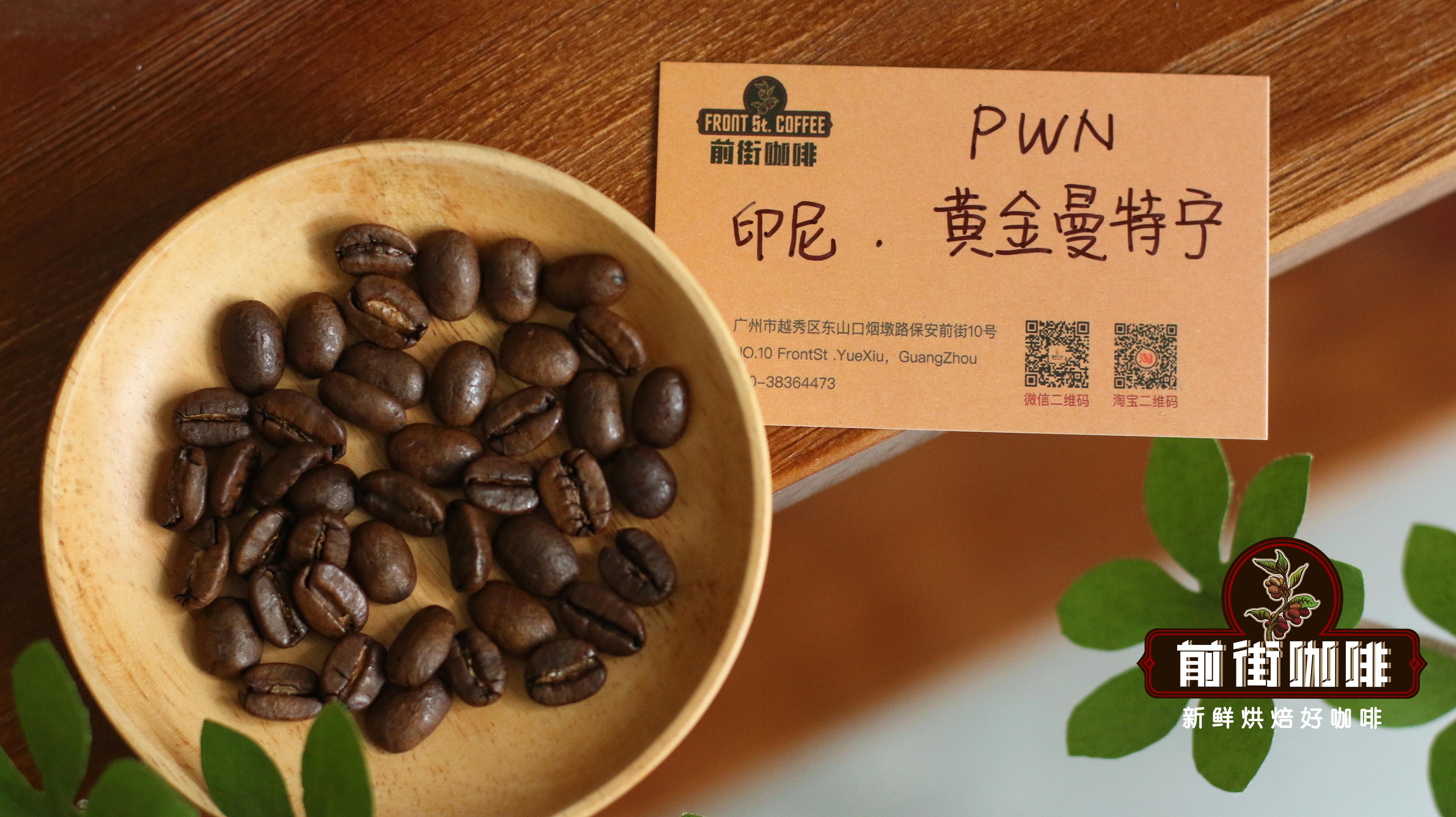
Indonesian coffee is typically graded according to the number of defective beans in a 300-gram sample—the fewer the defects, the higher the grade. Common grades include G1 to G4, with G1 being the highest and rarest. Industry data shows that in a 300-gram test sample, G1-grade coffee beans must have no more than 3 defect points, meaning there should be almost no noticeable defective beans, with uniform bean size and high overall appearance quality. Golden Mandheling is benchmarked against this grade, hence its high standards in both appearance and flavor.
When it comes to Golden Mandheling, PWN is a name that cannot be overlooked. PWN is a well-known exporter in Sumatra, Indonesia, specializing in high-quality Mandheling. The reason its Golden Mandheling commands a higher price is not only because it belongs to the G1 grade but also because it undergoes a four-step manual selection process. Each batch of beans is individually inspected by experienced sorters to remove even the tiniest defective beans, ensuring the final product has an exceptionally high purity and consistency—standards that even surpass those of a typical G1 grade.
Additionally, Golden Mandheling was traditionally cultivated using the Typica variety, an ancient Arabica type known for its delicate flavor characteristics. But over time, PWN has gradually shifted to the Catimor variety to improve yield and disease resistance. Catimor is a hybrid of Arabica and Robusta, first developed in 1959 and widely planted in Brazil during the 1970s and 1980s. It grows quickly, yields highly, and is suitable for intensive cultivation, but it also has a short maturation period, requiring careful management of fertilizer and shade. Its flavor complexity is generally not as rich as that of traditional purebred Arabica.
Although Catimor carries Robusta genes, which may affect the subtlety of flavor, PWN’s Golden Mandheling, through strict selection and processing, still delivers intense aromas of roasted toast, nuts, pine, and caramel, along with a slight herbal note. This flavor profile allows it to present a full-bodied, layered taste whether brewed via pour over or dark roasted, making it a favorite among many baristas and coffee lovers.
For consumers looking to purchase authentic Golden Mandheling, it's important to be aware of several common purchasing pitfalls. Firstly, since around 75% of coffee produced in Indonesia is Robusta—and much of it is used for instant coffee or low-cost commercial beans—some unscrupulous vendors may mix Robusta into Mandheling products. Buyers should pay special attention to product labeling and origin information. Secondly, if the product name includes the word “flavor,” such as “Mandheling flavor” or “Mamba flavor,” it usually means the product contains no actual Mandheling beans, but rather commercial beans blended to mimic similar flavors.
Furthermore, due to Sumatra’s humid and rainy climate, combined with insufficient processing equipment in some regions, Mandheling is prone to developing defective beans during harvesting and processing. Therefore, being able to directly inspect roasted or even green beans when purchasing can help assess their overall quality. Batches with excessive defective beans not only impact the visual appeal during brewing but can also significantly reduce the overall flavor clarity and balance.
In summary, when purchasing Indonesian Golden Mandheling, it is advisable to prioritize products labeled as G1 grade and confirmed to have undergone a four-step manual selection process like that of PWN. This greatly increases your chances of acquiring high-quality beans. Understanding the grading system, selection criteria, and common market issues will help you make smarter choices among numerous products and enjoy the classic Mandheling flavor from Sumatra.
The above content is compiled by CoffeeHunters, a coffee news website.


