







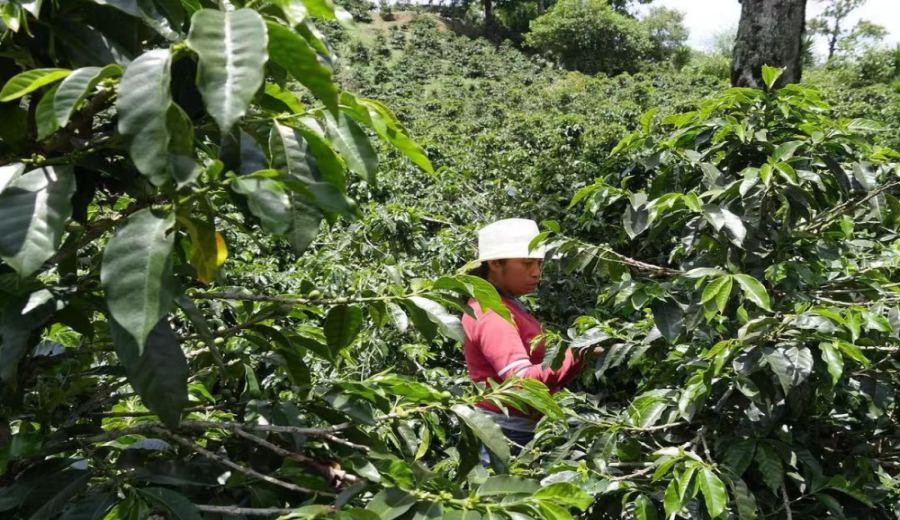
Introduction:An in-depth exploration of Honduras' coffee-growing regions, washed processing techniques, and the nuanced brewing methods for the Laurina Parish’s Parainema variety. From regional history and varietal characteristics to cupping flavors and practical extraction parameters, this guide provides a comprehensive breakdown of the highlights of this major Central American coffee-producing country—helping coffee enthusiasts master the essential knowledge from green beans to the cup.
Honduras is one of the world’s key producers of washed Arabica beans and the largest coffee producer in Central America. Its coffee-growing areas are mostly concentrated in highlands above 1,100 meters above sea level, where climatic conditions and soil environments contribute to a rich and diverse flavor profile. This article will take you through Honduras’ regional background, processing techniques, and two representative washed coffees—Sweet Orange Estate and Laurina Parish’s Parainema—to analyze their roast curves, pour over extraction suggestions, and cupping flavor characteristics. Whether you’re a beginner or an advanced enthusiast, you’ll find practical insights.
Honduras is located in the northern part of Central America, bordering the Caribbean Sea and the Pacific Ocean. Its terrain is mainly mountainous and plateau, with approximately 280,000 hectares of coffee cultivation area nationwide, over 60% of which comes from smallholder farms smaller than 3.5 hectares. Though modest in scale, these small farms are the backbone of the country’s coffee output. Since the late 20th century, Honduras’ coffee industry has gradually risen, especially surpassing Costa Rica and Guatemala in 2011 to become Central America’s largest exporter of washed Arabica, and it remains the world’s second-largest Arabica producer.
The development of coffee in Honduras can be traced back to the late 18th century, when it was introduced by Spanish merchants. However, limited by poor transportation, it wasn’t until the 1970s—when the government established the official body IHCAFE to improve quality and infrastructure—that the industry truly transformed. In 1975, a frost in Brazil caused a global coffee shortage, and Honduras quickly stepped in to fill the gap, greatly increasing exports and laying the foundation for subsequent quality improvements. Yet during the rise of specialty coffee in the 1990s, Honduras fell behind temporarily due to the impact of variable mountain rainfall on the drying process. It was not until the first Cup of Excellence competition in 2004 and continuous optimization of washed processing techniques that the country gradually regained its place on the international stage.
Washed processing is the mainstream method for Honduran coffee. The steps include: first, placing harvested coffee cherries in a water tank to use buoyancy to remove unripe or defective floaters; then using a depulper to remove the outer skin and pulp, leaving beans covered in mucilage; next is the fermentation stage, where microbes break down the mucilage; after fermentation, the beans are thoroughly rinsed with clean water to remove residual impurities; finally, the beans are dried in the sun or with mechanical dryers until the moisture content is reduced to 10–14%, after which a hulling machine removes the parchment and silver skin, completing the entire processing procedure.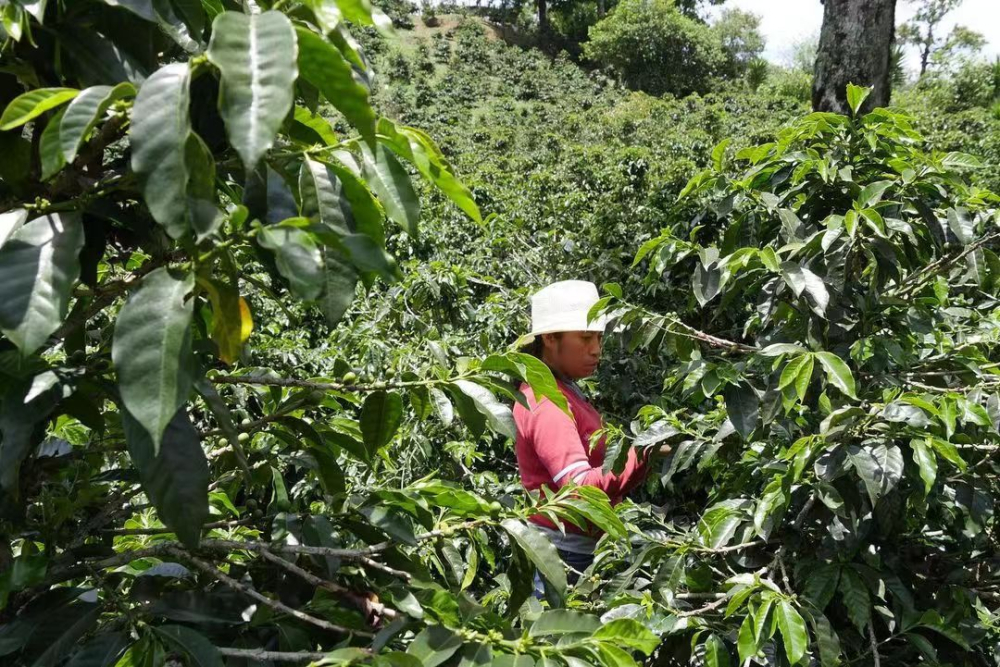
Among the many regions and processing mills, Sweet Orange Estate (located in Marcala, at 1425 meters) and Laurina Parish (located in El Paraiso, at 1400 meters) are two worthy case studies. The former uses the Catuaí variety, and after washed processing, it exhibits spicy and roasted peanut-like dry aromas, as well as multi-layered flavors of berries, oranges, cream, and dark chocolate; the latter selects the Parainema variety, showcasing a clear citrus and berry profile, complemented by nutty and dark cocoa notes after cooling, reflecting a high level of balance.
The washed Catuaí from Sweet Orange Estate is roasted with a medium roast profile, with the yellowing point around 5 minutes and 15 seconds, first crack temperature controlled at 192.4°C, and the beans dropped about 2 minutes after first crack. It is recommended to use a Hario V60 filter, with a water temperature of 90°C, a 1:15 coffee-to-water ratio, and a grind size of 80% passing through a 20-mesh sieve. During brewing, start with 30 grams of water for a 30-second bloom, then pour in a small circular motion up to 125 grams as the first pour, followed by additional pouring to 225 grams before removing the filter. The total extraction time is about 2 minutes. In the cup, you can expect bright berry acidity, soft spicy notes, and an aftertaste of genmaicha and nuts.
The washed Parainema from Laurina Parish is also brewed using the Hario V60 with a similar step-by-step extraction method. Basic parameters are close to those of Sweet Orange Estate, including 90°C water temperature, 15 grams of coffee, a 1:15 ratio, and a 20-mesh sieve with 80% particle passing rate. The brewing technique also starts with a 30-second bloom using 30 grams of water, followed by small circular pours to 125 grams, and then topping up to 225 grams to complete the extraction. This coffee offers a crisper flavor profile, with prominent citrus and berry notes in the foreground, a slightly astringent mid-palate reminiscent of grapefruit peel, and a nutty and dark cocoa aftertaste upon cooling—showcasing a distinct tea-like quality and clear layering.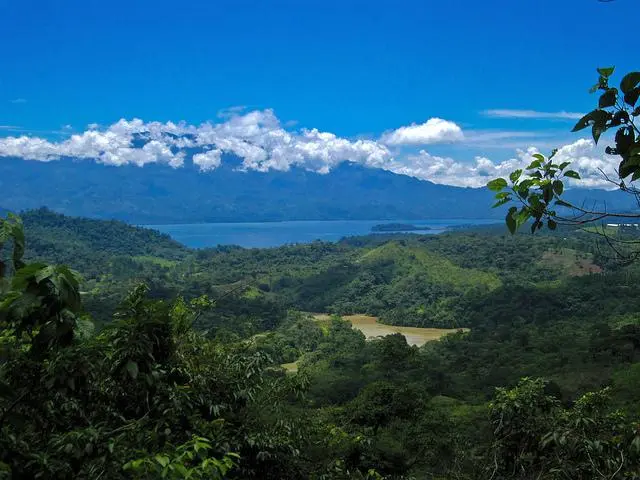
Honduran coffee varieties are predominantly Arabica, with common types including Caturra, Catuaí, Typica, and Pacas. Among them, Parainema is a disease-resistant variety that has garnered much attention in recent years, suitable for high-altitude planting and offering stable performance. In terms of grading, SHG (Strictly High Grown) denotes elevations over 1,200 meters, HG (High Grown) refers to those above 1,000 meters, and CS (Central Standard) includes those grown above 600 meters. These grades directly influence the intensity and development of the coffee’s flavors.
The main coffee-growing regions in Honduras include Copán, Opalaca, Montecillos, Comayagua, Agalta Tropical, and El Paraiso. These areas are generally situated at altitudes above 1,100 meters, making them not only ideal for specialty coffee but also each exhibiting unique terroir characteristics. For instance, the Copán region is known for its chocolate and honey notes, the Opalaca region for tropical fruits and lemony tones, while the El Paraiso region is praised for its mild fruit acidity and caramel aroma.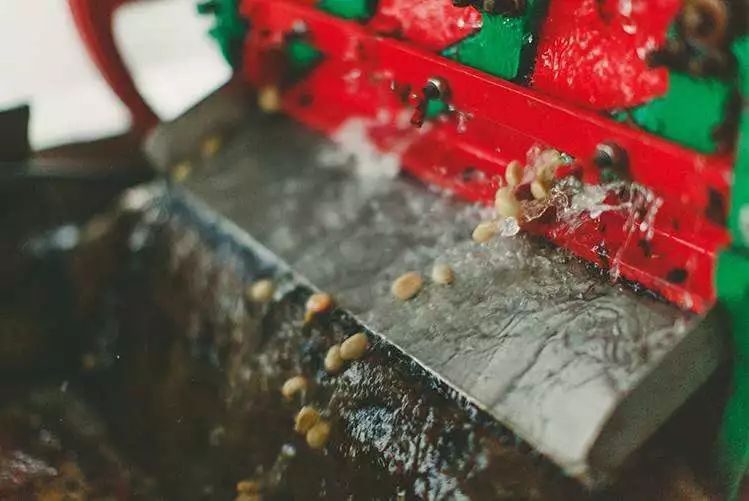
The above content is compiled by CoffeeHunters, a coffee news website.


