








Introduction:Indonesian aged Mandheling is globally adored for its rich, full-bodied flavor and unique sweet notes after aging, with Golden Mandheling being the pinnacle among them. This article will take you deep into the historical background of aged Mandheling, the characteristics of the wet-hulled processing method, the differences compared to Golden Mandheling, and provide professional pour over parameters and flavor analysis to help you fully grasp the charm of this classic Indonesian bean.
In the world of specialty coffee, freshly roasted beans are often seen as a guarantee of quality, but Indonesian aged Mandheling breaks this norm. These beans, jokingly referred to as "expired coffee," attract countless coffee enthusiasts with their intense, full-bodied taste and special sweetness. The unique flavor of aged Mandheling actually stems from accidental drying during early maritime transport, coupled with the influence of sea breeze, creating a complexity that differs from regular fresh beans. With the improvement of modern logistics efficiency, this natural flavor is hard to reproduce today, and is now mostly achieved through strictly controlled aging processes to recreate the flavors of the past.
The aging of aged Mandheling is not simply about storage, but involves professional warehouse management and regular quality control. The coffee beans need to be kept in a constant temperature and humidity environment and turned regularly to avoid uneven moisture or mold. The overall aging cycle is usually around two to three years, during which acidity gradually transforms into sweetness and a caramel-like aftertaste, while the overall color also turns dark brown, distinctly different from fresh beans.
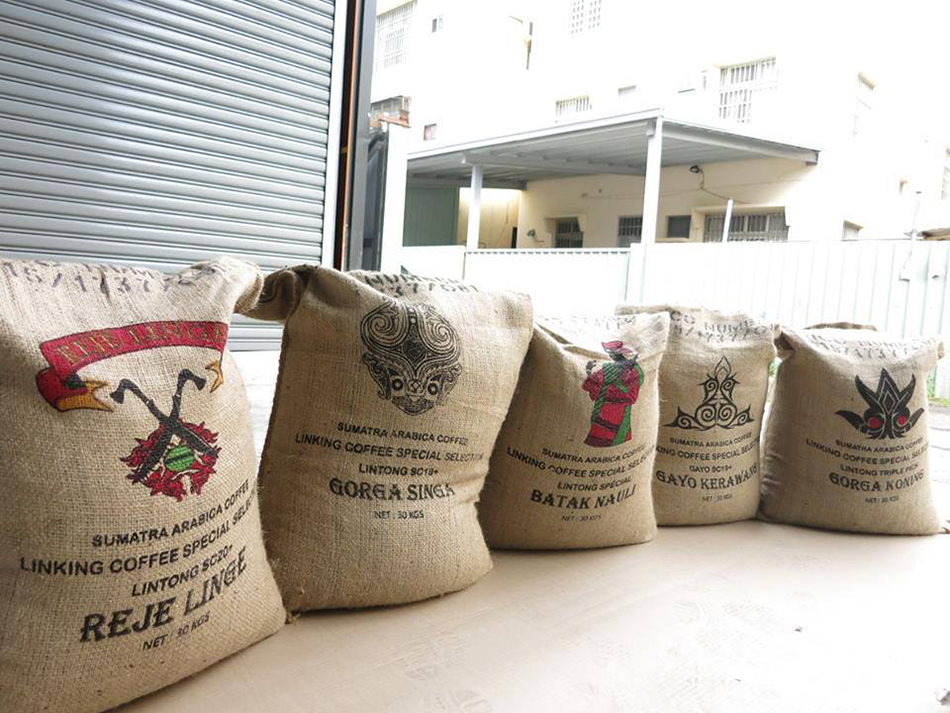
The so-called "aged Mandheling" can be traced back to the Dutch colonial period in Indonesia. At that time, Sumatra was an important coffee-producing region. To meet the huge demand from Europe, some coffee beans were stockpiled in advance and transported over long distances. Due to the long voyage and the erosion of sea breeze, these coffee beans naturally developed a strong, full-bodied, and low-acid unique flavor by the time they reached Europe, winning great favor in the European market. To stabilize the supply of this flavor, a manually controlled aging process was gradually developed, forming the prototype of today’s aged Mandheling.
The first step in the aging process still involves the locally common wet-hulled method. The batch of aged Mandheling used here consists of carefully selected high-quality green beans, which undergo initial processing before being placed in a professional warehouse for aging. During the aging process, in addition to controlling temperature and humidity, the beans’ condition is regularly inspected to prevent mold or insect damage, ensuring each batch achieves the ideal flavor transformation.
And when talking about aged Mandheling, one cannot fail to mention its premium version—Golden Mandheling. The reputation of Golden Mandheling originates from PWN (Pwani Coffee Company), one of the very few suppliers in Indonesia authorized to export high-quality Mandheling, specializing in top-tier coffee for the Japanese market. PWN applies high standards to green bean selection, using both mechanical and multiple hand-sorting processes to ensure every bean meets G1 grade or higher, with an extremely low defect rate, far surpassing the general market standard for G1.
The green bean selection criteria for Golden Mandheling are extremely strict, including: bean size must be 18–19 mesh or above, no more than 3 defective beans in a 300g sample, and maintenance of a deep green color and uniform size. These strict conditions ensure that Golden Mandheling not only delivers more consistent flavor performance, but also exhibits richer layers and a clean aftertaste during brewing.
The wet-hulled method is a uniquely Indonesian coffee processing technique, developed primarily to cope with the region's rainy climate and economic constraints. Compared to washed or natural methods, the wet-hulled process significantly shortens processing time, but the rapid hulling process can result in some compression marks on the bean surface. These marks are not defects, but rather a characteristic of this method, and do not affect the final flavor profile.
Returning to actual brewing, how can you achieve the best flavor of aged Mandheling or Golden Mandheling at home? Here is a set of proven effective pour over recommendations: use a Kono filter, with 15g of coffee grounds, 86°C water temperature, a 1:15 coffee-to-water ratio, and a medium-fine grind setting (e.g., EK43s grinder at setting 11). This filter design restricts airflow and extends the contact time between water and coffee, helping to fully extract the rich body and low acidity characteristics.
For specific operation, it is recommended to use a staged extraction method: start with 30g of water for a 30-second bloom, then pour in a small circular motion until reaching 125g for the first pour. When the water level is about to expose the coffee bed, pour again up to 225g and stop, with total extraction time controlled to around 2 minutes. This parameter setup balances body and clarity, and is well suited for medium-dark roasted aged Mandheling beans.
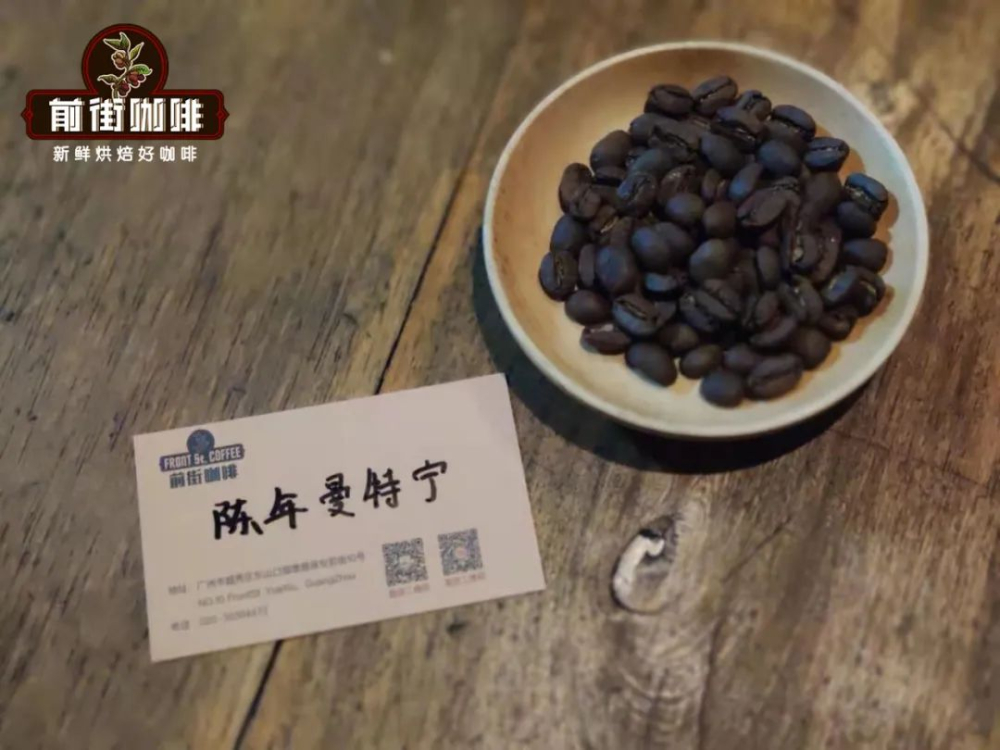
Finally, regarding flavor profile, aged Mandheling typically showcases dominant notes of rich nuts, dark chocolate, and caramel, accompanied by warm spices and dried fruit aromas, with a long and clean aftertaste and soft acidity. Golden Mandheling takes it further, adding delicate layers of pine wood and herbal spice on the base of nuts and chocolate, with pronounced sweetness and a long-lasting finish. Its overall balance is exceptional, making it a top representative among Indonesian beans.
The above content is compiled by CoffeeHunters, a coffee news website.


