







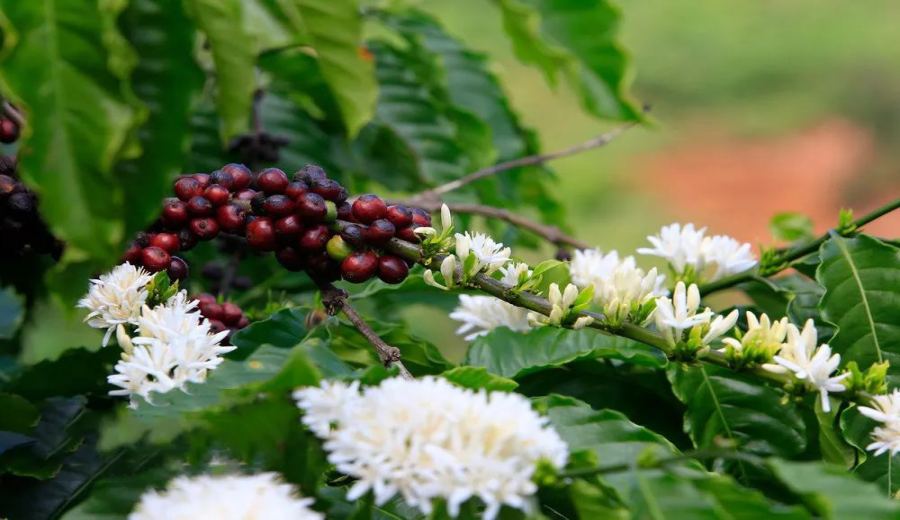
Introduction:Geisha coffee is hailed as one of the finest coffees in the world. From its place of origin in Ethiopia to the globally renowned Panama, each growing region bestows it with unique flavor profiles. This article delves into the origin and evolution of the Geisha variety, provides a detailed comparison of how different regions’ geography and climate shape its aroma and taste, and thoroughly analyzes the grading systems of two renowned farms—Jade Mountain and Gesha Village. With practical brewing suggestions and parameters, you’ll get even closer to the true charm of this top-tier coffee.
Geisha is one of the most celebrated coffee varieties in the global specialty coffee market, known for its distinctive floral notes, citrus tones, and richly layered fruity aromas. Once a relatively obscure variety, it rapidly rose to become the focus of coffee enthusiasts and professional judges after making its debut in Panama in the early 21st century. This article will take readers from its native Ethiopian forests all the way to the high-altitude mountainous regions of Panama, exploring in depth how Geisha has evolved distinct flavor characteristics in response to varying terroirs.
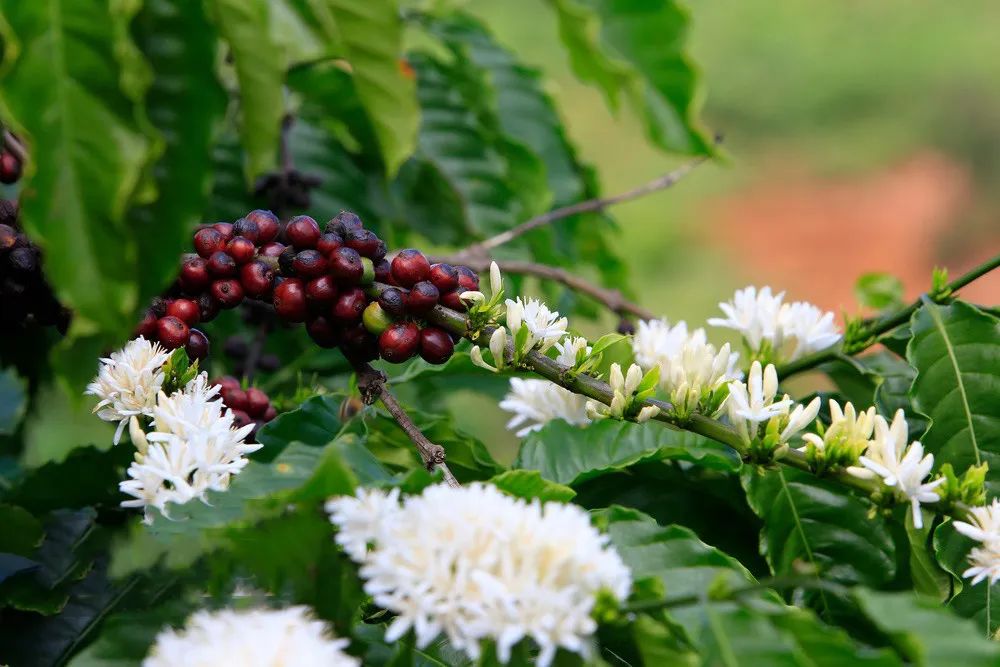
The history of Geisha dates back to the 1930s, when a team of researchers discovered a wild coffee tree in the forests near Gimbi town in southwestern Ethiopia. Due to its proximity to the Geisha mountain range, it was named Geisha. Initially, these plants were taken to the coffee research center in Costa Rica, assigned the number T2722, with the primary goal of breeding new disease-resistant varieties. However, due to its extremely high growth requirements and low yield, it did not achieve widespread cultivation over the following decades.
The turning point came in 2003, when the management team at Panama’s Hacienda La Esmeralda rediscovered the potential of this variety. The following year, it won first prize at the “Best of Panama” competition with exceptionally high scores, thereby launching Geisha’s international fame. Since then, the Boquete region of Panama has become synonymous with Geisha, especially with its high-altitude environment and diverse microclimates that lend the coffee an unprecedented depth of flavor.
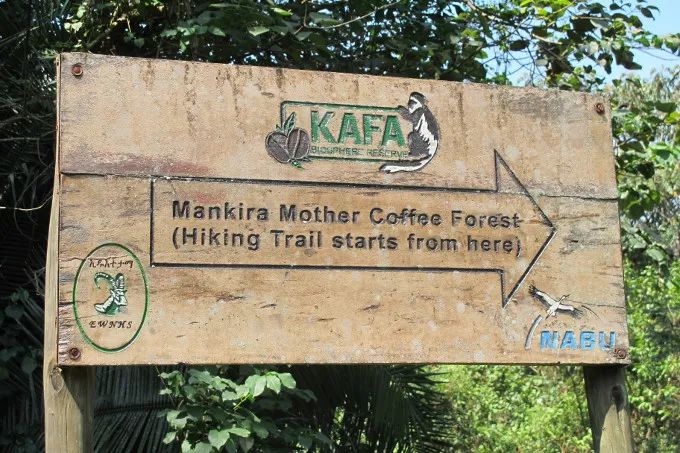
Geisha has extremely strict requirements for its growing environment, with an ideal cultivation altitude typically above 1600 meters, and even reaching up to 2000 meters. It thrives in cool, foggy climates and shaded environments to avoid excessive moisture evaporation and heat stress caused by direct sunlight. Additionally, the physiological structure of the Geisha coffee plant differs significantly from other mainstream varieties—for example, its leaves are thinner and its root system less developed, leading to lower nutrient and water absorption efficiency. These factors are also among the main reasons why its yield per unit is much lower than commercial varieties such as Caturra or Catimor.
In different regions, the flavor profile of Geisha varies greatly due to differences in microclimate, soil, and processing methods. The Boquete region of Panama, particularly small blocks like Jaramillo, Canales Verdes, and El Velo, is known for its high altitude and diverse microclimates. Geisha produced here often exhibits pronounced notes of rose, jasmine, citrus fruits, as well as honey and berry undertones. Hacienda La Esmeralda further divides the Geisha-growing areas into multiple micro-blocks based on altitude and cupping performance, tracking each batch of beans with a specific lot code. Among them, the Jaramillo block is regarded as the quintessential expression of Geisha flavors.
Back in Ethiopia, the genetic birthplace of Geisha, the local Gesha Village farm preserves strains slightly different from those in Panama, including Gori Gesha, Gesha 1931, and Illubabor Forest. Among them, Gori Gesha and Gesha 1931 are genetically similar to the Panamanian strain but exhibit more intense notes of yellow peach and apricot, along with moderate sweetness and bright acidity. Illubabor, on the other hand, is a strain cultivated specifically for disease resistance. Though its flavor profile is somewhat different, it performs excellently in terms of stability and adaptability. Gesha Village implements a strict grading system, categorizing its products into five tiers: Auction, Gold, Red, Green, and CHAKA. Among these, Red Label Geisha must score 88 or above in cupping tests, accounting for about 15% of annual production, and is considered an excellent value choice.
For coffee enthusiasts who enjoy pour over brewing, the charm of Geisha lies not only in its diverse flavors but also in how proper extraction techniques can fully showcase its delicate layers. It is generally recommended to use a medium-light roast to preserve its inherent acidity and aromatic vibrancy. Practical experience from industry shops suggests that the optimal brewing water temperature range is 91–92°C, paired with a grind size similar to fine sugar (approximately 80% passing through a #20 sieve), and a 1:16 coffee-to-water ratio. This helps balance acidity, sweetness, and body.
In terms of equipment selection, the V60 dripper—with its unique spiral channel and large opening design—can extend the contact time between water and coffee grounds while promoting clear flavor expression. Below is a reference pour over process for Hacienda La Esmeralda Red Label Geisha: Use 15 grams of coffee grounds; the first pour is 30 grams of water for a 30-second bloom; the second pour adds 120 grams of water with a slightly faster flow rate, bringing the total to 150 grams; the third pour uses a finer stream to add 90 grams, for a total of 240 grams. The overall extraction time is controlled around 2 minutes and 10 seconds. These parameters help improve overall extraction efficiency and highlight the layered flavors and aftertaste of Geisha.
Overall, whether it’s the floral, fruity, and honeyed tones nurtured by Panama’s highlands or the stone fruit and bright sweet-acid balance from its Ethiopian homeland, Geisha demonstrates remarkable varietal potential and adaptability. For coffee lovers, understanding its regional background, grading logic, and suitable brewing methods will lead to a more comprehensive appreciation of the boundless charm of this world-class coffee variety.
The above content is compiled by CoffeeHunters, a coffee news website.


