







Introduction:Choosing the right espresso beans is key to making a great shot of espresso. This article delves into the differences between single-origin (SOE) and blended beans, helping you understand the relationship between espresso, blends, and SOEs. It also analyzes the challenges of roasting and flavor expression, and provides extraction parameters and flavor profiles for iced lattes using an actual blend recipe, assisting you in finding the right espresso solution.
To truly master the selection of espresso beans, you first need to understand the relationship between espresso, blends, and SOE (single-origin espresso). Starting with Starbucks’ well-known Blonde Roast, this article explores the romantic origins behind its name, further analyzes the pros and cons of single-origin espressos and blends, explains the technical challenges in selecting and roasting SOEs, and discusses why blends excel in stability and flavor balance. It also uses a common market blend recipe as an example to illustrate the actual extraction parameters and flavor performance of iced lattes, helping coffee enthusiasts find the most suitable espresso solution for them.
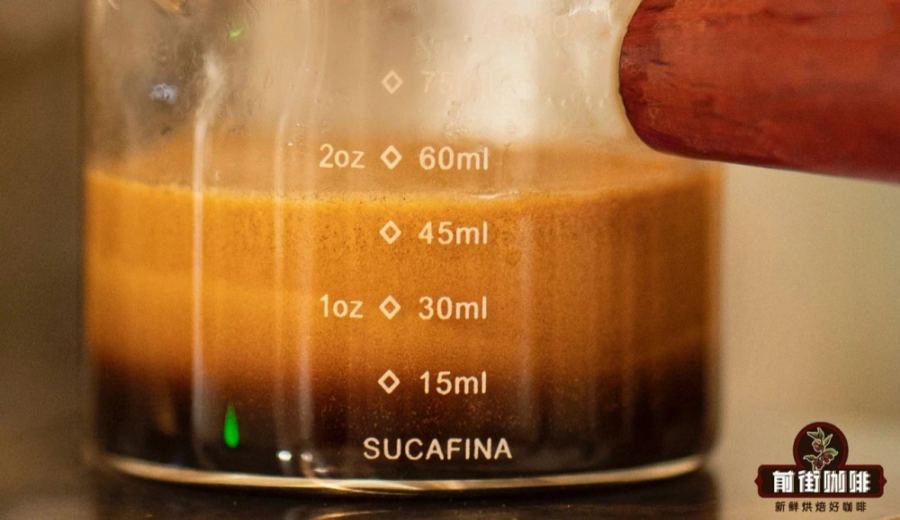
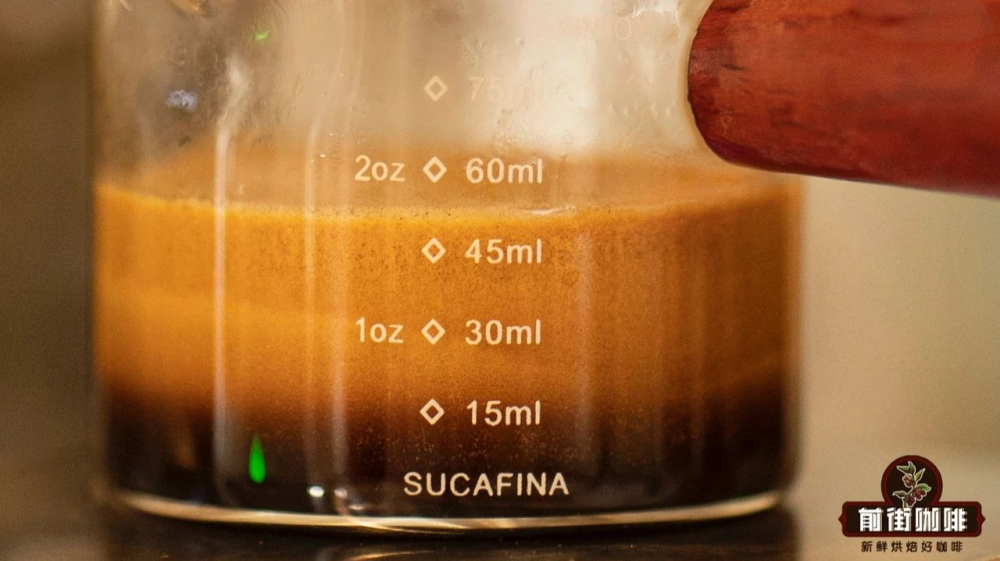
Espresso is the soul foundation of Italian coffee. It is made by forcing nearly boiling water (around 94°C) at 9 bar of high pressure through finely ground coffee beans to extract a concentrated coffee liquid. A well-pulled shot of espresso will have a layer of bright reddish-brown crema on the surface, commonly known as crema. This layer, composed of plant oils, proteins, and sugars, contributes to the rich mouthfeel of espresso. Many beginners often ask, what’s the difference between espresso and regular drip coffee? The most直观 difference lies in the mouthfeel: espresso, due to more dissolved substances in the same volume, tastes denser and thicker.
So, how should you choose your espresso beans? Blends or single-origin? This question directly affects the overall flavor direction of the coffee you brew. With the rise of the third wave of specialty coffee, more and more cafés are including SOE (single-origin espresso) as one of their espresso options. But does SOE necessarily mean better than blends? We’ll analyze this from a practical application perspective.
[Single-Origin]
SOE, short for "Single Origin Espresso," refers to espresso made from coffee beans sourced from a single origin. This concept is mainly intended to differentiate it from traditional blended espresso. However, it’s important to note that SOE does not necessarily mean specialty-grade coffee. If the selected single-origin beans have strong and distinct flavor profiles, they can indeed highlight the unique characteristics of that region, producing espresso with clear flavors and a defined theme.
Nevertheless, single-origin is a double-edged sword. If the beans chosen lack strong flavor intensity or have undesirable off-flavors from processing, these flaws can be magnified under the high concentration characteristics of espresso, leading to an unbalanced overall flavor or even noticeable defects. Therefore, selecting SOEs is not only a major test of the roaster’s skill but also places higher demands on the barista’s sensory judgment abilities.
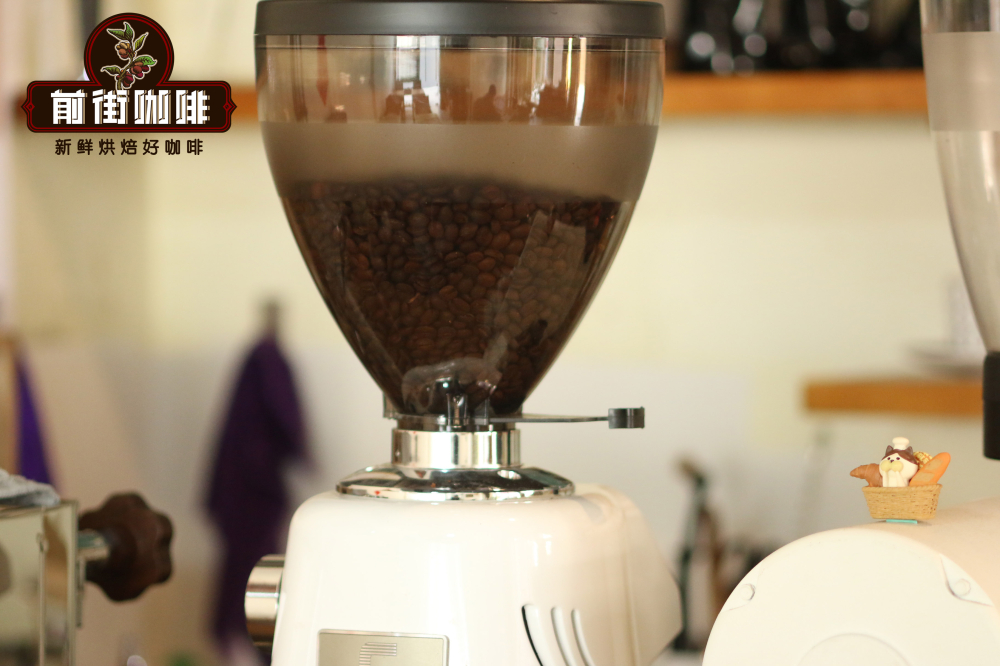
In addition, SOE is somewhat different from the single-origin coffees typically used for pour over. Due to the high pressure, high water temperature, and short brewing time of espresso, the roast must be more precise to still showcase the unique flavor characteristics of the single origin under such conditions. On one hand, if roasted too dark, it can easily mask the original delicate flavors; on the other hand, if roasted too light, it may fail to provide enough body and stability. Thus, finding the balance between flavor expression and espresso drinkability is a major challenge in SOE roasting.
In summary, the advantage of SOE is its ability to highlight regional characteristics and create recognizable espresso flavors; however, it has relatively higher selection and roasting thresholds, making it more suitable for shops or coffee enthusiasts who have a clear flavor pursuit and a certain technical foundation.
[Blends]
In contrast, blended coffee combines beans from different origins according to specific target flavor profiles, allowing the strengths of each bean to complement each other, resulting in a more balanced and consistent taste. Blended beans are usually made up of two or more types of coffee beans and are the preferred choice for many cafés when making espresso, precisely because of their high stability and consistent flavor.
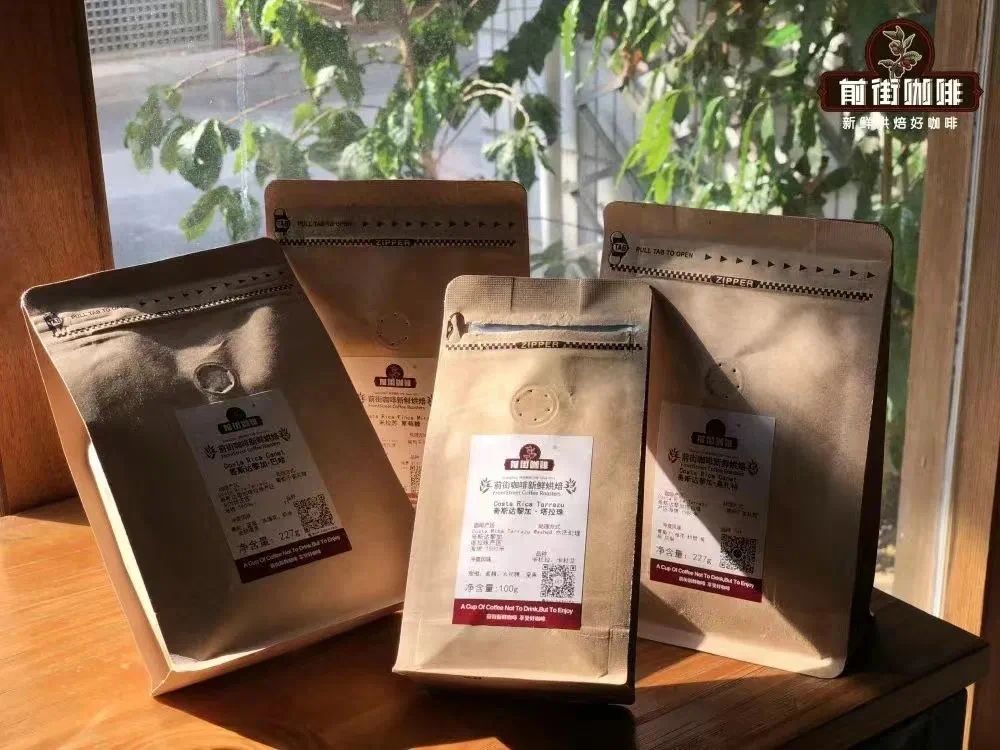
Since coffee is an agricultural product, its flavor can vary from year to year due to differences in climate and processing methods. Even beans from the same origin may differ in flavor. Through blending, the recipe can be flexibly adjusted. For example, if the beans of a particular season do not meet flavor expectations or face supply instability, other beans with similar flavor profiles can be used as substitutes to maintain the stability of the final product’s quality. Therefore, many producers tend to use blended recipes to ensure consistency in their espresso offerings.
For shops aiming for stable flavor performance in their espresso, blended beans are undoubtedly a more practical choice.
[Practical Blending Case and Application]
Take a common blended coffee as an example: its recipe consists of sherry cask-processed beans and sun-dried Yirgacheffe Red Cherry beans in a 7:3 ratio. The 60% sherry cask beans primarily contribute a rich mouthfeel and a deep flavor base, while the 40% sun-dried Yirgacheffe adds bright aromas and a light acidity. The overall profile is rich and layered.
When using this type of blend to make iced lattes, the recommended espresso extraction parameters are: 18 grams of coffee grounds, extracting 36 grams of coffee liquid, with a total extraction time of about 28 seconds. Pour the extracted espresso into a cup filled with ice and cold milk to complete a balanced iced latte.
The espresso produced from this blend usually exhibits a distinct liqueur-like chocolate flavor. When paired with milk and ice, it delivers a smooth mouthfeel with a lingering chocolate aftertaste, accompanied by soft wine notes and moderate sweetness. It’s perfect for hot summer days—quenching thirst while enjoying the layered complexity of coffee.
The above content is compiled by CoffeeHunters, a coffee news website.


