








Introduction:Cold brew, ice drip, and cold steeped coffee all fall under the category of low-temperature extracted black coffee, but each has its own unique brewing method and flavor profile. This article delves into the definitions, historical backgrounds, and technical differences of these three brewing methods, and provides practical cold brew parameters and operation tips to help you master the key techniques of low-temperature extraction. Whether at home or in a café, you’ll be able to consistently brew cold brew coffee with balanced flavors.
Among the family of low-temperature extracted black coffees, the terms cold brew, ice drip, and cold steeped often confuse coffee enthusiasts. What exactly are the differences? Why is ice drip also called Dutch coffee or Kyoto coffee? How can you brew stable and flavorful cold brewed coffee with the right steps and parameters? This article will take you through a comprehensive understanding of the characteristics and differences of these three low-temperature extraction methods—from definitions and historical context to practical operation—and includes useful cold brew parameters to help you easily grasp the secrets of low-temperature extraction.

Before discussing these three brewing methods, we can start with the concept of “cold steeped coffee.” The character “steeped” (釀) in this term is originally closely related to brewing and fermentation, such as in winemaking. When applied to coffee, whether it’s ice drip or cold brew, the extracted coffee is usually placed in a sealed container for a period of maturation after brewing. This allows soluble flavor compounds to continue integrating with the water. Over several hours or even a day or two, it gradually develops a refined and fermented texture reminiscent of fine wine.
The so-called “cold brew coffee” is a direct translation of the English term “Cold brew coffee.” This name gained widespread recognition thanks to Starbucks. If we broaden the definition slightly, all black coffee extracted with cold water over a long period can actually be categorized as cold brew coffee—whether it’s immersion, drip, or infusion—as long as the liquid is obtained by extracting coffee grounds with low-temperature cold water, it can theoretically be called cold brew coffee.
However, in Chinese usage, because the term “cold brew tea” already exists, many people actually refer to “cold brew coffee” as cold steeped coffee, where coffee grounds are soaked in cold water for a long time. A common practice is to soak coffee grounds in room temperature water in a sealed container, then place it in the refrigerator for several hours before filtering out the grounds and drinking.
As a representative of immersion extraction, cold steeped coffee not only has a low barrier to entry and is simple and convenient, but it also suits a wide range of coffee beans with a relatively low failure rate. As a result, it is not only a staple on the menus of many cafés but also a popular choice for homemade coffee at home.
Another common low-temperature extraction method is the drip method, where a slow, steady drip of melting ice water passes through a bed of coffee grounds for prolonged extraction—this is what’s known as ice drip coffee. Interestingly, in many English-language resources, ice drip coffee is often referred to as Dutch Coffee, hence it’s also translated as “Dutch coffee.”
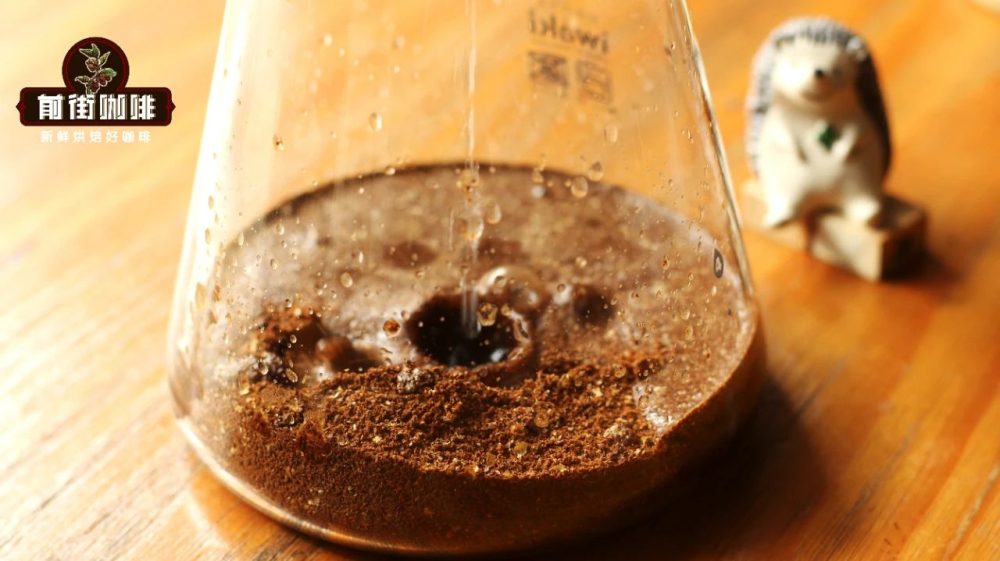
Legend has it that around the 17th century, Dutch sailors attempted to soak coffee grounds in cold water during long ocean voyages and unexpectedly discovered that the resulting coffee was not bitter or astringent and was easy to preserve and transport over long periods. Later, this cold beverage method spread to Japan during the Edo period through trade and became popular among locals, leading to the term Dutch Coffee.
Although the authenticity of this story is hard to verify, what is certain is that the intricately designed, layered dripping devices commonly seen in cafés today were invented by the Japanese. The ice drip coffee produced using these devices also became widely popular in Japan.
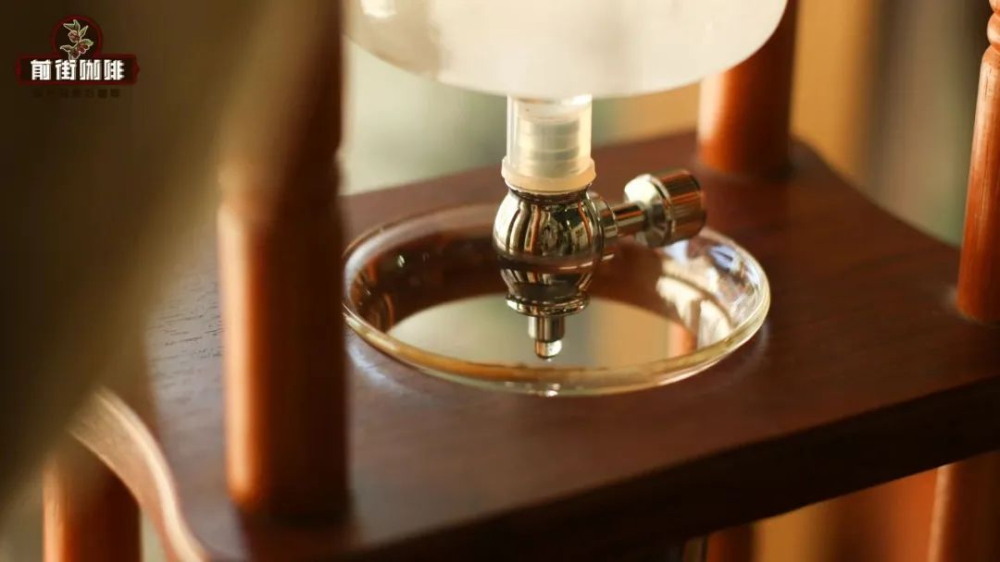
In the 1850s, a Kyoto shop called Hana Fusa (花房咖啡) came across this cold extraction technique and collaborated with several chemistry students to develop a three-tiered, valve-equipped high tower–style ice drip device. This setup allowed cold water to slowly and evenly drip through coffee grounds, and at the time, it was hailed as an artistic method of coffee brewing.
Subsequently, well-known Japanese equipment brands such as HARIO, KINTO, and Kalita successively launched similar cold brew bottles and ice drip devices, which led to the widespread popularity of this type of low-temperature extracted coffee in Japan. By the time the third wave of coffee emerged, these eye-catching devices made their way to Europe and were referred to by Westerners as Kyoto Coffee.
Compared to cold brew and ice drip, the term “cold steeped” is less commonly used in domestic cafés, and there is currently no definitive etymological source. Interpretations of the term vary. Generally speaking, cold steeped coffee can be considered an elegant translation of “Cold Brew,” and its essence is largely the same as cold brew coffee.
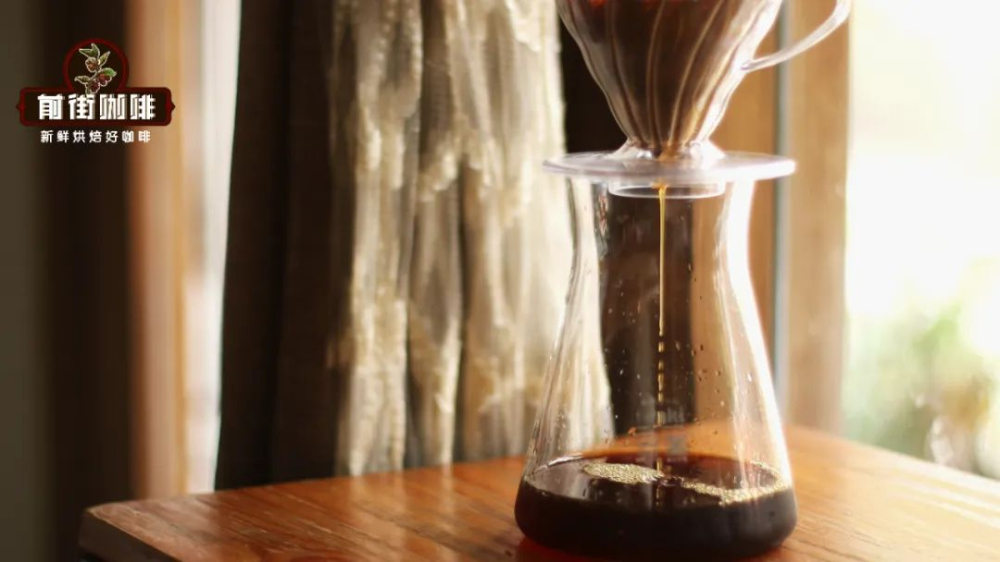
So, how do you make cold brew coffee? The first step is to choose a coffee bean that matches your personal taste preferences. If you want a cold brew with a rich, juicy sensation and refreshing sweet-tart notes, opt for beans with a lighter roast; if you prefer a clear and layered flavor profile, go for beans with a higher degree of fermentation in their processing method; if you enjoy a full-bodied and rich mouthfeel, it’s recommended to use medium-dark or dark roast beans. You might even try adding a small amount of osmanthus to enhance the aroma, which can often bring an unexpected surprise.
When making low-temperature extracted coffee, it’s usually preferable to select beans with prominent floral and fruity notes. Readers who enjoy floral flavors may consider choosing beans with standout floral aromas; if you prefer a coffee with a strong juice-like sensation, it’s recommended to choose items with a rich fruit character—these beans are typically well-suited for showcasing cold brew flavors. Additionally, prepare a sealed container, add the ground coffee, and pour in room temperature water at the appropriate ratio. A generally recommended coffee-to-water ratio is 1:10—for example, 80g of coffee grounds with 800ml of water. After pouring in the water, gently stir to accelerate the wetting of the coffee grounds, then seal and refrigerate for about 12 hours. Once the time is up, filter out the coffee grounds with filter paper, and you can enjoy a cup of cold brew coffee with balanced flavors. If you find it too strong, you can dilute it with ice as needed.
The above content is compiled by CoffeeHunters, a coffee news website.


