







Introduction:Want to dive deeper into the mysteries of Panamanian Geisha coffee? This article explores the regional characteristics of Hacienda La Esmeralda and Janson Estate, analyzes the Red Label and Green Label grading systems, and introduces potential farms from the 2013 Best of Panama shortlist. It also provides professional V60 pour over parameters, including water temperature, brew ratio, and a three-stage pouring method, to help you fully showcase the fruity aroma and juicy layers of Geisha.
Geisha (Geisha) coffee is renowned in the specialty coffee world for its delicate floral notes and complex fruit profiles. This coffee not only boasts elegant jasmine and rice-like aromas, but also delivers a bright acidity with distinct layers of citrus, berries, and apricot, accompanied by a rich, juice-like mouthfeel—completely redefining the common perception of coffee as bitter.
When it comes to Geisha, one cannot overlook Panama’s Hacienda La Esmeralda. This estate not only brought Geisha to the global market but also established a clear grading system, allowing consumers to choose different grades of Geisha based on their preferences. If you want to experience the true essence of Geisha, it’s recommended to start with the estate’s two flagship products: Red Label and Green Label.
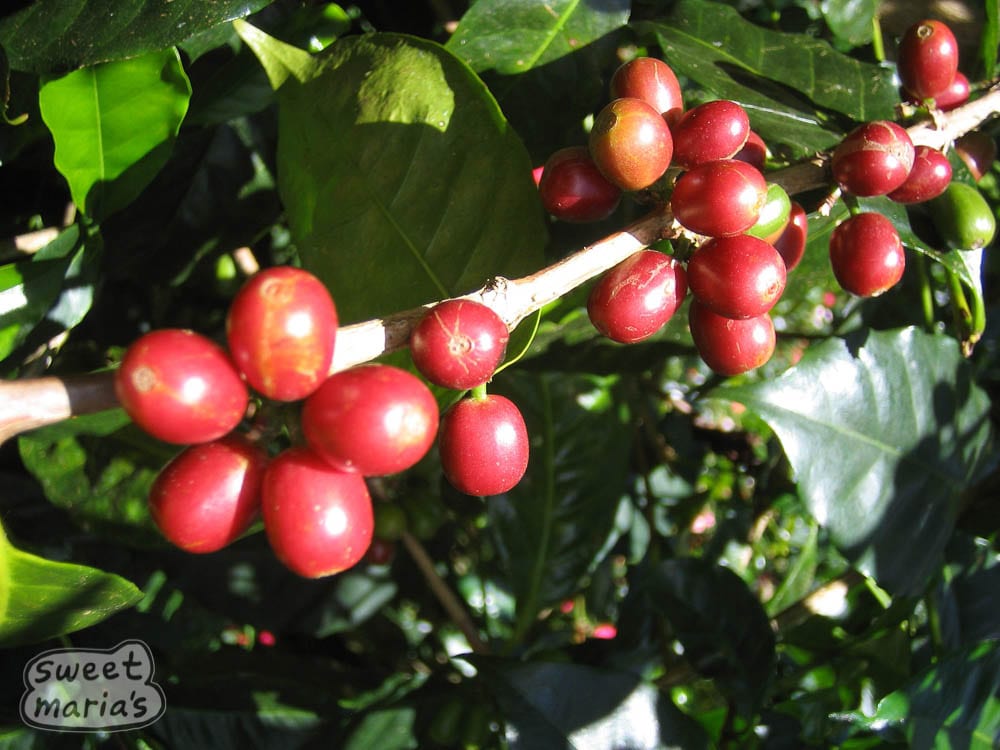
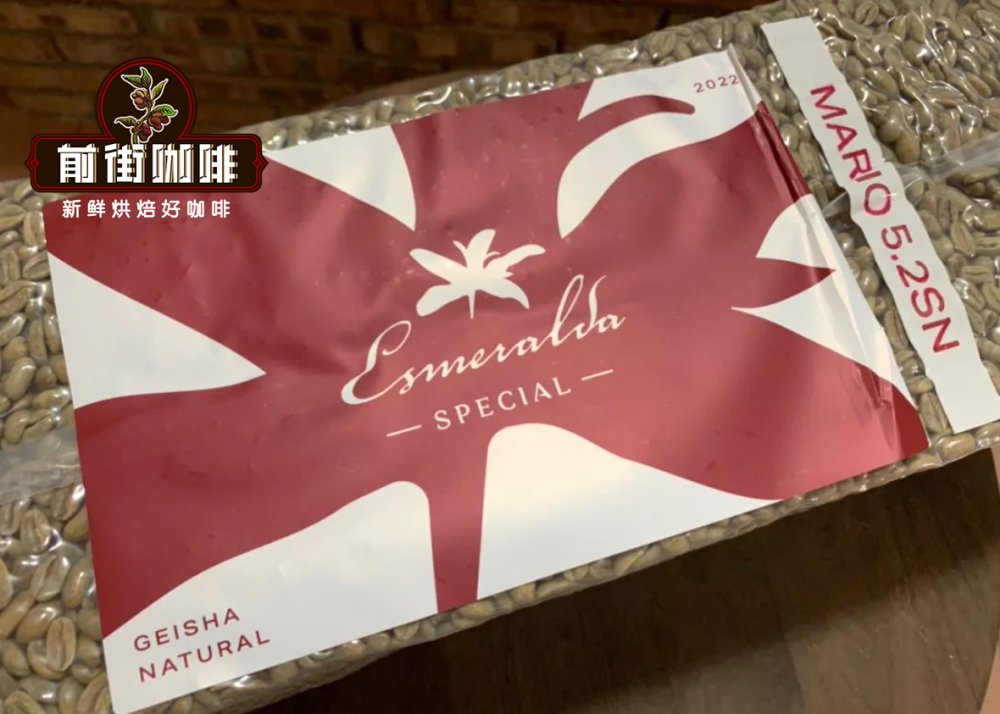
The Red Label Geisha represents the ESMERALDA SPECIAL grade, typically including auction-exclusive lots. These beans come from specific high-altitude micro-lots, at elevations of about 1600 to 1800 meters, primarily from well-known farms such as Jaramillo and Cañas Verdes. The microclimates and volcanic soil conditions in these regions impart an extraordinary floral and fruity aroma with clear layers, often scoring over 90 points in cupping. Auction lots within the Red Label also come with individual lot numbers, each representing the essence of a single plot.
The Green Label Geisha is positioned as a high-value, premium option, also grown at altitudes between 1600 and 1800 meters, sourced from non-specific micro-lots such as Jaramillo and Cañas Verdes. Though not part of the auction, its washed processing highlights a refreshing profile of lemon, berries, grapefruit, and a light tea note, making it ideal for those new to Geisha. Like the Red Label, the Green Label comes from high-altitude, high-quality growing regions, preserving the classic bright acidity and fruity expression of Geisha.
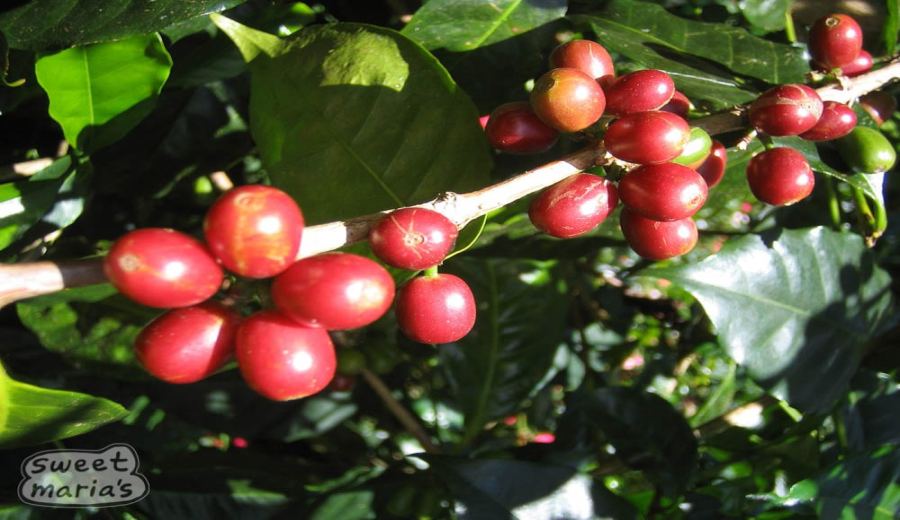
Besides Hacienda La Esmeralda, Panama is home to other outstanding Geisha producers, among which Janson Estate is one of the 2013 Best of Panama finalists. Managed by Carl Janson, this estate grows over 50% Geisha and is the second-largest Geisha producer in Panama. It carefully selects only fully ripe red coffee cherries during harvest to ensure flavor maturity and consistent quality.
Janson Estate is located at an elevation of 1700 to 1750 meters, with mineral-rich volcanic ash soil and a uniquely favorable microclimate, providing an ideal environment for Geisha cultivation. Moreover, the estate practices organic and sustainable farming, raising livestock such as cows and horses whose manure is used as natural fertilizer. It also implements mountain spring water recycling and annual reforestation programs, demonstrating a strong commitment to sustainable agriculture.
To fully highlight the delicate flavors of Geisha, pour over is one of the brewing methods that best brings out its highlights. Below is a professional barista-recommended V60 three-stage pour over method that helps balance sweetness and acidity, enhance layering, and fully release the juicy texture of Geisha.
Equipment Suggestions:V60 dripper. Its unique spiral channel design and large central hole effectively extend the contact time between water and coffee grounds, improving extraction uniformity.
Basic Parameters:
- Water Temperature: 91–92°C (moderately hot, helps enhance flavor expression)
- Coffee Dose: 15 grams
- Brew Ratio: 1:15 (total water volume around 225 grams)
- Grind Size: Fine sugar consistency (recommended to sieve with a #20 sieve for about 80% extraction)
Three-Stage Pouring Steps:
- First Step: Pour 30 grams of hot water for blooming, for about 30 seconds. Gently circle to allow the coffee grounds to uniformly expand, forming a full “bloom dome.”
- Second Step: Pour 95 grams of hot water, observe the bed level descent. Once the water level drops to about half, begin the third pour.
- Third Step: Pour 100 grams of hot water until all the coffee liquid has dripped through. Throughout the process, use a small stream of water, circling steadily from the center of the dripper to avoid over-extraction at the edges or under-extraction at the center.
After brewing, remember to gently swirl the coffee to mix, and start tasting from the hotter stage, gradually experiencing the multi-layered floral and fruity aromas as well as the sweet and acidic aftertaste as the coffee cools.
The above content is compiled by CoffeeHunters, a coffee news website.


