







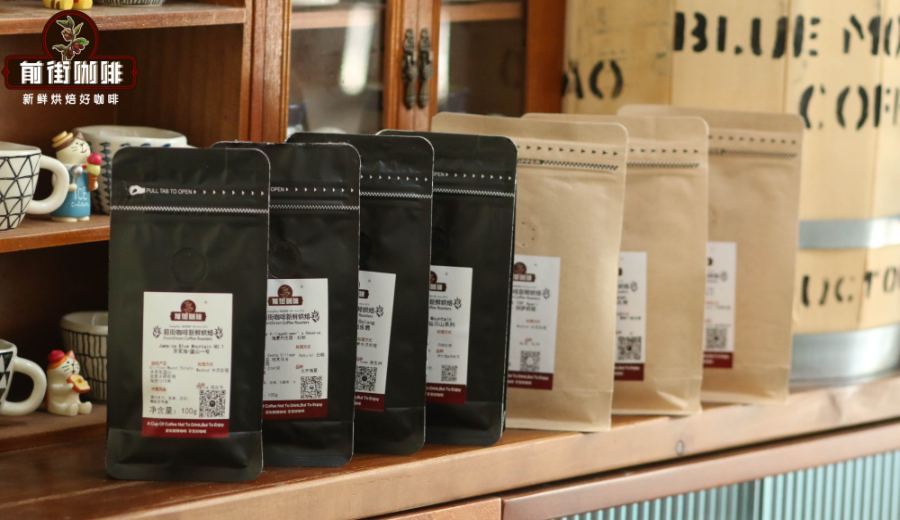
Introduction:An in-depth exploration of the unique flavor profile, regional characteristics, and the impact of the wet-hulled processing method of Indonesian Sumatra Golden Mandheling. Includes practical pour over parameters. From the geographical differences between the Aceh and Lintong regions to the quality distinctions among Lintong, Tiger, Aged, and Golden Mandheling, this guide helps you master the brewing techniques of this classic dark roast bean and enjoy its clean, richly layered taste.
Mandheling coffee from Sumatra, Indonesia, has long been celebrated for its bold, rich aroma and full-bodied flavor, with Golden Mandheling standing out as a premium favorite among enthusiasts. This article will take you through the origins of the name “Mandheling,” delve into the geography and climate of Sumatra’s two renowned regions—Aceh and Lintong—and analyze the differences among various offerings such as Lintong Mandheling, Tiger Mandheling, Aged Mandheling, and Golden Mandheling. Additionally, we’ll introduce Indonesia’s unique wet-hulled processing method, which gives Mandheling its distinctive herbal and spicy notes. Using Golden Mandheling as an example, we provide a set of practical pour over tips and parameters to help you easily brew a specialty coffee with clear layers and balanced aroma.
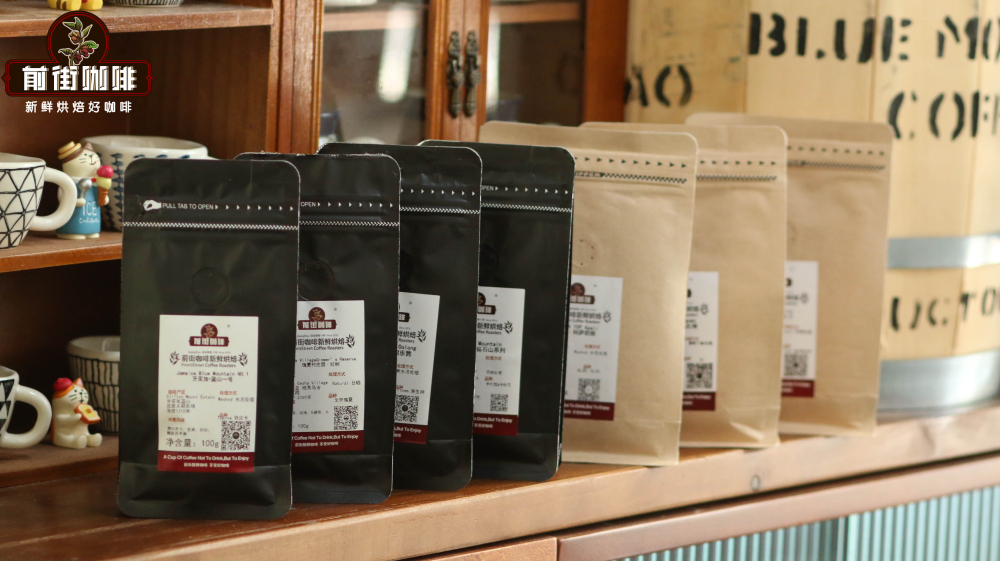
For readers who prefer a classic balance of bitterness and sweetness, with notes of dark chocolate and herbs, Sumatran Mandheling coffee is a great place to start. Among them, Golden Mandheling stands out as a premium representative of the region, thanks to its carefully selected green beans and consistent flavor profile. It not only delivers a rich and full-bodied taste but also presents a deep, clean brightness, with flavor layers that are truly memorable.
As an important coffee-producing region in Indonesia, Sumatra’s Mandheling coffee actually derives its name from a mishearing of the local Mandailing people (Mandheling). Today, “Mandheling” has become synonymous with high-quality Arabica coffee from northern Sumatra. Although Indonesia is the largest coffee producer in Asia, its main output is still commercial-grade Robusta, while specialty-grade Arabica mainly comes from northern Sumatra, accounting for less than one-tenth of the country’s total production.
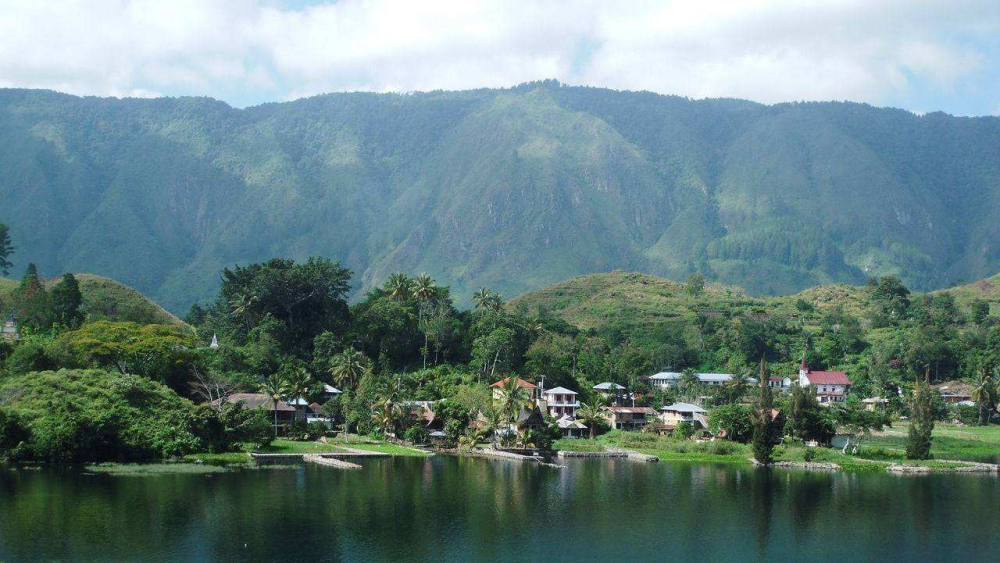
Sumatra’s coffee-growing areas can be divided into two core regions: the Aceh region centered around Lake Tawar, and the Lintong region centered around Lake Toba. Hence, the distinctions between Lake Tawar Mandheling and Lintong Mandheling. The Lintong region is located in north-central Sumatra, surrounded by the magnificent Lake Toba, which is not only the world’s largest volcanic lake but also one of the deepest lakes globally. The area’s mineral-rich soil, deposited by ancient volcanic activity, combined with year-round cloudy weather, high altitude, and significant day-night temperature variations, slows down the ripening process of coffee cherries, aiding in the accumulation of flavor compounds.
In contrast, the Lake Tawar area in Aceh is close to the Gayo Mountains. Past social unrest has helped preserve the region’s pristine natural environment. Coffee here is mostly grown organically, benefiting from a healthy ecosystem and producing uniquely flavored beans. Pwani Coffee Company (PWN) is one of the key green bean suppliers in the region, known for its high-quality selection standards.
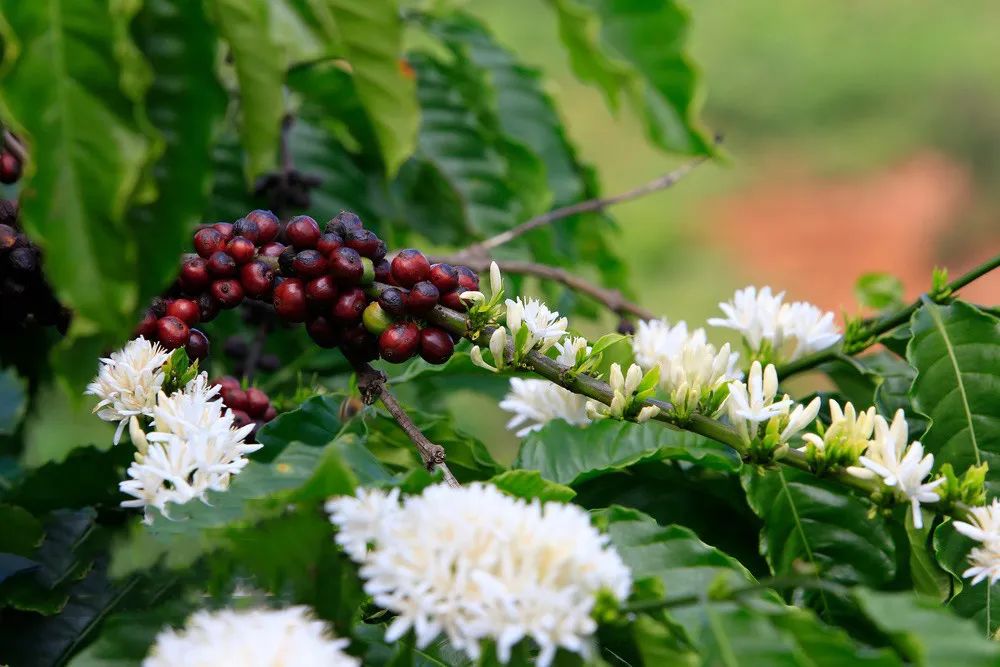
Among the many types of Mandheling, Lintong Mandheling processed using the wet-hulled method is the most well-known, showcasing the most representative herbal and spicy notes of Indonesian coffee. This flavor is also considered a regional hallmark of Sumatran coffee, often chosen as an entry-level “everyday bean.”
Tiger Mandheling, on the other hand, is distinguished by its unique herbal and traditional Chinese medicine-like aromas. The green beans are rigorously selected before processing, using only coffee cherries larger than 19 mesh, and undergo three rounds of manual sorting to ensure quality. As a result, its beans are relatively larger, and the resulting brew exhibits noticeably higher body and richness compared to regular Mandheling.
Aged Mandheling is coffee that has undergone long-term maturation. Over time, its acidity gradually fades, making way for a heavier body and more complex texture, with a flavor profile that becomes more subdued and refined.
Golden Mandheling is a high-end specialty series under PWN. Its bean selection process is extremely stringent, involving mechanical screening coupled with three rounds of manual picking, keeping only intact green beans larger than 18 mesh—equivalent to Indonesia’s G1 grade. Cupping comparisons show that this high-standard selection significantly reduces common earthy or woody off-notes, resulting in a purer, more transparent flavor and clearer aroma layers.
When discussing the unique processing methods of Indonesian coffee, one cannot overlook the wet-hulled method. Due to Sumatra’s hot, humid tropical rainforest climate, with its highly variable weather and frequent typhoons, traditional sun-drying or washed processing is difficult to control. Farmers thus developed this semi-washed, fast-hulling method.
The steps of the wet-hulled method include: first removing the coffee cherry’s skin and pulp, followed by a short fermentation period and initial drying. Once the beans reach a semi-dry state, the protective parchment layer is removed, and drying continues until the moisture content reaches about 12%. Since the entire process is carried out in a high-humidity environment (70–90%), and the parchment layer is removed early, the green beans are more prone to absorbing environmental impurities and odors, contributing to Mandheling’s characteristic bold woody, herbal, and spicy notes.
To brew Golden Mandheling with its rich aroma and layered complexity, the key lies in precisely controlling the pour over parameters. It is recommended to use beans roasted to a medium-to-dark level, which preserves Mandheling’s herbal and spicy characteristics without overly emphasizing bitterness.
In practice, it is suggested to use water at about 87–88°C, paired with medium-coarse grinding (approximately 70% passing through a Chinese standard #20 sieve), with around 15 grams of coffee grounds and a 1:15 coffee-to-water ratio. Use a three-stage pouring method: the first pour adds double the amount of water (about 30 grams) for a 30-second bloom to initiate aroma release; the second pour uses a small stream, circling from the inside out, adding water up to 125 grams before pausing briefly; once the coffee bed in the filter has settled to about half its height, continue pouring with the same fine stream up to 225 grams. Total brew time should be controlled to around 2 minutes. Finally, gently swirl the coffee before enjoying.
The brewed Golden Mandheling coffee offers a full-bodied, rich taste yet remains clean, with flavor layers transitioning from nuts and caramel to chocolate and cinnamon-like spices as the temperature changes. The finish is long and well-balanced, making it a classic dark roast worth savoring slowly.
The above content is compiled by CoffeeHunters, a coffee news website.


