







Introduction:Sumatra Mandheling coffee is renowned for its bold body and low acidity, but many people question its reputation for being "bitter" and often confuse regular Mandheling with the premium Golden Mandheling. This article delves into the regional background, variety characteristics, and processing differences of this classic Indonesian bean. It highlights the key distinctions in flavor profiles between Lintong Mandheling and PWN Golden Mandheling, and provides practical pour over recommendations and extraction parameters to help you better grasp the charm of this iconic Asian coffee.
Mandheling coffee has long held a place in the Asian specialty coffee market thanks to its rich and full-bodied taste. However, many beginners often wonder: what’s the real difference between Mandheling and Golden Mandheling? Do they really taste as bitter as rumored? This article will comprehensively break down the origins, characteristics, and processing techniques of Sumatran Mandheling—from regional environment and bean varieties to brewing methods—and compare the actual performance of Lintong Mandheling and PWN Golden Mandheling. Whether you're a novice or a more experienced coffee drinker, you’ll gain a clear understanding of this classic bean's traits and brewing tips.
The fame of Sumatran Mandheling coffee had already spread among seasoned coffee enthusiasts even before the rise of Blue Mountain coffee. Its solid body and low-acid, rich foundation have made it a classic favorite among many. It often boasts intense dark chocolate and caramel sweetness, with a nuanced and lingering aftertaste. Especially in the Asian consumer market, it has maintained steady support.
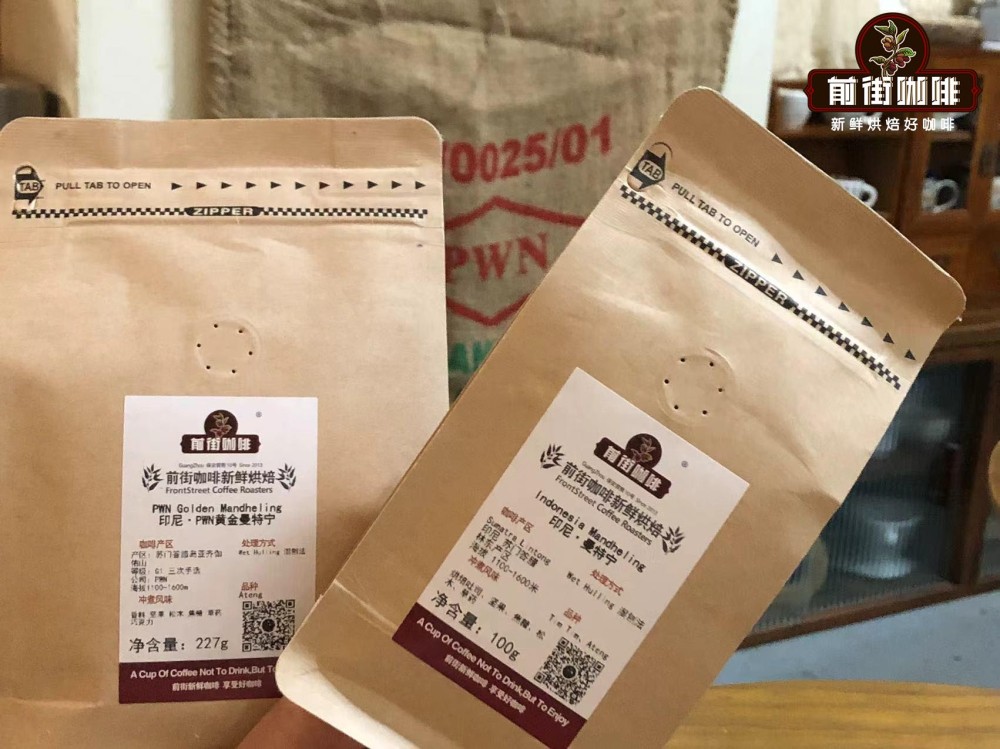
However, when it comes to Mandheling, many people’s first impression is “bitter.” In reality, this bitterness isn’t a flat astringency, but rather a deep expression accompanied by layers of richness. In actual tasting, some consumers prefer the bright floral and fruity notes of Ethiopian beans, while others are drawn to the aged, increasingly aromatic richness that defines Mandheling—especially Golden Mandheling, which is favored by many coffee aficionados. On the market, common Lintong Mandheling is a standard everyday choice, whereas PWN’s Golden Mandheling is a higher-end version with stricter selection criteria, offering greater cleanliness, complexity, and a higher price point.
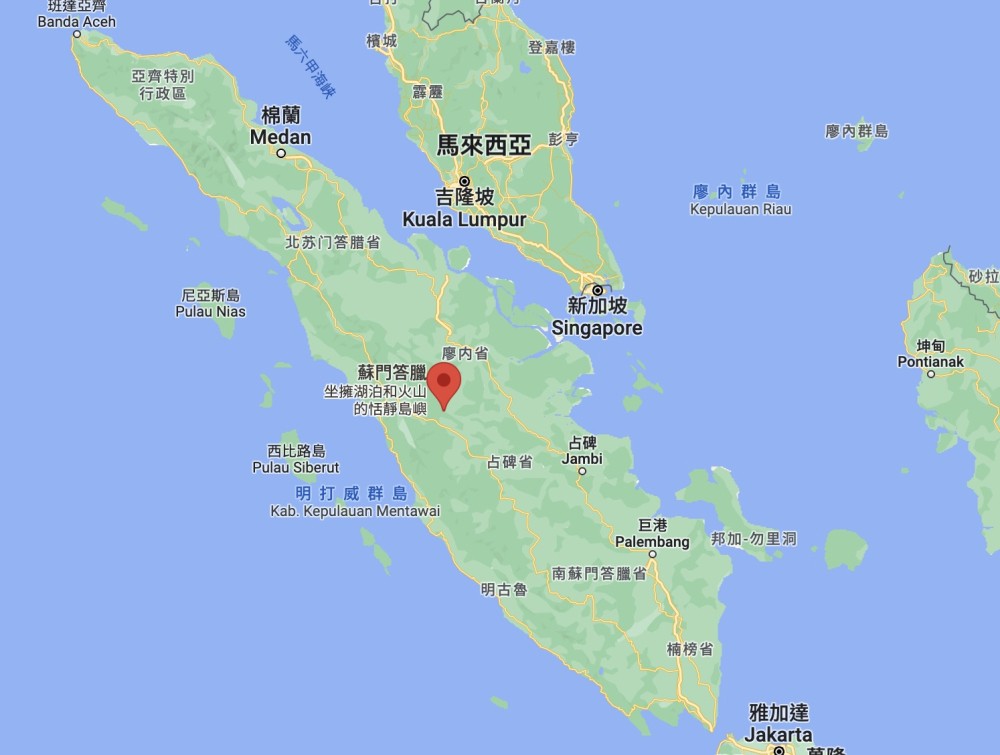
As Indonesia’s largest island and the world’s sixth-largest, Sumatra not only covers vast geographical area but is also a powerhouse of the country’s coffee production. The island features diverse terrain: the mountainous northwest is known for growing Arabica, particularly in the celebrated Gayo highlands. With elevations ranging from 1500 to 2500 meters, cool climate, fertile soil, and largely indigenous Gayo community cultivation using old varietals, this region creates the solid flavor base of Mandheling. The southeast, on the other hand, with its swamps and plains, mainly grows Robusta for commercial export.
The name Mandheling actually originates from the Mandailing ethnic group in North Sumatra’s Tapanuli region and was originally an ethnic name. It later came to refer to the Arabica coffee produced in the area. Lintong Mandheling is grown in the central-northern Lintong highlands near the famous Lake Toba, at elevations of about 900 to 1200 meters. It’s a common origin for semi-washed or natural processed beans and represents a typical source of conventional Sumatran Mandheling.
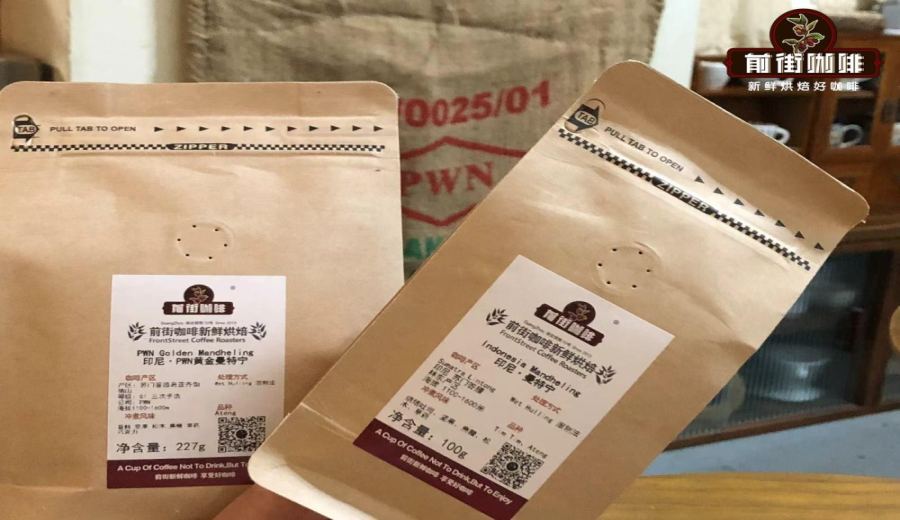
Golden Mandheling is a premium version of Mandheling, rigorously controlled by PWN. The company applies extremely high selection standards, using only G1 grade green beans that are 18 mesh size or larger, with no more than three defects per 300 grams. These beans undergo three rounds of manual sorting to ensure consistent quality and appearance. This meticulous process results in PWN Golden Mandheling having not only uniform appearance but also cleaner, clearer flavors with enhanced sweetness, aroma, and complexity. As such, it commands a significantly higher price than regular Mandheling.
In terms of variety, due to historical leaf rust outbreaks, up to 90% of Indonesia’s exported coffee beans are Robusta, with only 10% being Arabica. The common Lintong Mandheling variety is TimTim Ateng, which is actually a Timor variety with Robusta lineage. Golden Mandheling is labeled as Ateng but is actually the Catimor hybrid—these names are mostly local vernacular terms.
Mandheling is typically processed using the wet-hulled method, a unique and efficient approach in Indonesia. Due to the hot and humid climate, farmers often remove the parchment layer while the beans are still semi-dry to accelerate drying. Though this improves efficiency, it can lead to characteristic “coffee hoof” marks (small dents at the ends of beans). This isn’t a defect, but rather a typical trait of this processing method.
In terms of roasting and brewing, medium to dark roasts are commonly used to enhance Mandheling’s bold characteristics. For pour over, it is recommended to use a KONO filter, which minimizes airflow interference, allowing the hot water to fully contact the coffee grounds and extract a rounder, fuller body. Specific parameters are as follows: water temperature around88°C, coffee dosage15 grams, brew ratio1:15, grind size medium-fine (approximately 75% passing through a Chinese No. 20 sieve). Use a three-stage extraction method: start with a 30-gram bloom for30 seconds, then pour in stages up to125 gramsand225 grams, keeping the total extraction time around2 minutes.
The flavor profile of Lintong Mandheling is typically dominated by bold nutty notes, occasionally featuring hints of melon in the mid-to-late stages. As the coffee cools, herbal layers gradually emerge, resulting in a thick and dynamic cup. In contrast, PWN Golden Mandheling showcases a purer nutty base, with melon, herbal, and subtle spicy notes becoming more pronounced as it cools. The finish delivers the richness of dark chocolate paired with caramel-like sweetness. Overall, it presents a cleaner, softer profile with distinct layers.
For storage and brewing, freshness is crucial. It is recommended to choose beans shipped within five days of roasting and allow for a 4 to 7-day rest period to let the flavors fully develop. If grinding is necessary, do so as close to brewing as possible, since ground coffee oxidizes quickly and loses aroma. For the fullest experience of Mandheling’s delicate layers and rich complexity, buy whole beans and grind them fresh before brewing.
The above content is compiled by CoffeeHunters, a coffee news website.


