








Introduction:Kenyan coffee is renowned for its bright acidity and distinctive fruity aromas, with its Grade AA washed beans being a top choice for many pour over enthusiasts. This article delves into the unique characteristics of Kenyan coffee-growing regions, core varieties such as SL28/SL34, and the world-renowned K72 washed processing method. It also provides practical parameters and techniques for V60 brewing — from water temperature and grind size to stage extraction — helping you grasp the flavor essence of Kenya AA.
Kenyan coffee has long been celebrated for its high, vibrant acidity and vibrant fruitiness, particularly that unique acidity with notes reminiscent of cherry tomatoes and prune, forming an intriguing contrast to the citrus profile typical of Ethiopian coffees. To truly understand the origin of these flavors, one must explore everything from the growing environment and variety traits to the processing methods.

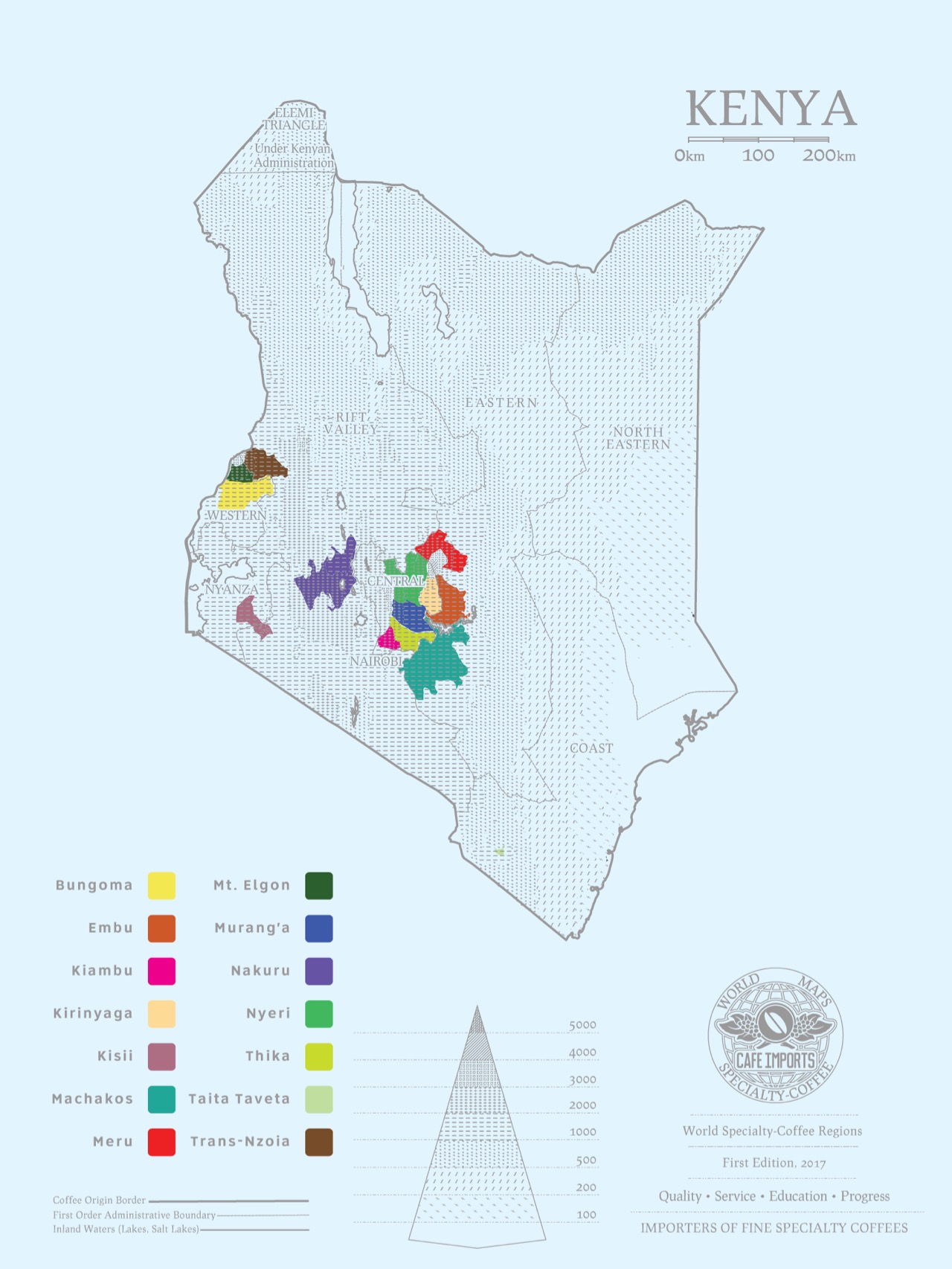
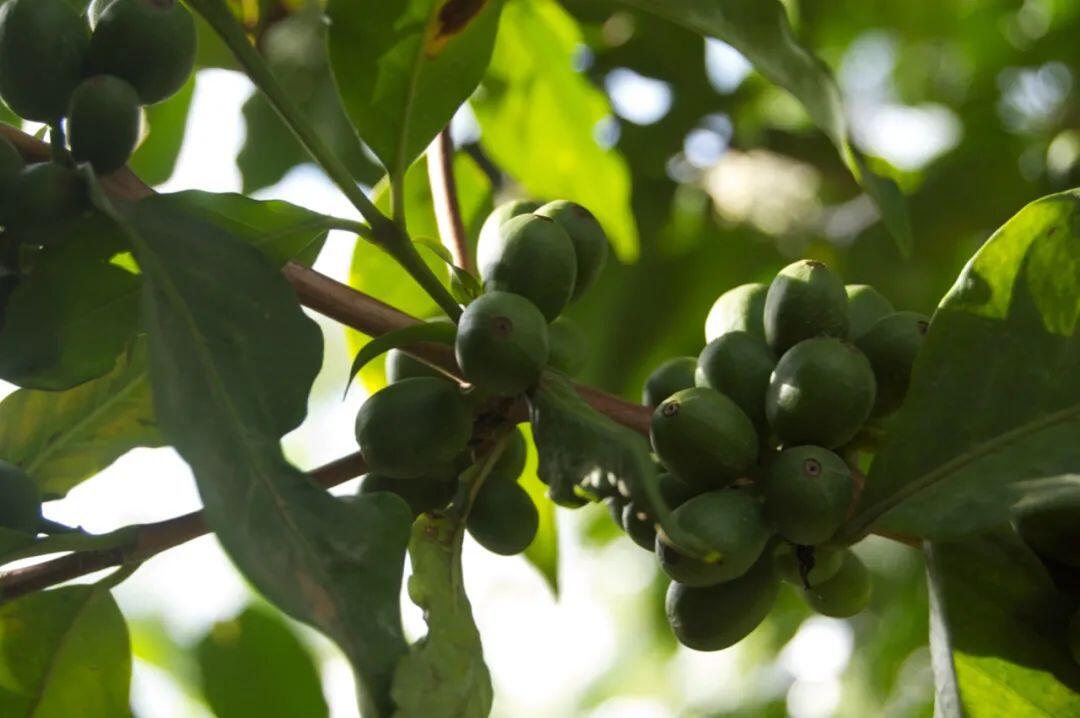
Located in East Africa, Kenya is traversed by the equator and features predominantly highland terrain, with an average altitude of around 1,500 meters. This elevated environment, coupled with significant day-night temperature variations, slows down the ripening process of coffee cherries, allowing for the accumulation of richer flavor compounds. The main coffee-growing areas in the country have acidic volcanic red soils with excellent drainage, providing ideal conditions for cultivating Arabica coffee.
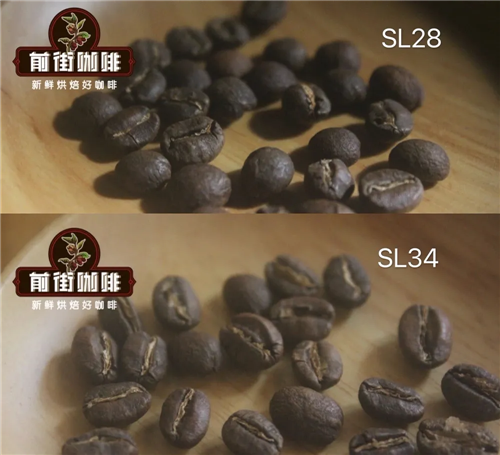
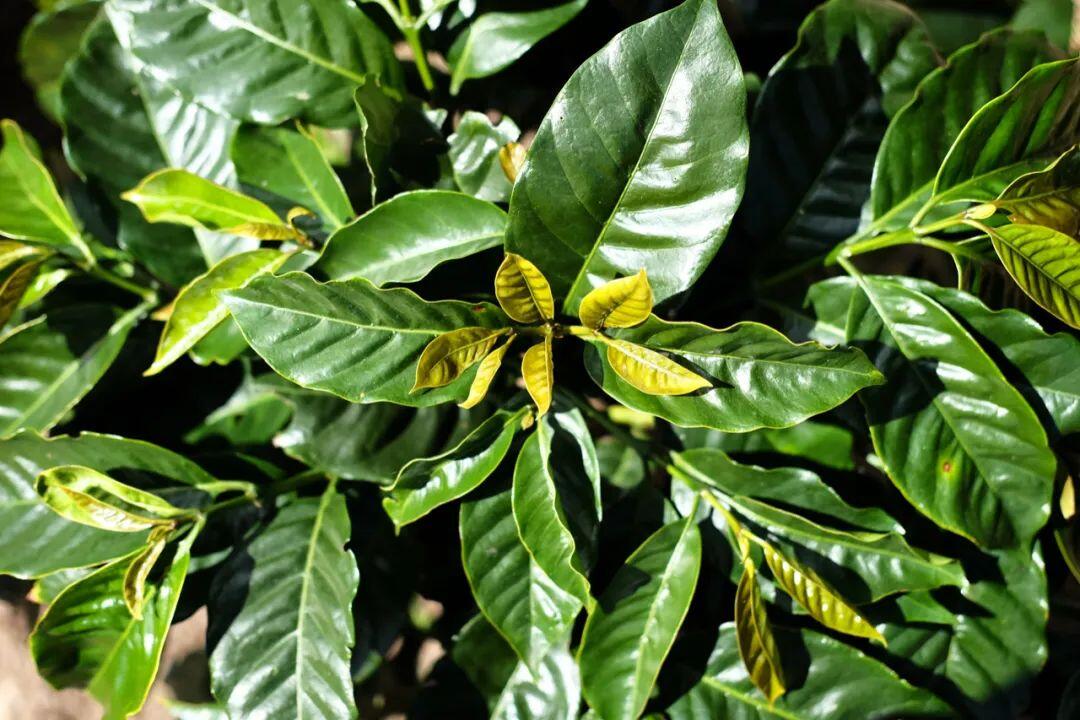
In terms of varieties, Kenya has developed several distinctive cultivars. Among them, SL28 and SL34 are the most representative traditional varieties. The former is known for its intense acidity and complex sweetness, with beans that are relatively round and dense. The latter carries Typica heritage, with a more slender and flat bean shape. Additionally, Ruiru11 and Batian are newer disease-resistant varieties, particularly effective against coffee leaf rust.
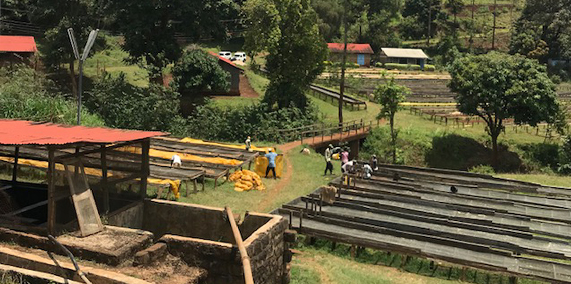
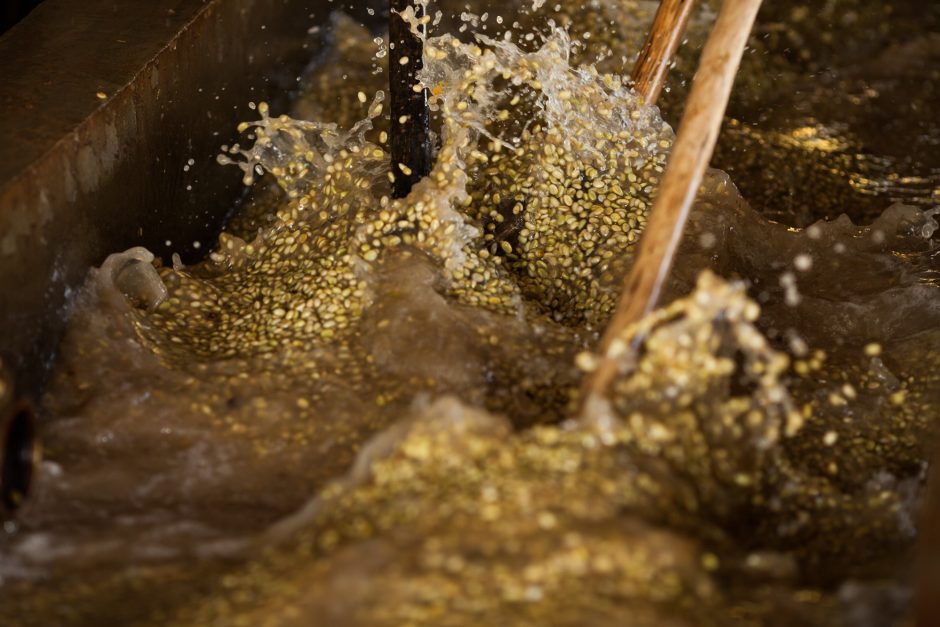
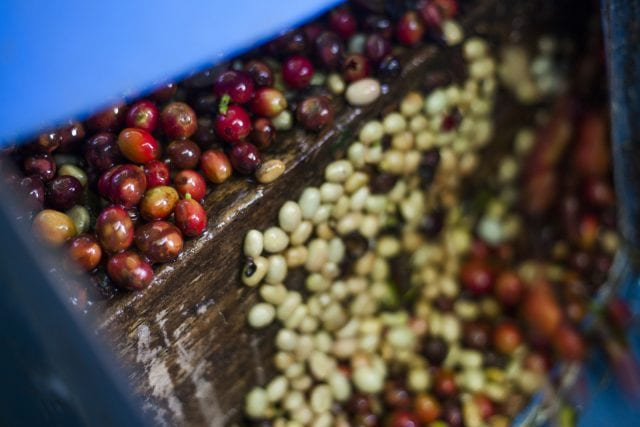
What Kenya coffee takes the most pride in is undoubtedly its unique K72 washed processing method. This technique involves subjecting harvested coffee cherries to three rounds of 24-hour dry fermentation, totaling 72 hours — far longer than typical washed processing. This extended fermentation period removes the mucilage layer more thoroughly while preserving more acidity and aromatic compounds. After fermentation, the beans undergo washing and resting drying, with the entire process being meticulous and precise.
In terms of quality grading, Kenya primarily uses bean size as the main criterion. Grade AA refers to large beans sized 17–18 mesh, generally believed to have the best flavor potential. Grade AB (15–16 mesh) is the most produced grade. Interestingly, though PB (peaberry) beans are not graded by size, each coffee cherry produces only one rounded seed, concentrating more flavor compounds, often resulting in particularly rich and intense taste profiles.
When we actually brew Kenya AA-grade coffee, the V60 filter cone is a highly suitable choice. We recommend using water at 91–92°C, with a 1:15 coffee-to-water ratio, and a medium-fine grind size (about 80% through a #20 sieve). A specific brewing method can involve stage extraction: start with a 30-second bloom using 30 grams of water, then pour in a slow circular motion until reaching 124 grams for the first drawdown. After the water level drops, continue pouring up to 228 grams, with the total brew time controlled around 1 minute and 55 seconds.
This set of parameters can fully highlight the characteristics of Kenyan coffee:High yet non-harsh acidity,bright fruity aroma, and layered sweetness. During brewing, it's important to maintain stable water pressure and flow rate to avoid over-extraction, which can lead to bitterness.
From regional conditions to processing techniques, and finally to the final brewing presentation, Kenyan coffee showcases the unique charm of African coffee. Whether you're a beginner or a seasoned coffee lover, understanding these key elements can help you better appreciate this vividly flavored coffee. Remember, great Kenya AA coffee requires not just good beans, but also precise control over brewing parameters.
The above content is compiled by CoffeeHunters, a coffee news website.


