







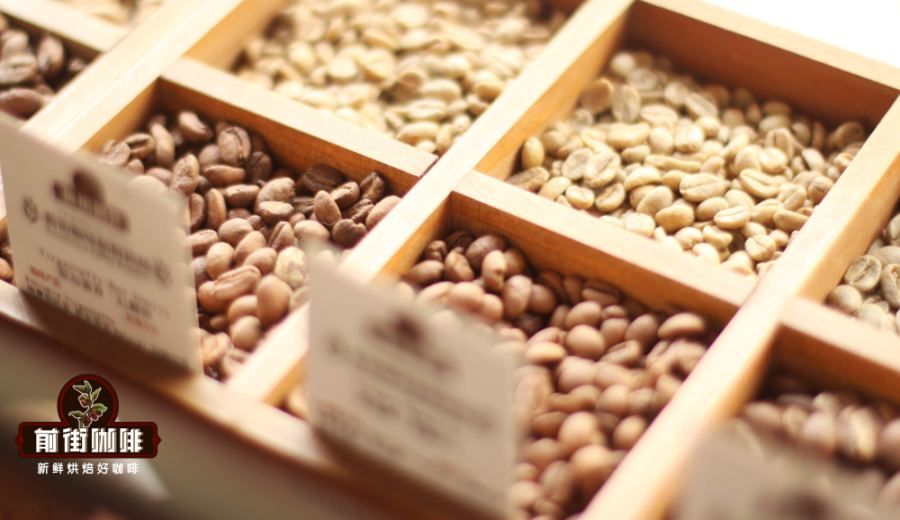
Introduction:Sidamo is a renowned specialty coffee region in southern Ethiopia, celebrated for its bright citrus acidity, smooth black tea-like body, and rich tropical fruit notes. This article delves into the background of the Sidamo region, explores the origins and processing characteristics of the Guji Hambella Huakui coffee, and provides detailed brewing recommendations and flavor profiles for sun-dried Huakui — offering you a comprehensive journey from origin to cup for this popular Ethiopian bean.
Sidamo is not a single coffee variety but rather one of Ethiopia’s most iconic specialty coffee regions in the south. It is known for producing coffees with bright citrus acidity, silky black tea-like textures, and more robust tropical fruit flavors compared to those from Yirgacheffe. In particular, the sun-dried Huakui coffee from the Hambella sub-region has been a focal point for coffee enthusiasts in China since winning the TOH championship in 2017. This article will guide you through the region’s history, geography, native varietal traits, as well as the processing methods and pour-over extraction tips for Huakui, helping you fully understand this highly acclaimed Ethiopian coffee.
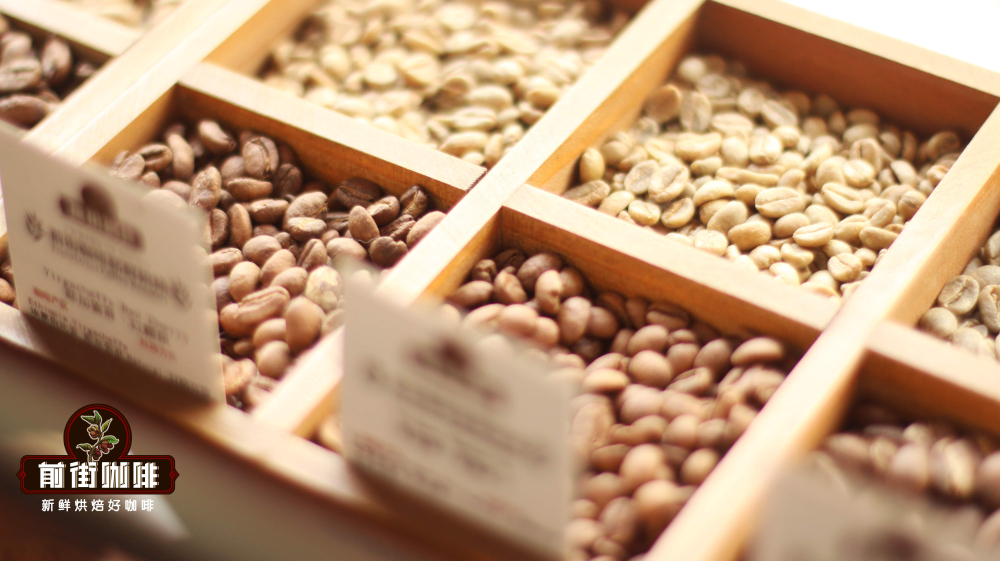
Located on the northern side of Lake Awasa in the East African Rift Valley, Sidamo is part of a high-altitude, fertile plateau with elevations ranging between 1,500 and 2,200 meters. The area benefits from a suitable climate and abundant rainfall, providing ideal conditions for coffee cultivation. Thanks to the high altitude and moderate shading, coffee cherries ripen more slowly, allowing them to accumulate a richer array of flavor compounds. Coffees from this region often feature distinct citrus and berry notes, paired with a black tea-like body and a rich, lingering finish — offering layered and highly recognizable flavor profiles.
Similar to other Ethiopian coffee regions, production in Sidamo is dominated by smallholder farmers, with centralized processing carried out by local cooperatives and washing stations. Farmers deliver their harvested coffee cherries to these processing facilities, where fermentation, washed or natural processing is uniformly managed, and the final product is sold under the name of the processing station. With the rise of the specialty coffee trend, an increasing number of producers are engaging in micro-lot production to enhance traceability and quality control — refining the flavor expression of Sidamo coffees even further.
Administratively, Sidamo was once the name of an old province in Ethiopia before 1995, inhabited by the Sidama people who have their own language and culture. After being incorporated into the Ethiopian Empire in the late 19th century, it was renamed Sidamo, carrying certain historical connotations. In 1995, when Ethiopia adopted a federal system, the region became part of the Southern Nations, Nationalities, and Peoples' Region, and its original name “Sidama” was restored. However, due to trademark registration and market convention, “Sidamo” remains the internationally recognized name. Coffees from this region have consistently received high scores in international competitions, earning CR ratings between 92 and 94 between 2010 and 2012.
The Sidamo region features diverse terrain, including mountains, plateaus, valleys, and plains. Its soils are volcanic, nutrient-rich, and well-draining, with depths of up to two meters and topsoils often dark brown or brown in color. Natural organic matter cycling helps maintain soil fertility, while microclimatic variations and the interplanting of numerous native varieties contribute to the region’s richly varied coffee flavors. For buyers, factors such as region, altitude, and cupping score are more reliable indicators of flavor than specific varietals.
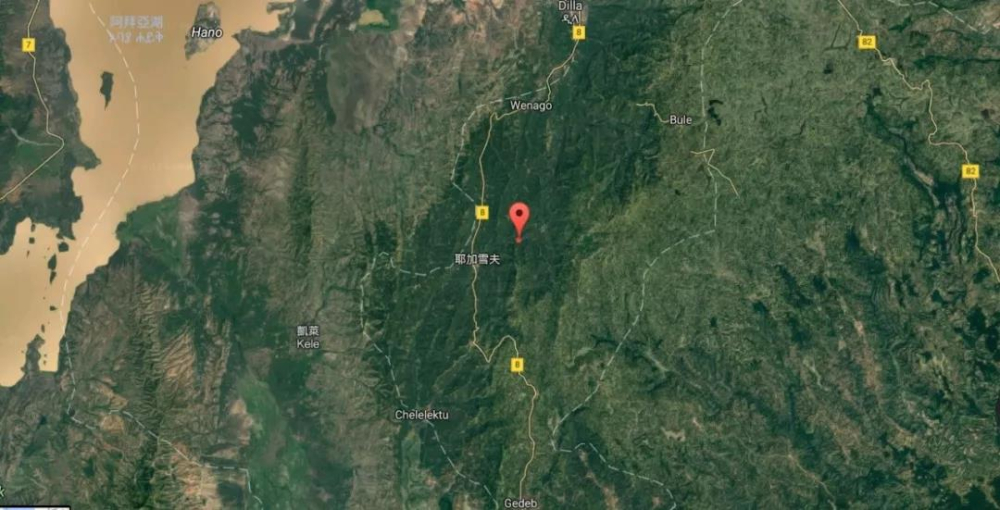
When it comes to the most representative coffee of Sidamo, none stands out quite like “Huakui.” This sun-dried coffee hails from the Hambella sub-region within the Guji zone, produced by the Buku Abel washing station. In 2017, it competed under the name “Ethiopia Guji Hambella Buku Abel” and won the TOH competition. Introduced to the market by a Beijing-based trader, the coffee quickly gained domestic popularity under the name “Huakui,” meaning “the foremost flower,” a title inspired by its championship status and exceptional flavor profile.
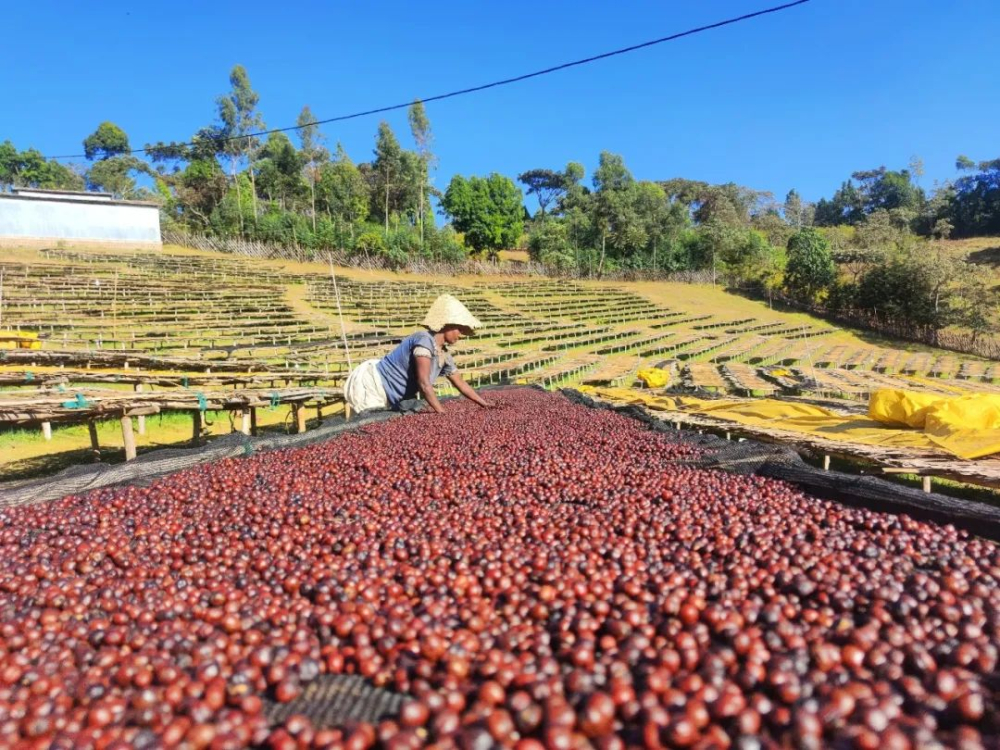
Hambella is located at the border between Sidamo and Guji, and is one of the highest-altitude coffee sub-regions in Ethiopia, separated from Yirgacheffe Kochere by a highland plateau reaching 3,200 meters above sea level. The region has unique climatic conditions, with significant day-night temperature variations. Strict control over drying conditions is required during the coffee cherry ripening period. The Buku Abel washing station harvests only fully red cherries from December to January each year, selecting fruits with a sugar content of 30 or higher. These cherries undergo African bed sun-drying, with shading nets and rainproof covers used to regulate temperature and humidity throughout the process. The cherries are also regularly turned to ensure even drying. After approximately 18 days, when the moisture content drops to 13%, the beans are hulled.
The naming of “Huakui X.0” originates from the championship batch that DW company submitted in 2017, produced by the Buku Abel washing station. Later, DW established several additional washing stations in the core area of Hambella, Dimtu — including Buku Abel, Buku Saysay, Haro Soresa, and Tirtiro Goye. However, only the sun-dried beans produced by the Buku Abel sub-region are considered the original “Huakui.” Each year, a new version is launched according to the harvest season, such as Huakui 2.0 in 2018, 3.0 and 3.1 in 2019, 4.0 in 2020, 5.0 in 2021, 6.0 in 2022, and by 2024, it has reached Huakui 8.0.
The coffee varietals used in Huakui belong to Ethiopia’s native heirloom types. Local smallholder farmers often plant mixed varieties without fine classification, so a single batch may contain dozens or even hundreds of different varietals. These coffee trees are frequently intercropped with shade-providing plants like bananas and sugarcane. Due to microclimatic influences, flavor profiles can vary slightly from year to year. “Heirloom” is not a specific varietal name, but rather a general term referring to the diverse, uncommercialized varietal mix native to the region — contributing to the unique and unpredictable flavor character of Huakui.
Coffee processing in the Sidamo region primarily uses the natural (sun-dried) method. Compared to washed processing, the natural method better preserves the fruitiness and sweetness of the coffee. The process involves spreading fully red cherries on raised beds, turning them regularly and adjusting shading and rain protection based on weather conditions — a process that lasts over two weeks until the moisture content drops to around 11%. The cherries are then depulped to remove the skin and pulp, leaving behind the green coffee beans. Sidamo’s natural-processed beans typically exhibit gentle acidity, a full body, and delicate floral and herbal aromas. Compared to typical African beans, their fruit acidity is clearer and their body smoother.
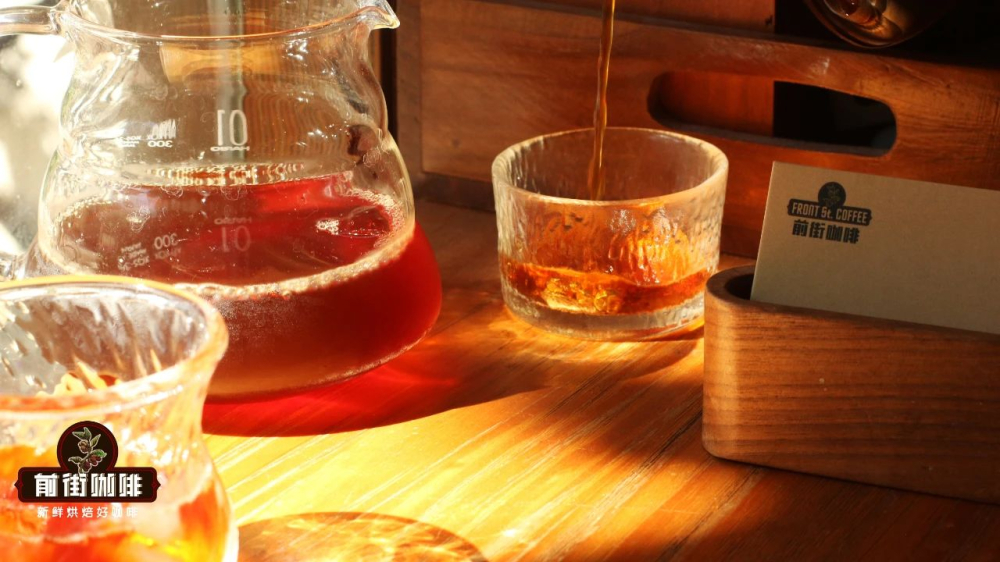
For pour-over brewing of sun-dried Huakui, it is recommended to use a V60 dripper, with a water temperature of about 90°C, a coffee-to-water ratio of 1:15, using 15 grams of coffee. The grind size should be around 80% passing through a 20-mesh Chinese standard sieve. Start with a 30-second bloom using double the coffee weight in water (approximately 30 grams) to release CO₂, then continue pouring in small circles to reach 125 grams, followed by pouring up to 225 grams before stopping. The total brew time should be controlled to around 2 minutes. These parameters help highlight Huakui’s fruity aroma, sweetness, and smooth black-tea-like body.
The flavor profile of Huakui 5.0 is dominated by floral and fruity notes, with prominent aromas of citrus, passionfruit, strawberry, and oolong tea. It delivers a pronounced sweetness and a soft, layered aftertaste. It is recommended to purchase freshly roasted beans used within five days of roasting, with a resting (degassing) period of about 4–7 days. If using pre-ground coffee, it is best to brew immediately to preserve optimal flavor. However, grinding whole beans just before brewing can fully present the layers and aroma — making it the ideal way to enjoy Huakui.
The above content is compiled by CoffeeHunters, a coffee news website.


